REVIEW · POKHARA
Pokhara: 4-Day Mardi Himal Trek with Guide & Himalayan Views
Book on GetYourGuide →Operated by Snow Peak Tours and Travels pvt.ltd. · Bookable on GetYourGuide
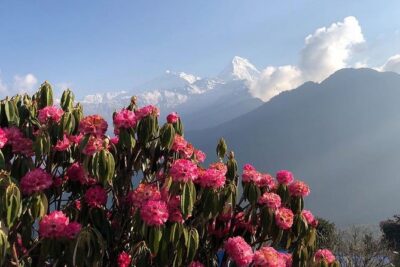
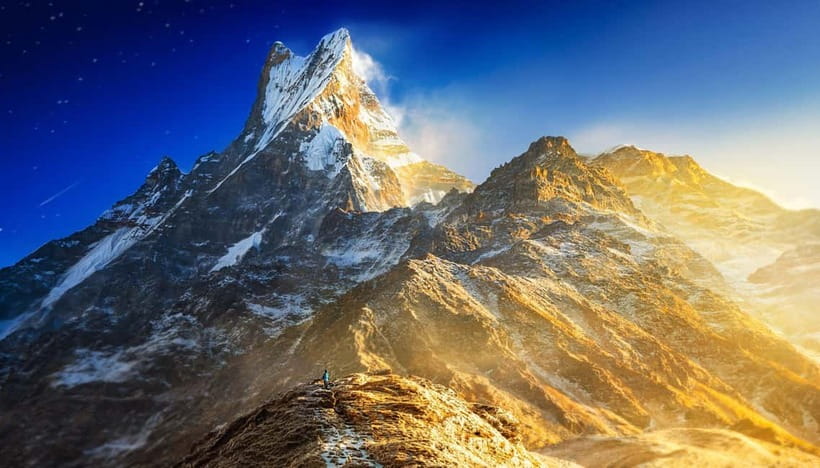
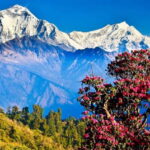
Four days, one huge view. This short Mardi Himal trek is a great way to get deep into the Annapurna region without committing to weeks, and you’ll spend your time in rhododendron forests and then up at High Camp with serious mountain panoramas. I especially love the steady change in scenery from green forest paths to alpine air, and I love the early-morning viewpoint hike toward the Annapurna skyline. One real consideration: clouds can wipe out the sunrise at the 4:00 am viewpoint, so go for the views all the way up, not just the sunrise moment.
I also like that this is truly private, with a guide who sets the pace for your fitness and comfort. In particular, I’ve seen guides like Chandra and Anil Nepali described as patient, encouraging, and tuned in to the trail and the people along the way. If you’re the type who expects a full meal plan baked into the price, double-check any meal-included upgrade, because one birthday celebration story came with the lesson that tea house ordering is often the better value.
In This Review
- Key Things I’d Plan Around
- Where Mardi Himal Fits in Nepal’s Trek Map (and Why This 4-Day Version Works)
- The Overall Plan: Private Trek Timing You Can Actually Feel
- Day 1: Pokhara to Forest Camp (Kande, tea house stop, and rhododendron trails)
- Day 2: Forest Camp to High Camp (the big elevation day)
- Day 3: High Camp to Low Camp via a 4,300 m viewpoint (the dawn gamble)
- Day 4: Low Camp to Siding Village, then jeep back to Pokhara (easy ending, big culture moment)
- Tea Houses, Meals, and the Real Cost of Comfort
- Price: What $154 Covers (and How to Judge If It’s a Good Deal)
- Who This Trek Suits Best (and Who Should Skip It)
- What to Bring (So You Don’t Rethink Your Life at 4:00 am)
- Permits: The One Step You Can’t Forget
- Final Verdict: Should You Book This Mardi Himal Trek?
- FAQ
- How long is the Mardi Himal trek?
- What time does the trek start each morning?
- How high do you go during the trek?
- Where does the trek start and end?
- Are permits included, and do I need to send my passport?
- Is this trek private?
- What language does the guide speak?
- Is a porter included, and what about travel insurance?
Key Things I’d Plan Around
- Private guide, not a random group means you can move at your speed and get clearer trail guidance.
- High Camp at 4,000 m and a 4,300 m viewpoint give you real altitude for big-day views.
- Rhododendron forest walking makes Day 1 feel like more than just a warm-up.
- Tea house flexibility keeps you from being locked into choices you didn’t actually want.
- You finish with a jeep ride back to Pokhara so your trip ends with less hassle.
Where Mardi Himal Fits in Nepal’s Trek Map (and Why This 4-Day Version Works)
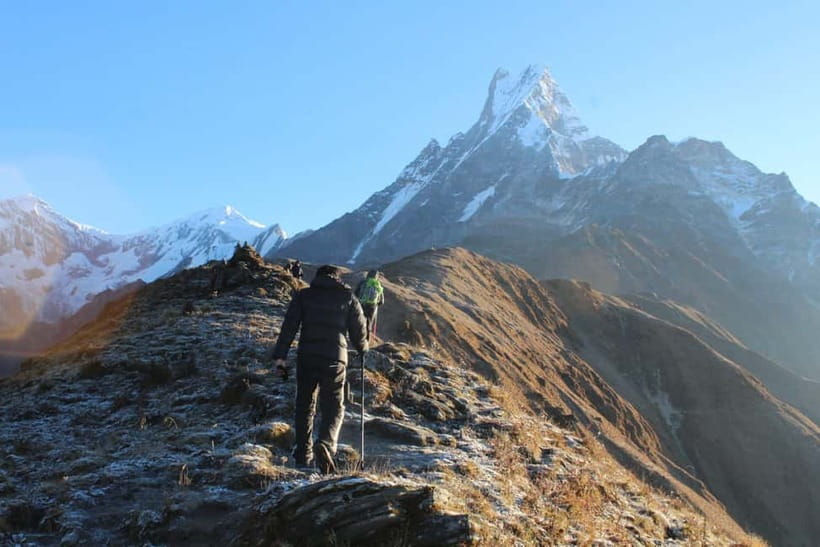
Mardi Himal sits in the Annapurna region, and the whole point of a short trek here is balance. You get enough elevation to feel like you’re truly in the Himalayas, but you’re not signing up for a long, grinding multi-week schedule.
For me, the biggest win of the 4-day format is how it strings together the best parts of the area: forest walking, a push to higher camps, and then a descent back into the warmth around Pokhara. Even better, the trek ends with that practical handoff back to the city by jeep, so you can shift from trekking mode into relaxing mode without having to plan your next logistics day-by-day.
This is also a trek built around a clear route profile:
- Forest Camp at 2,500 m
- High Camp at 4,000 m
- A viewpoint hike up to 4,300 m
- Low Camp at 3,000 m
- Siding Village at 1,800 m
- Back down to Pokhara around 800 m
Those numbers matter because they help you understand what kind of effort you’re signing up for, and they give you a framework for altitude awareness. Your body won’t magically ignore the climb, so the pacing and acclimatization reminders from your guide are not optional reading material. They’re part of why the experience stays enjoyable instead of scary.
You can also read our reviews of more tours and experiences in Pokhara.
The Overall Plan: Private Trek Timing You Can Actually Feel
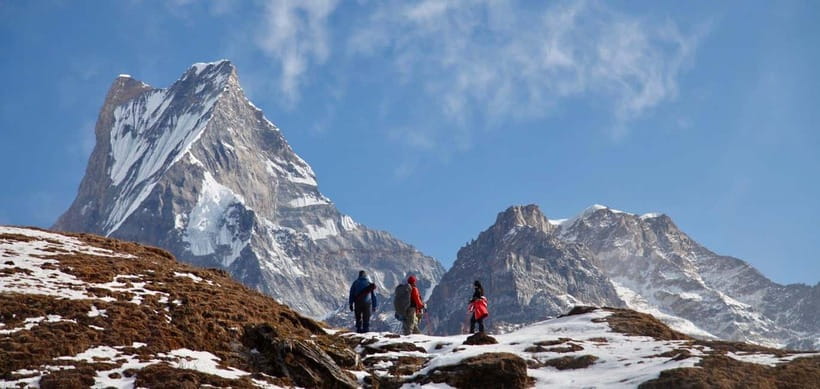
This trek runs for 4 days with an 8:00 am departure from Pokhara. Because it’s private, you’re not stuck waiting for slow walkers or pushed by fast ones. That’s a subtle quality-of-life thing that adds up on the trail.
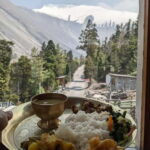
You’ll be walking most days for several hours and sleeping at simple tea houses or lodges along the route. Food is mainly available at tea houses, with the real-world approach of ordering what you want when you get there. If you’re sensitive to meal changes, this is exactly the kind of trek where having a snack strategy for yourself can make mornings and long afternoons feel easier.
And because altitude is part of the game, you should plan for early starts and a slow-and-steady mindset. Day 3 includes a 4:00 am rise for the viewpoint hike, and that’s where mindset matters most. You’re not trying to sprint up a mountain. You’re trying to get to a look-out point while your body is still working with you.
Day 1: Pokhara to Forest Camp (Kande, tea house stop, and rhododendron trails)
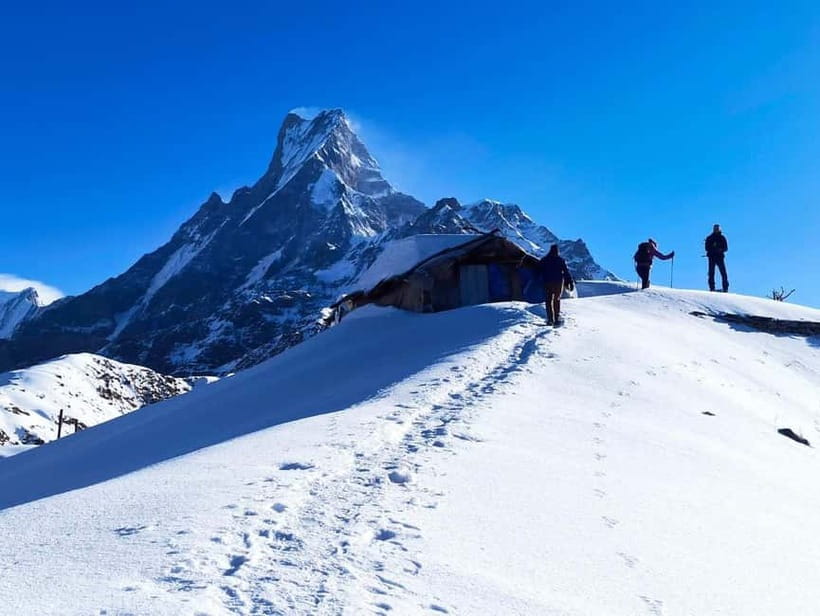
Day 1 starts with a drive of about 1 hour from Pokhara to Kande. Along the way, you’ll pass through fields and dense forest areas, plus a look at the Seti River. It’s a nice lead-in: you’re not immediately climbing a steep wall, and you get a chance to settle in before your first long walk.
You’ll also stop for a midday tea house break. That matters more than it sounds. It’s often your first taste of local hospitality and a chance to grab something warm or filling before you start the main trekking stretch.
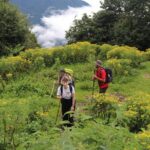
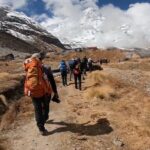
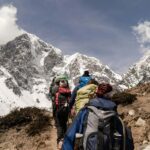
Then you trek for about 5 hours from Kande to Forest Camp at 2,500 m. This is where the Mardi Himal experience begins to feel special: you’re moving through rhododendron forest and deeper, more enclosed terrain. The trail here is scenic in a quiet, lived-in way, not the showy, tourist-bus version of scenery.
Practical takeaway for Day 1: wear comfortable shoes that are already broken in. Forest paths can be uneven, and after a few hours, even small discomfort turns into a distraction. If you’re carrying layers, keep them accessible. Mountain weather can change fast, and Day 1 is often the easiest day to start practicing a simple layering rhythm.
Day 2: Forest Camp to High Camp (the big elevation day)
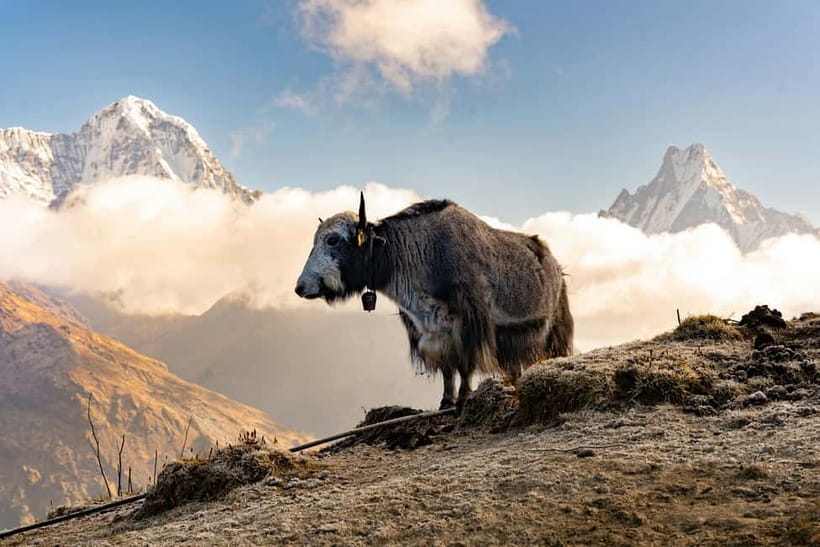
Day 2 is the main climb day. After breakfast at Forest Camp, you’ll trek for about 5 hours to Mardi Himal High Camp at 4,000 m.
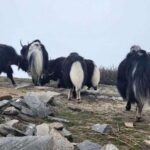
The experience here shifts from forest shade to more exposed mountain feeling as you gain elevation. The route is described as moving through dense jungle, with chances to see exotic wildlife along the way. Even if you don’t spot wildlife, the change in air and the texture of the path tell you you’re getting higher for a reason.
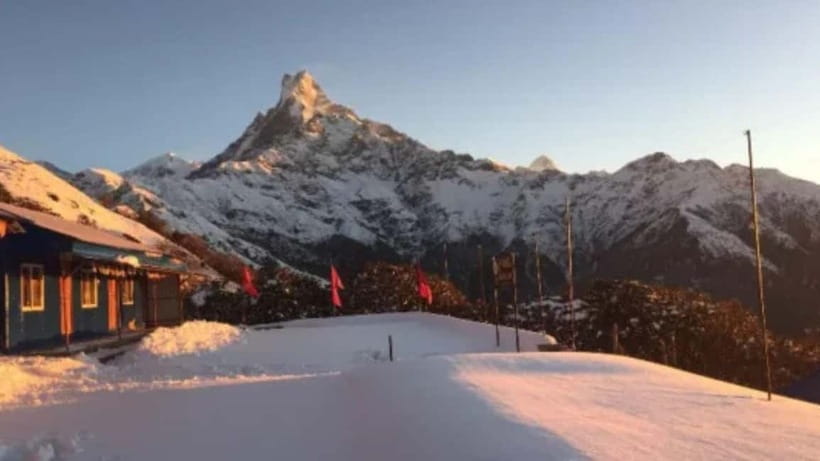
When you arrive at High Camp, you’re in sleep-and-recover mode. High Camp isn’t just a stop; it’s part of the trek’s emotional payoff. This is the night where the mountains start feeling bigger than your camera frame.
Practical takeaway for Day 2: pace yourself like you’re trying to finish happy, not win a personal challenge. At altitude, your legs might feel fine while your breathing says otherwise. Follow your guide’s pace decisions and take breaks before you feel forced to. That’s how you protect your Day 3 viewpoint hike.
Day 3: High Camp to Low Camp via a 4,300 m viewpoint (the dawn gamble)
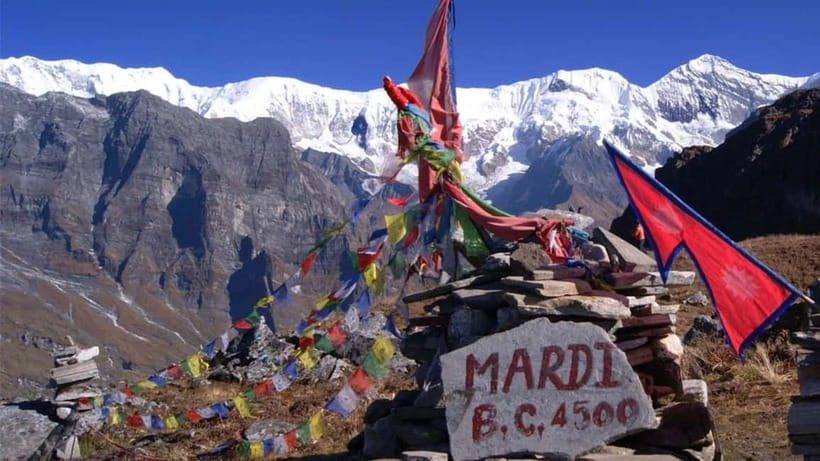
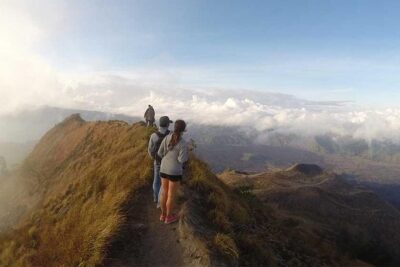
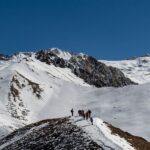
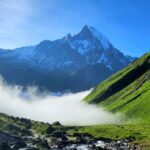
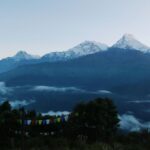
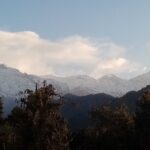
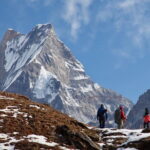
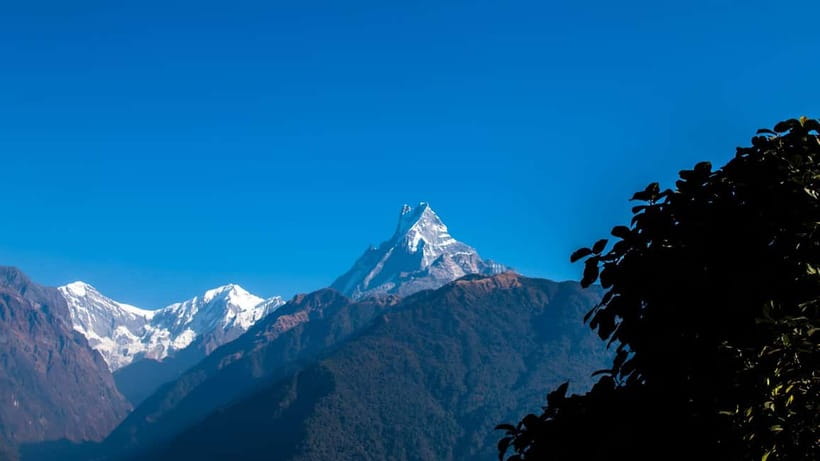
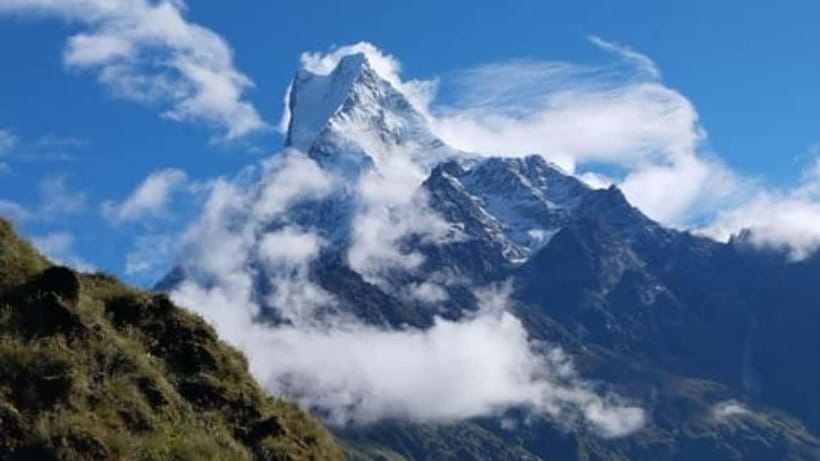
Day 3 starts at 4:00 am. From High Camp, you hike for about 2 hours to a viewpoint at 4,300 m. This is the moment built for mountain panoramas—specifically the chance to see Mt. Fishtail and a broad view across the Annapurna range.
Here’s the honest part: sunrise depends on weather. Clouds can roll in and steal the dramatic lighting, but you can still get strong views and a sense of scale even when the sunrise doesn’t land perfectly. The point is the lookout, not a guarantee of golden light.
After the viewpoint, you return to High Camp for breakfast, then continue down toward Low Camp at 3,000 m. This segment works because it gives you a mental reset. You’re still high, but the trek feels less like a climb and more like relief and transition.
Practical takeaway for Day 3: keep your head and hands warm. A pre-dawn start at altitude often means cold, and cold saps energy. Warm gloves, a hat, and a layer you can pull on quickly are worth their weight.
Day 4: Low Camp to Siding Village, then jeep back to Pokhara (easy ending, big culture moment)
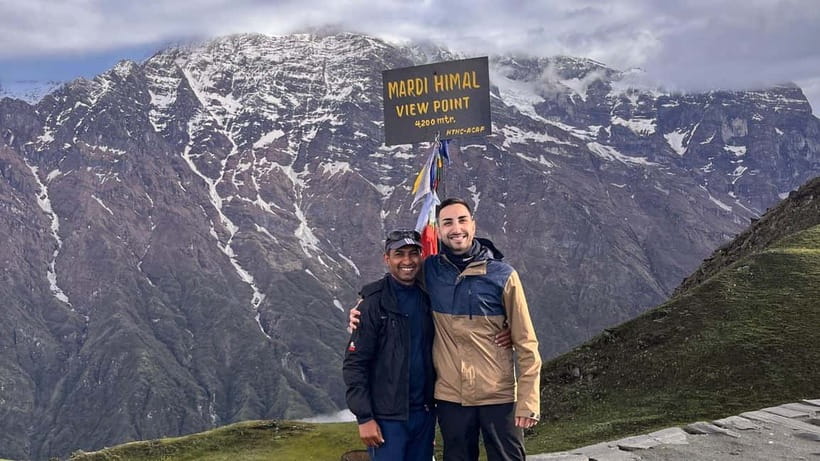
Day 4 starts with breakfast at Low Camp and a descent for about 4 hours down to Siding Village at 1,800 m. The descent is generally the “save your legs” part of the trek, but it’s still walking on uneven terrain, so good shoes and careful footing matter.
Along the way, you’ll get an especially neat natural moment: you can see the Mardi River flowing from the base of Mardi Mountain. It’s a clear reminder that you’re not just chasing views—you’re also tracing how mountain water feeds daily life.
At Siding Village, you get that warm local hospitality feeling. You’ll have lunch there, then continue with a scenic jeep ride back to Pokhara, roughly 2.5 hours.
Practical takeaway for Day 4: treat this like part of the journey, not an afterthought. The jeep helps you finish strong, but you’ll still want water and a snack plan. Once you’re back in Pokhara, you can shift to recovery mode and decide how much city time you want.
Tea Houses, Meals, and the Real Cost of Comfort
Accommodation is simple tea houses or lodges along the route, which is part of what keeps a trek like this doable for more budgets. Tea houses also give you flexibility, because you can generally choose what to order as you go.
One important value warning: if you see a meal-included upgrade, don’t assume it’s a bargain. A birthday story from a recent trek notes that tea houses can make something special when you ask, and it also points out that a meal-included option can be wildly overpriced if you would have ordered normal tea house meals anyway.
So here’s my practical advice: budget for meals like you’re trekking independently, then use the included parts (guides, permits, lodging) as the true value. If you want a cake moment, ask at the tea house. It’s more likely to happen when you’re dealing directly with the place where you’re staying.
Price: What $154 Covers (and How to Judge If It’s a Good Deal)
At $154 per person for a 4-day private Mardi Himal trek, you’re paying for the essentials that add up fast in Nepal: permits paperwork and fees, a trekking guide, and the logistics that keep you from dealing with route details alone.
In particular, the price structure includes:
- Round-trip transport between your hotel, Pokhara International Airport, and the trek starting point
- Trekking permits, TIMS fees, and required paperwork
- Tea house/lodge accommodation along the route
- A certified trekking guide (with guide expenses covered)
- Luggage storage in Pokhara
- Trekking gear like trekking sticks and sleeping bags as needed
- A first aid kit
What’s not included is equally important:
- Travel insurance (mandatory)
- Personal snacks and beverages
- Emergency rescue services
- Optional porter (if needed) at $20 per day
How I’d judge value: if you compare the total of permits + a guide + the practical transport and lodging coordination, $154 can make sense, especially because this is private. If you’re the type who can handle planning and knows permits, you might find cheaper self-organized options elsewhere, but you’d also take on the uncertainty. For most people, removing uncertainty is the deal.
Who This Trek Suits Best (and Who Should Skip It)
This is not a push for beginners. It’s a trek with steep, uneven trails and real altitude risk. It’s also explicitly not suitable for:
- Children under 8
- Pregnant women
- People with mobility impairments
- People with low level of fitness
- People over 70
If you’re in the “I walk regularly and I’m comfortable with hills” group, this can be a great match. The private guide helps because you can match the pace to your fitness level rather than letting the group tempo dictate your comfort.
Also, if you care about getting real Himalayan views quickly, Mardi Himal in 4 days is a strong choice. The route design gives you forest charm early, big altitude drama in the middle, and a clean finish back in Pokhara.
What to Bring (So You Don’t Rethink Your Life at 4:00 am)
The essentials listed are solid. Bring:
- Passport or ID card
- Comfortable shoes and hiking shoes
- Hiking pants and comfortable clothes
- Change of clothes
- Camera, and a waterproof camera option
- Hand sanitizer or tissues
- Cash
- Travel insurance paperwork
Then treat altitude like a packing requirement, not a theory:
- You may want layers for the cold pre-dawn viewpoint
- Keep your warm items accessible, not buried
If you’re unsure what you personally need, ask your guide ahead of time. Since the tour mentions trekking sticks and sleeping bags as needed, you can likely travel lighter than you would on a totally self-booked trek.
Permits: The One Step You Can’t Forget
You’ll need permits for Nepal, and the process requires a copy of your passport. You should submit a copy a day prior to obtain the permits.
This matters because forgetting it can delay paperwork and slow your start. If your travel documents are not ready, handle that immediately after you confirm your booking.
Final Verdict: Should You Book This Mardi Himal Trek?
If you want a short, high-reward trek from Pokhara with a private guide and organized permits, this is a strong pick. I like that the schedule is structured around the best view window—especially the 4:00 am viewpoint hike—and you finish with a practical jeep ride back to the city.
Book it if:
- You’re fit enough for steep, uneven trails and altitude attention
- You want a private pace with a guide who knows the route
- You’re okay with simple tea house stays
Think twice if:
- You hate early mornings or you’re not willing to accept clouds might change sunrise plans
- You’re tempted by a meal-included upgrade that you might not actually need—often tea house ordering is the smarter move
- You’re in any of the groups this trek says is not suitable for
If you tell me your fitness level and whether you’re doing this in the colder or warmer season, I can help you plan what to prioritize on the packing list and how to pace the climb.
FAQ
How long is the Mardi Himal trek?
It’s a 4-day trek from Pokhara, with guided walking and overnight stays in tea houses or lodges along the route.
What time does the trek start each morning?
Day 1 departs Pokhara at 8:00 am. Day 3 includes an early rise at 4:00 am for the viewpoint hike.
How high do you go during the trek?
You reach High Camp at 4,000 m. On Day 3, you hike to a viewpoint at 4,300 m.
Where does the trek start and end?
It starts from Pokhara with travel to Kande, then you trek through the camps. The trek ends when you reach Siding Village and take a jeep ride back to Pokhara.
Are permits included, and do I need to send my passport?
Permits, necessary paperwork, and TIMS fees are included. You should submit a copy of your passport a day prior to obtain the permits.
Is this trek private?
Yes, it’s a private group trek with a live guide.
What language does the guide speak?
The live tour guide speaks English, Hindi, and Nepali.
Is a porter included, and what about travel insurance?
A porter is not included. If needed, a porter costs $20 per day. Travel insurance is not included and is mandatory.