REVIEW · KATHMANDU
Mohare Danda Trek
Book on Viator →Operated by Trekking Trail Nepal · Bookable on Viator
Sunrise over 42 peaks sounds unreal. The Mohare Danda Trek is built around big mountain views (up to 42 peaks, including Annapurna, Dhaulagiri, and Manaslu) and a women-first community model that channels your trek fees into education, economy, and rural development. I also like that the trail is designed as a new, easy, short, peaceful circuit, so you spend more time walking through real villages and fewer hours thinking about logistics.
One thing to plan around: the route can include stone stairs, and if you have joint problems or trouble going downhill, you need to flag that early so the team can suggest an easier line.
In This Review
- Key highlights worth your attention
- Why Mohare Danda feels different from the usual Nepal treks
- Getting there: Kathmandu to Pokhara and then Beni Bazaar
- Your first trekking days: Ramche, Nagi Village, and the approach to Mohare Danda
- Mohare Community Lodge and the 3,313-meter sunrise moment
- Tikot (Magar settlement) to Baseri/Basari: culture with a view
- Lodging, safety support, and the gear that saves your trip
- Meals and pacing: how the schedule actually feels
- Price and value: is $799 fair for what you get?
- Guides, organization, and how support shows up on the trail
- Who should book Mohare Danda (and who should plan differently)
- Should you book Mohare Danda Trek?
- FAQ
- How much is the Mohare Danda Trek?
- How long is the trek?
- What is the highest elevation on this trek?
- What does the trip include for meals?
- Does the price include permits and documentation?
- What trekking gear is provided?
- What about transportation—do you get to the trail via road?
- What happens if the weather is poor?
Key highlights worth your attention
- Women empowerment with community welfare: your trek support links to education, economy, and rural development.
- Up to 42 peaks from the high point: with named 8000-meter giants in the view list—Annapurna, Dhaulagiri, and Manaslu.
- Community lodge experience at 3,313 meters: Mohare Community Lodge is the altitude moment, with sunrise Himalayan views.
- Small groups (max 11): less crowding, more time with your guide and the places you pass.
- Safety and altitude support included: oxygen monitor, first-aid kit, plus a sleeping bag and down jacket for Mohare Danda.
- Culture stops in Magar villages: you walk through places like Nagi, Tikot (a Magar settlement), and Baseri/Basari.
Why Mohare Danda feels different from the usual Nepal treks
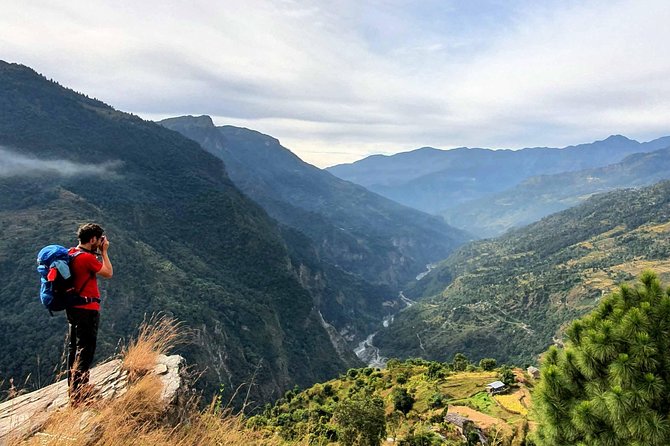
If you have done a classic teahouse trek before, Mohare Danda gives you a different reason to care. This route is explicitly tied to community welfare, with a focus on women empowerment through education and rural development. In practice, that means the trek isn’t just about your photos. It’s about the local economy around the trail—how guides, porters, and community services stay working.
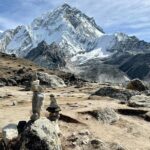
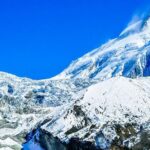
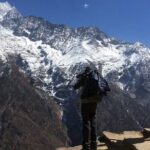
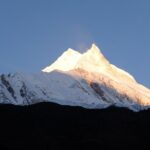
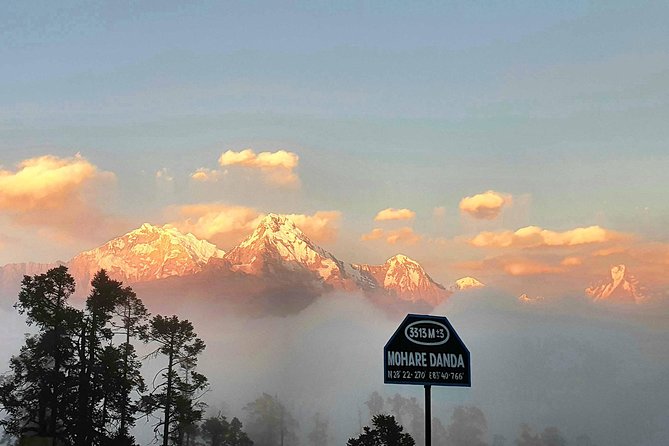
The other reason it feels special is the view claim. You’re aiming for Mohare Danda at 3,313 meters, and the promise is a wide sweep—up to 42 peaks visible on clear days, including Annapurna, Dhaulagiri, and Manaslu. That kind of sky-and-summit payoff is why people put Mohare Danda on the shortlist instead of choosing a more famous high-altitude alternative.
And I like that the trail is positioned as new, easy, short, and peaceful. You still get village life and mountain scenery, but the pacing is built for travelers who want the Himalayas without signing up for a suffering test.
You can also read our reviews of more tours and experiences in Kathmandu.
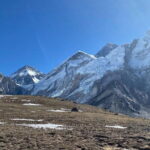
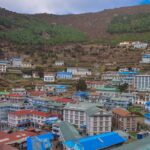
Getting there: Kathmandu to Pokhara and then Beni Bazaar
The trek is wrapped in real Nepal road travel, which you should treat as part of the experience, not a delay. Day 1 is all about landing in Kathmandu (Tribhuvan International Airport) and meeting your representative, with time set aside around Thamel. Day 2 shifts you west to Pokhara via the Prithivi Highway—about 200 km and roughly 6–7 hours on the road.
On Day 2 there’s also a stop at Phewa Tal, which is the kind of quick orientation that helps you “switch into travel mode” fast. Even if you don’t plan to do a deep dive on sightseeing, that stop breaks up the long drive and gives you a sense of where you are in Nepal’s geography.
Day 3 is your transition day. You start trekking from Beni Bazaar, but first you reach it via road from Pokhara, around 4 hours of driving. This is a smart structure: it gets you on the trail without wasting the whole day in transit. It also means you’ll feel the trek more when it actually begins.
Your first trekking days: Ramche, Nagi Village, and the approach to Mohare Danda
Once Day 3 starts the trek, you’re in the rhythm: short segments, village scenery, and frequent reasons to pause. The Day 4 walk heads toward Nagi Village and passes through Ramche along the way, with the emphasis on both pristine nature and culture. It’s scheduled at around 3 hours, so you can treat it like a warm-up that still feels meaningful.
Then Day 5 turns into the push toward the destination area. You trek to the Mohare Danda destination spot starting after breakfast at Nagi, with an estimated 4–6 hours of walking. This is the day where you’ll likely notice the trail’s character: the community path is active, and you’re not just passing through—people live here year-round.
A practical thought: because the trip uses community areas and smaller routes, your pace matters. If you feel the day getting long, slow down early rather than trying to “save energy” at the end. On treks like this, steady movement tends to feel easier than speed.
Mohare Community Lodge and the 3,313-meter sunrise moment
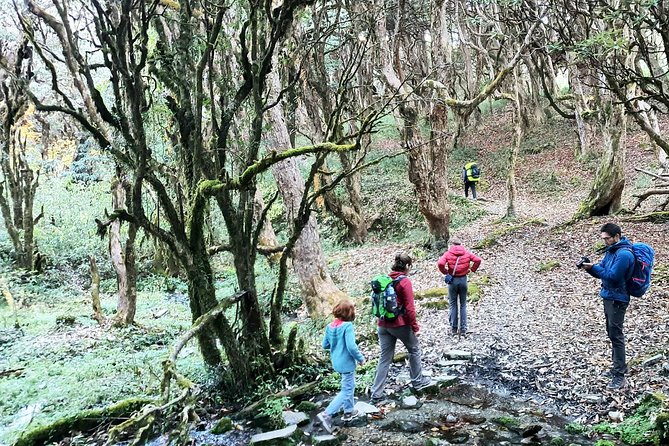
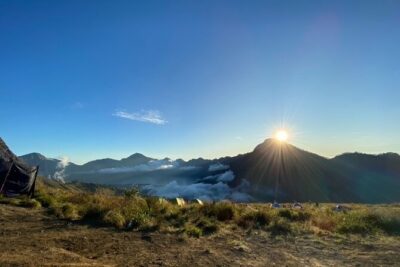
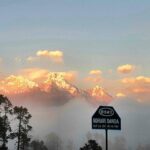
Day 6 is the altitude highlight: you reach Mohare Community Lodge at 3,313 meters. The schedule is built around the big payoff—sunrise and Himalayan views—and this is where the trek’s purpose becomes very real.
This is also where the included gear becomes more than a checkbox. The trip provides a sleeping bag and a down jacket for Mohare Danda, plus an oxygen monitor and a first-aid medical kit. Whether you’re sensitive to cold or just want to sleep comfortably after a long day, having these pieces handled for you reduces stress.
One more helpful detail: the itinerary frames Day 6 as a long day (it lists a much longer time window), which usually means you’ll have time to settle in, enjoy the view, and manage your body rather than sprinting from one photo spot to the next.
Tikot (Magar settlement) to Baseri/Basari: culture with a view
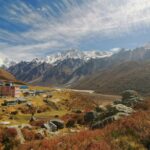
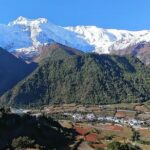
After the Mohare high point, Day 7 shifts back to village texture. You trek to Tikot Village, described as a beautiful ethnic Magar settlement. Along the way you pass viewpoints tied to places like Thula Kharka and Sikha Danda, with time for photos and scenery breaks.
The walk is listed at around 10 hours, so don’t treat this as a quick ramble. Still, it’s a good kind of day: you’ll have a clear sense of progress (village to viewpoint to village) instead of feeling like you’re grinding along a featureless trail.
Day 8 is your last trekking day, walking to Basari/Baseri. This matters for how you plan your energy. By this point you’ve already had the sunrise and the main view moment, so this final day often feels more like closing the loop—still outdoors, but with a lighter emotional load.
Lodging, safety support, and the gear that saves your trip
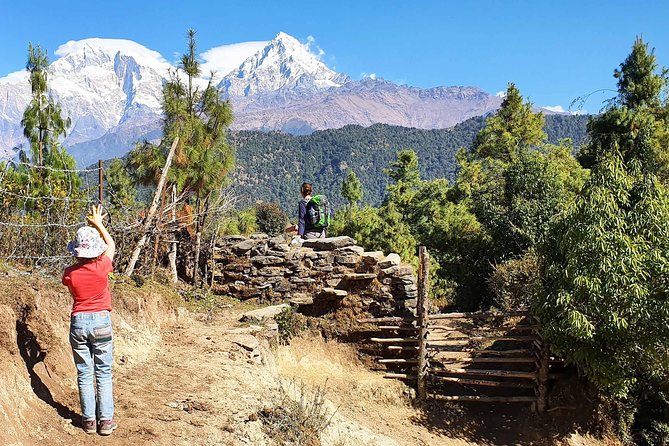
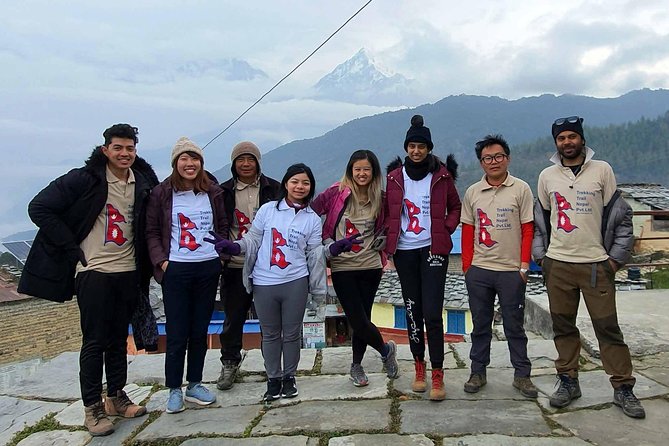
This trek’s practical strength is what it includes. You get Mohare Danda Trekking guide and porters, along with their wages, insurance, and gears. You also get all required permits and documentation, plus a certification of achievement after completion. That last one may sound small, but it’s a nice souvenir when you’re done—especially on a trek that has a strong community mission.
Safety pieces are also part of the package: first aid medical kit and oxygen monitor. You’re not just being sold a view—you’re being sold a managed mountain experience.
And for the cold, the provided gear is key: a sleeping bag and down jacket for Mohare Danda. If you’ve ever regretted carrying the wrong layer weight, you’ll appreciate not having to solve that problem yourself.
Finally, the trip includes a short visit of Baglung High Bridge and its entry fees. It’s not the main event, but it gives you a fun change of pace between trekking days and road days.
Meals and pacing: how the schedule actually feels
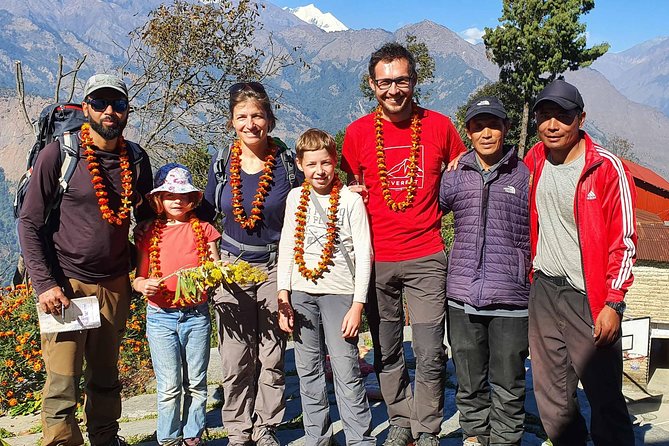
The trip includes a lot of food, which affects how light you travel. You get 9 breakfasts, 6 lunches, and 5 dinners. That’s not just comfort—it helps you keep your energy steady so you’re not stuck searching for meals during long segments.
Still, you’ll want to plan for the extras yourself. Drinking water, bar bills, snacks, and personal items are not included, and lunches and dinners in Kathmandu and Pokhara aren’t included either. Translation: you’ll have freedom to choose, but you should budget for it.
In terms of timing, there are big road days too:
- Kathmandu to Pokhara: about 6–7 hours
- Pokhara to Beni Bazaar: about 4 hours
- Pokhara back to Kathmandu: about 7 hours
So if you love walking more than riding, you might feel those road hours. If you treat them like a necessary bridge and bring patience (and something to pass time), the overall structure works.
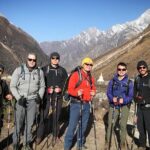
Also, your group size is capped at 11 travelers, which usually makes the trek feel less chaotic. It’s easier for your guide to manage questions, pace adjustments, and the small timing shifts that come up on real trails.
Price and value: is $799 fair for what you get?
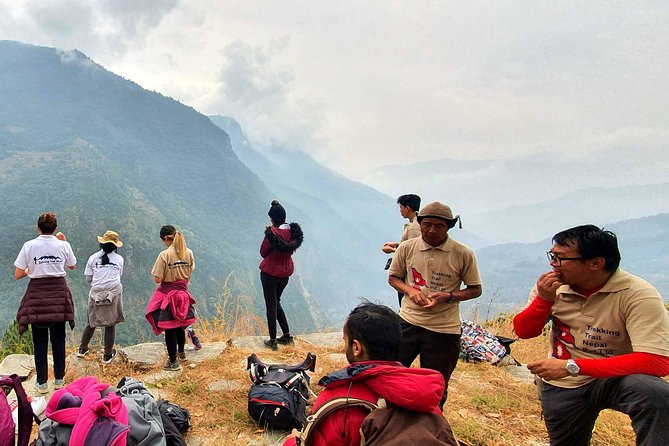
At $799 per person, this trek sits in the mid-range for a 10-day Nepal experience, but the value comes from what’s bundled.
Here’s what you’re getting that many cheaper trekking packages often leave for you to manage:
- Guides and porters with insurance and gear
- Permits and documentation handled for you
- Meals across multiple days (breakfasts, lunches, dinners)
- Altitude gear support (sleeping bag and down jacket for Mohare Danda)
- Safety tools (first-aid kit and oxygen monitor)
- All ground transportation best available
- A free trekking map
- Trekking duffle bag provided
- Baglung High Bridge entry included
- A certificate after completion
You’re also not paying extra for common add-ons that add up fast on trek packages: the trip includes documentation and transportation, and it offers features like pickup and a mobile ticket. It also notes group discounts, which can help if you’re traveling with friends.
What you should expect to pay on your own:
- Tips and gratuities for guide and porter
- Drinking water, snacks, and personal bills
- Food in Kathmandu and Pokhara not listed as included
If you budget those items, the $799 fee looks more like a managed service than just a trail ticket. The community mission is part of the value too. You’re paying for a route where your money supports education and women empowerment rather than only paying for logistics.
Guides, organization, and how support shows up on the trail
Good organization is often hard to “see” until you need it. The feedback around this trekking outfit repeatedly points to professional guidance and help when things shift.
On Mohare Danda routes specifically, you’ll often be guided by Apar, with support from team members such as Ashishm, Lokendra, and Joyendra. That kind of multi-person crew matters because it usually means smoother pacing, more attention to safety, and more responsive help if a day feels too long or too cold.
One of the most praised elements in the Mohare Danda experience is simple but important: advice for mountain behavior and safety. That translates into fewer surprises—how to handle your movement, where to pay attention, and how to stay calm during changing mountain conditions.
Another strongly positive theme is the human side: people connecting with villagers and the warm hospitality they show. You get that through the village-based routing: you’re not only moving between elevations, you’re walking through daily-life communities like Tikot and the stopping points that feed into Basari/Baseri.
Who should book Mohare Danda (and who should plan differently)
This trek is best for you if:
- You want Himalaya views without a long, punishing high-altitude slog
- You care about where your money goes—education, economy, and women empowerment
- You like village travel with a cultural center in the Magar community areas
- You appreciate having a team handle permits, transport, and key gear
It might be a mismatch if:
- You have serious trouble with downhill stone stairs and you didn’t plan to flag it early
- You strongly prefer a more famous, large-scale route with lots of frequent hotel-style services (this is more community-based and trail-focused)
One helpful option: the trip explicitly says that if you have joint issues or difficulty with downhill stone stairs, tell the team. They’ll assist you with a better, easier route.
Also, service animals are allowed. That’s useful for some travelers, and it’s rare enough to mention.
Should you book Mohare Danda Trek?
You should book if you want a trek where the views are a main event, but the mission is also the point. The combination of sunrise at Mohare Community Lodge, the wide multi-peak view promise, and a structure that supports women empowerment and community welfare makes this feel more purposeful than a standard summit quest.
Skip it (or ask more questions) if you want a fully flat, low-step route or if you expect zero road travel. You’ll ride for hours on both ends and on transfer days, and you should be ready for stairs at times.
My practical advice: ask your organizer early how your pace and any joint limitations will be handled on the downhill sections, and confirm exactly what you should bring versus what’s provided. With that clarity, Mohare Danda is the kind of trip that leaves you feeling proud for the right reasons.
FAQ
How much is the Mohare Danda Trek?
The price is $799.00 per person.
How long is the trek?
It’s listed as 10 days, approximately.
What is the highest elevation on this trek?
The highest elevation mentioned is 3,313 meters at Mohare Community Lodge.
What does the trip include for meals?
Breakfast is included 9 times, lunch is included 6 times, and dinner is included 5 times.
Does the price include permits and documentation?
Yes. All required trekking permits and documentation are included.
What trekking gear is provided?
The trip includes a sleeping bag and a down jacket for Mohare Danda, plus an oxygen monitor and a first-aid medical kit.
What about transportation—do you get to the trail via road?
Yes. All ground transportation is included, including travel from Kathmandu to Pokhara and back, plus getting to the trek start area from Pokhara.
What happens if the weather is poor?
This experience requires good weather. If it’s canceled due to poor weather, you’ll be offered a different date or a full refund.