REVIEW · MARRAKESH
Marrakech: 3-Day Atlas Mountains Berber Villages Trek
Book on GetYourGuide →Operated by Marrakech Day Trips - Tours · Bookable on GetYourGuide
You trade traffic for mountain air fast. This 3-day High Atlas trek from Imlil strings together Berber village life and big-view hiking without technical mountaineering. You’ll walk between valleys, cross high passes, and sleep in family guesthouses where hospitality is part of the rhythm.
I especially like the way the days are paced for real exploring: passes, waterfalls, and village stops come with meals and overnight stays built in. One caution: this is still 5–7 hours of walking with steep bits and altitude up to 2,500m, so you’ll want solid hiking shoes and a calm, steady pace.
In This Review
- Key highlights worth your attention
- Why a 3-Day Atlas Trek Beats One More Day in Marrakech
- Getting From Marrakech to Imlil: Transfers and First Mountain Air
- Day 1: Imlil to Tizi n’Tamaterte Pass, Then Tachdirt or Tinghourine
- Day 2: Village Hops via Oudit Pass, With an Optional Hamam at Ait Aissa
- Day 3: Azib Tamsoulte Waterfalls, Then the Mzik Pass (2,500m) Back to Imlil
- Food, Family Guesthouses, and the Mule Bag Trick
- Guides Matter: Licensed Local Experts Who Explain What You’re Seeing
- Difficulty, Altitude, and What to Pack for Comfort
- Price and Value: Is $159 a Good Deal for the High Atlas?
- Who This Trek Fits Best (and Who Should Skip It)
- Should You Book This Marrakech Atlas Mountains Berber Villages Trek?
- FAQ
- How long is the trek, and how many hours do you walk each day?
- What is included in the price?
- Do I need mountaineering experience?
- What altitude should I expect?
- What languages are guides available in?
- What should I bring for the hike?
- Is weather a factor?
Key highlights worth your attention
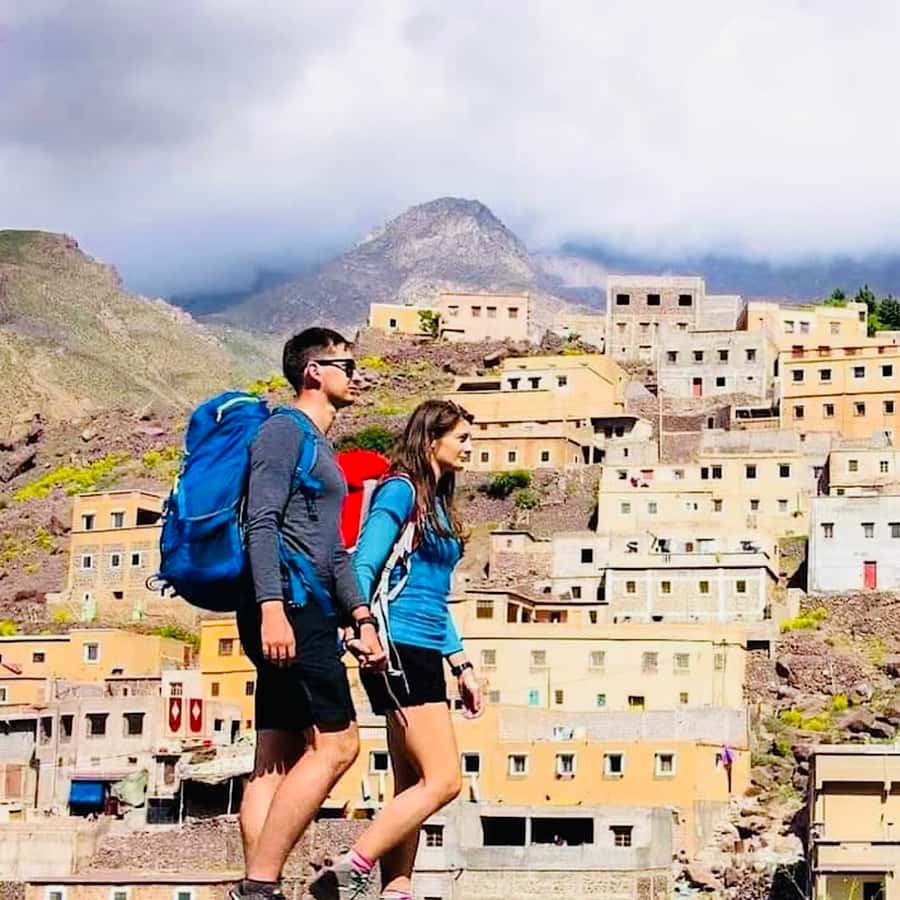
- Small-group feel (up to 16 people) makes it easier for your guide to keep tabs on everyone’s pace.
- Village-first route focuses on daily life, not summit-chasing.
- Three high-Atlas valleys and multiple passes keep the scenery changing all day.
- Waterfall stop at Azib Tamsoulte gives you a memorable payoff on Day 3.
- Family guesthouses and included meals mean you’re not constantly figuring out food logistics.
- Mule support for extra bags keeps your hike more comfortable than you might expect.
Why a 3-Day Atlas Trek Beats One More Day in Marrakech
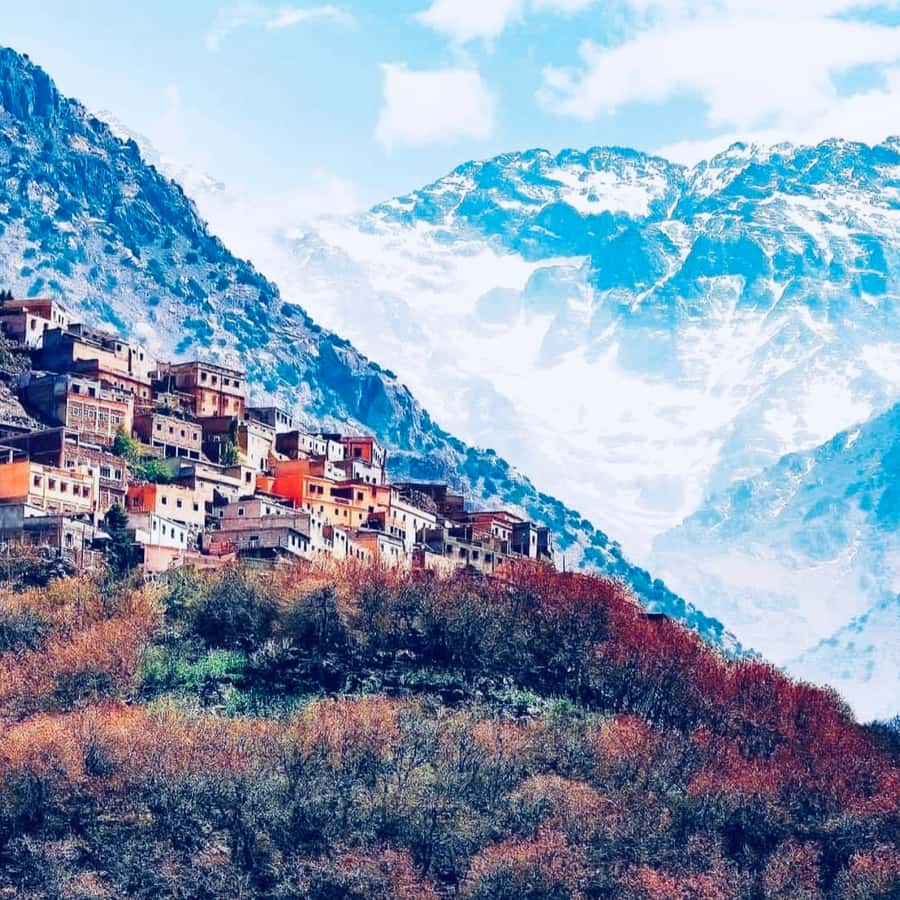
Marrakech is fun, but after a day or two you start craving a slower clock. This trek is built for that change. You’re away from TV, news, and city noise, and the mountains run the show instead.
The big value of three days (instead of a quick day trip) is depth. You don’t just “see” villages from a distance—you spend nights where people actually live. That extra time also gives your guide room to explain how daily life ties to the seasons, the terrain, and the valleys you’re walking through.
There’s also a practical advantage: you’re not rushing between the most photogenic viewpoints. You’re hiking to them at a human pace, with breaks at river banks and lunch stops timed to the passes.
Getting From Marrakech to Imlil: Transfers and First Mountain Air
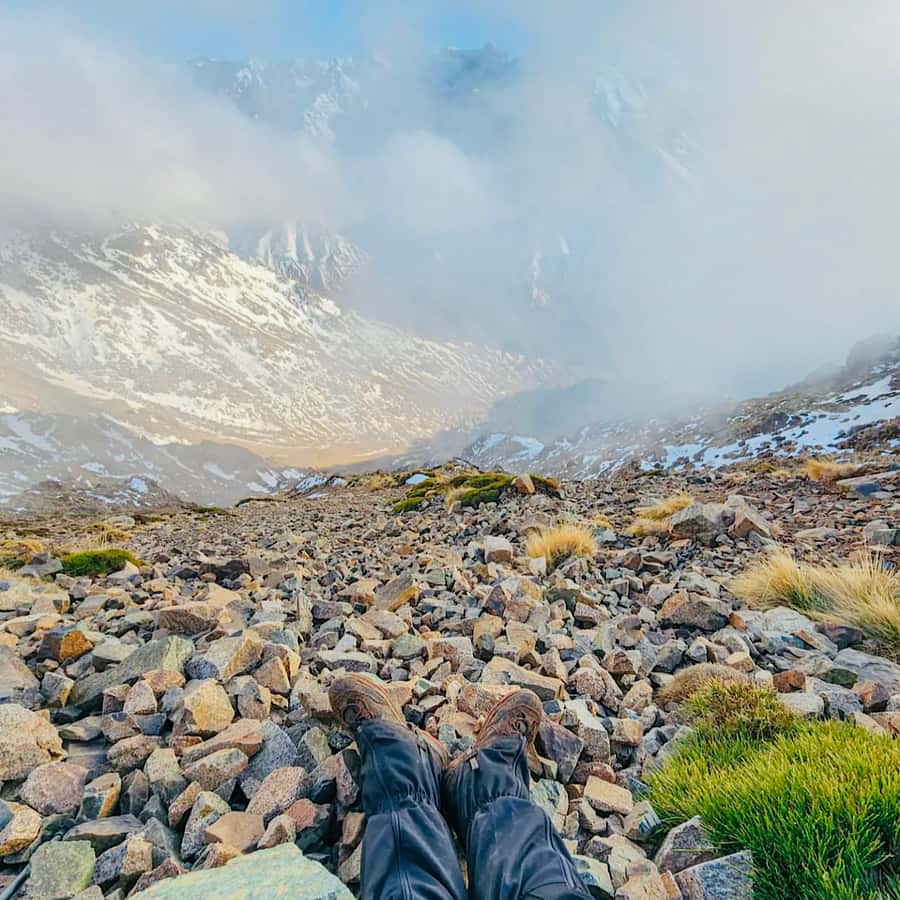
Most treks start with a scramble. This one starts with an actual handoff. You get hotel pickup and drop-off from Marrakech, and if you’re staying in a riad in the medina (where cars can’t reach), you’ll get a WhatsApp or email message 24 hours ahead to confirm the meeting point.
Then it’s on to Imlil, which sits around 1,740m. Even though you’re only starting your walking days from there, you feel it: the air is cooler, the view opens sooner, and you start to understand why people plan their lives around these elevations.
The good news is the trek itself doesn’t require technical skills. Your guide helps set expectations from the start, and there’s mule support so you can travel lighter.
Day 1: Imlil to Tizi n’Tamaterte Pass, Then Tachdirt or Tinghourine
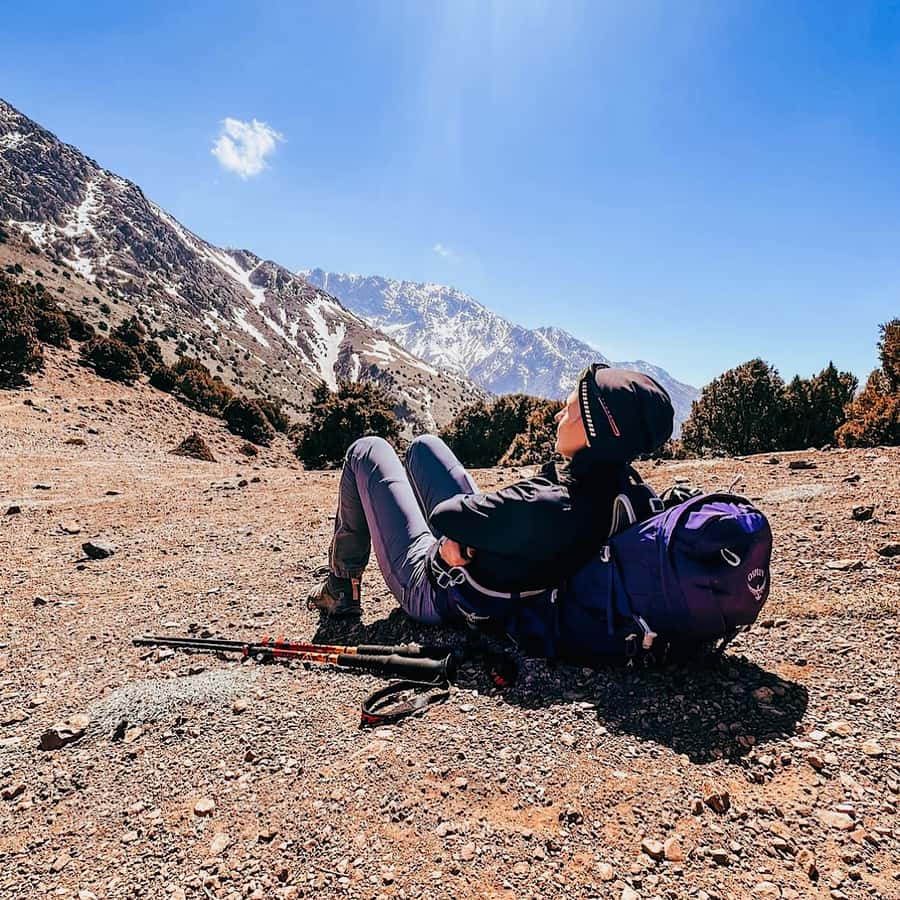
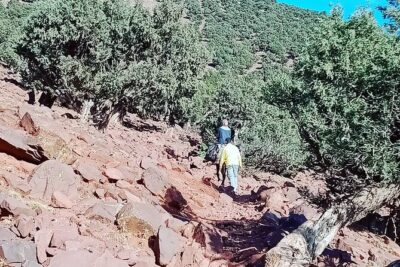
Day 1 is typically 5–6 hours of walking, and it’s a classic “warm-up with real payoff” day. You begin in Imlil (1,740m) and climb toward Tizi n’Tamaterte (~2,300m). The ascent is noticeable, but the route is designed to be manageable without mountaineering experience.
On the pass, you stop for lunch. That matters more than it sounds. Eating at altitude gives you energy for the next stretch and avoids the late-day hunt for food. Then you head onward to Tachdirt (also listed as Tinghourine) for the first overnight in a guesthouse.
What you’ll feel on Day 1 is the mix of effort and reward: simple village architecture, terraced surroundings, and those “you can see for miles” moments that keep happening as the valley opens. Reviews often emphasize that the guide’s explanations make this day land emotionally, not just physically.
Tip: this is a day for steady breathing. Don’t race the uphill pace. Let your body adjust and keep your focus on the next bend, not the next hour.
Day 2: Village Hops via Oudit Pass, With an Optional Hamam at Ait Aissa
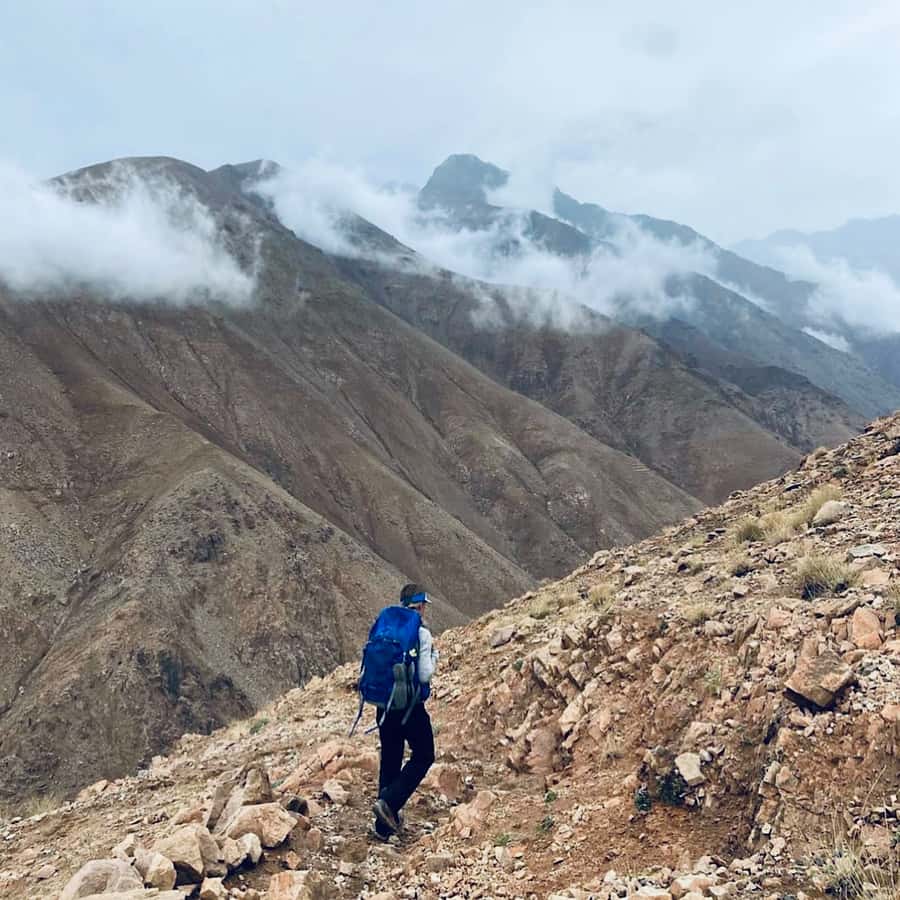
Day 2 runs 6–7 hours, and it’s the most “connect-the-dots” day for village life. You start from Tinghourin or Tachdirt, then move to Ikkis, Aguersiwal (~2,100m), and onward to Matat before reaching Ait Aissa.
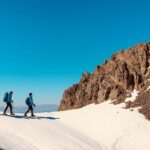
The route includes time around the Oudit Pass (~2,200m). Pass days are where you get those dramatic, high-contrast views: deep valleys below, mountains rising in layers, and weather that can shift quickly from sun to cloud.
By evening, you’ll settle in at Ait Aissa, staying in a gite. If you want to loosen up, there’s a steam bath (hamam) option. This is one of those “small detail, big relief” perks after a day of steep walking.
Drawback on Day 2: it can feel long if you’re not used to mountain descents. Descents can be harder on the knees than the climbs are on your lungs. Your best strategy is short steps and frequent pauses—no heroics.
Day 3: Azib Tamsoulte Waterfalls, Then the Mzik Pass (2,500m) Back to Imlil
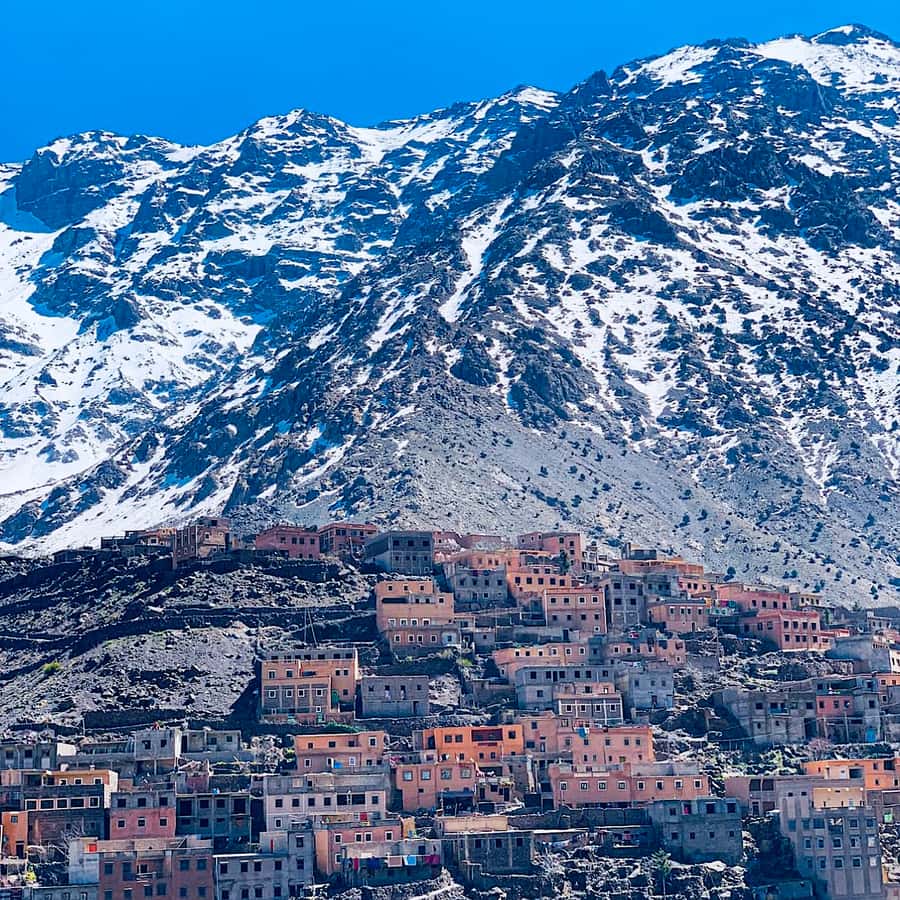
Day 3 is about payoff. It starts with a visit to the waterfall area in the Toubkal National Park region, with the specific highlight pointing to Azib Tamsoulte. Even if you’ve seen waterfalls before, this one tends to feel different because you’ve already earned it with two days of walking.
After the waterfall stop, you switch back into ridge-and-valley mode and head over the Mzik pass (~2,500m). From there, you get fantastic views over the Ait Mizan valley. You’ll have lunch in Mzzik, then trek down toward Imlil.
The day’s walking time is around 6 hours, and once you finish, your transfer back to Marrakech begins. It’s a full day, but you’re unlikely to feel cheated because the route ends with a real scene, not just another downhill slog.
Food, Family Guesthouses, and the Mule Bag Trick
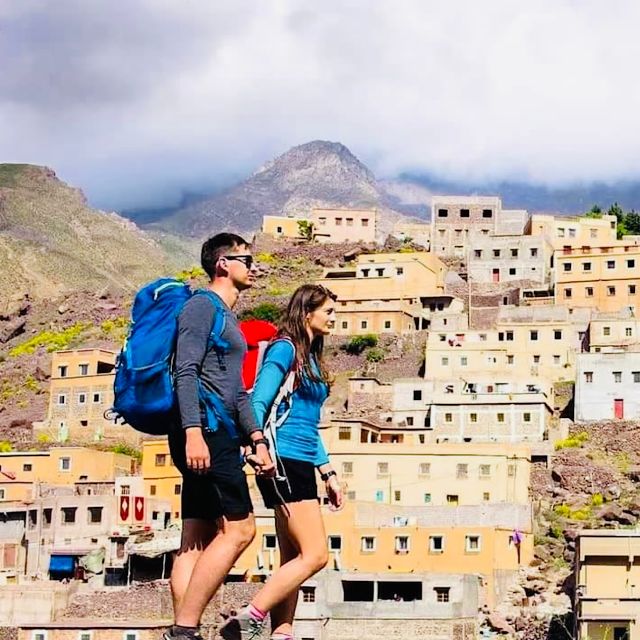
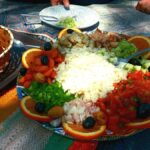
One of the smartest parts of this trek is how it removes daily decisions from your plate. All meals are included, and you stay overnight in family guesthouses. That means you’re not trying to guess what’s open, what’s cooked fresh, or whether there’s a vegetarian option.
In practice, this trip leans into Moroccan comfort food and whatever the household is good at making. Multiple guides and cooks get credited for food quality, and the overall pattern is clear: the meals are a major part of why people feel cared for.
Then there’s the mule. You can hike with a lighter daypack, while extra bags are carried to the next accommodation. This changes the whole experience. Instead of feeling like you’re lugging your life up a pass, you’re just hiking.
Sleep-wise, think basic, clean, and in beautiful locations. You’re in rural areas, so amenities won’t look like a city hotel. But the tradeoff is worth it if you want the real rhythm of mountain life.
Practical add-ons I’d bring based on real advice: a quick-dry towel and some loo roll. Small items prevent small annoyances.
Guides Matter: Licensed Local Experts Who Explain What You’re Seeing
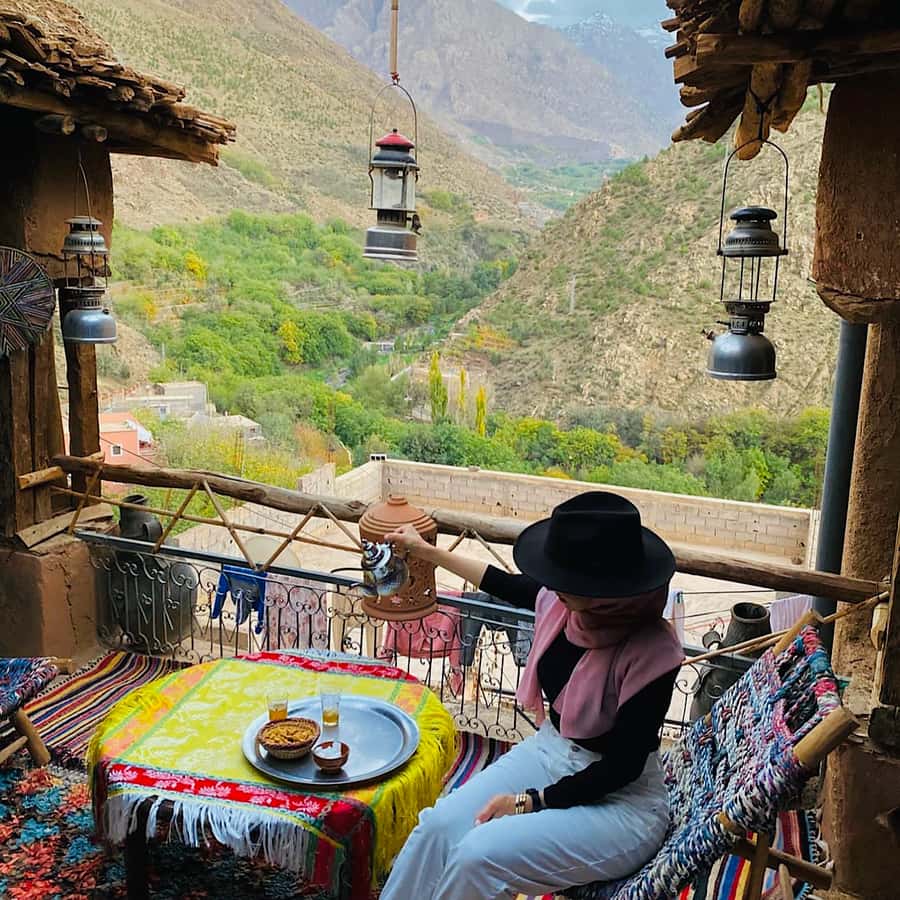
If you take one thing from this trek, it’s this: your guide shapes how you understand the villages. The best ones don’t just lead—they connect dots between terrain and tradition.
The names that keep coming up include Mohamed, Abdul, Hussein, Ismail, Mustapha, Ibrahim, and Mustafa (with cooks like Ibrahim and Brahim also praised). In the standout experiences, guides explained village history and how lifestyles have shifted over time, plus they stayed attentive to how everyone was doing on the trail.
Language coverage is a real benefit here. You can get a guide speaking Arabic, French, Dutch, English, Spanish, or German, which matters for understanding village conversations and trail guidance.
Safety also shows up in reviews. Guides help keep the group together through steep accents and descents, and they set a pace that feels safe, not frantic.
Difficulty, Altitude, and What to Pack for Comfort
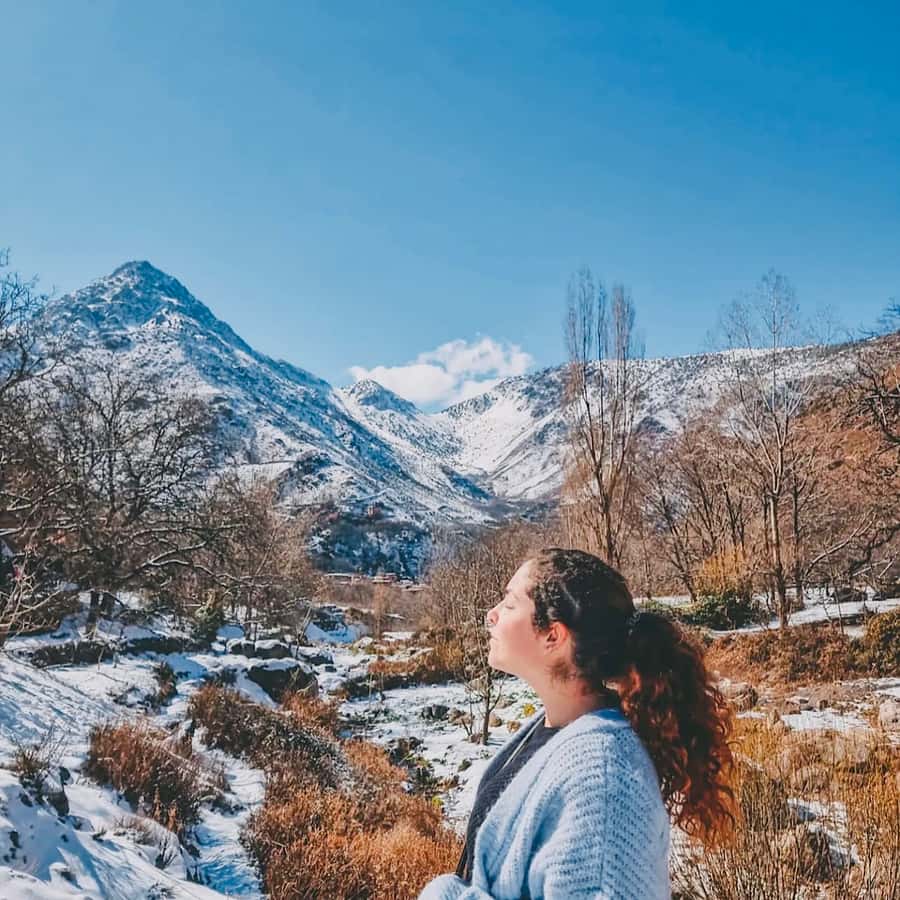
This trek is described as not technically difficult and it’s meant for hikers without mountaineering experience. That said, it’s still a mountain trek.
Most of your walking happens around 2,000m, with passes reaching about 2,300m, 2,200m, and 2,500m. Altitude can affect you even if you’re fit. Your best bet is a slow start, water discipline, and breathable layers.
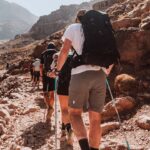
Walking time across the three days is roughly 5–6 hours, 6–7 hours, and 6 hours. The total effort adds up, especially on Day 2 and Day 3. Steep uphills and downhills are part of the deal, so plan on using trekking poles if you have them.
What to bring (from the practical kit list):
- Passport
- Comfortable shoes (and ideally proper hiking footwear)
- Hiking shoes
- Hiking pants
- Camera
Personal upgrades that help a lot:
- Quick-dry towel and loo roll
- A small dry bag for your essentials
- A light layer for cool mornings at higher altitude
- Weather awareness: check conditions before you go
Price and Value: Is $159 a Good Deal for the High Atlas?
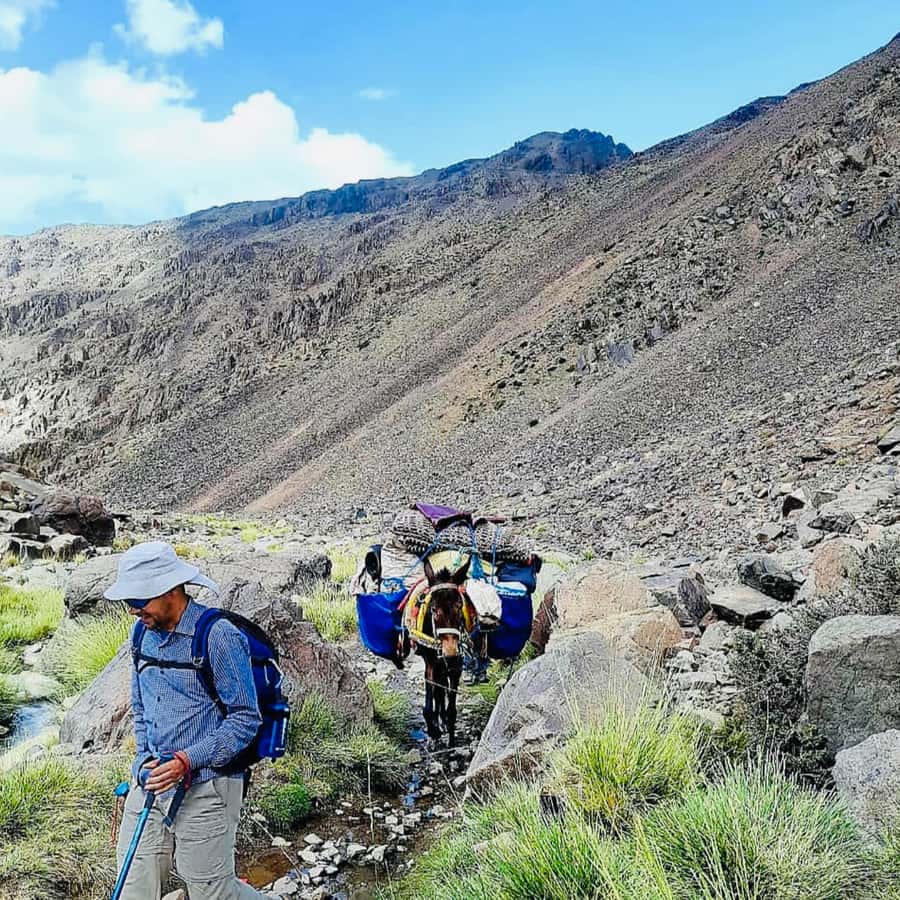
At $159 per person for 3 days, you’re paying for more than walking scenery. You’re getting a full support package: local guide, mule, all meals, accommodation, plus hotel pickup and drop-off.
For me, the value equation comes down to what you don’t have to plan. If you tried to piece this together yourself, you’d spend a lot of time coordinating transfers, guides, meals, and overnight stays, and you’d still end up with basic guesthouses where you’re relying on local arrangements.
This trek’s small group size (up to 16) also matters. With fewer people, your guide can actually manage the group pace and attention. That tends to improve the experience, especially on pass days when the weather and footing can change quickly.
So yes, $159 looks fair for what’s included—assuming you’re comfortable with basic lodging and you actually want the village-focused hiking rhythm.
Who This Trek Fits Best (and Who Should Skip It)
This is a good match if you:
- Enjoy hiking around 5–7 hours per day
- Want real Berber village life, not just a scenic drive
- Care about culture and local explanations as much as views
- Like the idea of sleeping in family guesthouses and eating what’s served
It’s also a great alternative if you’re not chasing the Toubkal-focused mountaineering style. This route is more about villages, valleys, and rural walking.
It’s not suitable for pregnant women or people with mobility impairments, based on the trekking nature and the accommodations.
If you’re someone who needs hotel-level comforts and elevator convenience, you might find the guesthouses too basic. But if you like authenticity and don’t mind simple rooms, you’ll probably feel at home here.
Should You Book This Marrakech Atlas Mountains Berber Villages Trek?
I’d book it if your goal is to leave Marrakech and spend three days in the Atlas with a guide who explains what you’re walking through—while your meals and sleeping arrangements are handled. The combination of village-to-village hiking, waterfall payoff at Azib Tamsoulte, and multi-pass views makes it feel like a real trek, not a drive-and-hope day.
I’d think twice if you’re sensitive to altitude or knee stress on descents. Also, pack for mountain reality: basic guesthouses, changing conditions, and the need to be self-sufficient for small comfort items like towel and loo roll.
If that sounds like your kind of travel, this is a strong pick.
FAQ
How long is the trek, and how many hours do you walk each day?
The trek lasts 3 days. Typical walking times are about 5–6 hours on Day 1, 6–7 hours on Day 2, and around 6 hours on Day 3.
What is included in the price?
It includes hotel pickup and drop-off in Marrakech, a local guide, a mule, all meals, and accommodation for the nights during the trek.
Do I need mountaineering experience?
No. The trek is described as technically not difficult, and you do not need previous mountaineering experience.
What altitude should I expect?
Most of the hiking is around 2,000m. You also cross passes that reach roughly 2,200m, 2,300m, and up to about 2,500m on Day 3.
What languages are guides available in?
Guides are listed in Arabic, French, Dutch, English, Spanish, and German.
What should I bring for the hike?
You should bring a passport, comfortable shoes, hiking shoes, hiking pants, and a camera.
Is weather a factor?
Yes. The trip advises checking the weather before you book, since mountain conditions can affect the experience.