REVIEW · KATHMANDU
12 Days Everest Base Camp Trek
Book on Viator →Operated by himalayan sanctuary adventure private limited · Bookable on Viator
Altitude teaches patience fast. This 12-day Everest Base Camp trek is built to keep the fiddly stuff out of your way, so you can focus on the walking and the big views around the Khumbu. I especially like that your trek permits and paperwork are handled ahead of time, and that the trek includes teahouse meals and accommodation so you are not constantly figuring out where to eat or sleep. One thing to consider: the Lukla flights can be delayed or canceled due to weather, which means waiting time is possible at the airport.
What also makes this stand out is the human support. You get an experienced English-speaking, government-licensed guide, plus a porter setup (1 porter for every 2 trekkers), and a medical kit carried by the leader—exactly the kind of practical safety net you want when altitude is in the mix. I also like how the trek includes a mix of steady days and intentional acclimatization stops (like Namche and Dingboche). The drawback is simple: it is not a light stroll. Even with acclimatization, you still face long days and big elevation changes, so you’ll want moderate fitness and a calm pace.
In This Review
- Key things I’d bet on before you go
- What you’re paying for: value beyond the sticker price
- From Kathmandu to Lukla: the early start and the flight curveball
- Day-by-day: Phakding, Namche, and the Sherpa villages that set the tone
- Day 1: Lukla to Phakding (via Cheplung)
- Day 2: Phakding to Namche Bazaar (past rivers and the park entry)
- Day 3: Acclimatization in Namche, with a possible sunrise view
- Tengboche to Dingboche: monastery views and a real acclimatization day
- Day 4: Namche to Tengboche (plus the monastery timing)
- Day 5: Tengboche to Dingboche (Debuche, Pangboche, and higher air)
- Day 6: Acclimatization day in Dingboche
- Lobuche, Gorak Shep, and the long push toward Everest Base Camp
- Day 7: Dingboche to Lobuche
- Day 8: Lobuche to Gorak Shep, then Everest Base Camp and back
- Kala Pathar: the highest payoff point, then a long descent to Namche
- Day 9: Gorak Shep to Kala Patthar to Pheriche
- Day 10: Pheriche to Namche Bazaar (7 hours)
- The final loop: Namche to Lukla, then Kathmandu transfer and farewell dinner
- Day 11: Namche to Lukla (about 6 hours)
- Day 12: Lukla to Kathmandu
- What this trek feels like day to day (and why support matters)
- Who should choose this private 12-day EBC trek
- Should you book it?
- FAQ
- What time do we meet?
- Are airport transfers in Kathmandu included?
- Are domestic flights included in the trek price?
- What permits are included?
- What kind of accommodation and meals are included during the trek?
- Is a porter included?
- Is there any medical support on the trek?
- What is not included in the price?
Key things I’d bet on before you go
- Permits handled in advance: National Park Permit and TIMS paperwork are included, so you don’t scramble on arrival.
- Teahouse comfort with real meals: breakfast, lunch, and dinner during the trek are included.
- Support staff that actually helps: an English-speaking guide and porter service (2 trekkers per porter).
- Timing built for altitude: Namche and Dingboche are used for acclimatization, not just check-the-box stops.
- Monastery moment at Tengboche: the monastery opens at 3:00 pm, and arrival around 4:00 can mean seeing a Buddhist ceremony.
- Lukla flight reality: domestic flights are included, but you must plan for possible delays.
What you’re paying for: value beyond the sticker price
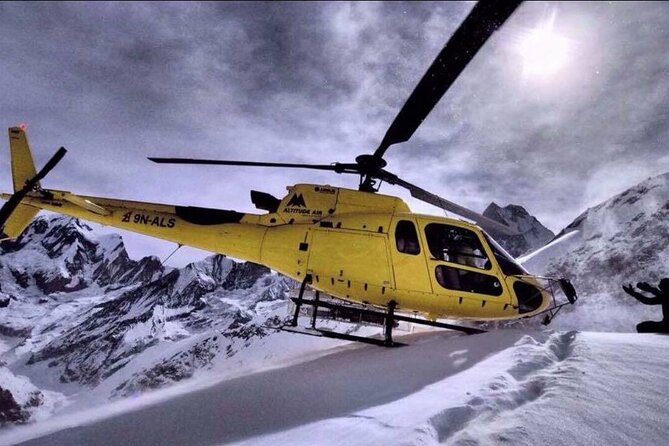
At $1,390 per person for roughly 12 days, this is not a shoestring trek. But the cost makes more sense when you look at what’s covered: domestic flights between Kathmandu and Lukla (and back), teahouse accommodation with meals, a licensed guide, porter service, and the permits that are usually a separate hassle.
Here’s the practical angle: on Everest treks, the money leaks fast if you have to add pieces yourself. Flights, permits, guiding, and staying in the right places at the right time are exactly what can turn a trip from smooth to stressful. This package tries to keep you in “go mode,” with meals and beds arranged during the trekking days.
Also included is an airport pickup and drop in Kathmandu and a farewell dinner at the end. And since this is a private tour, it’s only your group—no mixing with strangers on the same schedule. That matters when you’re moving through high-altitude terrain where pace and comfort are personal.
One more value point: the trek leader carries a medical kit and the staff costs (including insurance, equipment, food, accommodation, and domestic airfare) are covered. That gives you some comfort that this is run like an actual operation, not just a person with a map.
You can also read our reviews of more tours and experiences in Kathmandu.
From Kathmandu to Lukla: the early start and the flight curveball
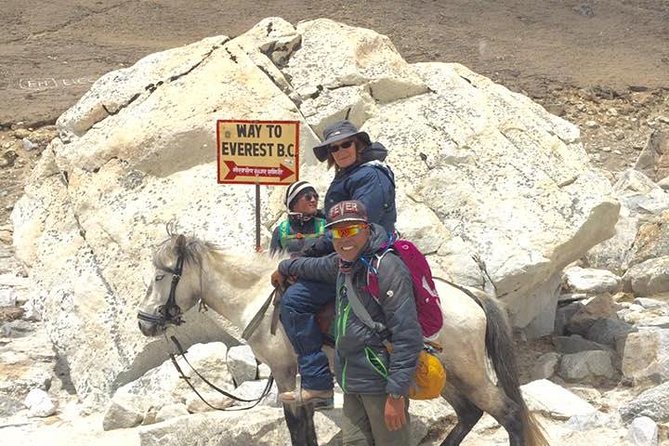
Your day starts early—meeting point is listed at 5:15 am. You’ll also have airport pickup and drop in Kathmandu, so you are not left solving transport before your first flight.
Then comes the real Everest reality: Lukla flights. The program includes the domestic flight tickets between Kathmandu and Lukla and back again, but it also warns you that flights can be delayed or even canceled due to weather. If that happens, you should be mentally ready for longer waits at either Kathmandu or Lukla airports, sometimes at the beginning, end, or both.
A smart way to handle this is to keep expectations flexible around your return flight day. If you have tight international connections, build buffer time on the back end. This is not a tour where you can confidently treat flight days like clockwork.
Day-by-day: Phakding, Namche, and the Sherpa villages that set the tone
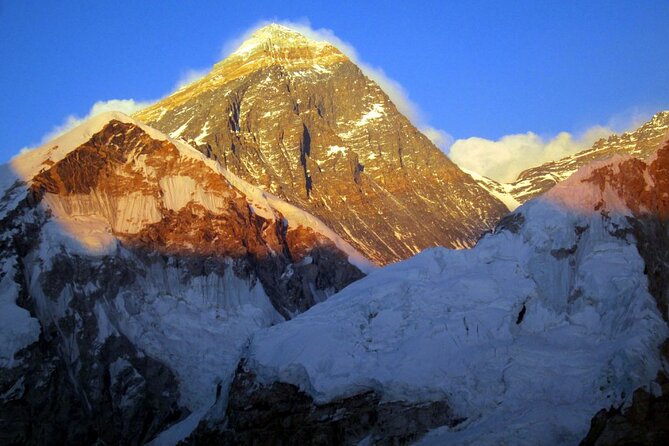
This trek follows the classic Khumbu approach, and the first days are about getting your legs moving while your body learns what altitude feels like.
Day 1: Lukla to Phakding (via Cheplung)
After an early morning flight, you start trekking from Lukla toward Phakding. The route goes via Cheplung village and includes that first big wave of Himalaya views. You’ll reach Phakding around 2,651 meters, then settle into overnight teahouse-style accommodation.
The first day is long enough to get you focused, but not so intense that you burn out before your acclimatization plan begins.
Day 2: Phakding to Namche Bazaar (past rivers and the park entry)
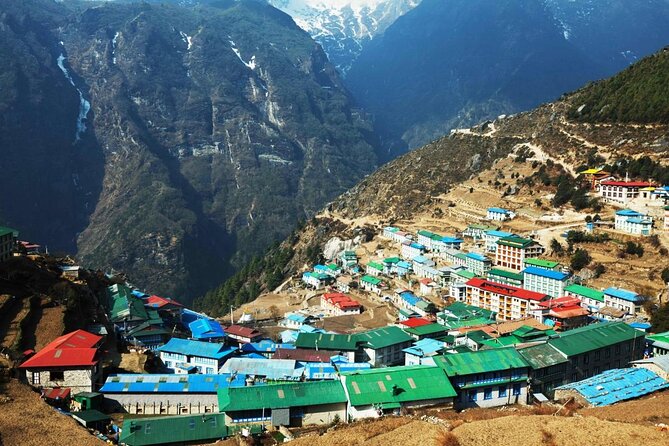
Next up is the walk toward Namche Bazaar, around 3,438 meters. You cross the Dudh Koshi River and pass through villages like Chumoa and Monjo as you head toward the entrance area of Everest National Park. You’ll also cross via a suspension bridge at Jorsale and keep moving alongside the rivers.
This day has that steady uphill feel. If you go too fast, the altitude reminds you quickly. The good news: the trail is established, and the guide helps you keep the pace sensible.
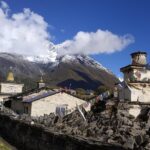
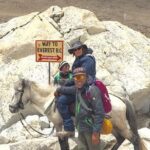
Day 3: Acclimatization in Namche, with a possible sunrise view
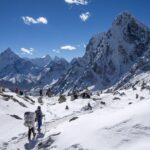
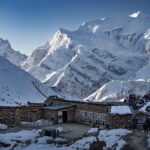
Day 3 is your acclimatization day in Namche Bazaar. You’ll explore town and then hike up toward areas inside Sagarmatha National Park to enjoy sunrise views of major peaks—Everest, Lhotse, Nuptse, Ama Dablam, Thamserku, Kongde, and more.
There’s also an optional day hike to Khumjung village if you want to add a bit more culture and movement. Either way, you sleep again in Namche. This is where your body starts adapting in a controlled way, instead of only learning through suffering later.
Tengboche to Dingboche: monastery views and a real acclimatization day
The days around Tengboche and Dingboche are where the trek becomes more than just walking. They turn into a rhythm—see, walk, rest, repeat.
Day 4: Namche to Tengboche (plus the monastery timing)
You trek to Tengboche around 3,870 meters. The route includes an easier section until Phunki, then you ascend toward Tengboche. The centerpiece is Tengboche monastery, often described as the biggest monastery in the Everest region, located within Sagarmatha National Park.
Here’s a key timing detail: the monastery opens at 3:00 pm. If you reach around 4 o’clock, you may catch a Buddhist religious ceremony. That’s the kind of moment that makes a trek feel alive, not just scenic.
If you arrive early, don’t rush. Sit, watch, and let the mountain light change over the peaks.
Day 5: Tengboche to Dingboche (Debuche, Pangboche, and higher air)
This day trends upward again, reaching Dingboche around 4,360 meters. You walk downhill to Debuche, cross the Imja River, and continue through Pangboche. The Pangboche monastery is part of the route, then you continue along the Imja Valley and Lobuche River to Dingboche.
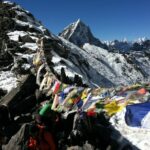
This day is a good example of why pacing matters. You are still earning elevation, but you also get village texture, prayer flags, and a steadier sense of being in the Khumbu heartland.
Day 6: Acclimatization day in Dingboche
Day 6 is another intentional acclimatization stop. You spend the day in Dingboche around 4,360 meters, with time for a hike about four hours behind the village to view huge peaks like Lhotse, Makalu, and Cho Oyu.
If you want a workable rule: acclimatization days are for moving a bit and then going easy. They prepare you for the harder pushes ahead—without turning your body into a wreck.
Lobuche, Gorak Shep, and the long push toward Everest Base Camp
This is where the trekking becomes serious. The air is thin and your schedule tightens.
Day 7: Dingboche to Lobuche
You continue to Lobuche around 4,900 meters, with a long hike of roughly 7 hours (about 9 km). The day heads along the Himalayan trail toward the area associated with the base camp approach, then continues via Dughla pass to reach Lobuche.
This is one of those days where your effort matters more than speed. If you stay calm and steady, you’ll arrive with enough energy for what comes next.
Day 8: Lobuche to Gorak Shep, then Everest Base Camp and back
Today is the big endurance day. You trek to Gorak Shep around 5,160 meters—about nearly 12 hours and roughly 17 km. When you reach Gorak Shep, you check in at the lodge, have lunch, and then walk to Everest Base Camp around 5,365 meters.
You’ll return to Gorak Shep for the overnight stay. The win here is not just reaching Base Camp. It’s the whole arc: walking into the glacier-and-peak zone, then finally standing in the place where the expedition world starts dreaming big.
If the cold hits hard, don’t fight it. Move smart, eat what you can, and conserve energy.
Kala Pathar: the highest payoff point, then a long descent to Namche
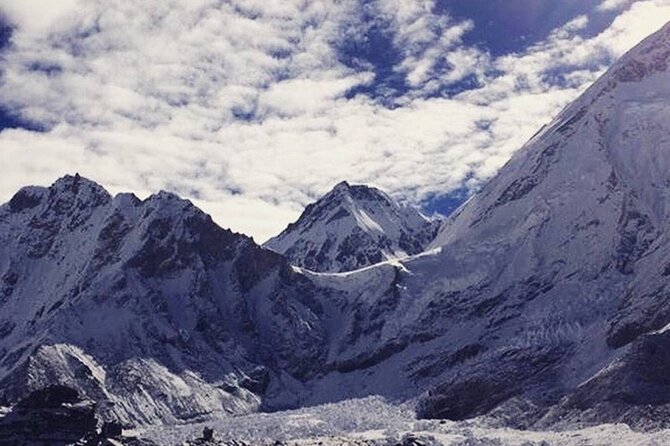
This day is built for views, even if it takes effort to earn them.
Day 9: Gorak Shep to Kala Patthar to Pheriche
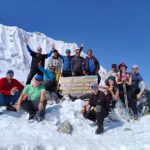
After early breakfast, you hike to Kala Pathar (around 5,555 meters). The climb takes about three hours. From the summit area, you get a magnificent panorama that includes Everest and other peaks like Lingtren, Khumbutse, and Changtse.
After spending time up top, you hike back to Gorak Shep for lunch, then descend to Pheriche around 4,200 meters for the night.
The practical trick: Kala Pathar rewards effort, but it also drains you. Plan to go slower on the way down than you think you need to.
Day 10: Pheriche to Namche Bazaar (7 hours)
You leave the mountain zone and start descending toward Namche Bazaar around 3,441 meters. The route goes through Pangboche and Tengboche before continuing back into Namche. You arrive in the afternoon and stay overnight in a guesthouse.
This is a relief day in altitude terms, but you still work—because downhill can be tough on knees and ankles.
The final loop: Namche to Lukla, then Kathmandu transfer and farewell dinner
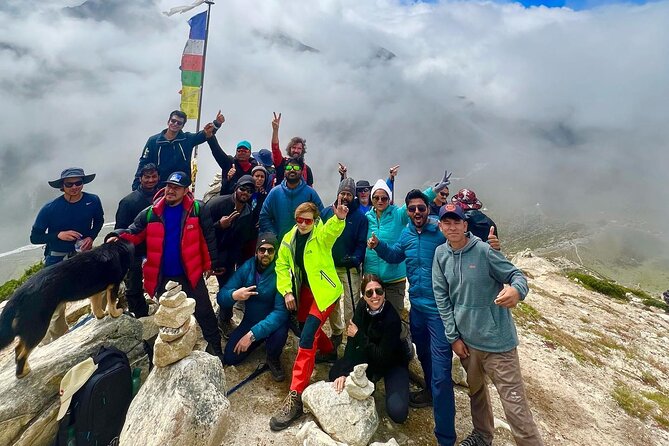
You’ve done the hard part already. Now it’s about finishing strong.
Day 11: Namche to Lukla (about 6 hours)
You walk from Namche back to Lukla around 2,804 meters. The day is described as your last trekking day, with reflection time as a group. The afternoon is free, so you can wander, relax, and enjoy a hot shower if available at the lodge or guesthouse setup.
Then you celebrate with a few drinks and dancing with your trekking mates. That kind of end-of-trip bonding is not guaranteed on every tour, so it’s a nice touch if you like closing the loop with your group.
Day 12: Lukla to Kathmandu
You catch an early morning flight to Kathmandu. You’ll be transferred to your hotel on arrival, then there is a cultural dinner in the evening.
So you get both: the reset back in the city and a structured last evening so you’re not left figuring everything out after altitude.
What this trek feels like day to day (and why support matters)
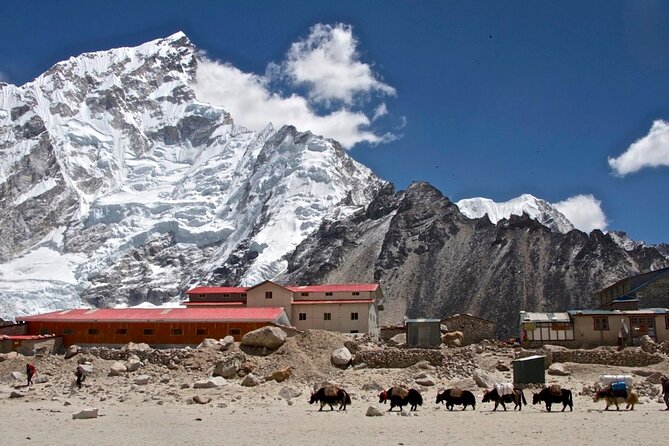
Even with an organized package, the Everest Base Camp trek is still an active trip. Long walks are part of it, and you’ll feel the altitude in small ways every day—tired breathing, slower legs, and that constant awareness of pace.
This is exactly why the guide and porter service matter. Your porter service is set at a ratio of 2 trekkers to 1 porter, which helps you keep your pack manageable. Your guide is also government-licensed and English speaking, which matters when you’re tired and want clear guidance.
In one past trip, the communication started strong and stayed strong, with help from Bishnu as a point of contact. That kind of steady coordination makes a difference when weather and timing don’t act politely.
And since there’s a medical kit carried by the trek leader, you have on-the-ground support if something small turns into something more.
Who should choose this private 12-day EBC trek
This option is a strong fit if you want:
- All-in trekking logistics: permits handled, flights included, and meals arranged during the trek.
- A pace guided by acclimatization stops, not just “walk until you drop.”
- A private-group feel, so your schedule is kept together.
It’s also a good choice if you prefer comfortable, pre-arranged accommodations rather than experimenting on where to eat each day.
On the flip side, this may not be ideal if you:
- Hate early mornings and unpredictable airport waiting.
- Want a totally flexible route without a structured plan.
- Are not ready for long walking days like the one to Gorak Shep and on to Base Camp.
Should you book it?
I think you should book this trek if you want Everest Base Camp with the stress removed from the planning side—permits, guide, porter support, teahouse meals, and domestic flights are all bundled in. The price feels more fair when you add up all the moving parts.
I would hesitate only if you have zero tolerance for flight disruptions. The program explicitly flags that Lukla flights may delay or cancel due to weather, and that can turn your schedule into waiting time.
If you like clear structure, helpful staff, and a guided acclimatization rhythm, this is a solid way to do the Khumbu without turning your trip into a logistical puzzle. Also, you can cancel up to 24 hours in advance for a full refund—use that buffer to buy peace of mind.
FAQ
What time do we meet?
The meeting point/start time is listed as 5:15 am.
Are airport transfers in Kathmandu included?
Yes. Airport pickup and drop are included.
Are domestic flights included in the trek price?
Yes. Domestic flights between Kathmandu and Lukla (and back) are included.
What permits are included?
The package includes the National Park Permit and TIMS.
What kind of accommodation and meals are included during the trek?
You get teahouse accommodation with breakfast, lunch, and dinner during the trek.
Is a porter included?
Yes. Porter service is included with a ratio of 2 trekkers to 1 porter.
Is there any medical support on the trek?
Yes. A medical kit is carried by your trek leader.
What is not included in the price?
Not included are the Nepalese visa fee, excess baggage charges, sightseeing entrance fees, extra Kathmandu nights if needed due to schedule changes, lunch and evening meals in Kathmandu, international flights, travel and rescue insurance, personal expenses (like phone calls, laundry, drinks, battery recharge, and bottled or boiled water), and tips for guide(s), porter(s), and driver(s). Hot and cold drinks are also listed as not included.