REVIEW · KATHMANDU
Annapurna Tilicho Lake Trek
Book on Viator →Operated by Accessible Adventure Pvt. Ltd · Bookable on Viator
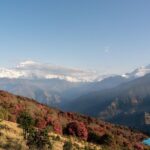
High-altitude water, up close. This trek strings together the classic Annapurna Circuit with Tilicho Lake (often called the world’s highest lake) and a dawn climb to Poon Hill for big Himalayan views. You’ll also cross Thorong La (5416m), one of the toughest “big pass” days in Nepal trekking.
I especially like the way the itinerary uses Manang for acclimatization before it asks you to go higher. Another strong point is the support setup: an English-speaking, government-licensed trek leader (plus assistant), a max group size of 12, and a porter ratio of 2 trekkers per porter. That matters when you’re carrying less weight and moving with fewer bottlenecks on narrow trails.
One consideration: you’ll be facing serious altitude and weather swings, and the package notes say you need a moderate fitness level. Also, hot showers and WiFi are not part of the trek, and meals during the trek are listed as not included—so you’ll want to budget day-to-day.
In This Review
- 4–6 key things that make this trek worth your time
- The Big Dream: Tilicho Lake + Thorong La + Poon Hill in One Line
- Price and Value: What $1,430 Really Buys
- The Altitude Plan That Keeps You Moving: From Syange to Manang to Thorong La
- Day-by-Day: What Each Stop Feels Like on Foot
- Kathmandu: Arrive, Register, Reset
- Syange: Jumping off the Annapurna Corridor
- Dharapani Temple: Waterfalls, Oak Forest, and Mani Stones
- Chame: Vegetation Changes and Big Views
- Pisang: Blue Pine, Fir, and Cliffside Trail Sections
- Manang: The Acclimatization Day That You’ll Thank Yourself For
- Khangsar Sadak: Conifer Forest and Scree Reality
- Tilicho Base Camp Road: New Trails, Old Paths, and Ridge Views
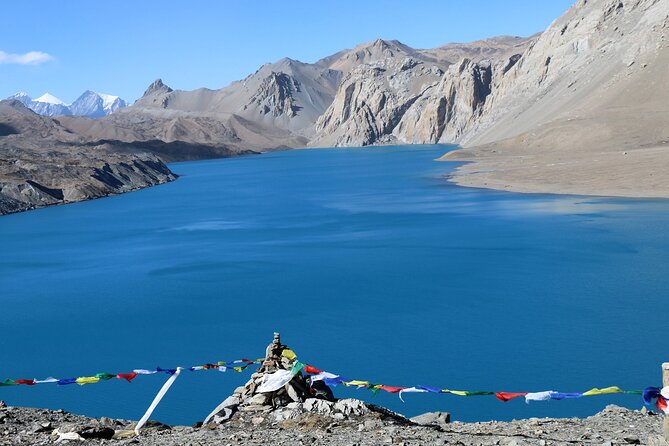
- Tilicho Lake: Steep, Rocky, and Worth the Work
- Back Down to Yak Kharka: Gradual Ascent Matters
- Thorong Phedi: Busy Trekkers Town, Calm Sleep Choice
- Thorong La Pass Day: Long, Strenuous, and 5416m
- Muktinath to Ekley Bhatti to Jomsom Area: Temples and Wind
- Marpha and Kalopani: Apple Country to Dhaulagiri Views
- Tatopani: Hot Spring Reset and Deep Gorge Views
- Ghorepani: The Climb That Sets Up Poon Hill Sunrise
- Poon Hill Sunrise to Nayapul: Big Light, Then Down to Business
- Pokhara and Back to Kathmandu: Finish Strong
- What Makes This Trek Feel Well Run (Even When Terrain Turns Mean)
- Practical Gear and “Don’t Be That Person” Tips
- Who Should Book This Trek (and Who Should Think Twice)
- Should You Book Annapurna Tilicho Lake Trek With This Operator?
- FAQ
- What’s the duration of the Annapurna Tilicho Lake Trek?
- Where does the trek start, and when do you begin each day?
- How big is the group?
- What trekking equipment is included?
- Are permits included?
- Are meals during the trek included in the price?
- Do I need to arrange a Nepal entry visa?
- Is cancellation free?
4–6 key things that make this trek worth your time
- Tilicho Lake detour from the Annapurna Circuit: you don’t just pass through Manang—you go for the big “highest lake” payoff.
- Manang acclimatization day(s): you get a chance to adjust before the demanding pass section.
- Big-pass logistics with safer planning: Thorong Phedi is used as the overnight base, not a risky high-camp sleep.
- Poon Hill sunrise timing: early hike from Ghorepani so you catch the sun hitting the Annapurna and Dhaulagiri ranges.
- Gear that reduces cost and hassle: down jacket and sleeping bag are provided (returned after the trip).
- Small group feel: up to 12 trekkers, which usually means less waiting and a smoother rhythm.
The Big Dream: Tilicho Lake + Thorong La + Poon Hill in One Line
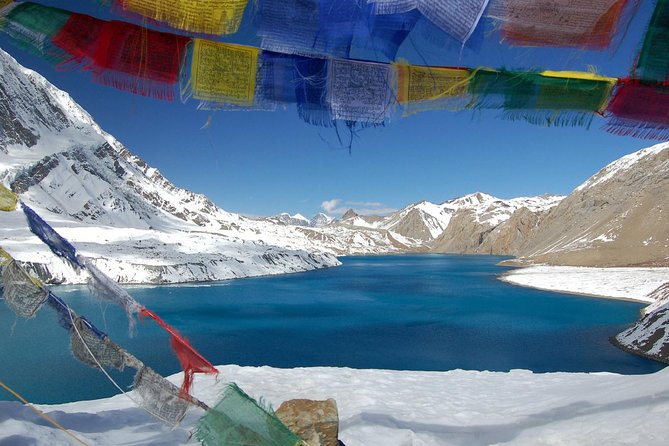
This route is appealing because it combines three different kinds of Nepal trekking “wins.” First, you get the Annapurna Circuit feel—villages, river valleys, and that slow building of altitude. Then you branch west toward Tilicho Lake in Manang District, the trek’s headline for many people. Finally, you come back into the Annapurna Circuit corridor to tackle Thorong La and end with Poon Hill sunrise views.
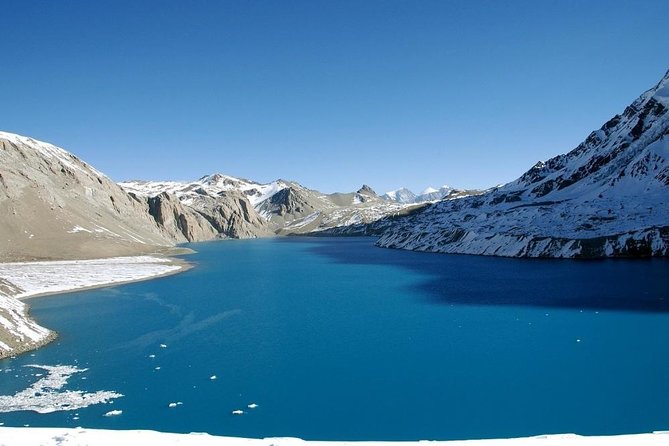
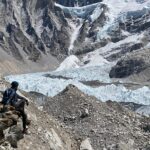
Tilicho is a real altitude test. The trail description focuses on steep sections, loose scree, and boulder-hopping terrain around the final approach. That’s not a problem if you’re ready for “careful steps” trekking, but it’s worth knowing so you don’t show up expecting smooth footpaths.
Poon Hill is different energy. It’s more of a sunrise spectacle day: climb early from Ghorepani to the viewpoint, wait for the colors, then return for breakfast and continue onward. It’s also a practical way to get major views without needing technical mountaineering skills.
Bottom line: you’re trading convenience for variety. You’ll earn your views.
You can also read our reviews of more tours and experiences in Kathmandu.
Price and Value: What $1,430 Really Buys
$1,430 per person is not “budget trekking” money, but it’s also not paying just for a route map. This package includes a lot of what usually adds cost when you plan independently.
Here’s what stands out as value:
- Trek leadership and staffing: an experienced, English-speaking trek leader and assistant trek leader, plus porters (2 trekkers per porter).
- Permits paperwork: ACAP and TIMS permits are handled.
- Trek comfort support: down jacket and sleeping bag are provided, plus a trekking bag/duffel, t-shirt, and a trekking map you get to keep.
- Transport linkages: transfers within the region, including Kathmandu to Syange and a tourist bus from Pokhara back to Kathmandu.
- Kathmandu/Pokhara nights with breakfast and welcome/farewell dinners.
What’s not included:
- Meals during the trek (the listing says breakfast/lunch/dinner during the trek are not included).
- Hot showers during trekking.
- WiFi, which you shouldn’t expect in remote villages anyway.
So your real decision point is simple. If you want guided planning and less logistical stress—especially around permits, timing, and altitude management—the price starts to make sense. If you prefer to be fully independent on food and equipment sourcing, you may feel the package cost more sharply.
The Altitude Plan That Keeps You Moving: From Syange to Manang to Thorong La
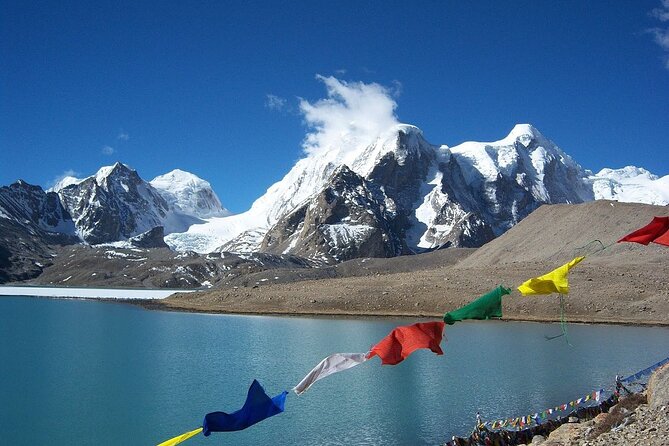
Altitude is the quiet threat on this itinerary. The good news is the plan is built to respect it.
After starting in the Kathmandu valley, you work your way up through trekking days with changing vegetation. You go from oak forest and waterfall valleys, to pine and fir zones, and then into Manang’s drier character. That shift isn’t just pretty—it often means easier-to-read trail conditions and different cold/warm cycles.
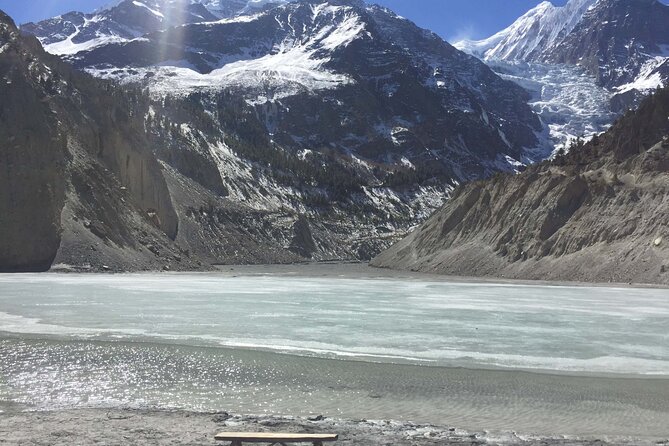
Then comes the key move: a day in Manang for acclimatization. You’re advised to stay active with short walks, and you visit viewpoints like Bodzo Gompa or Gangapurna Lake. This is exactly the kind of “move a little, don’t push hard” day that helps your body handle the next stages.
From there, you head toward Tilicho Base Camp and the lake approach, then later you move to Thorong Phedi and the pass day. Thorong La is described at 5416m, and the itinerary emphasizes that the walk is strenuous and long. Also note the planning choice: the team does not advise a risky sleep at High Camp. That’s a practical call when you want fewer complications on a high-altitude night.
Practical takeaway: if you’re even slightly unsure about your fitness, treat the acclimatization day as mandatory—not optional sightseeing.
Day-by-Day: What Each Stop Feels Like on Foot
Below is how the trip usually “plays” from day to day—what you should look for, and where you might feel it.
Kathmandu: Arrive, Register, Reset
Day 1 is straightforward: arrival, visa/customs, and a transfer to your Kathmandu hotel. You also get a welcome moment with the operator rep holding a sign with the Accessibile Adventure name.
Why it matters: you’re starting this whole thing from sea-level-ish conditions and sleeping in the city. Use this day to get your layers ready. In Nepal trekking, the wrong jacket is a bad deal.
Syange: Jumping off the Annapurna Corridor
On the way to Syange, the route follows the Trishuli River and passes through Dumre and Bensishahar. The last stretch is reached via a local jeep on a bumpy, windy road.
This day is more about travel energy than trekking energy. Still, it’s a good sign: you’re getting used to Nepal roads before you’re dealing with mountain trail terrain.
Dharapani Temple: Waterfalls, Oak Forest, and Mani Stones
Day 3 starts early. The route climbs through oak forest, crosses suspension bridges, and follows a valley that narrows into a deep gorge. You’ll keep spotting cascading waterfalls, and you reach Tal Village at the foot of a grand waterfall.
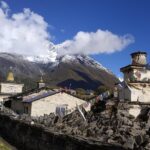
A small but meaningful detail: after you see mani stones, the local custom described here is to walk on the left-hand side of the mani walls. On a long trek, those bits of cultural rhythm help you feel less like you’re just “moving through.”
Chame: Vegetation Changes and Big Views
From Dharapani to areas like Bagarchap, you get Annapurna II in the valley. The vegetation shift is called out—pine and fir replace what you saw earlier. You’ll also pass apple orchards near Thanchok and notice villages perched along the route.
Chame days often feel good because you get “long view” moments without being on constant steep climbs.
Pisang: Blue Pine, Fir, and Cliffside Trail Sections
This day keeps you in forest along the river, with a mention of old Brathang—once a Tibetan resistance camp. Today it’s more orchard and tea houses, but the terrain still feels dramatic.
You’ll cross a bridge and look back to a huge rock face (Mui Tscho / Paunde Danda is highlighted). Then the trail climbs steeply before entering Upper Manang—another vegetation and exposure shift.
Manang: The Acclimatization Day That You’ll Thank Yourself For
You get a dedicated day in Manang. The itinerary recommends staying active but not overdoing it. Sites like Bodzo Gompa or Gangapurna Lake are included as options.
Also, Manang village includes Himalayan Rescue Association facilities, with volunteer doctors working there during trekking season. You won’t be in their clinic unless something goes wrong, but knowing it exists adds a level of safety reassurance.
Khangsar Sadak: Conifer Forest and Scree Reality
From Manang toward Khangsar, there’s coniferous forest and a section across an exposed scree slope. You cross Kangsar Khola on a bridge and climb to the village.
Expect this day to feel more “mountain technical” even if it’s not a pass day.
Tilicho Base Camp Road: New Trails, Old Paths, and Ridge Views
You trek toward a high ridge and reach an intersection. One route maintains altitude along slopes but is described as steep scree; another is a new path that takes a different way. You follow the new path toward Tilicho Base Camp.
This is a key day for understanding your guide’s choices. When options exist, the safer-feeling route is usually what keeps the group happy later.
Tilicho Lake: Steep, Rocky, and Worth the Work
From Tilicho Base Camp, the route follows toward the lake shore, then continues steeply with loose scree and boulders. The itinerary mentions a glacier-like section that is described as safe, with no crevasses, and you follow a left/south side route.
This is not a “casual stroll.” It’s careful trekking. Take your time, keep your balance, and don’t burn energy early.
Back Down to Yak Kharka: Gradual Ascent Matters
You descend from Tilicho Base Camp back toward Kangsar and then to Yak Kharka. Ancient mani walls appear again in meadows. You cross a river on a wooden bridge and reach Yak Kharka.
The note here is clear: gradual ascent is the way to avoid altitude problems. After high exposure terrain, this is exactly what you want.
Thorong Phedi: Busy Trekkers Town, Calm Sleep Choice
You move toward Thorong Phedi, described as a small busy settlement for trekkers and climbers. The itinerary references the option of hiking to High Camp but explicitly says the team leader doesn’t advise it—so you sleep lower for safety.
That’s the kind of planning decision you want to hear before you reach the pass day.
Thorong La Pass Day: Long, Strenuous, and 5416m
This is your big pass crossing. You start early from Thorong Phedi, climb gradually, and pass high areas with false summits before reaching the top at 5416m. You’ll see breathtaking scenery.
Expect lethargic walking due to altitude; the listing basically warns you to keep it slow. This is the day where trekking poles and steady pacing matter more than anything fancy.
Muktinath to Ekley Bhatti to Jomsom Area: Temples and Wind
Day 14 focuses on early visits to Muktinath. Then you walk downhill toward Ekley Bhatti with a steep descent that calls for careful footwork and trekking poles.
After that you head toward a windy place (Jomsom is referenced). The itinerary mentions a full face mask and wind stopper jacket due to wind blast through valley mountain gorges.
If you hate cold wind, this day will challenge you. Plan to cover up.
Marpha and Kalopani: Apple Country to Dhaulagiri Views
Marpha is paired with spiritual morning steps and a descent toward Jomsom area tea stops. Then you continue to Kalopani after crossing Tukuche. You may pause near the Dhaulagiri icefall for pictures and views.
The apple day and mention of local apple brandy/tea options are fun, but keep your focus. You’re still trekking. Don’t get too “hydration and sugar first” if you’re heading into altitude changes later.
Tatopani: Hot Spring Reset and Deep Gorge Views
Kalopani drops down by more than 1000m toward Tatopani. You stop near the deepest Kaligandaki gorge, then reach Tatopani and a natural hot spring for relaxation.
This is one of those days that feels like a reward, not just a segment. Still, manage your energy. Hot spring time is great, but don’t ignore dinner-time altitude effects.
Ghorepani: The Climb That Sets Up Poon Hill Sunrise
You trek up to Ghorepani via villages like Ghare, Shika, Phalate, and Chhitre. The description highlights Magar and Gurung communities.
You’re also told the best view comes next day. So this day is about getting there and saving energy for sunrise.
Poon Hill Sunrise to Nayapul: Big Light, Then Down to Business
You hike early before sunrise to Poon Hill. You wait for the sun to rise above the Annapurna range, then return for breakfast in Ghorepani. After that, you continue on the popular route toward Nayapul via Ulleri, Tikhedhunga, Birethanti, and onward.
This is a “spectacle then logistics” day. Keep your daypack organized, because you’ll likely be transitioning out of trekking rhythm soon.
Pokhara and Back to Kathmandu: Finish Strong
A tourist bus ride returns you to Kathmandu from Pokhara around 7 to 8 AM (per the schedule). You also have a farewell dinner in Thamel and overnight in Kathmandu.
On Day 20 you get transferred to the airport 3 hours before your international flight, with breakfast included that morning.
What Makes This Trek Feel Well Run (Even When Terrain Turns Mean)
From the operator’s approach and the way the itinerary is structured, the trip leans toward organized pacing and support.
A few clear signals:
- Small group cap of 12 helps reduce trail traffic.
- Porters and an assistant guide reduce strain and improve flow.
- A government-licensed trek leader is assigned, and staff handle paperwork (ACAP, TIMS).
- Gear is partially covered, especially the down jacket and sleeping bag.
In the feedback you’ll see themes like supportive, informative staff and good organization even during weather changes. You don’t control the mountains, but you can control whether your team has contingency instincts.
One more thing: the meeting point includes a 7:00 am start time, so you’ll want to sleep earlier in Kathmandu than you might at home.
Practical Gear and “Don’t Be That Person” Tips
This part is about avoiding the classic mistakes that make high-altitude treks miserable.
- Bring trekking poles. The route has steep descents (like toward Ekley Bhatti) where the itinerary specifically calls for poles and slow steps.
- Plan for cold, especially on pass and sunrise days. The itinerary doesn’t promise hot showers during the trek, so warm layers matter.
- Expect wind near the Jomsom area. The notes call out using a full face mask and wind stopper jacket.
- If you’re relying on lodge meals, remember that meals during the trek aren’t included in the package listing. Budget extra, and keep some cash handy.
- Even though down jacket and sleeping bag are provided, you’ll still need personal trekking equipment. Pack for rain and dry feet.
If you follow those basics, the trek becomes about the scenery and the effort—not about being cold, hungry, or slipping.
Who Should Book This Trek (and Who Should Think Twice)
This trip suits you best if:
- you have moderate physical fitness and you’re comfortable with long hiking days,
- you want a structured itinerary with experienced guides,
- you want both a high-altitude lake detour (Tilicho) and classic pass history (Thorong La) without planning permits yourself.
Think twice if:
- you struggle with altitude already (this itinerary hits high points like Thorong La),
- you can’t handle steep, rocky terrain and scree sections on the Tilicho approach,
- you’re hoping for luxury comforts like hot showers and consistent connectivity (hot showers and WiFi aren’t included).
It’s a serious trek. The upside is it’s also not a random hike; it’s planned with acclimatization in mind.
Should You Book Annapurna Tilicho Lake Trek With This Operator?
If your goal is a “big Nepal” trek—Annapurna Circuit + Tilicho Lake + Thorong La + Poon Hill—this itinerary is built for exactly that mix. The most convincing reasons to book are the support structure (small group, guides, porters) and the realistic altitude planning with Manang acclimatization and a safer approach for the Thorong La overnight.
I’d book if you can handle cold mornings, steep descents, and the reality that the trek days require your own food budgeting. If that sounds manageable, this is a strong pick.
If you want, tell me your trekking experience level and your expected fitness (easy/medium/hard). I can suggest how to prepare for Tilicho Day and Thorong La Day specifically.
FAQ
What’s the duration of the Annapurna Tilicho Lake Trek?
The tour runs for about 20 days (approx.), covering Kathmandu, the trek route, and the return to Kathmandu.
Where does the trek start, and when do you begin each day?
The start time listed is 7:00 am. The itinerary begins in Kathmandu, with the first day focused on arrival and transfer to a hotel.
How big is the group?
The maximum group size is 12 travelers.
What trekking equipment is included?
The package includes a down jacket and sleeping bag (returned after the trip). It also includes a trekking bag/duffel, t-shirt, and a trekking map.
Are permits included?
Yes. The tour includes paperwork and permits including ACAP and TIMS.
Are meals during the trek included in the price?
No. The listing states that breakfast, lunch, and dinner during the trek are not included. (Welcome and farewell dinners are included.)
Do I need to arrange a Nepal entry visa?
You can obtain a visa on arrival at Tribhuvan International Airport in Kathmandu, with details listed for multiple-entry tourist visas (30 days or 90 days).
Is cancellation free?
Yes, the policy states free cancellation up to 24 hours in advance of the experience start time for a full refund.