REVIEW · KATHMANDU
Mt. Everest Base Camp Trek Nepal – 16 Days
Book on Viator →Operated by Himalayan Planet Adventures · Bookable on Viator
You start with a short flight and a huge goal. This private, all-inclusive Everest Base Camp trek links Kathmandu logistics, Lukla flights, permits, and a full trek plan into one package. You also get real cultural stops in Sherpa villages and big-monastery settings, not just altitude marching.
What I like most is the way it handles your time in Kathmandu and hands you the right gear for high-country weather. You get an airport welcome and a hotel briefing in advance, plus a welcome and farewell dinner to make the whole trip feel organized from day one. The second big plus is that key comfort items are included, like a sleeping bag, down jacket, and trekking poles—small things that can save you money and stress.
One thing to consider: the Lukla flight is weather-driven. If planes delay or cancel, you may need to shift schedules, and the plan even recommends adding a buffer day to reduce stress.
In This Review
- Key highlights worth knowing
- Kathmandu Welcome: briefing, dinners, and getting your altitude mindset right
- Lukla flight day and the first trek to Phakding
- Namche Bazaar route: permits, suspension bridges, and your first real altitude test
- Acclimatization day in Namche: Sherpa culture options and Monastery energy
- Tengboche to Dingboche: forest paths, mani walls, and big monastery views
- Dingboche rest day and the Chukung optional hike
- Push toward Lobuche and Gorakshep: where the air gets thinner
- Base Camp and Kalapathar: the hardest day that gives the best angles
- Returning through Tengboche and back to Namche: same trail, new perspective
- Price and logistics: what $1,900 gets you, and where the real risk lives
- Who this trek suits best
- If you book: the smartest moves before you go
- Should you book this Everest Base Camp trek?
- FAQ
- How long is the Everest Base Camp trek?
- Where does the trek start?
- Are flights to Lukla included?
- What’s included in the trek package besides the trek itself?
- What costs extra during the trip?
- What happens if the Lukla flight is delayed or canceled?
- Is this tour truly private?
Key highlights worth knowing
- Lukla round-trip flights included, with a plan to swap airlines if weather or technical issues hit
- Teahouse trekking for 12 nights, with full-board meals on the trek and city breakfast
- Sherpa guide + porter support, plus permits and fees handled for you
- Acclimatization built in, including a rest day at Dingboche with an optional hike
- Everest-view payoff days, especially Kalapathar for sweeping mountain angles
- Included trekking kit: sleeping bag, duffel bag, down jacket, and trekking poles
Kathmandu Welcome: briefing, dinners, and getting your altitude mindset right
Your trip begins in Kathmandu, and the first job is simple: get settled and be ready. After landing at Tribhuvan International Airport, you’re met by the agent and guided to your hotel. Then you get a briefing in the hotel lobby so you know what comes next—flights, trek pacing, and what to expect on the trail.
Day one also includes a welcome dinner at a typical Nepalese restaurant with cultural programs. I like this kind of start because it does two things. It helps you shake off travel fatigue, and it sets expectations for the Sherpa culture you’ll see later around Khumbu.
Before you leave Kathmandu, you’ll want to make sure your packing matches high-country trekking reality. Even with some gear included, you still need proper trekking clothing and layering. If you show up overpacked, you’ll feel it once you’re carrying day-to-day items, even with a porter for the main load.
You can also read our reviews of more tours and experiences in Kathmandu.



Lukla flight day and the first trek to Phakding
Then comes the signature jump from Kathmandu to Lukla. You start early, transfer to the domestic airport, and fly to Lukla at about 2,800 m. The flight is short (about 35 minutes) but it’s one of the psychological milestones of the trek: your effort starts right away, even though you haven’t climbed much yet.
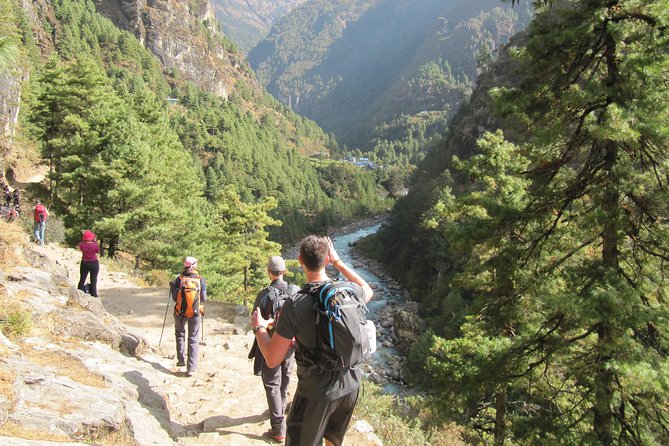
At Lukla, loaded luggage is handed off to the droghers/porters, and you continue with the day’s hike. Your first leg takes you to Phakding (around 5 hours). Expect scenic views right out of the gate, plus passes near places like Number Himal and Mt. Phari. The route also gives you early exposure to Sherpa farm buildings and river crossings—good prep for the rhythm you’ll keep for the next two weeks.
This is a day where you should hike a little slower than you think you need. Everest trekking punishes overconfidence early. Think steady and controlled, especially if you feel even mildly winded.
Namche Bazaar route: permits, suspension bridges, and your first real altitude test
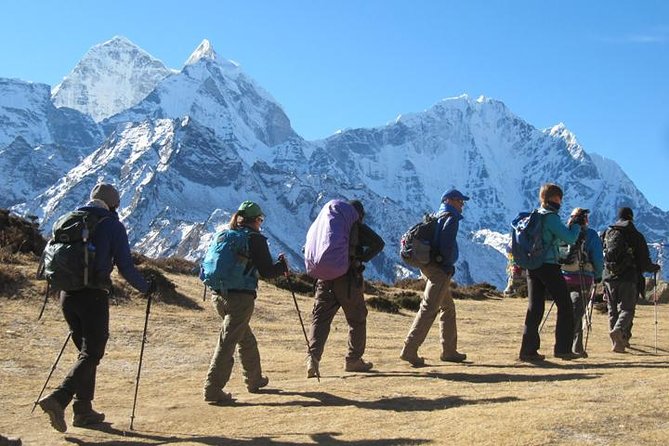
Day three is where you move from introduction into the real Khumbu corridor. After crossing the suspension bridge over the Dudh Koshi, the trail rolls through a mix of gentle uphills and flat-ish sections. You’ll cross back over the river and pass villages like Benkar and Monjo.
At Monjo, you enter Sagarmatha National Park, and your trekking permit is checked. That matters because it’s a reminder that this trip isn’t just a scenic walk—this is protected territory with rules, fees, and an operating system that trekkers depend on.
You end the day around Namche Bazaar after another suspension bridge and a climb from the river area. Namche is your acclimatization base, and it’s also where the trail starts feeling busy in a good way. You’ll see tea houses, shops, and the mix of cultures that makes Khumbu famous.
Acclimatization day in Namche: Sherpa culture options and Monastery energy
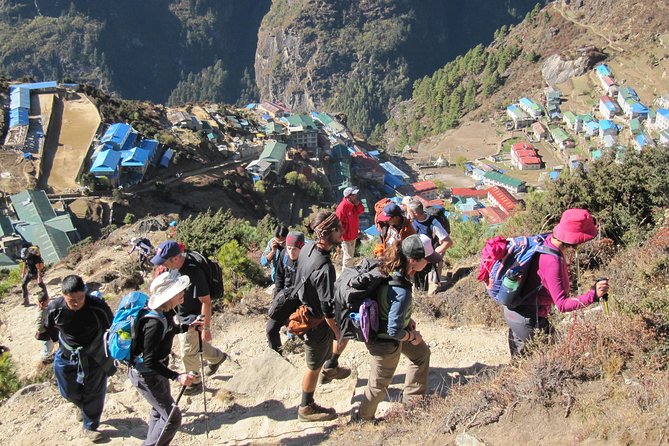
After Namche, day four is a full acclimatization day. This is a practical design choice. Altitude in the Himalaya doesn’t care about your schedule. A rest day helps your body adjust while still letting you move enough to feel human.
You also get a flexible cultural block. If it’s a Saturday, there’s time to stroll the bazaar. You can also visit a Sherpa Museum to understand Sherpa culture and mountaineering history. Another option is the Everest View Hotel area and Syangboche airstrip, then return to your lodge.
I like having options here because acclimatization can feel boring if it’s forced. You can keep it light, walk slowly, take breaks, and let your body catch up. The key is to avoid racing around like it’s a sightseeing tour. Keep the pace easy.
Tengboche to Dingboche: forest paths, mani walls, and big monastery views
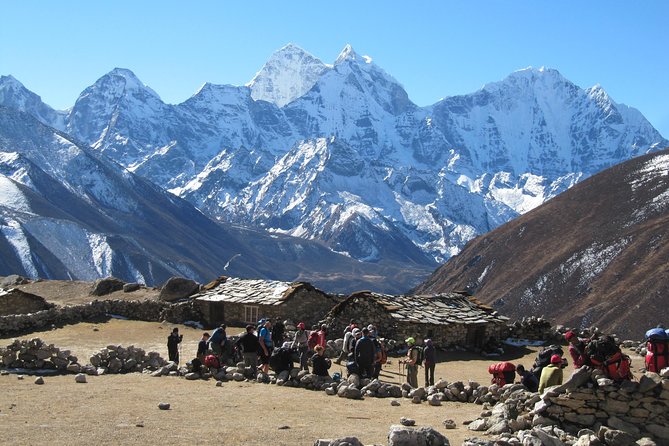
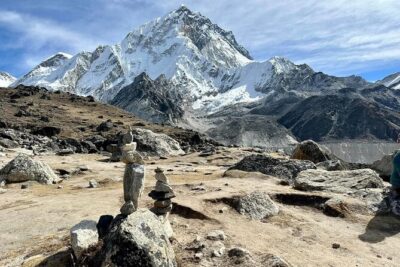
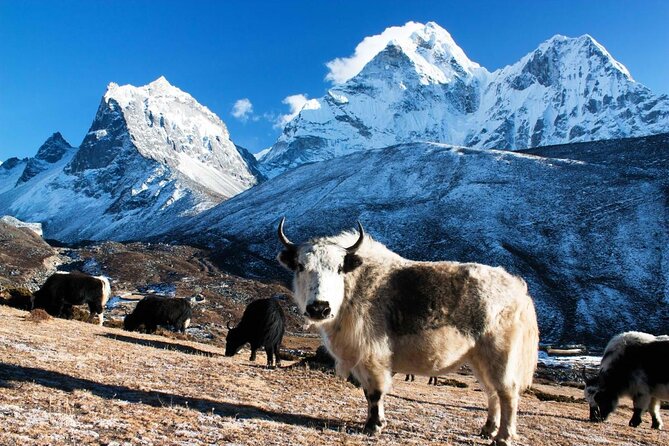
Day five moves you toward Tengboche (about 5 hours). The walking stays fairly easy, and the trail starts rewarding you with major mountain angles. Along the route, you’ll see peaks including Everest, Nuptse, Lhotse, Ama Dablam, Thamserku, and Kwangde on clear days.
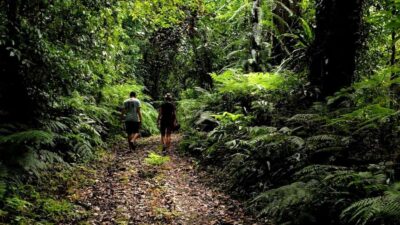
You also travel through forested sections—silver fir, blue pine, rhododendron, magnolia, and birch trees. This matters because it breaks up the monotony of high-altitude trekking. When the ground gets a little softer and the air feels more forgiving, you can focus on breathing and rhythm.
Tengboche is known for the monastery setting. The day ends with a view-focused arrival: big monastery energy, tea houses, and open fields where you can pause and actually take in the place.
Then day six heads to Dingboche (about 6 hours) via Deboche and the Imjatse Valley. You’ll pass a long mani wall (prayer wall), cross the cultural markers, and reach Dingboche with a serious view moment. The area puts you near powerful peaks like Ama Dablam, Nuptse, and Lhotse, along with strong angles toward eastern snow-capped mountains.




Dingboche rest day and the Chukung optional hike
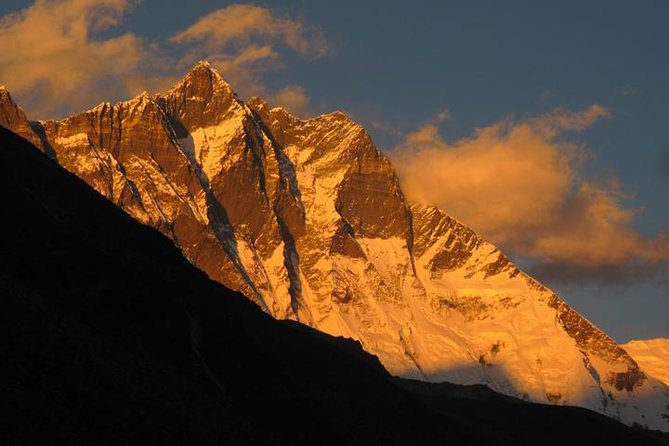
Day seven is your second acclimatization-focused day. It’s a rest day in Dingboche, with the option to hike toward Chukung (around 4,730 m). The trek to Chukung takes roughly 3 to 4 hours and is gradual, but you’ll feel the thinning air as you gain altitude.
At Chukung, the views are the point: glaciers and high peaks show up in a big way, and you can sit in the cold quiet and understand why people plan their lives around this region. Then you hike back to Dingboche for the overnight stay.
This is one of those moments where your body learns the lesson your head already understands: altitude is slow work. If you keep it calm, your chances improve for the higher days ahead.
Push toward Lobuche and Gorakshep: where the air gets thinner
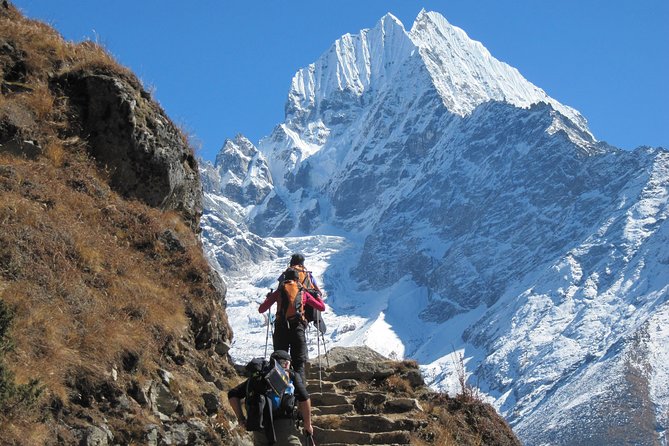
Day eight takes you toward Lobuche (about 5 hours). The trail trends north and includes a mani-prayer stupa area, then continues with mild stretches. You’ll pass lodges and end up with a more demanding final climb toward Thukla, a spot with views of Pumori and other peaks.
The route also passes memorials for climbers who died on Everest expeditions. I think this is important context. It turns the trek from a pure view-chase into a more thoughtful experience of what the mountain represents.
Day nine is a long walk toward Gorakshep (about 8 hours). The early start helps you reach your overnight area and keeps the schedule realistic for Base Camp and Kalapathar later. Once you reach Gorakshep, you’ll check in, then continue toward Everest Base Camp (about 5,360 m).
This is where the trail gets physically serious. The path is rocky, windy at times, and tough because you’re high and oxygen is thin. Even if your legs feel okay, your breathing may not. That’s normal here.
Base Camp and Kalapathar: the hardest day that gives the best angles
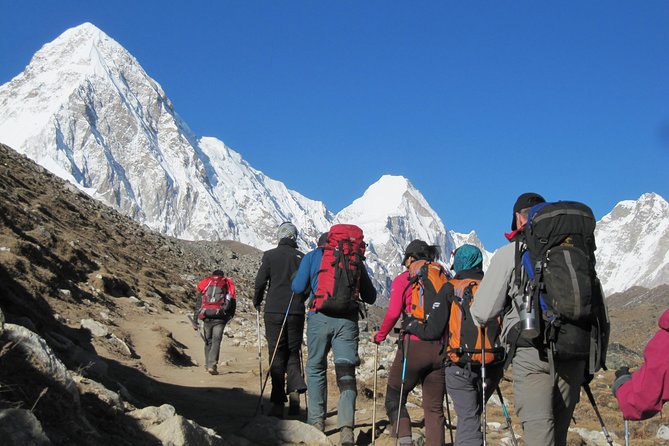
Day ten focuses on Kala Patthar. You leave early and hike about 2 hours to reach the top. It’s described as taking your eyes off the horizon and putting Everest’s scale right in front of you.
This viewpoint works because it offers a mix: Everest looks immense, the Khumbu Icefall and surrounding glacier areas sit below, and Everest Base Camp can be seen down the way. When the weather is clear, the view has a wide, almost layered quality—big peaks, ridges, and ice fields in one frame.
Then you head back to Gorakshep for the next night. I’m not going to sugarcoat it: this day is effort-heavy. But if you’re choosing one day to feel proud of, it’s usually this one.
Returning through Tengboche and back to Namche: same trail, new perspective
Day eleven starts with downhill travel from Pheriche/Tyangboche direction toward Tengboche area (about 5 hours). The walking is easier, and the air can feel different once you stop fighting for every meter upward.
You end in a monastery-focused setting with strong angles toward Everest and Lhotse. It’s a good day for slower walking and better noticing: prayer flags, monastery courtyards, and the sense that your body is recovering by moving down.
Day twelve brings you from higher terrain back toward Namche Bazaar. You pass through areas like Phungithankas and cross the Dudh Koshi river again, then move down through forested stretches with birch, rhododendron, and pine. The day ends back in Namche after about 5 hours of trekking.
Day thirteen is a long descent day toward Lukla (about 8 hours). You’ll pass Monju and Phakding for lunch, then hike through the familiar Khumbu scenery with a feeling that comes from knowing you’re close.
When you arrive Lukla, you’ll have time to stroll and the team confirms your air ticket. Then there’s a last supper with the crew and an overnight in Kathmandu soon after.
Price and logistics: what $1,900 gets you, and where the real risk lives
At $1,900 per person, this trek is priced like an all-inclusive private package. For value, look at what’s covered versus what usually costs extra in Nepal trekking.
Included items that matter:
- Flights Kathmandu to Lukla and return
- Permits and fees
- Guide and Sherpa porter support
- Meals on full board during the trek and breakfast in Kathmandu
- Kathmandu lodging (3 nights twin sharing) plus teahouse nights (12 nights)
- Trekking kit basics: sleeping bag, duffel bag, down jacket, and trekking poles
Things not included:
- Kathmandu lunches and dinners outside the welcome and farewell dinners
- Hot shower, hot water, laundry, bar and beverages, Wi-Fi
- Travel insurance, including emergency evacuation
- Gratuities for guide and Sherpa porter
So is it worth it? For most people, yes—if you want a “show up and go” plan. The big savings aren’t only money; it’s the reduced effort of coordinating flights, permits, and staffing. Also, included gear lowers the chance you’ll buy the wrong sleeping bag or poles and suffer later.
The real uncertainty is the Lukla flight. The plan explicitly warns you that flights can delay or cancel due to weather or technical problems. If a flight issue happens, the operator tries to shift you to another similar airline based on seat availability. If a helicopter is required, there’s an additional cost, and they estimate sharing and non-sharing totals. That’s why you’re advised to keep a few extra days to protect your international flight.
Who this trek suits best
This is a good fit if you want a private experience without worrying about permits, staffing, or meal planning. It also suits couples, families, and groups who prefer a structured pace with acclimatization built in.
You should also be comfortable with moderate fitness expectations. This trek asks for steady walking for long days, including high-altitude stretches. If you’ve done some hiking before and can handle slow climbs, you’re likely in the right zone.
If you book: the smartest moves before you go
- Pack for cold nights, not just daytime walking. A sleeping bag and down jacket help, but you still need your layers to work together.
- Plan for Lukla reality. Keep extra time near your trek dates, especially if you must connect to an international flight.
- Use rest days well. The Dingboche rest day is part of the plan, not a bonus.
- Treat the route respectfully. National Park rules, permit checks, prayer walls, and memorial spots are part of the experience, not scenery.
Should you book this Everest Base Camp trek?
I’d lean yes if you want a streamlined, private trip that handles flights, permits, meals, and key gear. The included guide and porter support, plus acclimatization days and viewpoint planning (Base Camp and Kala Patthar), makes it a practical way to target Everest without playing logistics roulette.
I’d think twice if you hate uncertainty. Lukla flights can shift, and you may need flexibility. If your schedule is tight with no buffer, ask yourself how you’d handle a delayed flight before you commit.
If you can add a little slack time and you’re ready for slow, steady trekking at altitude, this is the kind of Everest Base Camp trip that feels built for real people—not just postcards.
FAQ
How long is the Everest Base Camp trek?
It runs for about 16 days.
Where does the trek start?
You start in Kathmandu, Nepal, with an airport pickup and then a pre-trek briefing.
Are flights to Lukla included?
Yes. Kathmandu to Lukla and the return flight from Lukla to Kathmandu are included.
What’s included in the trek package besides the trek itself?
You get a guide and Sherpa porter, permits and fees, teahouse accommodation for 12 nights, full-board meals on the trek, and a few comforts like a sleeping bag, duffel bag, down jacket, and trekking poles.
What costs extra during the trip?
Kathmandu lunches and dinners (beyond the welcome and farewell dinners), personal expenses like hot water/showers, laundry, bar and beverages, Wi-Fi, and any extra porter needs can cost extra. Travel insurance is also not included.
What happens if the Lukla flight is delayed or canceled?
The operator tries to shift you to another similar airline based on seat availability. If a helicopter is needed, you would pay an additional amount, with estimates provided for shared and non-shared options. The plan recommends keeping a few extra days.
Is this tour truly private?
Yes. It’s a private tour/activity, with only your group participating.