REVIEW · KATHMANDU
Luxury Everest Base Camp Trek -11 Days
Book on Viator →Operated by Himalayan Adventure Treks and Tours Pvt Ltd · Bookable on Viator
Everest Base Camp, minus the slog back. This Luxury Everest Base Camp Trek pairs classic Khumbu trekking with a helicopter return from Gorakshep, so you see Everest from both the ground and the air. Add upgraded teahouses (not just the basics) and you get a trip that feels smoother without turning it into a theme park.
I especially like the balance of comfort and real altitude work: upgraded tea houses on twin sharing, plus meals handled while you focus on pacing and acclimatization. I also appreciate the human touch—people in the operation have been praised for excellent communication and top-notch guidance, including guide Prakash and the owner Bhagwat. The main drawback to plan around is the cost (it’s premium) and the fact that weather can affect mountain timing—any extra costs in delays aren’t covered.
In This Review
- Key highlights worth packing for
- The luxury twist: what helicopter return really changes
- Day 1 in Kathmandu: private pickup and a real reset
- Day 2: the flight to Lukla and why it’s the whole game
- Days 3 and 4: Namche Bazaar and a real acclimatization day
- Day 5: Tengboche (3820 m) and the monastery-view vibe
- Day 6 and 7: Diboche to Dingboche, then another acclimatization break
- Day 8: Dingboche to Lobuche—where weather can get serious
- Day 9: Lobuche to Gorakshep and the approach to Base Camp
- Day 10: Kalapatthar (5,545 m) and the panoramic payoff
- Day 10/11 finish: the shared helicopter return you planned for
- Kathmandu farewell: hotel comfort meets culture night
- Meals, permits, and tea house “luxury” that matters
- The guide and porter setup: Prakash-level expertise and less strain
- Altitude and fitness: what moderate fitness means in practice
- Price and value: where $4,500 actually earns its keep
- Who should book this trek (and who might not)
- Should you book this Luxury Everest Base Camp Trek?
Key highlights worth packing for
- Helicopter ride from Gorakshep to Kathmandu
- Upgraded tea houses with modern amenities
- Guide and porter setup (1 porter for 2 clients)
- Acclimatization days built in at key altitudes
- Kathmandu comfort: private pickup plus 5-star hotel
- Meals, permits, and fees handled so you travel lighter
The luxury twist: what helicopter return really changes
This trek is the Everest Base Camp classic you came for, but the luxury isn’t just nicer rooms. The big difference is the return plan. Instead of hiking back down (long days on tired legs), you finish with a helicopter ride from Gorakshep to Kathmandu.
For you, that means two practical wins. First, you preserve energy for the most dramatic part of the journey—Kalapatthar views and the final stretch around Base Camp—because you’re not spending extra days retracing steps. Second, it reduces the “re-entry fatigue” that can hit after days at high elevation.
Still, keep your expectations grounded. The itinerary is designed for stable weather seasons (spring and autumn), because those are the best odds for smooth helicopter flying. If conditions go sideways, you may have to adapt day-by-day, and the tour notes that extra mountain expenses due to delays may be on you.
You can also read our reviews of more tours and experiences in Kathmandu.
Day 1 in Kathmandu: private pickup and a real reset
You land at Tribhuvan International Airport (TIA), and a representative meets you and transfers you to your hotel by private vehicle. That early win matters. Kathmandu traffic can be chaotic, and after international flights you want “get settled” energy, not stress.
You also get two nights in a 5-star hotel with breakfast. This isn’t a throwaway detail. Before Everest, sleep quality and food ease can make or break your first days on the mountain.
The tour starts at 6:00 am and is built around staying on a schedule, so I’d treat your first day as a recovery day: hydrate, eat something familiar, and avoid big experiments with street food. (Nepal is great, but altitude days don’t care about your daring taste buds.)
Day 2: the flight to Lukla and why it’s the whole game
Day 2 moves fast. You fly from Kathmandu to Lukla, at about 2,860 meters, then begin the trek from there toward your first overnight.
That Lukla flight is a huge part of the Everest experience. It’s also the first moment you’ll feel how much planning matters here. The mountains are big, weather shifts happen, and the operation includes flights as part of the package (with Kathmandu to Lukla and also mentions Ramachap to Lukla as an alternate flight route). Translation: you’re not left figuring logistics in a chaos storm.
Practical tip: bring a small day bag for your essentials and keep key items dry. On short flights and early trekking days, the small stuff is what you’ll thank yourself for later.
Days 3 and 4: Namche Bazaar and a real acclimatization day
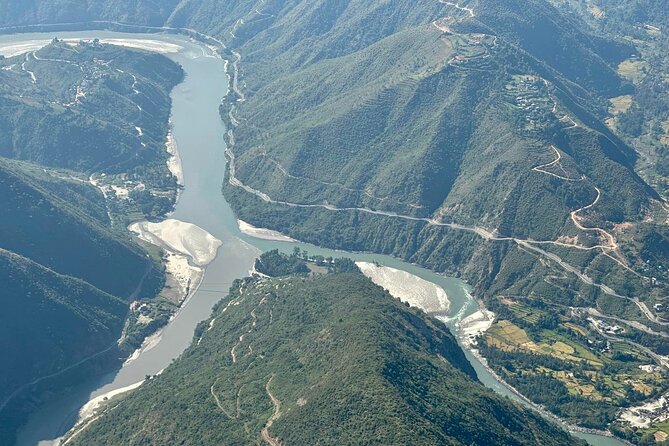
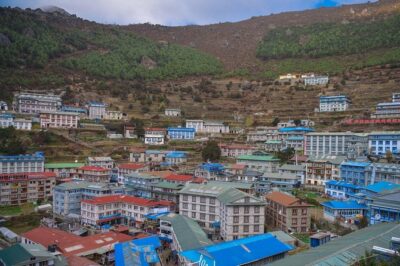
Day 3 is your walk from Phakding to Namche Bazaar. Namche is the main hub people talk about for a reason: it’s where the trek starts to feel like a long journey, not just a hike. You’ll also start seeing more of the surrounding Everest region as the trail climbs.
Then comes Day 4: an acclimatization day at around 3,880 meters. This is smart scheduling. Everest trekking isn’t only about distance—it’s about giving your body time to adjust. On acclimatization days, you get a chance to move lightly and breathe easier before rising further.
From a comfort standpoint, upgraded tea houses help you recover better, too. You can’t “teahouse your way” out of altitude, but warm meals, decent beds, and less stress about where you’ll sleep count.
Day 5: Tengboche (3820 m) and the monastery-view vibe
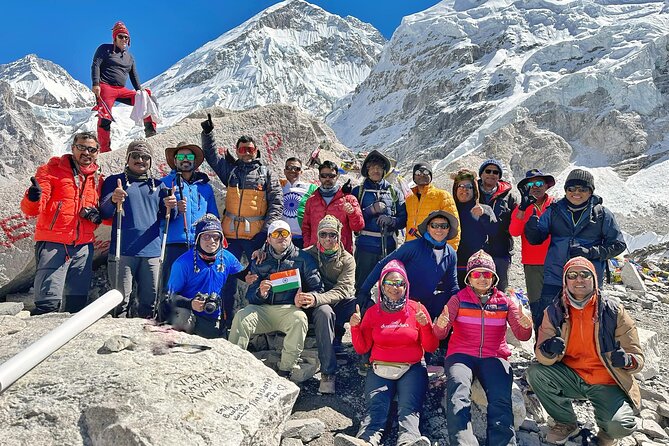
On Day 5 you leave Hotel Everest View and head to Tengboche (about 3,820 m). The trek leg is typically 4 to 5 hours. Tengboche is one of those places where the trail feels more spiritual and the views feel more immediate.
This is also a day where good pacing really pays off. If you push too hard on the climb, you pay later—usually at night when your sleep turns into a guessing game. With “luxury,” you might expect the trail to be easier, but it’s still a mountain trail. The luxury part mostly keeps your base comfortable between efforts.
Day 6 and 7: Diboche to Dingboche, then another acclimatization break
Day 6 takes you from Diboche to Dingboche at about 4,360 meters, with a typical 5 to 6 hour walk. This is higher trekking, and it’s where many people start to feel the altitude more clearly.
Day 7 is another acclimatization day in Dingboche. You’re not meant to “just power through.” The point is to help your body adjust before you climb toward Lobuche and the final Everest approach.
This is one of the best parts of the itinerary for you if you want a smoother experience. Many trekking schedules move too quickly for comfort. Here, there’s time built into the plan—so you can enjoy the journey instead of only surviving it.
Day 8: Dingboche to Lobuche—where weather can get serious
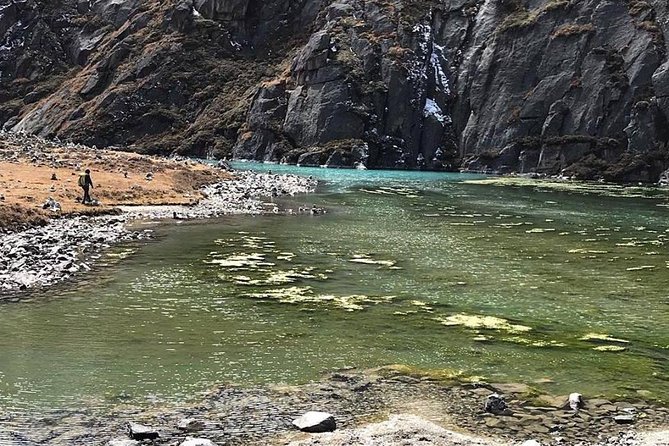
Day 8 hikes from Dingboche to Lobuche. It’s described as moderate, usually 5 to 6 hours, and it can bring challenging conditions at high altitude. The big value of this day is that it’s a turning point: you move closer to the harsher, rockier terrain and stronger “Everest weather” feel.
What to watch for: wind shifts and colder mornings. Even with upgraded tea houses, you’ll still feel the mountain. Layering is everything, and I’d treat gloves and a warm hat like non-negotiables rather than “optional gear.”
Day 9: Lobuche to Gorakshep and the approach to Base Camp
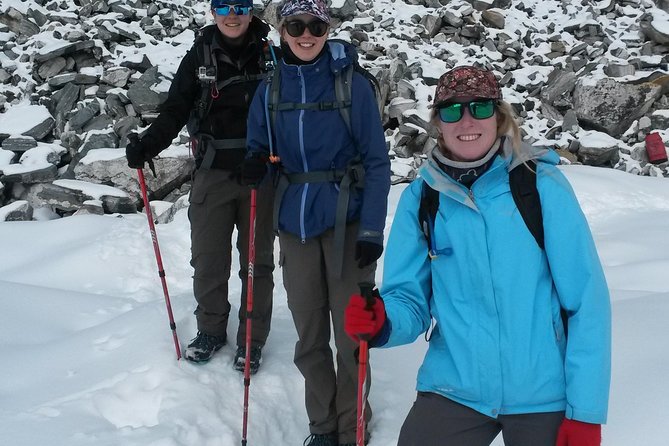
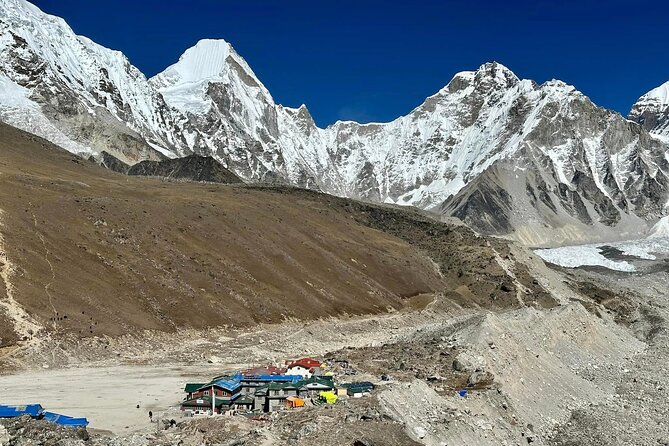
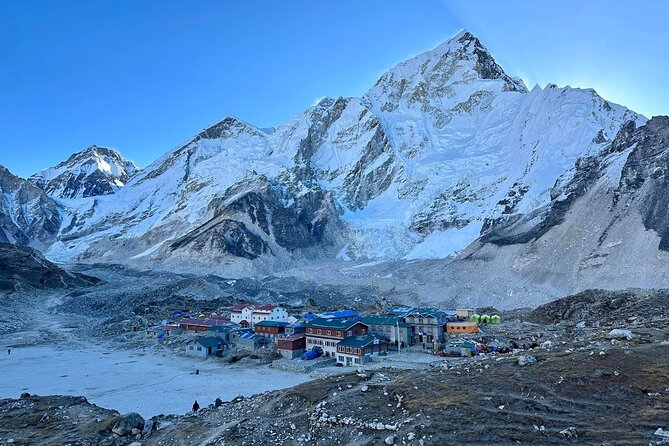
Day 9 climbs from Lobuche to Gorakshep and Everest Base Camp. It’s listed as strenuous—about 6 to 7 hours—and the trail includes rocky high-altitude terrain and glacial moraines. Expect changing views and a more rugged feel as you near the Everest Base Camp area.
This is also the day where mental energy matters as much as physical energy. The trail can look similar from segment to segment, but your altitude gains keep stacking. Plan on arriving ready to rest. Even luxury trekking can’t outrun fatigue.
One more practical note: because your return uses a helicopter later, the final approach days become even more important. You’ll want clear communication with your guide about where to store gear and what to keep accessible for the next morning(s).
Day 10: Kalapatthar (5,545 m) and the panoramic payoff
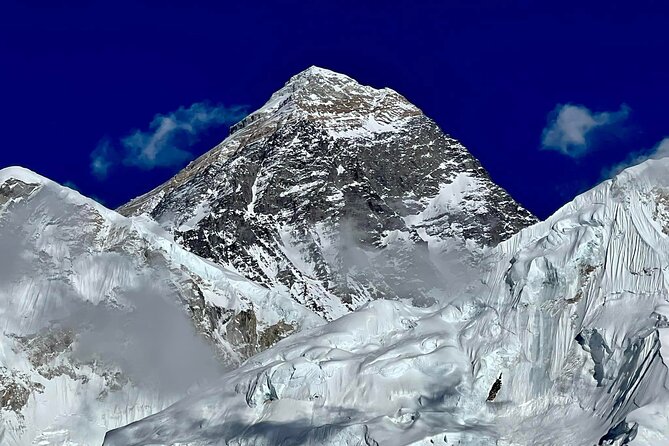
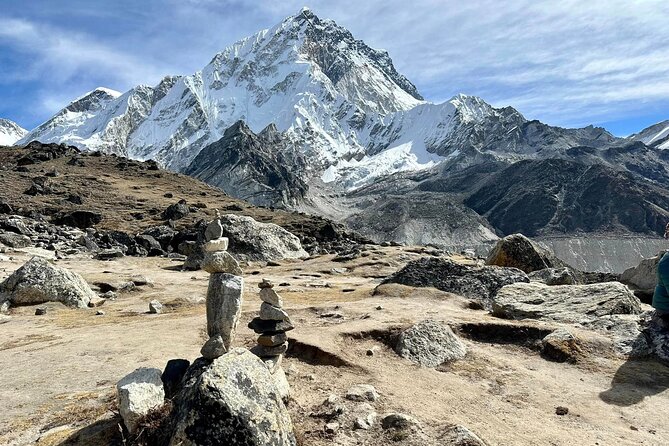
Day 10 is a highlight built for views: you hike from Gorakshep to Kalapatthar, at about 5,545 meters. Kalapatthar is one of the most popular Everest Base Camp trek moments because it can deliver panoramic views of the surrounding peaks.
The trade-off is physical effort. If you’ve had a slower day because of altitude, this is the kind of climb where you’ll want to go steady and let your lungs do the work—not your ego.
From a luxury perspective, here’s where the upgraded experience helps most: better meals, better recovery, and less stress. You still earn the view, but you’re not doing it with chaos in the background.
Day 10/11 finish: the shared helicopter return you planned for
Your helicopter ride is included: from Gorakshep to Kathmandu (sharing). That’s a big deal for your travel rhythm. Instead of losing two more trekking days to the descent, you likely regain time and energy in Kathmandu.
A “sharing” helicopter also means you should expect some scheduling reality. The tour focuses on spring and autumn timing because those seasons improve helicopter stability. If conditions reduce flying options, you might have to adjust in ways that affect timing—and again, extra mountain expenses aren’t listed as included.
But when it works, it’s the most dramatic luxury feature on the whole trip: Everest felt huge from the trail, then you look at it again from the air, and the contrast is unforgettable.
Kathmandu farewell: hotel comfort meets culture night
Day 11 brings your transfer back to the airport—about 3 hours before your scheduled flight. That buffer is useful in Kathmandu, where timing can get unpredictable.
Earlier in the trek, you’ll also have a last night farewell dinner at an authentic Nepalese restaurant with a cultural performance. This isn’t just entertainment padding. It’s a clean way to end the journey while you still have the mountain energy in your body, and before you get swept back into airports and long-haul flights.
Meals, permits, and tea house “luxury” that matters
Let’s be real: “luxury” in the Everest region is mostly about comfort inside limitations. Here’s what’s included that directly improves your day:
- Lunch, dinner, and breakfast during the trek
- Upgraded tea houses on twin sharing
- A first aid kit and medical supplies
- Travel and rescue arrangements (but note that travel insurance is not included)
You also get TIMS permit and Khumbu valley fees included, which saves time and paperwork stress. On the trail, that matters because you don’t want to waste energy solving admin.
For food, vegetarian is available if you request it during booking. That’s a key detail if your diet isn’t flexible at altitude.
About drinks and comfort items: hot shower and bottle/boiled water are listed as personal expenses, along with phone calls, laundry, and battery recharge. So plan on paying for conveniences when you want them.
The guide and porter setup: Prakash-level expertise and less strain
The tour includes an experienced guide and a porter. The ratio listed is 1 porter for 2 clients, which helps you keep your load reasonable. That’s important for comfort and safety because trekking days at altitude can drain more energy than you expect.
And yes, the human side matters. In the feedback you’ll see praise for guides like Prakash and for the organized owner Bhagwat—people who manage the trip details so you don’t have to.
Also included: a duffle bag that’s returned after the trek, plus company t-shirts. The duffle bag detail is practical: it reduces the “what do I carry every day?” confusion and lets you keep the right things with you.
Altitude and fitness: what moderate fitness means in practice
The tour says you should have moderate physical fitness. For Everest Base Camp, “moderate” doesn’t mean easy. It means you can handle steady uphill walking, long days, and the slowdown altitude causes.
The itinerary spacing helps. You get acclimatization days (around Namche/3,880 m area and Dingboche/4,360 m), which is the right approach for comfort and reducing the chance of pushing too hard.
Still, protect your body. Don’t treat this like a weekend hike. If you feel unusually unwell—headache, nausea, weird exhaustion—tell your guide and don’t “walk it off.” The trek includes medical supplies and rescue arrangements, but your best tool is early honesty about how you’re feeling.
Price and value: where $4,500 actually earns its keep
At $4,500 per person, this is not budget trekking. So what’s the value?
You’re paying for:
- Two nights in a 5-star Kathmandu hotel
- Private airport transfers
- Flights to and from Lukla
- Upgraded tea houses
- Meals during the trek
- A porter support model
- TIMS/Khumbu fees
- And the big one: shared helicopter fare from Gorakshep to Kathmandu
When you compare the cost of luxury tea house upgrades, Kathmandu hotel comfort, and especially the helicopter ride, the price starts to make sense. You’re paying to buy back energy and time at the end, and to reduce daily hassle while your body is under stress.
What’s not included is also important value-wise: Nepal visa, international airfare, extra Kathmandu nights if your schedule changes, and travel insurance. Plus, extra mountain expenses if you get stuck due to weather delays can fall outside the package.
If you want a “premium” EBC that feels organized and less exhausting on the back end, this price is easier to justify.
Who should book this trek (and who might not)
This trek fits you best if:
- You want the Everest Base Camp goal with more comfort than standard teahouse trekking
- You prefer a structured plan with acclimatization days
- You like the idea of a helicopter return rather than hiking down
- You’re traveling as a private group and want everything handled
It might not fit if:
- You’re strongly budget-focused and don’t care about upgraded tea houses or helicopter return
- You hate altitude walking and want something truly minimal-effort (because Kalapatthar still takes effort)
- You’re not willing to accept weather-driven changes and potential extra costs during delays
Should you book this Luxury Everest Base Camp Trek?
If you’re aiming for a real Everest trek with fewer stress points, I’d say yes—especially if the helicopter return is the feature you’re excited about. The itinerary’s acclimatization rhythm, the upgraded tea houses, and the Kathmandu comfort package combine into a trip that feels thoughtfully built.
But book with eyes open. Keep some flexibility for mountain timing, request vegetarian meals if you need them at booking, and plan for personal expenses like hot showers and drink costs. If you want Everest Base Camp without turning your whole body into a battery charger for days on end, this is a strong option.