REVIEW · KATHMANDU
Annapurna Full Circuit Trek
Book on Viator →Operated by Adventure Blossom Treks and Expedition Pvt.Ltd · Bookable on Viator
Annapurna goes full circle, and so will you. This trek is famous for mountain views and local villages, and what makes this version interesting is how it leans into the full route while steering you onto trails instead of busy jeep sections. I also like that you spend time in places like Manang, where the culture shift can feel like little Tibet, not just another stop on the way up.
Two things I’d highlight: the trail-first approach through the Marshyandi Valley segments (so your day feels like hiking, not traffic), and the way the trek is supported by guides who watch how you’re doing, not just where you are on a map. One consideration: this is an all-in, higher-altitude trek, and it needs good weather and real stamina, especially if you’re not used to long days on foot.
In This Review
- Key highlights that matter in the real world
- Why this Annapurna Full Circuit feels different now
- From Kathmandu: a guided start that sets your pace
- The first trekking days: forests, villages, and the long walking rhythm
- Beshisahar to Syange/Jagat: why route planning can change your day
- Manang village: where the trek turns into a cultural moment
- Thorang-La pass area and the altitude reality check
- Daily comfort: meals, a real guide, and private logistics
- Price and value: what $1,952 buys you (and what it doesn’t)
- Fitness and packing: a moderate trek that still demands consistency
- Who should book this, and who should think twice
- Should you book the Annapurna Full Circuit Trek?
- FAQ
- How long is the Annapurna Full Circuit Trek?
- Where does the trek start from?
- Is pickup included?
- What time does the experience start?
- What’s included in the price?
- Is bottled water included?
- Do I need to be very fit?
- Is this a private tour?
- Is cancellation free?
- About the SCUBA equipment
Key highlights that matter in the real world
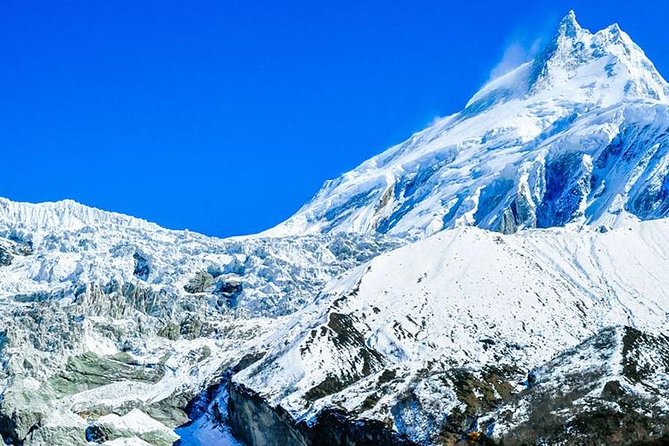
- Trail over jeep tracks on Marshyandi Valley sections, so your trekking rhythm stays intact.
- Manang village cultural shift that many hikers describe as feeling like you’ve stepped into a Tibetan-influenced world.
- Himal’s hands-on support: daily check-ins on health, appetite, sleep, and oxygen (from guide feedback).
- Kathmandu orientation with Sunita to help you get your bearings before the trek begins.
- Private transport + private tour for your group only, with meals included.
- The scuba equipment listed in the package is unusual for a trekking trip, so I’d ask the operator to clarify what you’ll actually use.
Why this Annapurna Full Circuit feels different now
The Annapurna Full Circuit is already a dream for hikers who want variety. What’s changed in recent years is road building along parts of the route, especially in the Marshyandi Valley. This trek addresses that by using trails to avoid jeep tracks where possible, which matters more than it sounds. When you’re walking hour after hour, the difference between a real trail day and a vehicle-adjacent day is huge.
I also like that the route is framed around more than just summits and photo stops. You move through human settlements tied to different ethnic groups, so you get repeated chances to see everyday life close up, not as a quick cultural bus stop. At higher altitude, Manang is specifically called out, and that’s where the cultural and lifestyle shift becomes one of the trek’s most memorable themes.
You can also read our reviews of more tours and experiences in Kathmandu.
From Kathmandu: a guided start that sets your pace
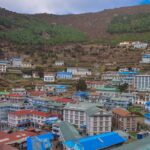
This trek is based out of Kathmandu, and it’s not just a logistically useful detail. Before you leave for the trail, you’ll want to understand how things work—where to be, how timing works, and what to expect when altitude starts changing your body. In feedback about Adventure Blossom Treks and Expedition Pvt.Ltd, Sunita is mentioned for showing people around Kathmandu and helping them learn a lot before the trek began.
You’ll also get private group handling, which is practical on day one. The trek experience includes pickup, and it uses a mobile ticket, which typically makes it easier to keep track of your plan. The listed start time is 7:15 am, so you should plan on an early, focused morning rather than a slow start.
The first trekking days: forests, villages, and the long walking rhythm
You begin with transportation from Kathmandu to Syange/Jagat via Beshisahar. Even if you’re not trekking the whole time on those first travel legs, it matters because it shapes your first hiking rhythm. Lower altitude is described as passing through thick fir and rhododendron forests, which is exactly the kind of walking environment that keeps your pace steady. Cooler air, shade, and a soft canopy can make those first effort-heavy days feel more manageable.
Then the trek continues through settlements where you’ll meet local people from different ethnic groups. This is where you’ll learn quickly that the trek isn’t only about weather and altitude; it’s also about how communities live along the route. Those repeated interactions can break up the mental fatigue of long stair-like climbs and long ridge walks.
One practical note: bottled water is listed as not included. That means you should plan your hydration strategy ahead of time, because hydration problems tend to show up on the trail before you notice them in day-to-day life.
Beshisahar to Syange/Jagat: why route planning can change your day
Beshisahar isn’t just a transit point in this trek. It’s part of how you ease from road travel into trail travel without feeling like your legs get yanked from one world into another. The trek description emphasizes that the route follows the full circuit line while still using trails to avoid jeep tracks in the Marshyandi Valley sections. That choice affects your stress level.
Jeep-adjacent hiking can mean dust, engine noise, and more stop-and-go pressure on your body. A trail-first approach tends to feel more consistent: one steady climb, one steady descent, and fewer surprises. If you care about the emotional tone of a trek—how calm or chaotic it feels—this is a meaningful difference.
Manang village: where the trek turns into a cultural moment
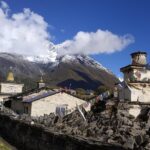
At higher altitude, you visit Manang village. The trek description makes a specific comparison: Manangi people follow their own culture and traditional lifestyle, and it can feel like you’re visiting little Tibet. That kind of cultural shift is more than a fun line for a brochure; it changes how the trek feels day to day.
In practice, this is usually where hikers notice their routine becoming less about forests and more about altitude timing: how you breathe, how slow you move, and how often you check how you’re feeling. The guide support here matters. In feedback about the guide Himal, people mention daily checking of health, appetite, sleep, and oxygen. That’s the type of attention that can help you adjust your pace early rather than pushing too hard too long.
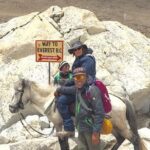
Thorang-La pass area and the altitude reality check
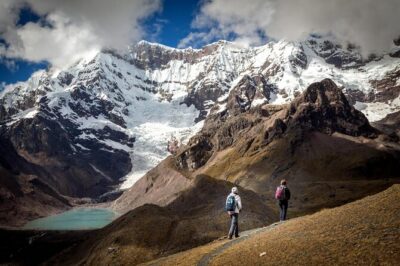
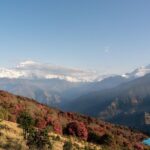
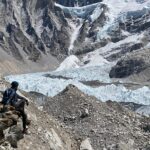
Some trek versions of the Annapurna Circuit are remembered for the pass days, and in the feedback for this experience, Thorang-la pass is specifically mentioned as part of the trek experience. Pass days are where your planning meets physics. Even if the route is well managed, your body still has to handle altitude, slower oxygen delivery, and the mental grind of long distances.
This is also where the guide approach becomes part of the safety net. The feedback highlights that Himal corrected plans based on conditions and took care of hikers by tracking how they were eating, sleeping, and responding through the oxygen level. That sort of daily monitoring isn’t just comforting—it can prevent the common mistake of thinking you’ll feel fine until you don’t.
If you’re planning to do this trek, I’d think of the pass portion as a test of pacing and patience, not speed. Your goal is to keep moving in a way you can repeat tomorrow.
Daily comfort: meals, a real guide, and private logistics
The package includes breakfast, lunch, and dinner throughout the trek, plus private transportation and a trekking guide. That’s a big value point because trekking costs add up quickly when meals aren’t included. With meals covered, you can focus on what matters most on a long route: consistent energy and not constantly making decisions.
I also like that it’s a private tour/activity. The description says only your group will participate. That tends to make the trip feel more personal and easier for a guide to manage—especially when adjustments are needed for different fitness levels or how people are responding to altitude.
One more thing: the list of included items shows use of SCUBA equipment. For a mountain trek, that sounds odd. I can’t confirm what’s going on from the info provided, but it’s worth asking the operator before you assume anything. If it turns out to be a listing error, you’ll save time and questions later. If it’s genuinely part of something, you’ll want clarity so you can pack correctly.
Price and value: what $1,952 buys you (and what it doesn’t)
The price is listed at $1,952.00 per person for a trek of about 20 days. That’s not cheap, but for Nepal treks it’s often where you’re paying for operational support: guide time, private transport, and meal coverage. When those basics are included, you’re less likely to get hit with surprise daily costs that quietly inflate the total.
Still, there’s a clear item not included: bottled water. Also, while meals are included, your comfort level can depend on what you choose to eat in those meals and how your body handles altitude appetite changes. That’s another reason a guide who checks your eating and well-being matters.
Overall, I’d treat this as a mid-to-higher value trek option where you’re paying for coordination and steady care, not just for the name Annapurna on a page.
Fitness and packing: a moderate trek that still demands consistency
The provided info says you should have a moderate physical fitness level. That’s encouraging, but it doesn’t mean this is an easy stroll. Full circuit treks still require long days, repeated climbs, and time in thin air. Your best strategy is to train for endurance and leg strength, not just for one strong day.
If you haven’t hiked at altitude before, practice with good habits at home: walking longer distances, building calf/quad strength, and learning what it feels like to keep a steady pace when breathing gets harder. On the trail, your pace should reflect the altitude, not your ego.
Also, because bottled water is not included, plan ahead so you’re not scrambling when you’re tired. Hydration failures can make everything feel worse—especially on long hiking segments.
Who should book this, and who should think twice
This trek is a strong fit if you want:
- a full circuit experience that avoids some jeep noise by using trails,
- meaningful cultural time, especially around Manang,
- and hands-on guide support that focuses on your condition, not just the route.
It may be less ideal if you’re:
- looking for a very lightweight trek with minimal altitude strain,
- unsure about your stamina for a roughly 20-day commitment,
- or sensitive to early mornings (the start time is listed as 7:15 am).
Should you book the Annapurna Full Circuit Trek?
I think this is worth considering if you want the Circuit’s classic highlights but you also care about how the days feel: trail-first walking, cultural contact along the way, and a guide who pays attention to altitude response. The guide and team feedback—especially about Himal’s daily monitoring and Sunita’s Kathmandu support—points to a trip run with real care.
If you’re tempted, do one smart homework step: message the operator and confirm what the package means by use of SCUBA equipment. After that, if your fitness is ready and you’re comfortable with a weather-dependent mountain trek, this is a solid way to experience the Annapurna Full Circuit with more support and less chaos.
FAQ
How long is the Annapurna Full Circuit Trek?
The duration is listed as 20 days (approx.).
Where does the trek start from?
It is based in Kathmandu, Nepal, with travel from Kathmandu to Syange/Jagat via Beshisahar.
Is pickup included?
Pickup is offered.
What time does the experience start?
The listed start time is 7:15 am.
What’s included in the price?
Included items list breakfast, lunch, dinner, use of SCUBA equipment, private transportation, and a trekking guide.
Is bottled water included?
No. Bottled water is not included.
Do I need to be very fit?
You should have a moderate physical fitness level.
Is this a private tour?
Yes. It’s a private tour/activity, and only your group participates.
Is cancellation free?
Free cancellation is available, and you can cancel up to 24 hours in advance for a full refund. The experience also depends on good weather. If it’s canceled due to poor weather, you’ll be offered another date or a full refund.
About the SCUBA equipment
The included list mentions use of SCUBA equipment. Since this is a trekking trip, I’d ask Adventure Blossom Treks and Expedition Pvt.Ltd to clarify what you’ll actually need.