REVIEW · SA PA
1 DAY Trek the Most Beautiful Villages of Sapa & Local Guide
Book on GetYourGuide →Operated by Do Sung Sapa Trekking and Homestay · Bookable on GetYourGuide
A Sapa day hike turns into village time fast. You’ll walk among rice terraces and spend hours with an English-speaking Hmong guide who shares mountain village life stories (including how girls and women navigate work and family). For $18, it’s one of the more direct ways to see Sapa’s valleys without turning it into a bus-and-bite stop.
The only real catch is the group pace and the fact that the hike can run close to 5–6 hours for about 12 km. If you want a slower, fully custom experience, you’ll probably feel better with the private option.
Key points that matter
- Rice terrace views that shift all day, especially when the fields are in harvest colors.
- English-speaking Hmong guides (I’ve seen Do and Zu praised for clear explanations and good humor).
- Village lunch + a traditional house visit so you’re not just passing through.
- A real trek, not a short photo-walk, with a planned rest stop along the way.
- Local women support: your booking helps fund Hmong women working as guides.
In This Review
- Why This Sapa 1-Day Villages Trek Feels Different
- Meet Your Guide at Sapa Church (and What to Expect First)
- Y Linh Ho: Terraces First, Then a Calm Reset
- Lao Chai Lunch and the Hmong Traditional House Visit
- Ta Van Walk: Giay and Hmong Communities Toward Pickup
- The Trek Reality Check: 12 km, Uneven Footing, and Rain
- What $18 Gets You (and Why It’s a Good Value)
- Responsible Tourism You Can Actually Feel During the Day
- Who Should Book This Trek (and Who Might Skip It)
- Should You Book This One-Day Village Trek?
- FAQ
- How long is the trek?
- Where do we meet, and what time will we be back in Sapa?
- What does the price include?
- Are the guides English-speaking?
- Which villages are part of the route?
- How far do you walk?
- What should I bring for this hike?
- Is alcohol allowed during the tour?
- Is there a private tour option, and what’s the cancellation policy?
Why This Sapa 1-Day Villages Trek Feels Different
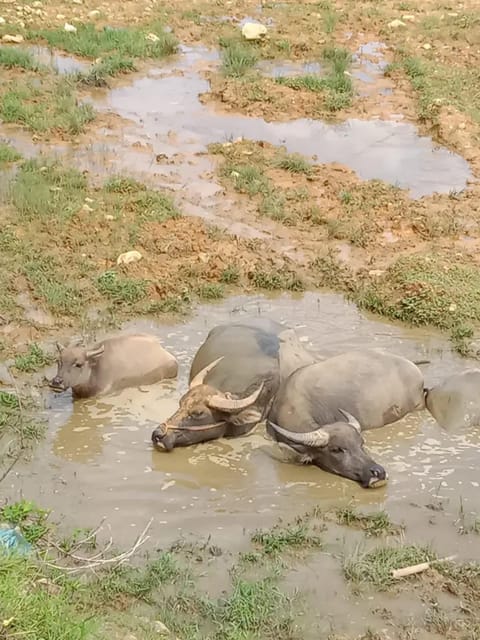
Sapa has a way of making every “easy” outing look dramatic. This trek is built around that: you start near the town, then you walk down into the villages where the scenery isn’t just for photos. It’s the working landscape of rice, gardens, and daily routines.
What I like about this format is that it’s not trying to cram in ten sites. You spend real time moving between Y Linh Ho, Lao Chai, and Ta Van, and each place has a different rhythm. One stretch focuses on terrace views and field edges. Another becomes a village conversation moment with lunch and house visits. And you finish with an easy pickup back toward Sapa.
You also get something many Sapa tours skip: meaningful context. The guide team includes local women, and you’ll hear life stories about growing up in mountain villages, past limits on schooling, and the way arranged marriage and early family life shaped their generation. It’s not a lecture. It’s lived experience, shared along the trail.
Meet Your Guide at Sapa Church (and What to Expect First)
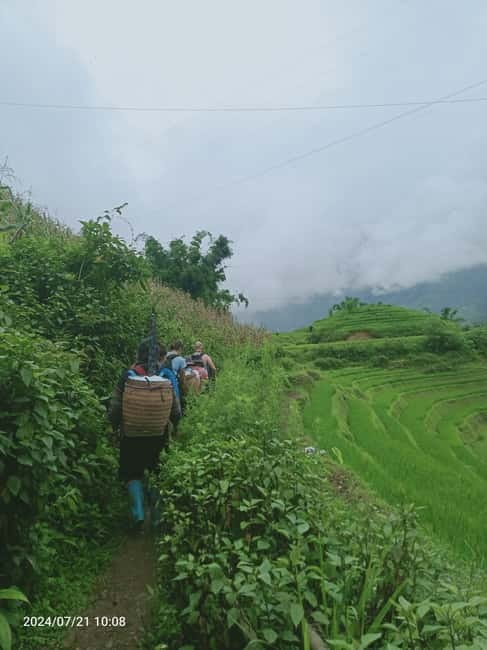
You’ll meet at the church in Sapa to start. There’s usually a brief introduction, then you’re moving down from town into the trekking route.
A detail worth knowing: this is a group tour. That matters more than it sounds. Group walking changes the pace, the number of photo stops, and how quickly you cover distance. If you’re the type who hates waiting, bring patience. If you like chatting and soaking up local context, group time can actually make the hike better.
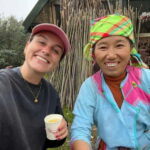
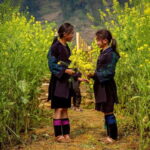
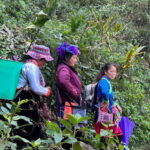
The guides are local Hmong and speak English well. Based on guide feedback you’ll see a pattern: they explain what you’re seeing instead of just pointing. You may hear plant and farming notes (including rice and indigo cultivation), plus cultural context that helps you understand what you’re walking through.
You can also read our reviews of more tours and experiences in Sa Pa.
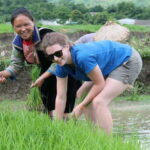

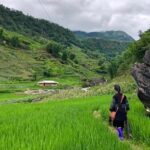
Y Linh Ho: Terraces First, Then a Calm Reset
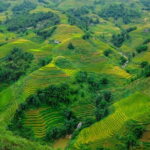
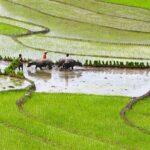
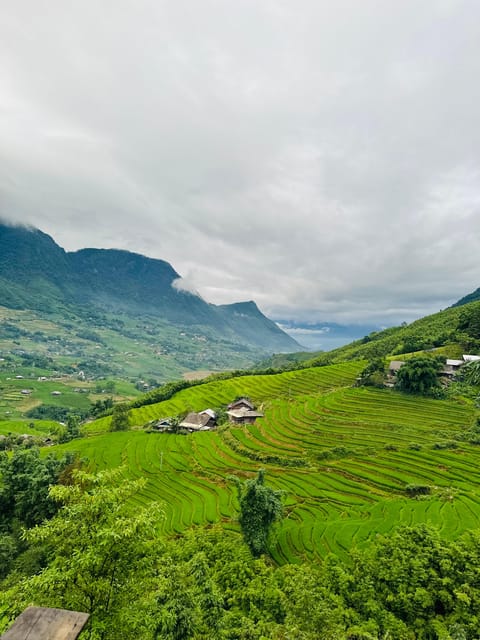
Your first walking stretch heads toward Y Linh Ho. Expect a steady downhill feel at first—more like stepping into the valley than climbing into it. The goal here is to let your eyes adjust: rice terraces show up in layers, with narrow paths cutting between field edges.
After about two hours, there’s a rest stop (around 20 minutes). This is one of those smart tour design choices that makes a difference. You get a break before the next village section, which is especially helpful if you’re not used to uneven steps.
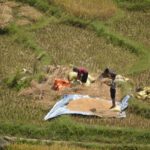
Why this stop works: Y Linh Ho isn’t just a viewpoint. It’s a place where farming shapes the whole view. When the fields are in harvest season, the colors can shift into gold and green tones, and the terraces look especially textured.
Drawback to consider: if you start late in the day, the light changes quickly and the best terrace colors can slide away. Try to match this tour with a daylight-heavy part of your schedule.
Lao Chai Lunch and the Hmong Traditional House Visit
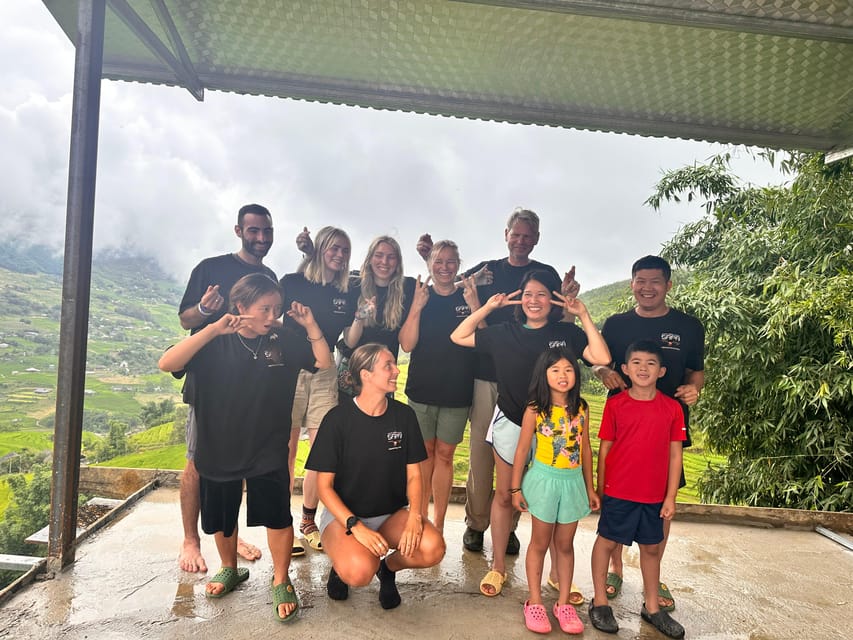
Next comes Lao Chai, one of the bigger and older Hmong community areas in the region. This is where the tour slows down in the best way: you stop for lunch in the village, then you’ll visit a traditional house.
Lunch matters here because it’s not an add-on. It’s part of how you spend time with the community. You’ll get a break from trekking and a chance to ask normal questions without it feeling like an interview. Even if your Vietnamese is limited, your guide’s English explanations can fill in the gaps about daily life and farming routines.
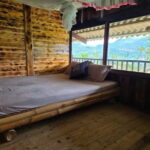
The traditional house visit is also a good balance point. You’re not just looking at culture from the outside. You get a controlled, guided look that’s designed to help you connect what you see on the trail with how people live when they’re not hosting visitors.
Practical note: lunch is included, but drinks aren’t. If you think you’ll want something cold, plan on buying it separately.
Ta Van Walk: Giay and Hmong Communities Toward Pickup
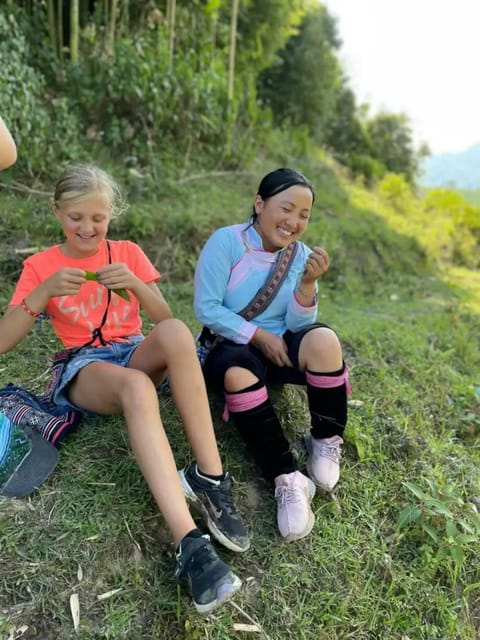
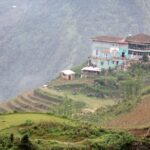
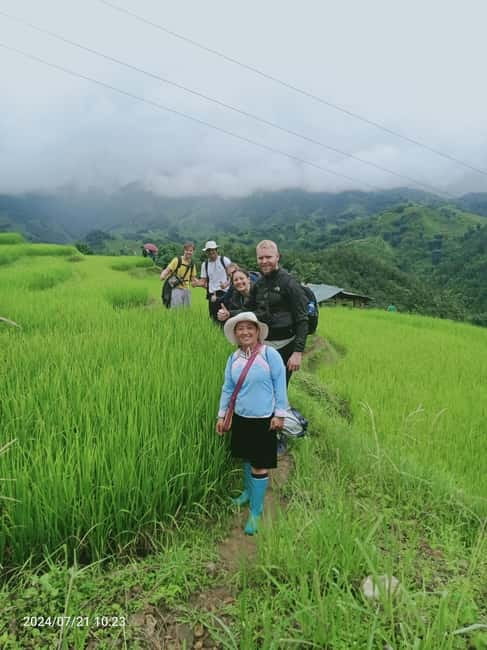
After Lao Chai, you continue on to Ta Van, a village mostly inhabited by Giay and Hmong ethnic minorities. The walking section here is often the “scenery payoff” part of the day—more of those trail-to-terrace moments where you can see how people built paths around the mountainside.
You’ll spend about an hour in Ta Van for sightseeing and walking, then the tour ends at a pickup point where a car or motorbike brings you back to Sapa.
This ending structure is convenient. You don’t have to negotiate your own transport after a full morning and early afternoon. The tour includes return transport back to your hotel area after the trek finishes.
One small consideration: finish time can vary (around 2 pm to 4 pm, depending on timing and group pace). If you have a tight dinner plan or a bus you must catch, build in buffer.
The Trek Reality Check: 12 km, Uneven Footing, and Rain
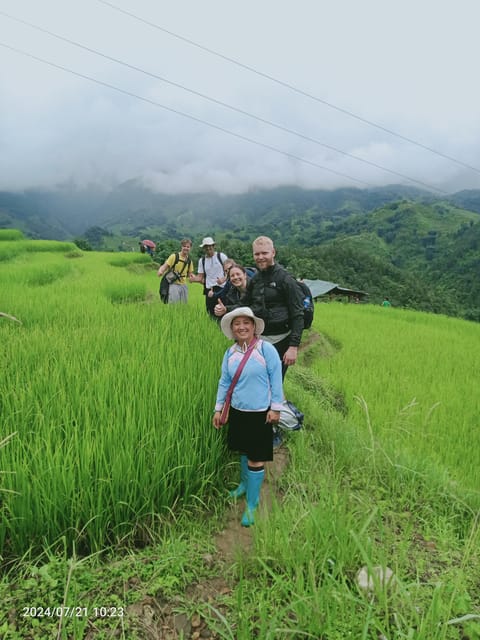
The tour is listed at roughly 5 hours, but you should treat it as 5–6 hours in real life. The distance is about 12 km, and that can feel longer than it sounds when the ground isn’t smooth.
The terrain is a mix of trail walking and village-path stepping. You’ll want shoes with grip. Hiking shoes are strongly suggested, along with comfortable clothes that can handle dust and a few rough moments. Wide-leg pants are useful because they move with you and offer coverage.
Weather is the other big reality check in Sapa. Rain can turn trails slick fast. Bring a light raincoat or outer layer. Sunscreen matters even when clouds roll in. A simple lesson from the guides’ tips: don’t assume overcast means you can skip protection.
Also bring bug protection. Insect repellent isn’t just for summer evenings here. It’s useful on daytime treks too.
If you’re considering mobility constraints, note this is not suggested for people over 95 years old.



What $18 Gets You (and Why It’s a Good Value)
At around $18 per person, this tour looks budget-friendly, but the value comes from what’s wrapped into that price.
Included:
- A local Hmong English-speaking guide
- Lunch at the village
- One small water per person
- Car transportation back to Sapa after you finish
Not included:
- Drinks (like beer or soft drinks)
- Tips
So you’re paying for guide time plus logistics plus food. And the trek itself is the core activity: walking between multiple villages rather than just sitting in a van. For many Sapa visits, transportation alone can eat a big chunk of a day. Here, your transport is handled in a way that supports your schedule instead of breaking it.
If you want more control, there’s a private option. You’ll pay 700,000 VND per person (about $28) for a private tour. That can be worth it if you want a slower pace, more time in a single village, or more frequent stops for questions.
Responsible Tourism You Can Actually Feel During the Day
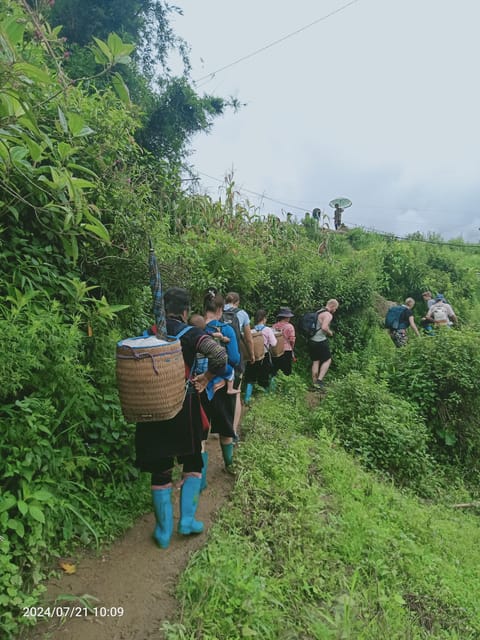
This is one of those tours where your money connects to people’s daily work in a direct way. The guide team is Hmong and organized through local women working as guides with family involvement. You’re not just visiting a village; you’re helping provide income for women who otherwise have fewer work options.
That support is especially meaningful when guides share what their lives were like growing up—no electricity, limited education, and early marriage arrangements. Hearing those stories while you’re walking through the very terrain they grew up in makes the experience feel grounded, not staged.
Important: you should still treat the day like a respectful visit. Don’t show up expecting to consume culture. Show up ready to walk, listen, and ask questions through your guide.
Who Should Book This Trek (and Who Might Skip It)
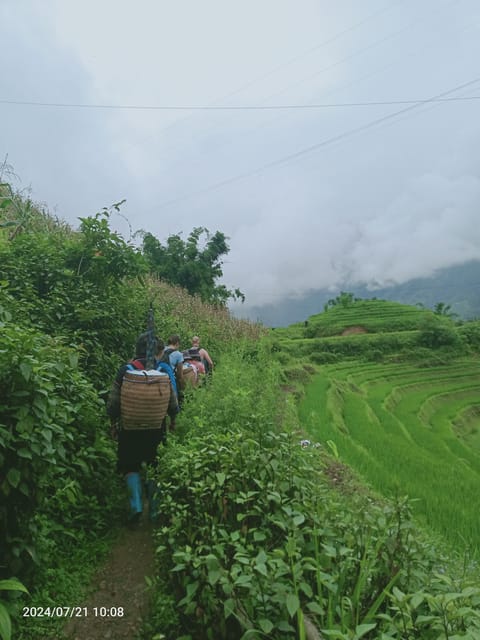
This trek is a great match if you:
- Want a one-day way to see Sapa beyond town
- Like guided cultural context, not just photos
- Are comfortable walking about 12 km with some uneven footing
- Prefer an English-speaking local guide
You might skip or choose private if you:
- Need a very controlled pace (group walking may feel slow or fast)
- Have tight timing constraints with little buffer
- Don’t want to deal with outdoor conditions like sun, insects, or possible rain
Should You Book This One-Day Village Trek?
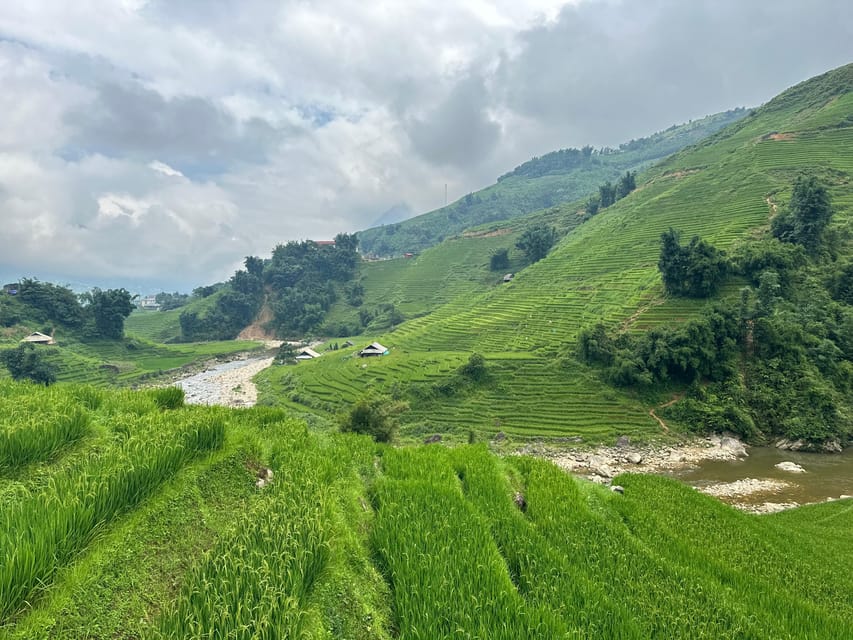
If you want a day that feels like it connects you to village life, this is a solid choice. The included lunch, the English-speaking Hmong guide, and the return transport make it easy to plan. The route covers the key village areas in a way that gives you terrace views plus real community time.
Book it if you can walk about 12 km, bring the right gear, and don’t mind traveling as part of a group. If you’re picky about pace or timing, consider the private option so the day fits your body and your questions.
FAQ
How long is the trek?
The tour runs about 5 hours, but it’s typically around 5–6 hours depending on how the group moves and stops.
Where do we meet, and what time will we be back in Sapa?
You meet at the church in Sapa. The tour ends around 2 pm to 4 pm, and transportation back to your hotel area in Sapa is included.
What does the price include?
The price includes a local Hmong English-speaking guide, lunch at the village, one small water per person, and car transportation back to Sapa after the tour.
Are the guides English-speaking?
Yes. The guide provided for this experience speaks English.
Which villages are part of the route?
The trek includes Y Linh Ho, Lao Chai, and Ta Van.
How far do you walk?
The trek covers about 12 km.
What should I bring for this hike?
Bring hiking shoes, comfortable clothes, a sun hat, sunglasses, sunscreen, insect repellent, and some cash. A light raincoat or outerwear is also recommended.
Is alcohol allowed during the tour?
No. Alcohol and drugs are not allowed.
Is there a private tour option, and what’s the cancellation policy?
A private tour is available for about 700,000 VND per person (around $28). There’s also free cancellation up to 24 hours in advance for a full refund, and you can reserve and pay later.