REVIEW · SA PA
Soob Sapa Trekking Tour
Book on GetYourGuide →Operated by Soob Sapa Trekking Tour · Bookable on GetYourGuide
The views in Sapa hit fast. This Soob Sapa trek blends rice terraces with village moments and ends at Ta Van, guided by a small team and explained along the way. I especially liked the chance to talk with an authentic local guide and the fact that your lunch is cooked by a local family instead of just being a quick break. One thing to keep in mind: while pickup is included, at least one previous guest had to pay for the taxi back, so it’s smart to confirm the return plan.
This is the kind of walk where your day has rhythm: start easy through terrace edges, settle into village life around lunch, then keep moving toward wider panoramas. In practice, the route can be amended for different abilities and weather, which helps if your legs aren’t loving long descents. You’ll also spend time learning about ethnic groups and clothing styles—Black Hmong, Flower Hmong, Red Hmong, Tay, and Dzay—so you’re not just looking at scenery; you’re getting context.
In This Review
- Key highlights at a glance
- Entering Sapa’s terrace world from Sa Pa Church
- The morning walk to Y Linh Ho: terraces you can actually feel
- What to expect on the ground
- Lunch in Y Linh Ho: family-style food with a real pause
- From Y Linh Ho to Lao Chai: Muong Hoa river views that pull you forward
- The timing at Lao Chai
- Lao Chai learning moment: clothing, identity, and respectful questions
- Ta Van village in the afternoon: an end that feels like the mountains
- Guides and small-group pacing: why it matters on a steep day
- Value for $24: what you’re actually paying for
- What to pack and what to wear (this trek is shoe-first)
- Should you book the Soob Sapa trekking tour?
- FAQ
- How long is the trek?
- Where do we meet, and when does it start?
- Is lunch included?
- What’s included in the price?
- What languages are the guides?
- What should I bring, and what shoes are not allowed?
Key highlights at a glance
- Small group size (up to 10) keeps the walk more personal and makes questions easier
- Local guide in English or Vietnamese plus extra explaining from the guide’s family
- Lunch at Y Linh Ho is family-style with vegetarian options
- Muong Hoa river route links terraces, valleys, and mountain views toward Lao Chai
- Village learning stops include traditional clothing of multiple ethnic communities
- Ta Van village finish gives you the mountain-homes feeling of a shared Dzay and Hmong area
Entering Sapa’s terrace world from Sa Pa Church
Your day starts at Sa Pa Church in Sa Pa town at 9:00am, with the trek beginning around 9:30am. This timing matters because the morning light tends to make the terraced fields look sharper and the mountain air feels easier before the trail warms up. If you’re staying in Sapa, the tour includes pickup anywhere in Sapa, which saves you from figuring out local transport while you’re still half in vacation mode.
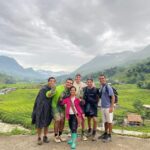
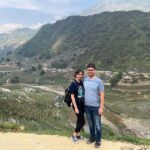
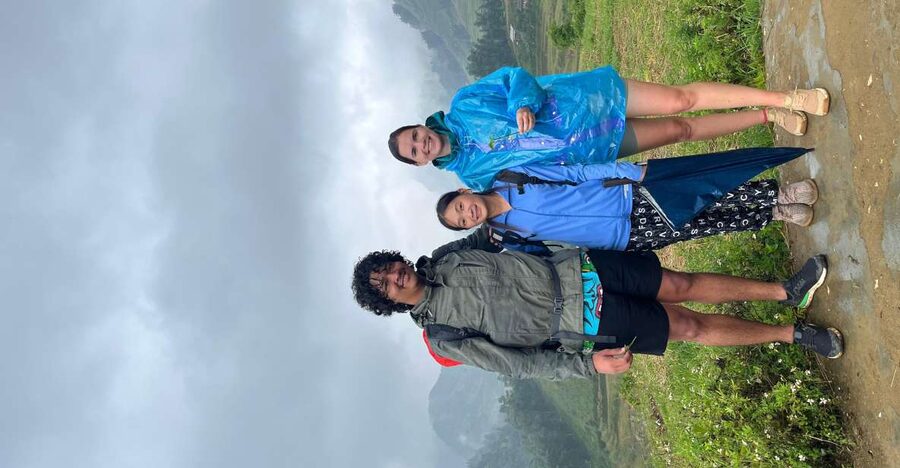
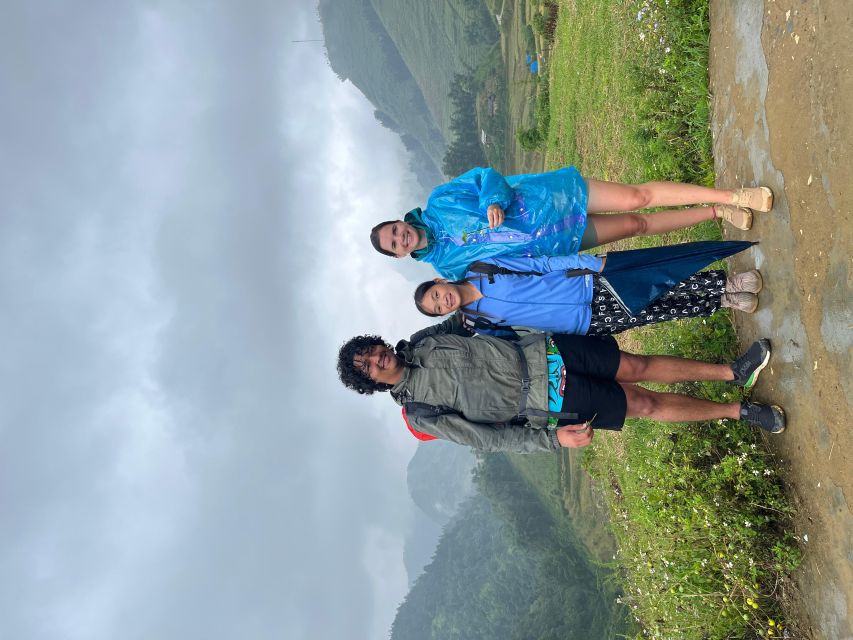
The small-group setup is a big part of why this works. With a limit of 10 participants, you’re not stuck behind a long line of people trying to guess where your guide is pointing. You can also adjust pacing without the group feeling stretched. In one review, the guide’s mother spoke English well and helped explain things along the way—exactly the sort of human detail that makes a trekking day feel grounded instead of scripted.
The only drawback I’d watch for is the practical side of transport beyond the pickup. One review mentioned that return transport wasn’t fully covered and a taxi back had to be paid. That doesn’t mean it’s always the case, but it’s a reminder: confirm whether the pickup included in your booking also covers the return ride to your hotel.
You can also read our reviews of more tours and experiences in Sa Pa.
The morning walk to Y Linh Ho: terraces you can actually feel
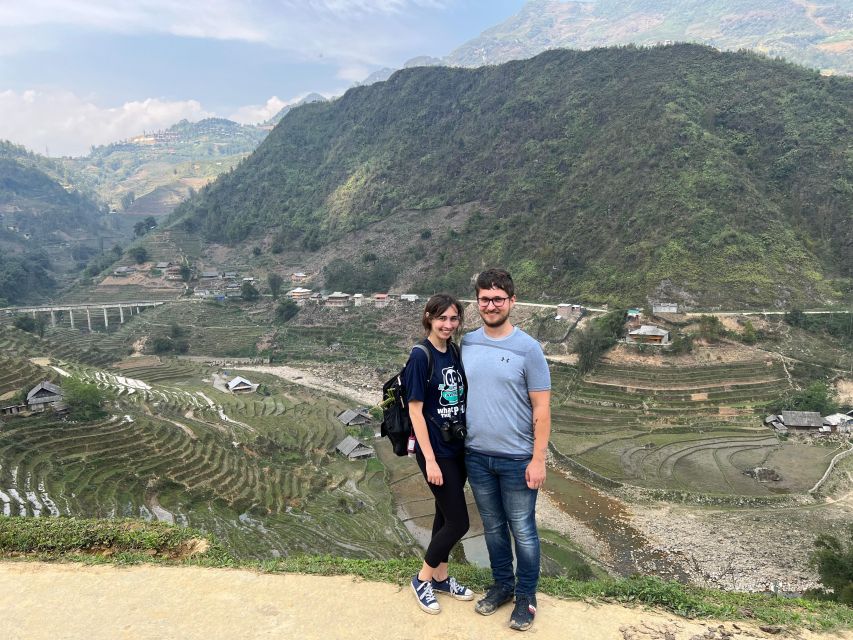
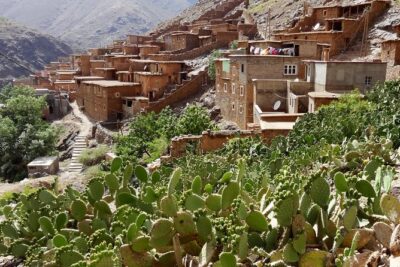
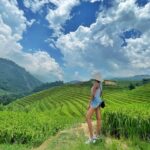
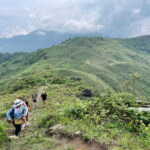
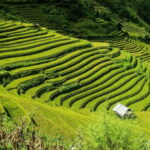
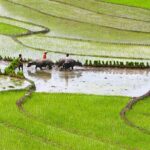
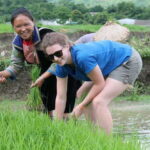
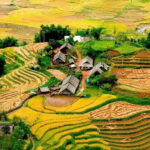
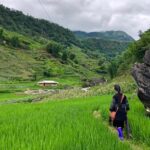
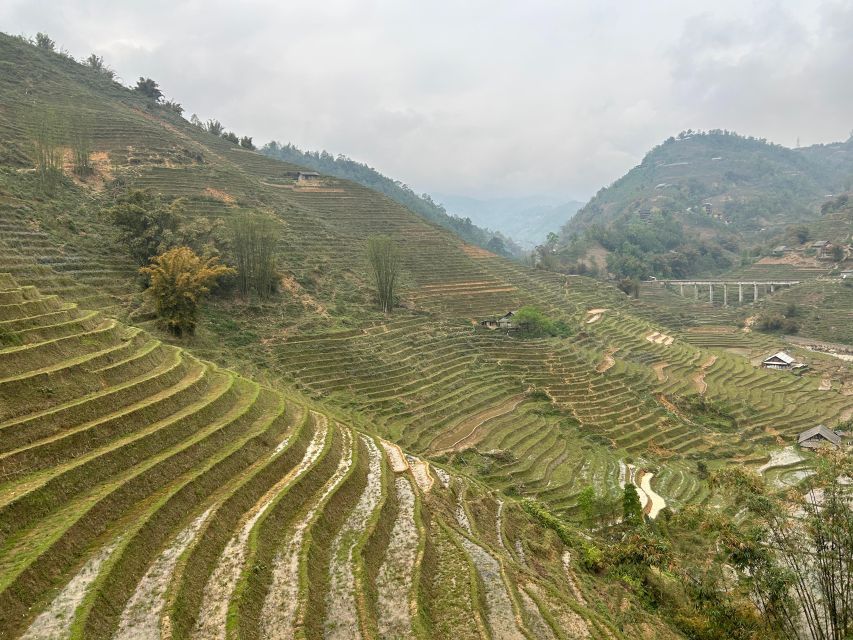
After meeting, you’ll start walking through rice terraces and mountain valleys toward Y Linh Ho village. This first stretch is where you get the “ok, I’m really here” moment. Terraces are beautiful in photos, but on foot you notice the details: narrow footpaths, small changes in slope, and the way villages tuck themselves between water lines and steep hillsides.
You’ll be learning as you go, not just marching. The tour includes time with a guide who explains what you’re seeing, and in at least one experience the guide’s family member added extra context in English. That can help you understand why certain paths, fields, and village spots look the way they do—rather than treating it as a scenic backdrop.
What to expect on the ground
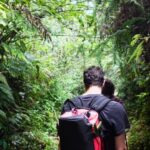
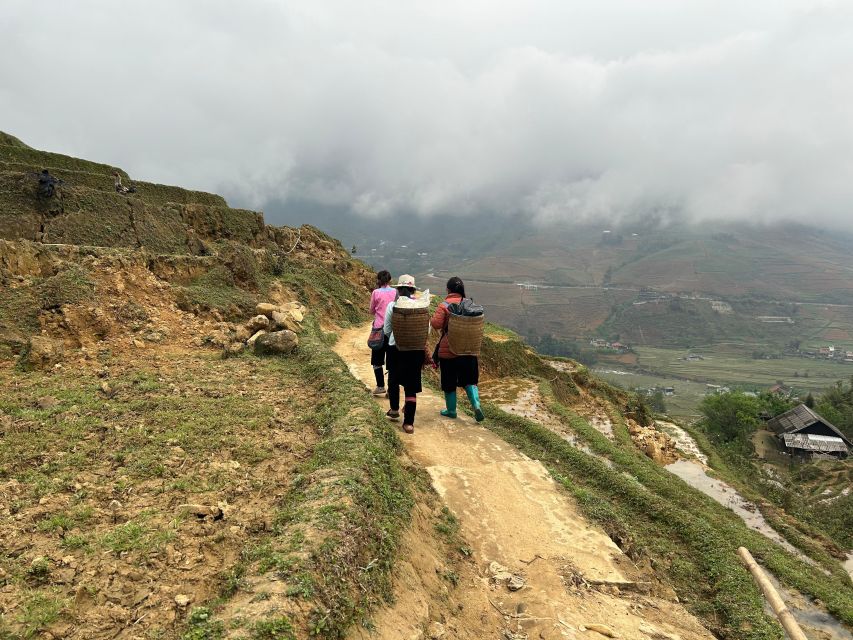
This is not a flat walk. Even if your guide keeps things manageable, you’ll deal with uneven steps and dirt paths that can get slippery if it has rained. If you’ve only done urban walking, pack for a very different pace. The tour’s own guidance also nudges you toward sports shoes and away from open-toed shoes or sandals, which is good advice for keeping your feet safe and comfortable.
Lunch in Y Linh Ho: family-style food with a real pause
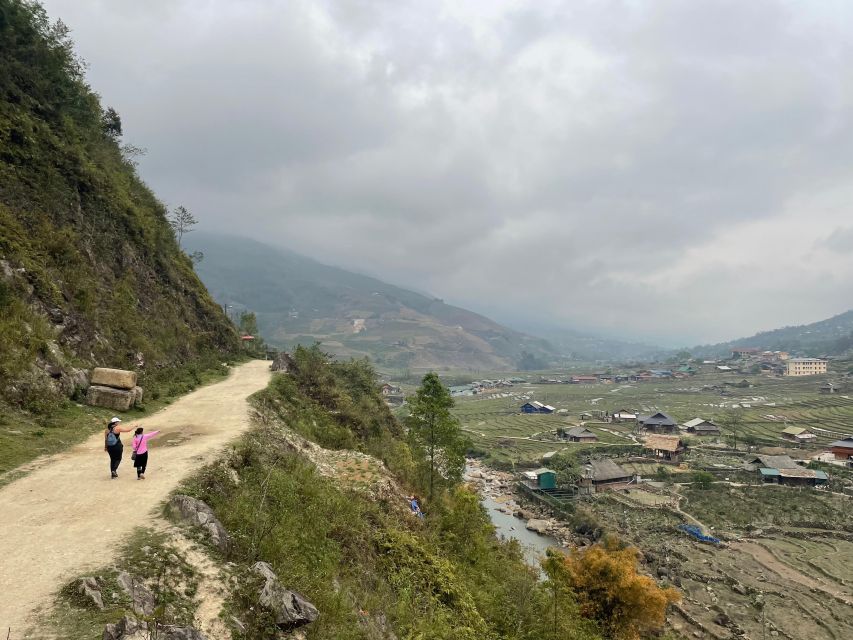
You stop in Y Linh Ho village around 11:30am for a family-style lunch, and the schedule puts this as the main mid-day break. This is one of the most valuable parts of the trek, because a lunch stop like this turns the trail into a conversation with daily life—not just a viewpoint break.
The most helpful detail you get here is that vegetarian options are available. That matters if you eat differently than the average dish set offered in rural home kitchens. If you have strict dietary needs, you’ll want to say so ahead of time, but at least the vegetarian route is explicitly noted.
In the experiences I considered, people didn’t just like the scenery—they liked the guide’s family involvement. When a guide’s mother can explain things clearly and add warmth, lunch becomes part of the learning, not an interruption. You’re also likely to notice how small the village settings are compared to Sapa town. That contrast is one reason this stop feels special: you see the countryside from the inside, not only from a trail edge.
From Y Linh Ho to Lao Chai: Muong Hoa river views that pull you forward
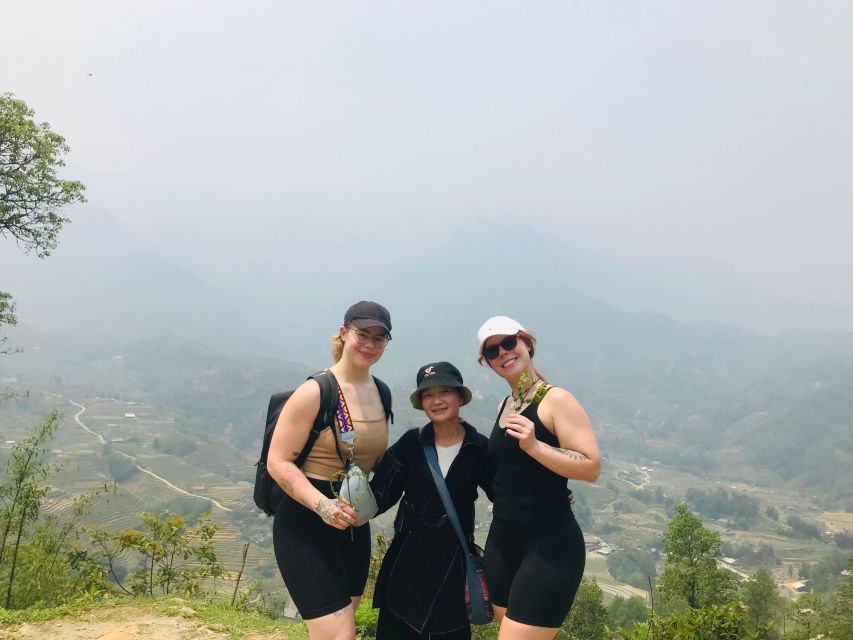
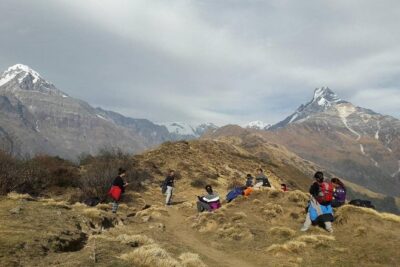
Around 12:30pm, the trek continues from Y Linh Ho through rice terraces and incredible mountain valleys along the Muong Hoa river to Lao Chai. This section is where you’ll feel the trek shift from village-facing walking to panorama-focused walking. You’ll see the Hoang Lien Son Mountain area as the day opens up, and that wider framing can make your legs feel a little more worth it.
The Muong Hoa river corridor is important because rivers often mean settlement patterns. So as you walk, look for how terraces, paths, and village clusters relate to water. Even without a deep geography lesson, it becomes clear why people farm here and how the terrain shapes daily life.



The timing at Lao Chai
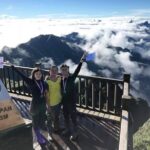
You’ll reach Lao Chai around 1:30pm for spectacular panorama views over the village, river, and mountains. In practice, this timing is great: it’s late enough that you’ve worked up a little appetite, but early enough that you’re not sprinting through the last section in the dark or in heavy evening chill.
Also, it’s when the guide’s explanation time really matters. This stop includes learning about and seeing the traditional clothing of multiple ethnic tribes: Black Hmong, Flower Hmong, Red Hmong, Tay, and Dzay. If you’ve only seen clothing in markets, you’ll notice the difference here—how style becomes identity, and how fabrics and details tie to community life.
Lao Chai learning moment: clothing, identity, and respectful questions
At Lao Chai, the tour calls out time to learn about traditional clothing for several ethnic groups and to actually see it. This is a key part of why the walk feels authentic. People often take a quick photo and move on. A better move is to slow down, ask simple questions, and listen.
If your guide speaks English or Vietnamese clearly, you can use the time efficiently: ask what each outfit signifies, how it connects to the community, and when people wear it. In one experience, the guide’s mother explained things well, which made the clothing stop feel informative instead of just visual.
One practical consideration: you may be tempted to handle fabrics or get very close for photos. I’d keep it respectful and follow the guide’s cues. This isn’t a costume display; it’s living culture.
Ta Van village in the afternoon: an end that feels like the mountains
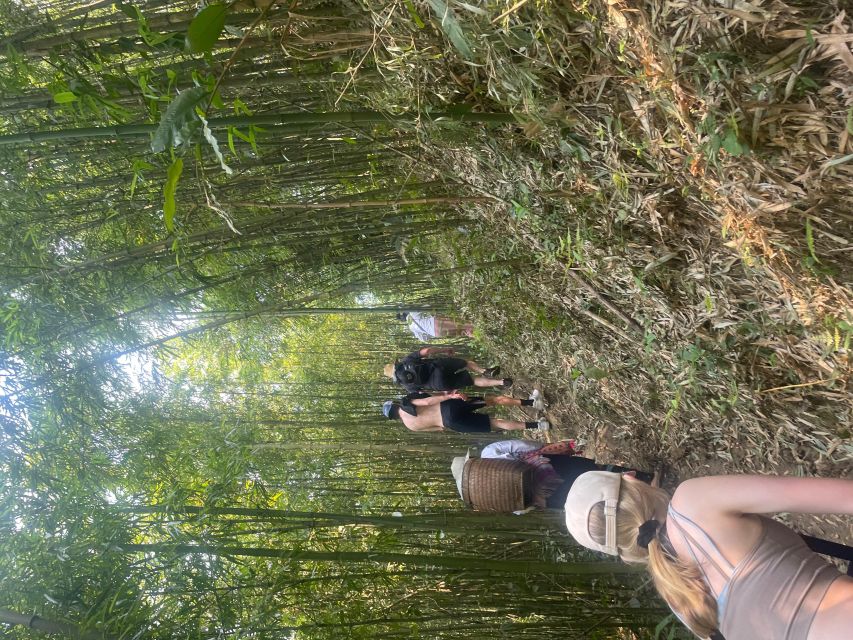
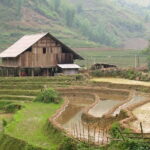
Around 3:30pm, the itinerary shifts into the final trek through mountain valleys and iconic rice terraces toward Ta Van village. This is where the day finishes with more of the “mountain homes” feeling—villages tucked into the terrain and terraces wrapped around the edges.
One note to avoid stress: different descriptions put the tour running from 9am to about 3pm, while the walking schedule mentions 3:30pm starting the final segment. That mismatch is exactly why you should confirm exact end timing when you book. Either way, the pattern is clear: you’ll have your viewpoints and culture stops earlier, then you’ll close the day trekking back down or onward to Ta Van.
Ta Van is also described as a place where Dzay and Hmong communities merged to live together in the mountains. That adds meaning to the finish, because it reframes the trek from separate villages you pass into a connected mountain community story. Even if you don’t catch every detail, you’ll feel it in how the area is organized and how the guide explains the people living there.
Guides and small-group pacing: why it matters on a steep day
A good Sapa trek is partly about your route and partly about your guide’s tempo. The tour includes a live guide in English and Vietnamese, and small-group size (up to 10 people) helps the guide keep track of everyone.
In at least one review, the guide named Sung tailored the experience to what people wanted to do. That’s a strong signal that the tour isn’t rigid. You might want a faster pace for photos, extra time at Lao Chai for questions, or a more careful approach if you’re cautious on slopes. The tour itself also notes that the trek can be amended for different abilities and weather.
So here’s your practical strategy: tell your guide early what you want from the day. If you like photos, say so. If you need fewer steep sections, mention that at the start. The earlier you share it, the easier it is for a local guide to adjust.
Value for $24: what you’re actually paying for
At $24 per person, this tour is priced like a budget-friendly way to experience multiple villages and terrace scenery in one go. The value isn’t only the low price; it’s what’s included. You get lunch and water, plus a guide and a small group. And if you’re using the pickup, you save time and hassle getting to the starting area.
But remember the transport caveat. Even though pickup is listed as included, one review said the group still had to pay for the taxi back. Before you go, ask one direct question: does pickup-and-return cover getting back to your hotel, or only the morning pickup? Getting that answer prevents an unpleasant surprise after you’re tired and ready to be done with hills.
Also, the price makes sense only if you plan to bring proper shoes and follow the trek rules. The tour doesn’t allow oversize luggage and doesn’t allow open-toed shoes, sandals, or flip-flops. If you show up in the wrong footwear, you’ll feel it quickly, and comfort becomes your real cost.
What to pack and what to wear (this trek is shoe-first)
For a day on rice terraces and mountain paths, packing lightly but correctly matters. Here’s what to bring based on the tour guidance:
- Insect repellent
- Trekking gear (whatever you consider essential for a hike)
- Sunscreen
- Rain gear
- Sports shoes
And here’s what not to wear:
- No open-toed shoes
- No sandals or flip-flops
- Avoid oversize luggage
That shoe rule isn’t about style. It’s about traction and foot protection on uneven, sometimes damp surfaces. If rain is in the forecast, rain gear also becomes more than comfort—it can help you keep moving instead of turning the trek into a stop-and-wait situation.
One more practical tip: start the day ready to use your water and take small breaks when your guide suggests. Short stops keep energy steadier than pushing through long stretches.
Should you book the Soob Sapa trekking tour?
Book it if you want a classic Sapa route with rice terraces, Muong Hoa river views, and village culture, plus a lunch that’s cooked by locals. The small group (up to 10) and the fact that the guide explains what you’re seeing in English or Vietnamese are big quality markers, and the ethnic clothing learning at Lao Chai adds substance beyond photos.
Skip it or reconsider if you have trouble walking on uneven paths, because the tour isn’t suitable for people with mobility impairments, wheelchair users, or people over 70 (and it’s not for children under 2 or for pregnant women). Also, if return transport coverage is important to you, get clarity before you go.
If everything fits, this is a strong value day in the hills. It’s not just a walk through pretty scenery—it’s a guided, village-based trek where lunch, clothing explanations, and terrace paths all tie into one coherent mountain experience.
FAQ
How long is the trek?
The tour duration is listed as 5 hours, and it runs from 9:00am until around 3pm.
Where do we meet, and when does it start?
You meet at Sa Pa Church in Sa Pa town at 9:00am, and the trek begins at 9:30am.
Is lunch included?
Yes. There is a family-style lunch stop in Y Linh Ho, and vegetarian options are available.
What’s included in the price?
Lunch and water are included. Pickup is also included from anywhere in Sapa.
What languages are the guides?
The live tour guide speaks English and Vietnamese.
What should I bring, and what shoes are not allowed?
Bring insect repellent, trekking gear, sunscreen, rain gear, and sports shoes. Oversize luggage is not allowed, and you should not wear open-toed shoes, sandals, or flip-flops.