REVIEW · POKHARA
Annapurna: Mardi Himal Base Camp Trek
Book on Viator →Operated by Couch Adventure Nepal (CAN) · Bookable on Viator
Mardi Himal keeps the focus on the mountains. This 7-day trek out of Pokhara is a rare mix of big Annapurna views and a less-crowded feel, with nightly guesthouse stays and clear daily walking times. It’s built for people who want real trekking days without the chaos.
What I like most is how the trail moves from first look viewpoints into proper mountain hiking, then rewards you with views from High Camp. I also really value the people side: an English-speaking guide is included, and the name Bisham shows up in past trip feedback for being helpful, calm, and good at reading the pace of the group.
One thing to think about first: you’ll go up to about 4500 meters, so you need moderate fitness and a willingness to take it slow. If altitude makes you nervous, plan to pace yourself and pay attention to how you feel each day.
In This Review
- Key Things You’ll Like About Mardi Himal Base Camp
- From Lakeside Pokhara to Kande: a smooth start day
- Day 1: Pothana viewpoint, Australian Camp, and your first real views
- Day 2: Forests and village walking toward Mardi Himal
- Day 3: Low Camp day and the start of the vertical story
- Day 4: High Camp climb and the view reward that people remember
- Day 5: Base Camp at 4500m, then down to High Camp
- Day 6: Returning down through forests to Forests Camp
- Day 7: Phewa Tal area and the shared jeep back to Pokhara
- Price and value: what $359.90 includes (and what you still pay for)
- What the included guide support really means in practice
- Who this trek suits best
- Should you book Annapurna: Mardi Himal Base Camp?
- FAQ
- What is the highest elevation on this trek?
- How long is the trek?
- Does the tour include pickup and drop-off in Pokhara?
- Are meals included?
- What trekking permits are included?
- Is there an English-speaking guide?
- Is this a private group trek?
Key Things You’ll Like About Mardi Himal Base Camp
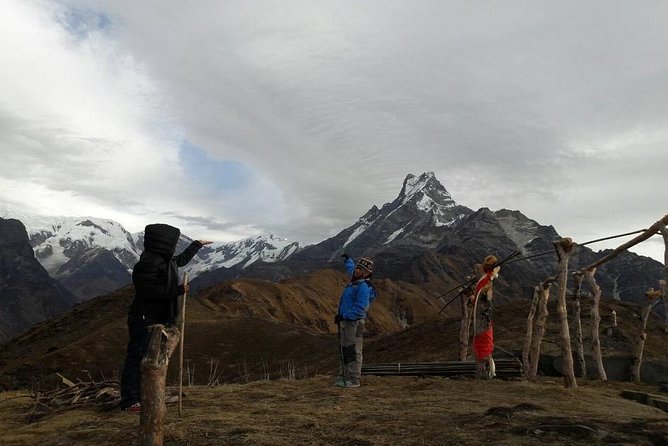
- Less-crowded trekking feel while still chasing major Annapurna-region views
- Four distinct altitude stages (Australian Camp, Low Camp, High Camp, Base Camp) with big viewpoint payoffs
- English-speaking guide included, with past praise for guide Bisham’s service and behavior
- Guesthouse accommodation during the trek, which keeps things practical
- Permits handled (TIMS and trekking permit included) so you’re not hunting paperwork on arrival
From Lakeside Pokhara to Kande: a smooth start day
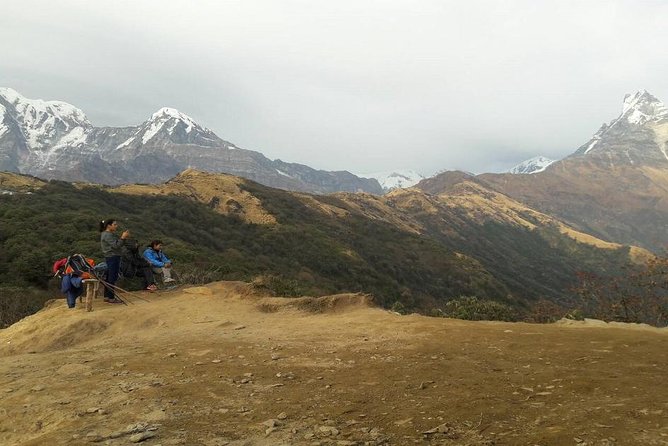
Your trip begins in Pokhara, with pickup offered in the Lakeside area. The schedule is set early, with a meeting time around 8:15am, so you’re not spending your morning “figuring out the plan.” You’ll drive roughly an hour to Kande, which matters because it gets you onto the trail while you still have energy.
This is one of those treks where logistics are handled for you: the drive to the trailhead is private, and then the longer trek days are guided. That reduces decision fatigue, especially if you’re in Nepal for a short window and want the hiking to start cleanly.
Practical tip: even on an early start, eat something light before leaving. Trekking time adds up fast here.
You can also read our reviews of more tours and experiences in Pokhara.
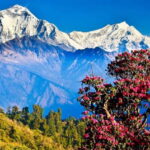
Day 1: Pothana viewpoint, Australian Camp, and your first real views
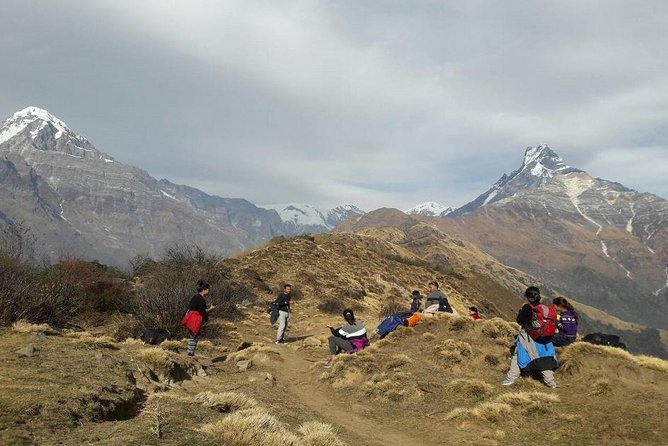
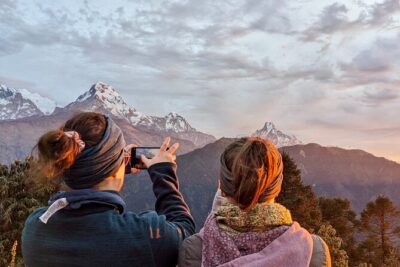
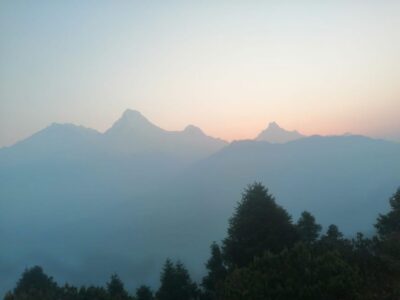
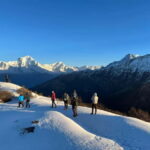
Day 1 blends a warm-up ascent with a scenic overnight. First, you’ll walk up from about Kande toward Australian Camp (around 2000m). This is a good introduction to the rhythm: steady climbing, stops to take in the Annapurna range views, and then a descent that helps your body adjust.
After reaching that first camp viewpoint area, you trek back down to Pothana (around 1700m) for the night. The total walking time is listed at about 5 hours, which is a solid day one without being punishing.
What makes this day work well: you get views early, but you also end at a lower elevation. That’s a smart way to build confidence before the trek climbs more seriously.
Possible drawback: if you’re not used to uphill walking, the Australian Camp climb can feel longer than expected. Go slow on the first ascent and you’ll be grateful later.
Day 2: Forests and village walking toward Mardi Himal
On Day 2 you start around 8:00am and continue through a mix of forests and village paths. This is where the trek stops feeling like a straight line to a summit and starts feeling like you’re moving through real places.
You’ll also have time to interact with locals along the way. That’s not a sightseeing detour; it’s part of how the trail is lived, and it adds texture to the experience.
The walking time is about 5 hours. That’s enough to earn your appetite and build trekking legs, but it still leaves you with a sense that you’re on a “proper trek” rather than a forced march.
What to expect practically: since meals aren’t included, you’ll want to plan for purchasing food and drinks along the way. Having the schedule in place helps, but you’ll still be responsible for your own energy intake.
Day 3: Low Camp day and the start of the vertical story
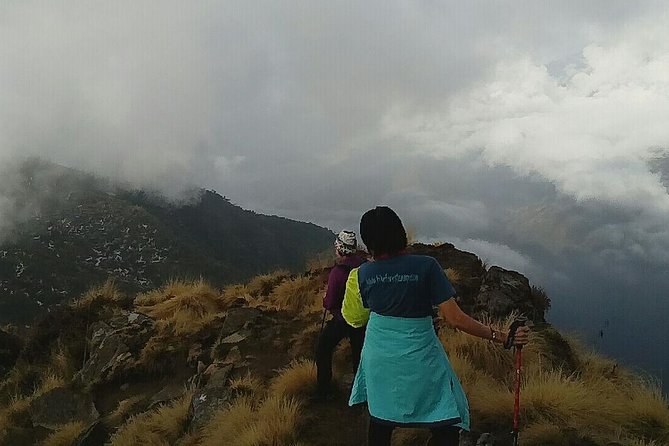
Day 3 shifts upward again. The trek is about 4 hours and focuses on ascending to Low Camp. Even though it’s not the longest day, this is an important day because it’s where the altitude starts to feel more noticeable.
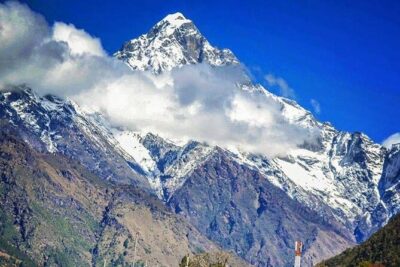
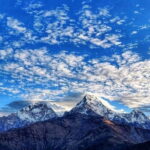
This is also one of those stages where the mountain views start to look less like distant landmarks and more like something you can almost reach with your hands. You’re still not at the big end goal, but you’re clearly closing the distance.
Best mindset for this day: treat it as altitude training, not a race. You’ll get more from the trek if you keep your breathing steady and avoid overheating yourself early.
Day 4: High Camp climb and the view reward that people remember
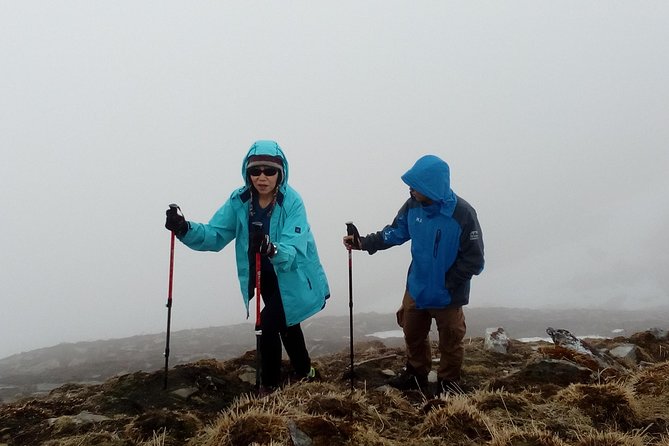
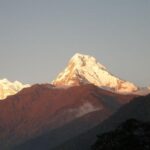
Day 4 is another 4-hour push, ascending all the way to High Camp. This is where a lot of trekkers start to remember the trip in a special way, because the views expand quickly once you’re higher.
The best part of a high-camp day is not only the scenery. It’s the pause. You arrive, catch your breath, and then you have time to take in the angles of the mountains around Annapurna.
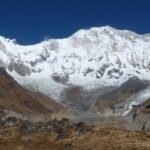
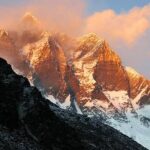
In past trip feedback, the High Camp view is called out as amazing, and that lines up with what you can expect from a trek structured like this: each camp is a stepping stone that builds anticipation instead of random wandering.
Small reality check: camp days often feel different from regular walking days. You may not be doing more hours, but the air feels thinner, and rest becomes part of the itinerary.
Day 5: Base Camp at 4500m, then down to High Camp
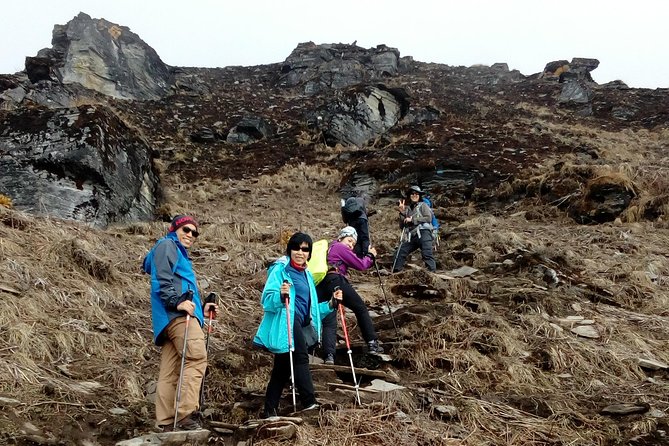
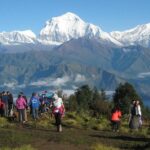
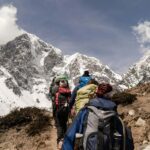
Day 5 is the big one. You’ll start early in the morning, climb all the way to Mardi Himal Base Camp at about 4500 meters, and then head back down to High Camp for the night.
The total trekking time is listed as about 6 hours, which is enough to make this day feel like the core achievement of the trek. The schedule also makes sense: reach the top, spend some time at Base Camp, then avoid trying to force a long descent all the way down the same day.
This is where you’ll feel the phrase heaven on earth described by others who have done the route. Not because it’s dramatic speech, but because altitude plus open mountain air tends to slow your brain down in the best way. The mountains become the main event.
Safety note: altitude is real. Drink water, move slowly, and don’t let reaching Base Camp turn into an ego contest.
Day 6: Returning down through forests to Forests Camp
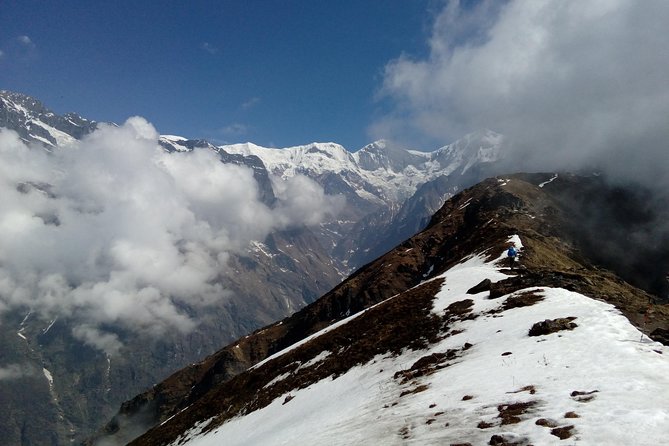
Day 6 is your descent day. You’ll trek down to Forests Camp with about 5 hours of walking.
This day can be deceptively tough. Downhill can drain your knees if you’re not careful with step length and footing. But it’s also a relief because you’ll be moving to a lower elevation, and your breathing often feels easier.
I like descent days on treks like this because the body has a chance to recover while the scenery keeps changing. Even when you’ve seen the mountains, the angle from lower down gives you a different kind of appreciation.
Day 7: Phewa Tal area and the shared jeep back to Pokhara
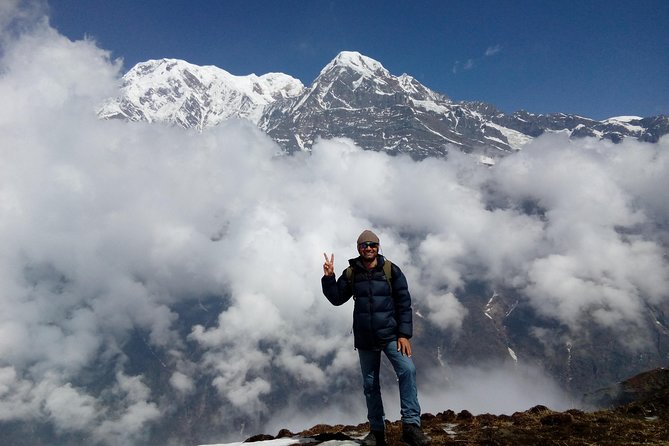
On Day 7 you finish with trekking and then local transport back to Pokhara. You’ll first walk to Siding, then take a sharing local jeep to Milan Chowk, and finally back to Pokhara where you’re dropped at your hotel.
The total time on Day 7 is listed at about 6 hours. That’s a good length for an end day because it still gives you a final leg of motion without adding another big altitude push.
If you want a real decompression moment after the trek, this end-day structure helps. You don’t just get dumped at the city; you transition from trail to road to hotel drop-off.
Price and value: what $359.90 includes (and what you still pay for)
At $359.90 per person, this trek can feel like strong value because a lot of the hard-to-organize parts are included:
- English-speaking trekking guide
- Guesthouse accommodation during the trek
- Hotel pickup and drop-off
- Private drive from Pokhara to Kande
- Sharing jeep from Siding to Pokhara area
- Permits: TIMS and the trekking permit
- Private trip for your group
That combination matters. Permits and transport are not optional extras on most trekking routes, and they can add up fast if you try to assemble everything yourself at the last moment.
What you should plan to pay separately:
- Meals and drinks (available for purchase)
- Rescue cost in an emergency (not included)
- Optional gratitude for the team (not required)
So, the real budget picture is not only the trekking price. It’s also meals along the way. If you budget for food and water as you go, the trip remains good value.
What the included guide support really means in practice
This is where the trek becomes more than walking. The guide does the pacing, handles the permit side, and keeps the plan moving.
And based on the name Bisham showing up in past praise, the guide experience seems to lean toward thoughtful help. People specifically call out service, behavior, and guidance quality, and one of the themes is that the team can feel friendly, even like family. That matters on multi-day trekking because comfort and trust can change how you feel about each day’s climb.
Another small but real point: since this is an English-speaking guided experience, you’re less likely to be stuck translating in a key moment, like when you’re deciding your pace or understanding what comes next.
Who this trek suits best
This trek is a strong match if you:
- Want a quieter-feeling Annapurna-region trek compared to the busiest routes
- Have moderate physical fitness
- Appreciate structured days with clear altitude goals (Low Camp, High Camp, Base Camp)
- Want a guide-led experience with permits included
It may not be the best fit if you:
- Are highly altitude-sensitive and don’t want to go toward 4500 meters
- Prefer fully flexible, self-paced trekking with lots of free time and no schedule
If you’re on the fence, the most honest deciding factor is your comfort with altitude and your willingness to walk 5–6 hours most days.
Should you book Annapurna: Mardi Himal Base Camp?
I’d book this trek if you want a mountain-focused adventure with a clear route, camp-by-camp progression, and less crowd pressure. The value is in the planning: guide support, guesthouse nights, and permits are included, so you spend your energy on hiking instead of logistics.
I would pause and think harder if altitude worries you, or if you’re not ready to pay for meals separately. Also, make peace with the fact that the days are walking-heavy by design.
If you’re the type who likes steady climbs, viewpoint rewards, and a friendly guide presence, Mardi Himal is exactly the kind of trek that can stay with you long after you’re back in Pokhara.
FAQ
What is the highest elevation on this trek?
The trek reaches Mardi Himal Base Camp at about 4500 meters.
How long is the trek?
It’s about 7 days.
Does the tour include pickup and drop-off in Pokhara?
Yes. Hotel pickup and drop-off are included, with pickup from the Lakeside area of Pokhara.
Are meals included?
No. All meals and drinks are not included and are available for purchase.
What trekking permits are included?
Trekking Permit and TIMS are included.
Is there an English-speaking guide?
Yes. An English speaking trekking guide is included.
Is this a private group trek?
Yes. It is private, and only your group participates.