REVIEW · KATHMANDU
Upper Mustang Trekking
Book on Viator →Operated by Everest Trekking Routes Pvt. Ltd. · Bookable on Viator
Upper Mustang feels like a time capsule. I love Lo Manthang’s walled-city streets and the remote Tibetan Buddhist villages that make the region feel like its own world. The trade-off is the required $500-per-person Special Upper Mustang Permit (valid for 10 days) and the document steps that come with it in Kathmandu.
I also like that this trek is run with a tight, practical rhythm: airport transfers, the Kathmandu-to-Pokhara bus, and domestic flights to Jomsom. Nights are mostly in lodge/tea houses, so you’re hiking hard in daylight and sleeping somewhere warm-ish rather than in a tent setup.
One consideration: the route can feel exposed and windy, and you should bring a strong fitness base. The itinerary climbs and descends over several big days, and that final push back toward Kagbeni can get rough after midday when winds pick up.
In This Review
- Key Things That Make This Upper Mustang Trek Special
- Upper Mustang: A Walled Kingdom You Can Actually Visit
- Price and Value: What $2,400 Really Covers
- Permits: The Real Reason Your Trip Starts in Kathmandu
- Getting There Fast: Kathmandu, a Permit Day, Then Jomsom at 2,715 m
- Kagbeni: Your First Taste of the Restricted Zone
- Chhusang to Somare: Apple Gardens and the First Real Climb Rhythm
- Syangboche and Ghiling: Big Views, Big Altitude Work
- Lo Manthang Day: Monasteries and the King Palace in the Middle of Town
- Dhakmar to Ghami: Gompa-Focused Walking and Village Scale
- The Descent Back: Chhusang to Kagbeni and Why Timing Matters
- Jomsom and the Easy Finish: Flights, Apple Brandy, and Pokhara Recovery
- What This Trek Feels Like Day-to-Day (Even With Lodges)
- Who Should Book This Upper Mustang Trek
- Should You Book Upper Mustang Trekking with Everest Trekking Routes?
- FAQ
- How long is the Upper Mustang trekking trip?
- Where does the trip start and where does it end?
- What permits are included?
- Are airport transfers and transport included?
- What’s included for trekking support?
- What kind of accommodation will I have on trek?
- What meals are included?
- What fitness level do I need?
- What if I need to cancel?
Key Things That Make This Upper Mustang Trek Special
- Lo Manthang access with the required Special Upper Mustang Permit (USD 500 per person for 10 days)
- Licensed guide + porter support (1 porter for 2 people) so your hiking is focused, not chaotic
- A dedicated permit day in Kathmandu so you’re not scrambling before the trek
- Jomsom flight into the trek at 2,715 m to start efficiently
- A full day in Lo Manthang with monastery and King Palace visits
- Quieter trails, dusty air, and real local routine rather than crowds and hype
Upper Mustang: A Walled Kingdom You Can Actually Visit
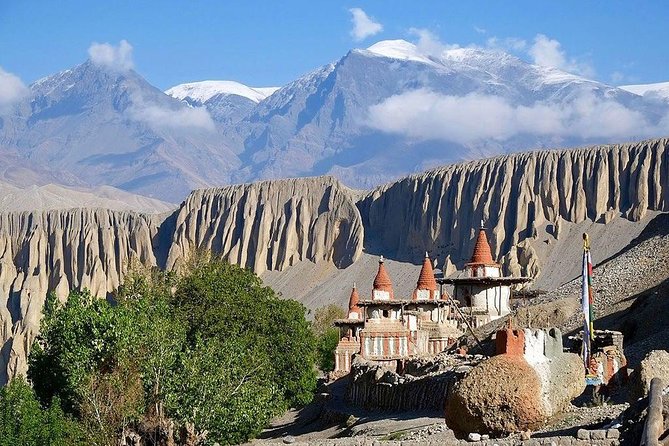
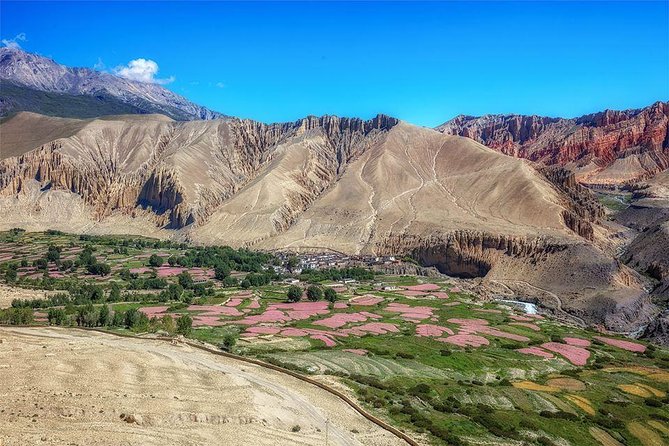
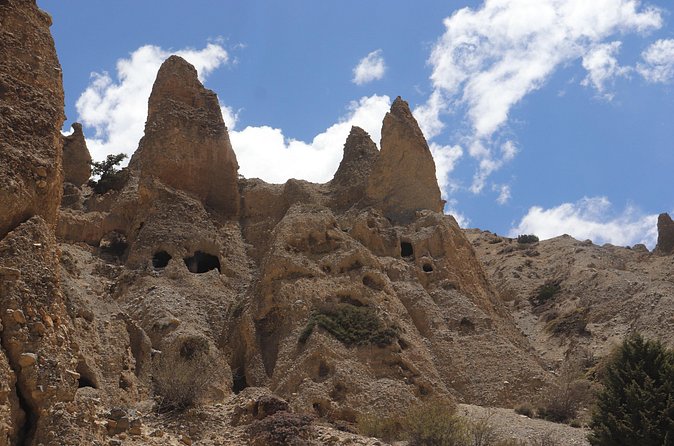
Upper Mustang sits in a different gear than the more famous Nepal trails. It’s dry, high, and very “human-sized” in a way that makes the villages feel close and personal. You’re trekking through a region shaped by Tibetan Buddhist culture and old trading routes, and that shows up in the monasteries, chortens, and everyday routines in the settlements.
The highlight here is Lo Manthang, the walled city that people travel far to see. The day you reach it, you’re not just ticking a box; you’re walking through a place with clear cultural markers and dramatic high-desert views around it. It feels like stepping into a fortified chapter of the Himalaya.
You can also read our reviews of more tours and experiences in Kathmandu.
Price and Value: What $2,400 Really Covers
At $2,400 per person, this doesn’t feel like a budget trek, but it also isn’t just “someone with a backpack.” Your price includes a lot of the expensive friction points: major transportation legs, government-style permits, guide and porter services, and lodge stays.
Here’s what you’re getting that’s hard to DIY without extra stress:
- Kathmandu (3 nights) and Pokhara (2 nights) with breakfast
- Airport/hotel transfers by private van/car/bus
- Tourist bus Kathmandu ↔ Pokhara
- Domestic flights Pokhara ↔ Jomsom
- Lodging on trek in lodge/tea houses
- Guide (government licensed) and porter support (1 porter for 2 people)
- Permits including ACAP and the Special Upper Mustang Permit
- Meals: 16 lunches and dinners, plus breakfast daily (17)
What you don’t get is also important: tips for guide/porters/drivers and personal expenses. And if you need extra nights beyond the included Kathmandu and Pokhara stays, you’ll pay those separately.
Permits: The Real Reason Your Trip Starts in Kathmandu
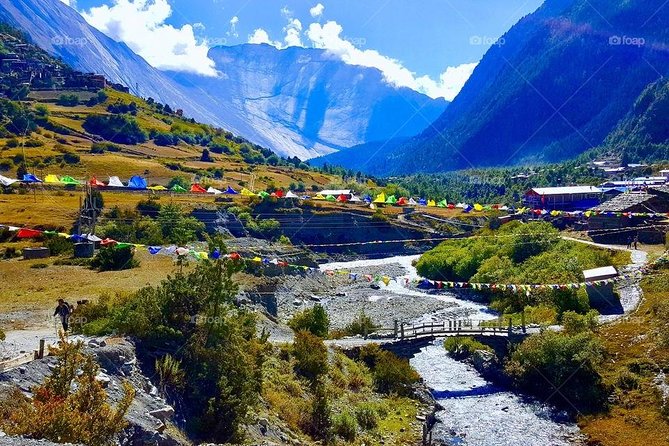
Upper Mustang isn’t “open access” in the simple way some other trekking areas are. You need permits, and this program builds time for that.
On your second day, after breakfast, you can handle the Upper Mustang Special Permit process in Kathmandu using your original passport tied to your Nepal visa. The permit step takes a day, which is exactly what you want. Waiting until the last minute is how trips get stressful, and you don’t want stress on Day 3 when the flights and trekking start.
This trek also includes the ACAP permit (Annapurna Conservation Area Project). That means you’re covered for the conservation/tourism rules in the wider trekking corridor, not just the Upper Mustang access piece.
The practical takeaway: keep your passport safe, make sure your visa status is correct, and don’t leave document tasks for a frantic evening.
Getting There Fast: Kathmandu, a Permit Day, Then Jomsom at 2,715 m
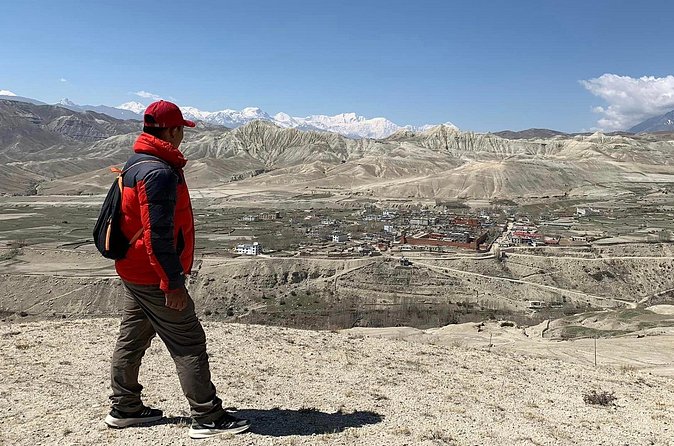
Your trip begins with an airport welcome and transfer to a Kathmandu hotel. The plan gives you a whole day in Kathmandu to do two things: get your bearings with sightseeing if you want, and get the permit processed.
Then comes the logistical work that makes the trek smoother. You take a tourist bus early from Kathmandu toward Pokhara-area roads, with a breakfast stop along the way. It’s not glamorous, but it’s efficient, and you’re saving energy for the real test.
After that, you switch to air travel: you fly to Jomsom, which sits at 2,715 meters. That matters because it means you start the walking already at trekking altitude rather than burning days on long approaches.
Kagbeni: Your First Taste of the Restricted Zone
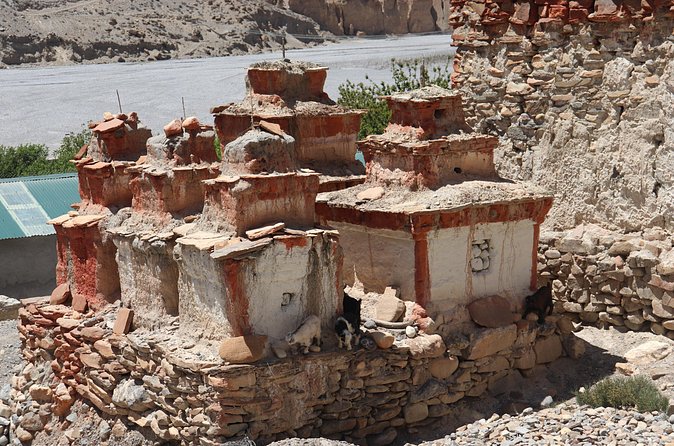
The trek begins with a walk into the Kagbeni area, usually listed around 4–5 hours for the early stretch from Jomsom. Kagbeni is often your first real entry point into the restricted vibe of Upper Mustang. It’s dusty, high-desert feeling, and full of practical settlement energy.
From Kagbeni you continue onward toward Chhusang. This is also where you’ll spend time on checks, since Kagbeni is described as a main entry gate for the restricted area. That “slower” start is not wasted time—it’s part of how the region stays controlled and preserved compared to easier-access trekking zones.
If you get even a mild breeze, you’ll feel the dryness. Dress for dust, not just for cold.
Chhusang to Somare: Apple Gardens and the First Real Climb Rhythm
Your walk to Chhusang and then onward sets your daily hiking pattern. You descend from higher entry points toward Kagbeni, then rebuild altitude gradually across the next days.
Day-to-day, expect a mix of “solid” trails and climbs. The route from Chhusang to Somare is described as mostly flat or gently stepped, followed by a bigger climb toward Syangboche. This is where you learn whether your legs and lungs are in sync.
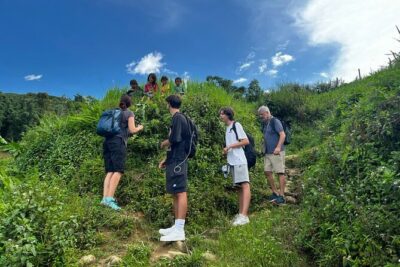
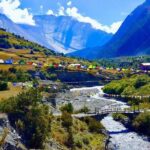
One of the nicest surprises here is the presence of apple gardens. In a high, dry region, that kind of farm detail makes the trek feel alive and anchored. It also breaks the monotony of only rocks and wind.
Time on this section is about effort pacing: hike steady, don’t sprint, and use the climbs to control your breathing.
Syangboche and Ghiling: Big Views, Big Altitude Work
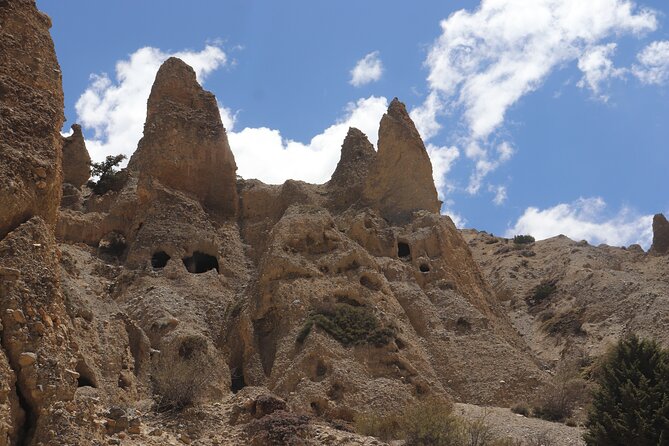
The next day’s big move is the climb toward Syangboche after breakfast. The description emphasizes mostly uphill walking, with a break and lunch once you arrive. You’ll often notice that when the trail tilts up, your pace slows naturally. That’s normal. The win is finishing with your energy intact for the next village.
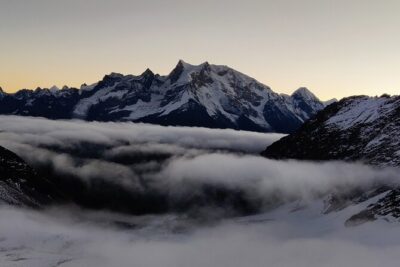
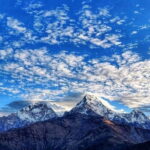
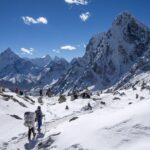
When weather is clear, this stretch offers views of famous peaks in the distance like Dhaulagiri and Annapurna. You may also notice how the high-desert sky makes horizon lines sharper. It’s not just pretty; it helps you understand where you are moving.
The following morning, if conditions cooperate, the plan includes walking along the route toward Ghiling, with old monasteries visible along the way, continuing toward Tsarang. This is part of what makes Upper Mustang different: you don’t just reach ruins; you pass cultural sites built into daily travel corridors.
Lo Manthang Day: Monasteries and the King Palace in the Middle of Town
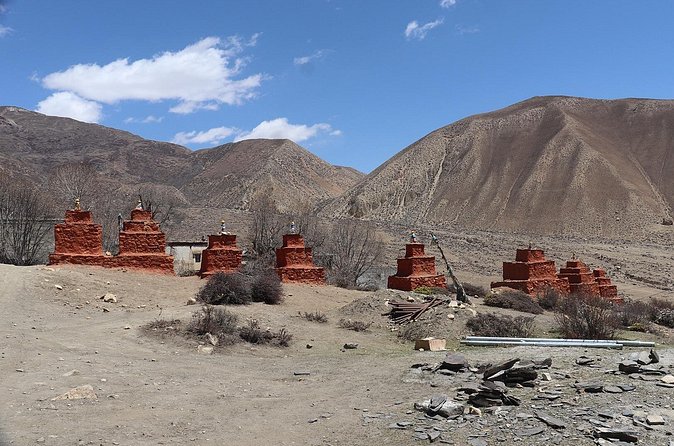
Reaching Lo Manthang takes a full walking day, described around 5–6 hours. You cross rivers and bridges with stretches that can feel stark and quiet. Then, gradually, the settlement density tells you that you’ve arrived.
Once you’re in Lo Manthang, you get a full exploration day. After breakfast, you visit the monastery and the King Palace. That pair is a smart way to understand the place: religious authority on one side, political history and royal presence on the other.
This is the day you’ll be glad the trek isn’t rushed. In a fortified city, it’s easy to feel like you’re walking through a museum. The difference here is that the town still reads like a working community: color, architecture, and everyday life in a controlled, walled setting.
If you’re the type who likes looking slowly—at doors, prayer flags, stonework, and corners where monks might be moving through—you’ll enjoy this portion most.
Dhakmar to Ghami: Gompa-Focused Walking and Village Scale
After Lo Manthang, the trek continues toward Dhakmar, which is described as an uphill start to a Gompa. Gompas are central to how Upper Mustang is navigated and understood. They’re not roadside props. They’re anchored to routes and to the spiritual rhythm of the villages.
Your next day heads toward Ghami, described as a big village and also known for a monastery. The walk includes farm products by a foreigner, plus apple garden details, which again gives the region an everyday texture rather than a “only ancient stones” feel.
This is also where your hiking muscles settle into the routine. You’ll still feel altitude and wind, but the route structure becomes predictable enough that you can focus on walking well rather than overthinking each day.
The Descent Back: Chhusang to Kagbeni and Why Timing Matters
On the return loop, you get a big downhill day from Syanboche to Chhusang, with many small villages along the way such as Samar, Bhena, and Chele. This is described as a thousand-meter descending day toward the Kaligandaki River. Downhill days are deceptively tricky. Your legs burn in a different way, and your knees will want good form and short steps.
The route then moves from Chhusang back to Kagbeni. The timing note here is real: leaving a little early matters because after 12:00 PM, strong wind can make the walk harder. If you want an easier day, you take the early start seriously.
When you reach Kagbeni again, it’s a psychological win. You’ve already been there once, so you have a sense of the terrain and the “feel” of the restricted zone.
Jomsom and the Easy Finish: Flights, Apple Brandy, and Pokhara Recovery
From Kagbeni, you trek to Jomsom. This is described as an easy and short hike, which is exactly what you want after the heavier days. Once you arrive, you check your flight schedule for the next day.
Jomsom is also a place to pick up a few practical treats. The plan mentions buying apple brandy and products from apple makers. That’s a fun detail because it connects the trek back to the region’s agriculture, not just its monasteries.
Then it’s on to Pokhara by flight (about 25 minutes). You drop your backpack, get meals and rest, and let your body reset. After two nights in Pokhara with breakfast included, you take a tourist bus back toward Kathmandu for the final transfer to the airport.
That bus ride is long—about 7 hours in the plan—but it’s the kind of travel that feels easier after a trek. You’re not climbing; you’re just moving, letting your senses come back online.
What This Trek Feels Like Day-to-Day (Even With Lodges)
This style of trek keeps things simple: hike, eat, lodge, sleep, repeat. The program includes all accommodations in lodge/tea houses on trek, which means you’re not managing a camping system.
That helps you enjoy the details that matter: mountain air, quiet village routines, and the day’s cultural stops like monasteries and the King Palace visit. It also keeps your packing lighter than a full expedition setup would require.
You should still expect “real” conditions. Upper Mustang can be dusty, and it can feel exposed to wind. Bring the right layers, protect your eyes, and treat dust like a travel hazard, not a minor inconvenience.
Who Should Book This Upper Mustang Trek
This is best for you if you want a trek with strong cultural focus and lower crowd pressure than many popular Nepal routes. You’re also likely to enjoy it if you prefer a route that stays within a workable altitude pattern; one supplied trip note says elevation rarely exceeded 4000 m and that big peaks can be seen often from the trail.
You should think twice if:
- You want a fully “easy” walk every day, because there are uphill pushes and long hiking days.
- Wind conditions make you uncomfortable, especially on the Kagbeni return timing after midday.
- You’re sensitive to dryness and dust and don’t plan for it.
If you’re generally fit and have trekking experience with steady walking, this will feel challenging in a rewarding, manageable way.
Should You Book Upper Mustang Trekking with Everest Trekking Routes?
I’d recommend booking if you want a well-run Upper Mustang experience that handles the heavy logistics for you: permits, transport, lodge stays, and human support from a government licensed guide plus porter assistance. This setup is also good value when you compare what the Special Upper Mustang Permit and the transport legs would cost to arrange separately.
You should book confidently if Lo Manthang is on your wish list and you’re okay paying for access. And you’ll enjoy the trip most if you like quiet places, cultural sites you can actually walk to, and a pace that gives you time to notice details without turning the trip into a sprint.
If you want, tell me your travel month and your fitness level (and any knee or altitude issues). I can help you think through whether the timing and hiking intensity fit your body.
FAQ
How long is the Upper Mustang trekking trip?
The duration is listed as 18 days (approx.).
Where does the trip start and where does it end?
You start in Kathmandu and you finish with a drop-off at TIA for your final departure.
What permits are included?
The package includes the ACAP (Annapurna Conservation Area Project) permit and the Special Upper Mustang Permit, listed at USD 500 per person for 10 days.
Are airport transfers and transport included?
Yes. The tour includes airport/hotel/airport pickup and drop by private car/van/bus, plus tourist bus travel Kathmandu ↔ Pokhara and domestic flights between Pokhara and Jomsom.
What’s included for trekking support?
You’ll have a government licensed trekking guide and a porter (1 porter for 2 people).
What kind of accommodation will I have on trek?
It includes accommodation in lodge/tea houses during the trek, plus hotel stays in Kathmandu (3 nights, 3-star with breakfast) and Pokhara (2 nights with breakfast).
What meals are included?
The package includes 16 lunches and dinners and breakfast (17).
What fitness level do I need?
The tour data says travelers should have a strong physical fitness level.
What if I need to cancel?
The cancellation policy provided says you can cancel up to 6 days in advance for a full refund, 2–6 days for a 50% refund, and less than 2 days for no refund.