REVIEW · RISHIKESH
Kedarkantha Trek (Dehradun to Dehradun)
Book on Viator →Operated by Kaushik's Cafe & Trek · Bookable on Viator
Sunrise on Kedarkantha feels unreal. This 5-day, guide-led trek from Dehradun to Dehradun takes you from pine forests toward high Himalayan viewpoints, and I really like that all meals are included. It also means less planning stress when the days get cold and you’d rather be outside than shopping.
What I like most, second, is the logistics support: round-trip transfers from Dehradun are part of the deal, and you split your nights between two tent nights and two homestay nights. You get both the mountain experience and a proper place to sleep before you head back.
The main drawback to consider is gear: you’re not automatically covered for key items like headlamp and micro spikes in every case, since some gear is excluded if the group is under 6. If you’re missing basics, you may need to rent them for an extra cost, so check what you’re bringing before you go.
In This Review
- Key things to know before you book
- Kedarkantha in 5 days: what the Dehradun loop really feels like
- Where this trip fits best
- Day 1: Dehradun to Sankri (the 200 km head start)
- Day 2: Juda ka Talab base camp and the acclimation mindset
- Day 3: Talkahata base camp and the step-by-step climb
- Day 4: sunrise on Kedarkantha, summit time, and the hot-lunch reset
- Day 5: return to Dehradun (the smooth finish)
- Lodging and meals: the value hidden in the details
- Two tent nights + two homestay nights
- Meals included, and snack support on the route
- First-aid kit included
- Guide quality and group vibe: the kind of support that changes a trek
- Price and value: is $108.80 a fair deal?
- Gear and fitness: the checklist you should not wing
- What’s excluded (and why it matters)
- What to wear and carry
- Transportation, timing, and meeting point basics
- When weather changes the plan
- Should you book this Kedarkantha trek?
- FAQ
- How long is the Kedarkantha Trek?
- Where do I meet in Dehradun?
- What type of lodging is included?
- Are meals included?
- Does the trek include a guide and transfers?
- What distances do I trek on the main hiking days?
- What gear is not included, and what happens if the group is small?
- Is private transportation included?
- What if the weather is poor?
- How much notice do I need to cancel for a full refund?
Key things to know before you book
- Meals are fully covered: Breakfast, lunch, and dinner are included across the trek, plus snacks during the days on trail.
- Transfers keep you sane: Round-trip transport from Dehradun handles the long drive so you can start trekking on schedule.
- Two-night tent stretch: You sleep in tents for two nights early on, then switch to a homestay for easier recovery at the end.
- Sunrise summit timing: Day 4 starts early so you can see the sunrise and stay up top for photos.
- Good guidance matters here: The trek is designed for a moderate fitness level, with support from guides to keep you moving safely.
- Gear rules depend on group size: If fewer than 6 people join, certain trekking gear may be provided only on payment.
Kedarkantha in 5 days: what the Dehradun loop really feels like
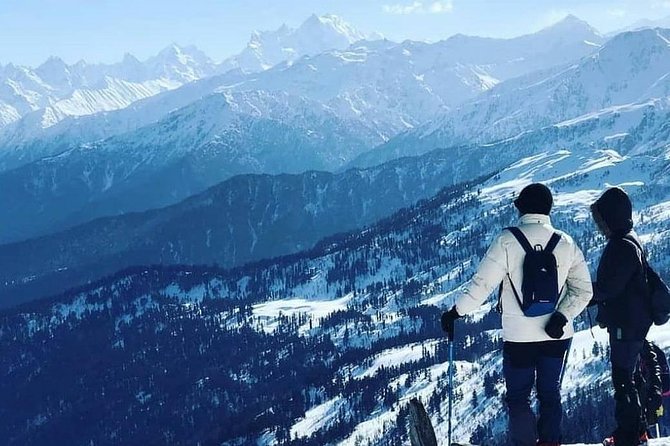
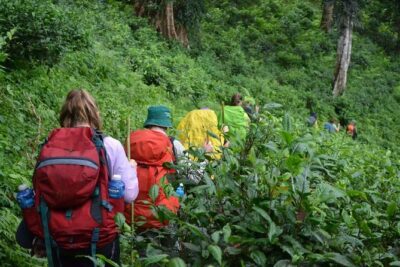
Kedarkantha is the kind of trek where the effort feels worth it fast. You’re not just walking from A to B. You’re building a rhythm: travel day, base-camp acclimation, a base-to-base climb, then an early summit push for sunrise, followed by a calm unwind back in Sankri.
This itinerary also keeps you from the “where do I sleep tonight” scramble. You’ve got two nights in tents and two nights in a homestay, which is a good mix for many first-timers. The tent nights still feel like a snow trek. The homestay at the end gives you a softer landing when your legs finally agree you’re done.
And because the trek includes all meals, you can treat the day’s walking as the main job. You’ll still need to pace yourself, but you won’t also be solving food logistics in cold weather.
You can also read our reviews of more tours and experiences in Rishikesh.
Where this trip fits best
This is a moderate physical fitness trek. That usually means you should be comfortable with uphill trekking for multi-hour stretches and not expect a flat walk. It’s also a good match if you want a structured experience with a guide, not a solo expedition.
Day 1: Dehradun to Sankri (the 200 km head start)
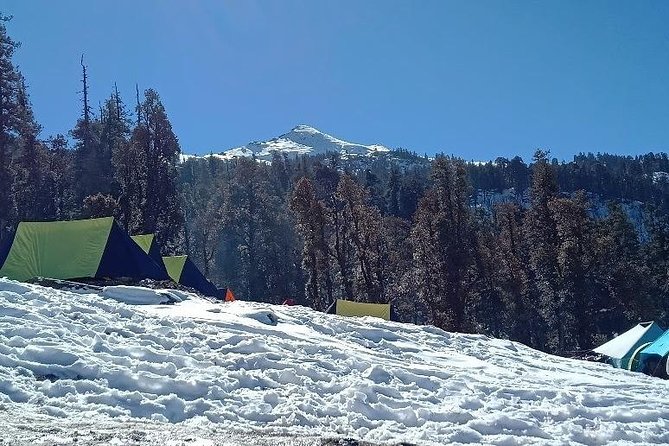
Your day starts in Dehradun at Prince Chowk. From there, you cover about 200 kilometers to Sankri, winding through hilly terrain with mountain and river views. Pine forests show up early, and even before you start trekking, you’ll feel like you’re moving into the hills.
This first day is long—about 15 hours in the schedule—so treat it like a warm-up, not a race. The stop points are part of the travel experience, and you’ll have meals along the way such as Chicken Bhaat and Machhli Bhaat.
Practical tip: if you get motion-sick, plan ahead. This drive is a big chunk of the early effort, and arriving tired makes acclimation harder on Day 2.
Day 2: Juda ka Talab base camp and the acclimation mindset
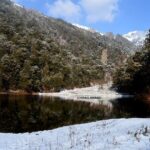
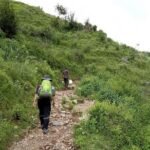
Day 2 is your first real trekking day. You head into the Govind Pashu Vihar National Park & Sanctuary area and trek about 4 kilometers to the first base camp at Juda ka Talab (also referenced as JKT). The trek is estimated at 3–4 hours, which is a comfortable progression for getting your legs working without overwhelming you.
One detail I like here is the instruction about sleeping behavior on arrival: you’re told not to sleep immediately when you arrive at the first base camp. That’s a simple acclimation cue. The idea is to stay a little active, settle in, and avoid treating arrival fatigue like instant bedtime.
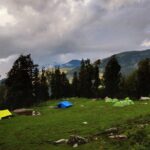
After the trek, you retire to your tents and lodge off your bags. That works well because it prevents the common mistake of dragging your pack every minute. Once you get set up, you can take in the surrounding area before the next climbing day.
Day 3: Talkahata base camp and the step-by-step climb
Day 3 continues the climb with another base-camp transition. You trek roughly 3 kilometers to Kedarkantha Base Camp, also referred to as Talkahata, estimated at 2–3 hours.
This day is shorter in distance and time, and that’s on purpose. After two trekking days, you want your body to keep adapting rather than punishing you with a constant grind. You still get that classic mountain trekking feel—up, breathe hard, then pause for the next stretch.
When you arrive, the schedule again has you settling into your tent area and spending time around camp. This is where you’ll likely notice the real difference between a trekking tour and just a hike: you’re in a managed flow, with meals coming at you on trail days and time built in for rest.
Day 4: sunrise on Kedarkantha, summit time, and the hot-lunch reset
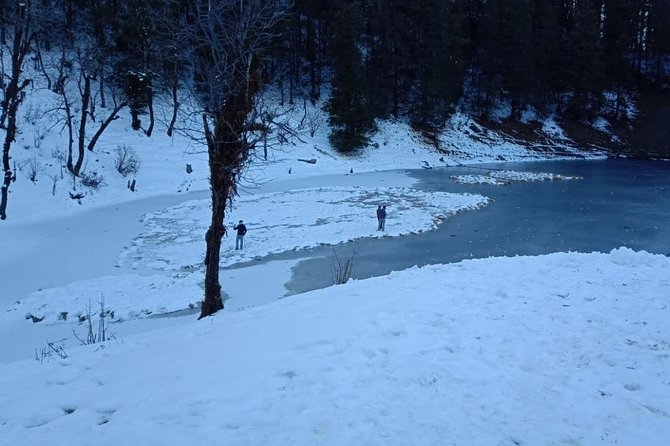
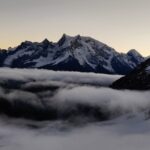
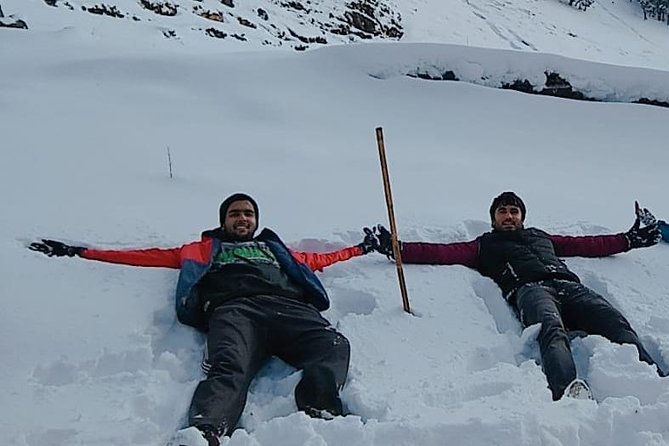
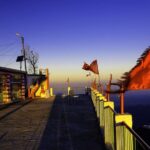
This is the big day. The trek starts early in the morning so you can reach the summit area and witness sunrise. The plan includes staying on top for 30 minutes to an hour, depending on weather, and taking as many photographs as you can in that window.
That timing matters. Sunrise trekking is not about hanging around forever. It’s about being there when the light hits, then turning the experience into a memory before you have to move again.
After the sunrise and summit period, you return to Kedarkantha Base Camp for hot lunch and relaxation. That hot meal after a hard push is more than comfort. It’s also a practical recovery tool, especially after cold air and extra exertion.
Then you head back to Sankri for the night in a homestay. Ending with a homestay is smart. It helps you recover before the drive back to Dehradun, which is the final day’s main job.
Practical tip: sunrise means cold. Even if the days feel manageable, your hands and toes can still get unhappy. If you’re carrying a headlamp, keep it accessible and don’t wait until the last minute to check it.
Day 5: return to Dehradun (the smooth finish)
On Day 5, you return to Dehradun between 2 and 6 pm, depending on departure time from Sankri. This is where you’ll feel the difference between a well-run trek and a chaotic one: your schedule is structured so you’re not stuck guessing transportation.
After a mountain week, the drive back can feel long, but it’s also a relief. You’ve already done the climbing parts. Now it’s about staying hydrated, eating what you can, and letting your body reset.
Lodging and meals: the value hidden in the details
Most trek deals look similar on paper, but the real difference shows up in what you don’t have to manage.
Two tent nights + two homestay nights
The combination here is useful:
- Tent nights (2): You get the full mountain camping feel.
- Homestay nights (2 total, including the end): You regain warmth and comfort after summit day.
This matters because summit day tends to leave you tired in both the legs and the motivation department. Switching lodging at the right time helps you recover without needing extra improvisation.
Meals included, and snack support on the route
The trek includes:
- Breakfast x 4
- Lunch x 3
- Dinner x 4
- Snacks x 4
Having meals fully covered helps you keep energy consistent across cold days. It also reduces decision fatigue when you’d rather spend your brain on pacing and footing.
First-aid kit included
An included first-aid kit is part of the plan with items such as Dettol, cotton, bandaid, Vicks, Saridon, Crocin, Digene, Betadine, and Volini. That won’t prevent every ache, but it signals that the operator is thinking about basic health needs during trekking.
Guide quality and group vibe: the kind of support that changes a trek
A lot of treks are sold as routes. This one is sold as a guided experience with a maximum group size of 25 travelers. Smaller groups usually make it easier to move at a pace that works for most people, and they help the guide keep attention on safety and pacing.
What stands out from the human side is the tone of the support you get. Guides like Munraj bhaiya and Surendra bhaiya are described as helpful and patient, pushing you step-by-step and keeping morale up when elevation and cold make you want to slow down permanently.
You might also meet guides like Amit bhai, who gets praised for good support. The theme is consistent: patience, motivation, and practical guidance rather than just pointing you uphill.
One more point: having a group experience can make a snow trek less intimidating. You’ll likely find it easier to keep going when someone is helping you stay calm, not just quick.
Price and value: is $108.80 a fair deal?
At $108.80 per person for a roughly 5-day Dehradun-to-Dehradun experience, you’re paying for more than walking time. You’re getting:
- Round-trip transfers from Dehradun
- A guided trek
- Tent and homestay lodging across the trip
- All meals plus snacks
- A first-aid kit included
- Group-oriented operations (including group discounts and mobile ticket)
Also, the biggest hidden costs in Himalayan treks are often food, transport, and “where do I sleep.” If you tried to replicate this on your own, those items would rarely come out cheaper once you add up everything in cold season.
The one thing that can affect value is gear. If the group is under 6 people, certain gear like headlamp, trek pole, shoes, micro spikes, gaiters, and poncho/rainsuit may be excluded and only become available on payment of INR 700. If you already have your gear, great. If not, you might need to budget for rentals.
Gear and fitness: the checklist you should not wing
The schedule says you should have moderate physical fitness, which is fair for a trek like this. But snow season and cold weather change the game. Your footing, warmth, and endurance matter more than pure athleticism.
What’s excluded (and why it matters)
The trek notes that some gear is excluded if the group is smaller than 6. That includes:
- Headlamp
- Trek pole
- Shoes
- Micro spikes
- Gaiters
- Poncho/rainsuit
If you don’t have these, plan for potential rental availability on payment of INR 700 when the group is small.
Practical tip: even if you think you’re carrying everything, do a quick gear test at home. Charge your headlamp. Check your socks. Make sure you can handle micro spikes and don’t arrive learning how they work on summit night.
What to wear and carry
The exact clothing list isn’t spelled out, so I’ll keep this practical: dress in layers, expect cold, and bring weather protection for wind and snow. You should also carry essentials for trail comfort, since the schedule is built around trekking days and photo stops.
Transportation, timing, and meeting point basics
You start and end back at the same meeting point: Prince Chowk, Dehradun (248001). The schedule lists opening hours from 6:00 AM to 8:30 AM daily.
Round-trip transfers mean you’re not trying to coordinate a private car while also trekking. Still, remember: private transportation is not included, so you should plan to use the included transport on those days.
When weather changes the plan
This is a weather-dependent trek. It requires good weather, and if conditions are poor, you’ll be offered another date or a full refund. That’s important for high-season planning. Even the best plan can’t override mountain conditions.
Also, the experience requires a minimum number of travelers. If that minimum isn’t met, you may be offered another option or a full refund.
Should you book this Kedarkantha trek?
You should book if you want:
- A guided Kedarkantha experience with a clear structure
- Meals and lodging taken care of, including tent nights early and homestay comfort at the end
- Round-trip transfers from Dehradun so you can focus on trekking instead of logistics
You might want to think twice if:
- You lack key trekking gear and you’re not sure what will be available in your batch
- You have very tight time windows, since the trek depends on weather and summit timing
If you’re the kind of traveler who likes real mountain days but also appreciates being looked after, this is a solid way to do Kedarkantha. The combination of guided support, included meals, and sensible lodging transitions makes the hard parts feel more manageable.
FAQ
How long is the Kedarkantha Trek?
It’s listed as approximately 5 days, running from Dehradun to Dehradun.
Where do I meet in Dehradun?
The meeting point is Prince Chowk, Dehradun, Uttarakhand 248001.
What type of lodging is included?
You get two nights in a tent and two nights in a homestay.
Are meals included?
Yes. The trek includes breakfast, lunch, dinner, and snacks as part of the package.
Does the trek include a guide and transfers?
Yes. It includes a guide and round-trip transfers from Dehradun.
What distances do I trek on the main hiking days?
Day 2 includes about 4 kilometers (estimated 3–4 hours). Day 3 includes about 3 kilometers (estimated 2–3 hours).
What gear is not included, and what happens if the group is small?
Some gear like headlamp, trek pole, shoes, micro spikes, gaiters, and poncho/rainsuit can be excluded if there are fewer than 6 people, with availability on payment of INR 700.
Is private transportation included?
No. Private transportation is not included.
What if the weather is poor?
The trek requires good weather. If it’s canceled due to poor weather, you’ll be offered a different date or a full refund.
How much notice do I need to cancel for a full refund?
You can cancel up to 6 days in advance for a full refund.