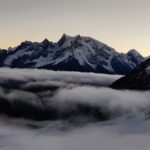
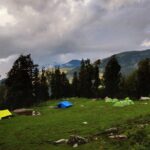
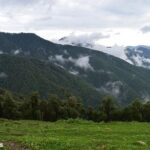
Benog Hill is a short trek with big mountain payoff. This Benog Tibba Nature Trail day hike takes you through forest in the Mountain Quail Sanctuary to Benog Hill’s Jwala Devi temple at about 2,250m, plus wide views over the Himalaya.
What I like most is the combo of nature-walk ease and real summit reward: you’re not doing a technical climb, but you do get to stand high enough for a proper lookout. I also really value the practical support—TrailHikers provides bottled water, lunch, snacks, and a guide connection so you’re not figuring everything out on your own. One thing to consider: it’s weather-dependent, and the actual time to finish can shift based on conditions and your group’s pace.
In This Review
- Key Things to Know Before You Go
- Benog Tibba Nature Trail: 10–11 km of forest to a 2,250m viewpoint
- Clouds End start: why the meeting point matters
- Hiking through Benog Wildlife Sanctuary: where the views start early
- Benog Tibba peak at ~2,250m: the Jwala Devi temple finish
- Pace, food, and included comfort for a half-day trek
- Guides, professionalism, and local care on the trail
- Price and value: what $26 buys you in Mussoorie’s hills
- Who should book this Benog Hill trek (and who should skip it)
- Quick practical tips before you commit
- Should you book Benog Hill Trek?
- FAQ
- How long is the Benog Hill Trek?
- Where does the trek start and end?
- What time does the trek meet?
- How far do you walk?
- What altitude do you reach?
- What’s included in the $26 price?
- What’s not included?
- Is this tour private or shared?
- FAQ
- What if the weather is poor?
Key Things to Know Before You Go
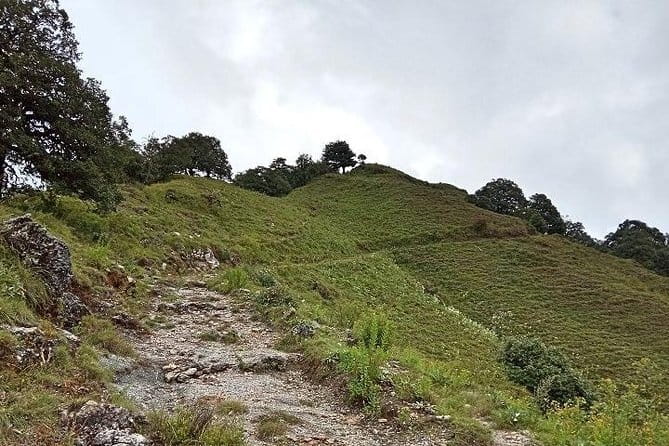
- Forest-to-temple route with a nature focus in the Mountain Quail Sanctuary
- Jwala Devi temple at the top near Benog Tibba (around 2,250m)
- 360-degree Himalayan views from the Benog area
- Half-day timing with a typical window of about 9:30am to 3:30pm
- Food and water included (bottled water, lunch, snacks)
- Local guidance via a trek leader you meet at Clouds End, Mussoorie
Benog Tibba Nature Trail: 10–11 km of forest to a 2,250m viewpoint
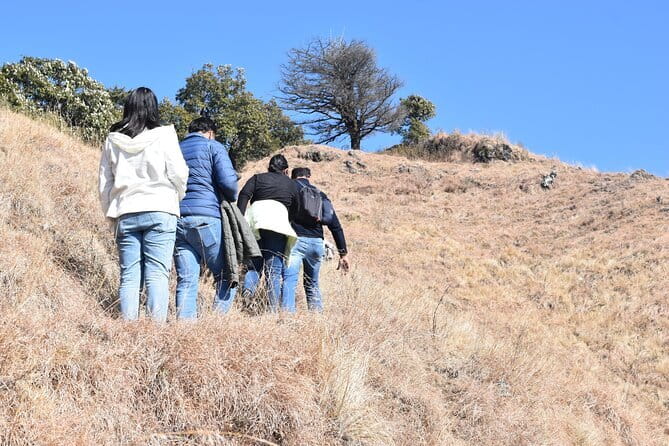
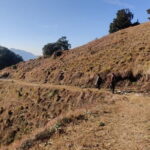
If you’re in Mussoorie and want fresh air without a full-day production, the Benog Hill trek hits the sweet spot. The route is a forest nature trail that’s designed for day hikers and nature lovers, and it’s tied to the Mountain Quail Sanctuary area. In other words, you’re not just hiking for miles—you’re hiking for sights, birds-and-forest vibes, and the change in scenery as you climb.
The trek goal is Benog Hill top, where you reach the area around Jwala Devi temple at roughly 2,250m. That temple finish matters because it gives the walk a clear endpoint and a reason to pause. From there, the area is known for wide Himalayan views, which is exactly the kind of payoff that makes a day hike feel worth it.
Distance is typically around 10–11 km for the whole outing. That’s far enough to feel like a trek, but short enough that most hikers can enjoy it without training for weeks—especially with a group pace and a guide keeping you on track.
You can also read our reviews of more tours and experiences in Rishikesh.
Clouds End start: why the meeting point matters
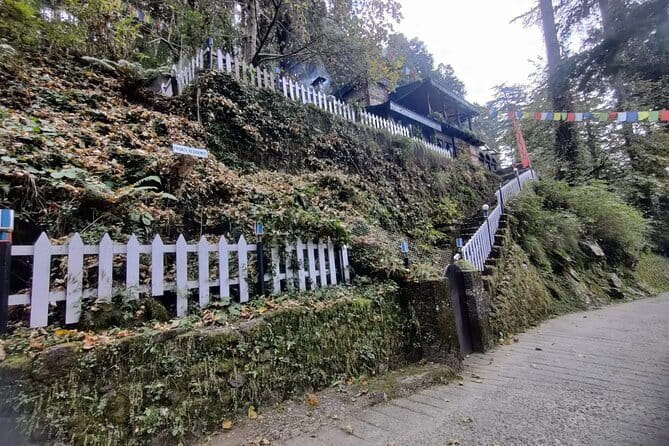
The trek begins and ends at Clouds End west of Mussoorie, with the start point listed at Cloud End Forest Resort in the Hathipaon area. You meet your trek leader at 9:30am, and you return to the same meeting point when the day wraps. This makes logistics simpler than hikes that require shuttles between trailheads.
Timing is also worth understanding. The trek window is 9:30am to 3:30pm, but that’s described as tentative in the mountains. In practice, it means you should plan for some variability based on weather (sunny, cloudy, cool), your fitness, and age range in your group. If you like schedules that hold steady to the minute, this won’t be that kind of hike—but it’s common in mountain trekking, and a good leader adjusts.
TrailHikers organizes the day trek from Clouds End and coordinates with you at the start. You’ll get a mobile number to coordinate, which is a small detail, but it removes a lot of stress when you’re traveling solo or trying to meet up in a busy hill-station area.
Hiking through Benog Wildlife Sanctuary: where the views start early
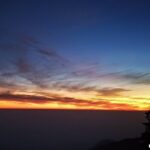
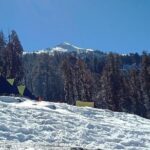
The first major stop is the Benog Wildlife Sanctuary. This is where the trek becomes more than just walking: it’s set up for wildlife-friendly forest scenery and viewpoint moments. The big headline here is 360-degree Himalayan views that you’re likely to catch during the climb and around the sanctuary area.
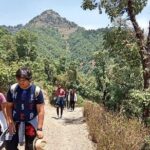
Even if you’re not a hardcore photographer, this part changes the feel of the day. Early on, the trail reads as a nature walk—forest sounds, changing light, and the gradual rise that makes Mussoorie feel smaller behind you. Later, you start getting those lookout moments that make you stop without trying.
One more thing I appreciate: this trek is described as suitable for hikers across age groups. That doesn’t mean it’s “no effort,” but it suggests the route is paced for typical day-hike capability rather than extreme endurance.
Also, because it’s in a sanctuary setting, it’s a good match for people who like being in nature and observing wildlife, not just conquering a summit. If you’re the kind of traveler who likes to pause for birds or scan tree lines, you’ll get more out of this than the fast-pickers.
Benog Tibba peak at ~2,250m: the Jwala Devi temple finish
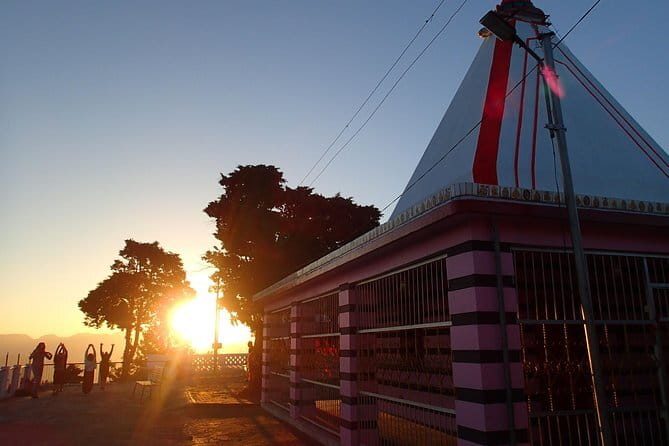
The trek’s main altitude goal is Benog Hill top near Jwala Devi temple at about 2,250m. Reaching a named place like this helps the day feel anchored. Instead of wondering when you’ll turn around, you know there’s a real endpoint.
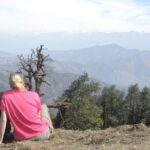
This top-of-trek segment is where the views become the star. The sanctuary and Benog area are known for broad Himalayan panoramas, and at the summit area you’re in position for that “look in every direction” feeling. For photographers, it’s especially relevant: the route is framed as a delight for wildlife lovers and wildlife photographers, and the top gives you a natural place to compose shots.
For people who aren’t into cameras, it still works. Temple stops tend to give you an easy “break spot” that makes the day feel complete. It’s also a good moment to take stock—how you’re feeling, how the weather is treating you, and whether you’re going to enjoy the descent at a calm pace.
One consideration: because the trek depends on mountain conditions, cloudy or cool weather can change what you see from the top. The experience is designed around good conditions, and the total time can stretch or tighten depending on weather and your group.
Pace, food, and included comfort for a half-day trek
This is one of the reasons I think the trek offers strong value. You’re paying a set amount (listed at $26) for a guided day outing that includes key basics: bottled water, lunch, and snacks, plus an admission ticket included. That matters on a half-day hike because you’re not trying to find food partway through or ration what you brought.
The food and snacks also affect how you hike. When you don’t have to stop to solve logistics, you can stay focused on the trail and the views. And on a mountain day hike, that’s when you actually start enjoying the climb rather than just pushing through it.
The trek is also built for a group experience, but it’s described as a private tour/activity where only your group participates. That can be a sweet spot for people who want guidance and safety without feeling mixed into a huge crowd. The itinerary is still flexible by nature (weather and fitness), but you’re not dealing with the chaos that comes with lots of unrelated groups moving at once.
If you’re traveling solo, this kind of setup can be especially helpful. One of the standout themes from the experience feedback is that the team is accommodating and professional for solo hikers, with guides willing to offer practical help and tips to make the day smoother.
Guides, professionalism, and local care on the trail
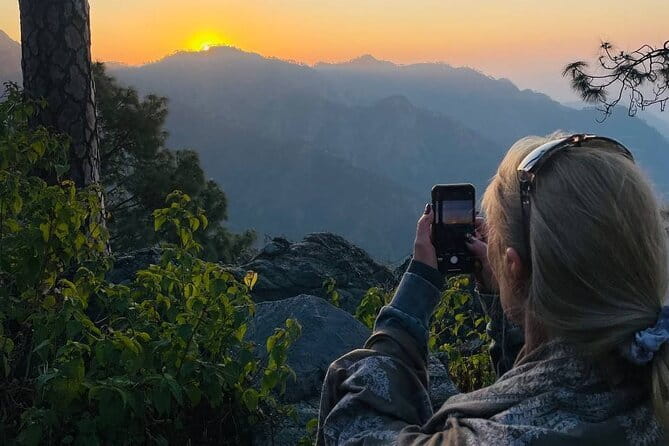
Guides can make or break a day hike, and this is where the Benog Hill trek seems to score well. The TrailHikers team has been praised as helpful and accommodating across different stages, not just on the trail itself. People have also highlighted that the guides care about the land and understand it, which is what you want when you’re moving through a sanctuary environment.
Names that came up in prior Benog experiences include Anurag and Raman. In the feedback, Anurag was specifically noted for giving great tips, while Raman’s team was mentioned in connection with well-organized planning. You shouldn’t assume you’ll get the same leader, but it’s a good sign that the company’s approach is consistent: clear organization, real instruction, and a guide who knows how to manage the group pace.
If you’re a nature lover or a wildlife photographer, that kind of guidance matters. You’ll typically spend more time looking and less time guessing, because a good leader can point out what’s worth your attention and help you move safely between viewpoint opportunities.
It also makes the trek more comfortable for non-experienced hikers. The trek is described as easy for a relaxed day out, and having someone knowledgeable can help you understand what to expect on climbs and how to pace yourself without rushing.
Price and value: what $26 buys you in Mussoorie’s hills
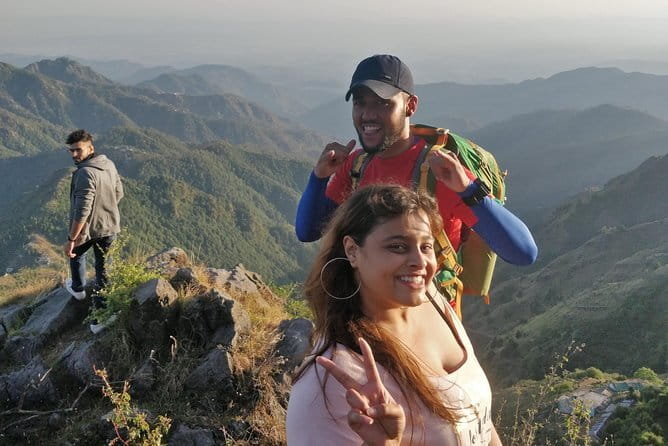
A $26 price tag for a 5–6 hour day trek in the Mussoorie area can feel almost too good—until you look at what’s included. Here, your money goes toward guide-led trekking, bottled water, lunch, snacks, and an admission ticket. That’s a lot of the real cost drivers for a day outdoors, where basic needs add up fast.
You’ll still want to plan for what’s not included. GST is not included, private transportation is not included, and forest entry permits are not included. Those last two points can matter if you’re arriving independently and expected the trek price to cover everything end-to-end.
So how do you judge whether it’s worth booking? I think it’s simple: if you already have your way to the meeting point at Clouds End, then the included water, lunch, snacks, and ticket support make this feel like a solid deal. If you need transport and permits handled for you, you might find you need a bit more planning (or extra budget) on top.
The bottom line: you’re not just paying for a walk. You’re paying for a guided, fueled day in a forest sanctuary setting with a named summit finish and viewpoint rewards.
Who should book this Benog Hill trek (and who should skip it)

This trek fits best if you want a day hike near Mussoorie that’s active but not punishing. It’s ideal for:
- Nature lovers who want a forest trail experience
- People who like wildlife-spotting vibes and sanctuary scenery
- Wildlife photographers looking for viewpoint opportunities
- Hikers of different ages who want a day trek rather than a multi-day commitment
- Solo travelers who appreciate a guide-led structure and responsive support
You might want to skip or postpone if you’re the kind of traveler who’s locked into a strict time window. The schedule is described with a tentative mountain window, and the experience requires good weather. When conditions aren’t right, it’s more likely to shift or be rescheduled.
It’s also not a good fit if you expect the trek to handle all permits and transport. Permits are not included, and private transport is not included, so you’ll want to be clear about what you’re responsible for before you show up.
Quick practical tips before you commit
I don’t think you need to overpack for this outing, but I do think you should respect the mountain day reality. Since weather can affect the time it takes to complete the trail, bring a mindset that expects small adjustments. If it’s sunny, great. If it’s cool or cloudy, adjust your pace and your expectations about what the views will look like.
Also, plan to be at Clouds End by 9:30am so you can meet your trek leader smoothly. That’s a small thing that makes a big difference when you’re starting a climb.
Finally, if you care about photos, keep your camera habits simple. You’ll want to pause at viewpoints, not fiddle with gear for 10 minutes while the group moves.
Should you book Benog Hill Trek?
Yes, you should book it if you want an easy-to-manage day hike near Mussoorie that rewards you with summit-level scenery and Himalayan views. The biggest wins here are the included lunch/snacks/water, the clear summit goal at Jwala Devi temple, and the strong reputation for professional, accommodating guidance—especially for solo travelers.
I’d reconsider booking only if you’re dealing with uncertain weather plans or you need the operator to handle everything like permits and private transport. If you’re okay with doing your part on those basics, this looks like a smart value trek that’s very doable in half a day.
FAQ
How long is the Benog Hill Trek?
The tour runs for about 5 to 6 hours, with a typical schedule from 9:30am to 3:30pm. Exact timing can vary with weather and your group’s pace.
Where does the trek start and end?
You meet at Cloud End Forest Resort (Hathipaon area, Mussoorie). The activity ends back at the same meeting point in Clouds End.
What time does the trek meet?
The scheduled meeting time is 9:30am, with listed operating hours showing 9:30am to 11:30am for the activity window.
How far do you walk?
The distance covered is approximately 10 to 11 km.
What altitude do you reach?
You hike up to Benog Tibba peak near 2,250m at the Benog Hill top area.
What’s included in the $26 price?
Included items are bottled water, lunch, snacks, and the admission ticket.
What’s not included?
Not included are GST, private transportation, and forest entry permits.
Is this tour private or shared?
It’s described as a private tour/activity, meaning only your group participates.
FAQ
What if the weather is poor?
The experience requires good weather. If it’s canceled due to poor weather, you’ll be offered a different date or a full refund.