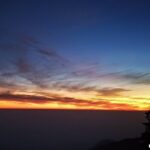
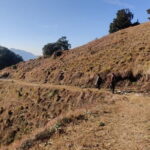
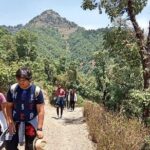
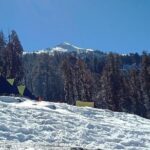
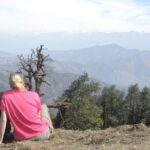
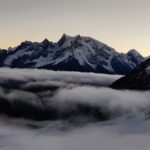
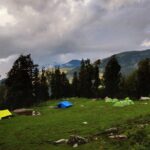
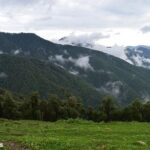
Snow turns into calm here. Kedarkantha (up to 3810m) is a classic Himalayan trek inside the Govind wildlife sanctuary and national park, where you trade winter snowfields for summer green meadows. The trail is also set up for real beginners: think manageable distances, forest walks, and big mountain scenery without needing technical climbing.
What I really like is the practical, covered approach to camping. You’re not juggling rentals because technical and camping gear is included, and meals are handled on trek by the guides, cooks, helpers, and porters/mules team. The other big win is the way the experience is guided: solo trekkers and groups alike have praised Mr. Manish for explaining history and geography clearly, so you don’t just walk—you understand where you are and what you’re seeing.
One consideration: this trek is weather-dependent. The tour requires good conditions, and if it’s called off due to poor weather you’ll be offered a different date or a full refund—so plan to be flexible if you’re traveling during shoulder season.
In This Review
- Key highlights at a glance
- Kedarkantha 3810m: the view payoff and what 20km really feels like
- The road to Sankri: a scenic warm-up through hill towns
- Govind wildlife sanctuary on foot: forests, meadows, and lakes
- Camping with included gear: less hassle, more time outside
- A day on the trek: pacing, scenery stops, and why the small distances help
- Summit day at Kedarkantha: what to plan for at 3810m
- Best time to go (and the seasonal reality of snow and greenery)
- Price and value: what $156.02 covers (and what you still need to pay)
- Who this is best for (and who should think twice)
- Should you book Kedarkantha Himalayan Trek and Camping?
- FAQ
- Where is the meeting point and what time does the trek start?
- How high do you reach on this trek?
- How long is the trekking and camping experience?
- What’s included in the price?
- What is not included?
- What happens if the trek can’t run due to weather?
Key highlights at a glance
- Summit goal at 3810m with wide Himalayan views from Kedarkantha
- 20km total trek distance over about 5 days, good for easy-moderate pacing
- Year-round style (Nov–June and Sept–Nov), with thick snow in winter and lush meadows in summer
- Camping support included: tents, sleeping bags, kitchen and technical gear
- Guided with context from Mr. Manish, not just route instructions
- Start/end is simple at Yeti Outdoors in Rishikesh (9:00am start, return to same spot)
Kedarkantha 3810m: the view payoff and what 20km really feels like
Kedarkantha is the kind of summit that makes the effort feel worth it because you’re reaching 12500 feet in the Govind region, surrounded by Himalayan giants. The max altitude in this trek is clearly stated at 3810m, so you can plan your pace with that number in mind rather than guessing.
The total trek distance is about 20km. That sounds short compared to some multi-day Himalayan routes, and that’s part of the appeal. Over roughly 5 days, the hiking is paced in smaller chunks, which makes a difference if you’re new to trekking or you prefer steady walking over long, punishing days. The difficulty is listed as easy-moderate, which usually means you should focus on breathing, footing, and consistency more than “push speed.”
Still, even an easy-moderate trek can feel intense at altitude. Your body won’t care that the total distance is only 20km; it cares about climbing and time spent at height. You’ll enjoy this trek more if you treat the summit day as a careful grind, not a race.
You can also read our reviews of more tours and experiences in Rishikesh.
The road to Sankri: a scenic warm-up through hill towns
Most Kedarkantha treks begin at the road head of Sankri, and this one also builds in a scenic drive. You’ll travel through hill towns like Mussoorie, Purola, Mori, and Natwar on the way to the start area. It’s a good setup because you get a chance to swap city pace for mountain pace before your boots hit the trail.
There’s also a simple convenience factor: pickup is offered, and the meeting point is Yeti Outdoors with a 9:00am start. The trip ends back at the same meeting point, so you’re not juggling end-of-trek logistics on your own.
If you’re thinking of pairing this trek with other days in the area, note what’s not included: personal stay and food in Mussoorie, and meals during transit aren’t covered. If your plan includes extra nights in Mussoorie, budget a bit for those costs.
Govind wildlife sanctuary on foot: forests, meadows, and lakes
This trek lives inside Govind wildlife sanctuary and national park. That matters because it means the route is shaped by conservation areas and varied terrain, not just a single “point A to point B” corridor.
Here’s what you can expect in broad strokes:
- Forests and lush trails along the way (the trek is described as involving beautiful forests)
- Vast meadows with big seasonal changes
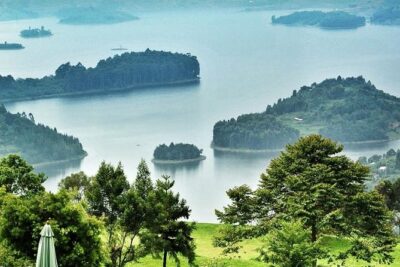
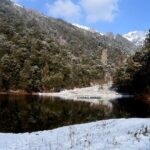
- Lakes that are frozen in winter
- Lots of Himalayan flora and fauna (you’re in a protected area, so the natural setting is part of the draw)
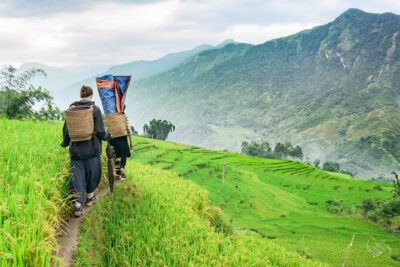
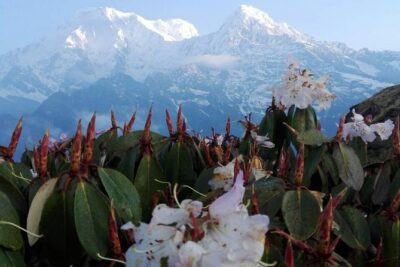
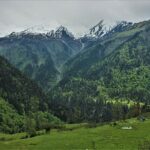
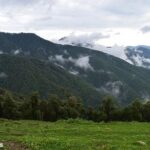
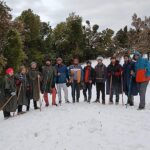
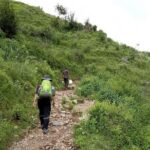
Season changes are a major selling point here. Kedarkantha is described as a classic around-the-year trek (outside monsoons), with thick snow cover in winters and lush green fields in summer. That means you’re not always signing up for the same experience. If you come in winter, the frozen lakes and snowcapped peaks likely dominate the visuals. If you come in summer, meadows and greenery become the main event.
One practical takeaway: your gear needs will change a lot by season. Winter trekkers need to be ready for snow conditions and cold. Summer trekkers still face altitude and mountain weather swings, just with different clothing requirements.
Camping with included gear: less hassle, more time outside
The camping aspect is one of the strongest value points here. The package includes tents and sleeping bags, plus technical and kitchen equipment. It also covers entry fees and permits, and all meals on trek.
For you, that means you avoid the two classic trekking headaches:
1) Renting gear last minute
2) Spending your energy managing logistics instead of enjoying the mountains
You’ll also have a full support team. The trek includes services of guides, cooks, helpers, and porters/mules. The practical effect is that you’re not carrying everything, and you’re not stuck trying to figure out camp setup while you’re tired from hiking.
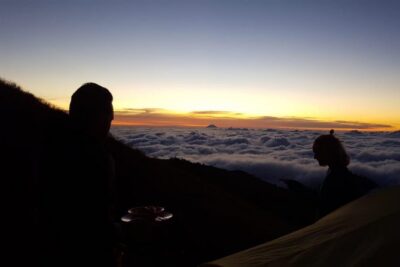
Evenings are part of the experience too. In the provided feedback, people specifically praised the atmosphere of camp time, including cozy bonfires. That’s exactly the kind of small comfort that can turn a tough day into a memorable one.
The only “watch out” is expectation-setting: camping in the Himalayas is not the same as a hotel night. But since tents, sleeping bags, and meal support are built into the trek, you should be able to focus on rest and recovery rather than improvising.
A day on the trek: pacing, scenery stops, and why the small distances help
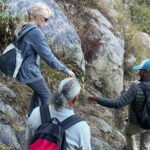
This trek is designed with beginner-friendly pacing in mind. Distances are described as small, which is a key difference if you’re not used to long days of uphill hiking. Instead of suffering through one marathon segment, you’re more likely to get a rhythm: walk, rest, take in the views, repeat.
Scenery is also spread out across the route. Because you move through forests, meadows, and areas with frozen lakes in winter, you’re not staring at the same kind of terrain the whole time. That keeps your brain engaged, and it makes “slow hiking days” feel shorter.
A second reason the small-distance approach works: acclimatization through time on the trail. At altitude, it’s often better to stay flexible and move consistently rather than force hard climbs every day. The trek’s easy-moderate level fits that mindset.
If you like a calmer pace and photo stops, this route is the type where you can actually enjoy them. If you prefer aggressive daily mileage, you might find 20km over 5 days a bit gentle—but for most people, that’s the sweet spot.
Summit day at Kedarkantha: what to plan for at 3810m
The summit of Kedarkantha is the highlight, reaching up to 3810m (12500 feet). Summit day is where you’ll want to be most disciplined with pacing. Even if the trek is labeled easy-moderate, the altitude gain and exposure to colder conditions at height can make the hike feel harder.
Here’s what you can do to make summit day smoother:
- Start slow and keep your effort steady
- Focus on breathing and footing more than speed
- Bring layers you can remove when you’re warm and add quickly when you stop moving
- Keep water and snacks simple and easy to manage
Your guide matters here, and the feedback highlights Mr. Manish for giving proper history and geography along the way. That kind of guidance isn’t just nice—it can improve how you experience summit day. When you understand what you’re walking through, you’ll spend less time guessing and more time staying calm.
Also, remember that this trek is weather-sensitive. Good weather is required. If conditions are poor, your tour may shift dates or refund, so the summit plan depends on nature being cooperative.
Best time to go (and the seasonal reality of snow and greenery)
This trek’s best times are listed as Nov–June and Sept–Nov, and it’s described as doable year-round except monsoons. That’s a wide window, which is great—but it also means you should choose your season intentionally.
Winter (Nov–June) is where you expect thick snow cover, frozen lakes, and snowcapped peaks. If you like crisp mountain air and snow scenery, this is your lane. Just be honest with yourself: snowy trekking is colder, slower, and demands better layering and comfort with winter conditions.
Shoulder season (Sept–Nov) can be a sweet spot if you want a transition from greener views toward winter. But shoulder weather can be changeable, so plan for sudden temperature drops and potential cloud cover.
Summer (you’ll see lush green meadows in summer months) is the choice if you want the trail to look alive and green rather than white and still. Just remember altitude doesn’t stop being altitude in summer.
Price and value: what $156.02 covers (and what you still need to pay)
At $156.02 per person for an about-5-day trek with camping, this isn’t just “cheap.” It’s built to cover the real costs that usually surprise people.
Included:
- Tents and sleeping bags (big savings if you don’t want to shop for winter camping gear)
- All meals on trek
- Guides, cooks, helpers, and porters/mules
- All entry fees and permits
- All fees and taxes
Not included:
- Insurance and claims due to natural calamity like landslides or road blockage
- Personal expenses
- Stay and food in Mussoorie
- Food during transit
- Transportation to the pickup point unless arranged on request (for an additional charge)
So the value question is simple: if you’re the kind of traveler who wants gear handled, meals handled, and permits handled, this package makes sense. If you already own winter trekking gear and you’re comfortable handling your own logistics, you may compare costs—but the included support team and camp setup are still the heavy-lifters.
Private tour/activity is also noted. Only your group participates, which often means fewer scheduling compromises than mixed-group setups.
Who this is best for (and who should think twice)
This is a strong fit if you:
- Want an easy-moderate trek with a summit goal
- Prefer small daily distances and steadier pacing
- Like the idea of camping that’s set up for you (tents, sleeping bags, meals)
- Appreciate a guide who shares history and geography, like Mr. Manish
You might think twice if:
- You hate weather uncertainty. The experience requires good weather, and poor conditions can trigger date changes or refunds.
- You’re expecting a fully independent camping experience. This is supported trekking with a team, but it’s still a mountain environment.
- You’re looking for a purely flat walk. This route goes to 3810m, so even if it’s labeled easy-moderate, it’s still real altitude hiking.
Solo travelers can be a great match too. The feedback includes praise for solo participation and the guidance experience, which suggests the route can work well for people traveling alone—as long as you’re comfortable joining the group’s routine.
Should you book Kedarkantha Himalayan Trek and Camping?
I’d book it if you want a classic Himalayan summit with included camping basics, supported logistics, and a route that’s paced for beginners without pretending altitude isn’t part of the deal. The Govind sanctuary setting, the forest-meadow mix, and the seasonal snow-or-green experience give you a lot of “why” beyond just reaching the top.
I would hold back if you can’t handle weather-related changes or if your budget won’t stretch for extra food/stay in Mussoorie and transit. And if you’re extremely sensitive to cold, choose your season carefully.
If you go in with the right mindset—steady pace, layered clothing, and flexibility for conditions—this is exactly the kind of trek that can feel peaceful, not chaotic.
FAQ
Where is the meeting point and what time does the trek start?
The tour meets at Yeti Outdoors. The start time is 9:00am, and the activity ends back at the same meeting point.
How high do you reach on this trek?
The maximum altitude reached is 3810m (12500 feet) at the Kedarkantha summit.
How long is the trekking and camping experience?
It’s listed as 5 days (approx.).
What’s included in the price?
Included items are tents and sleeping bags, technical and kitchen/camping equipment, all entry fees and permits, all meals on trek, and the services of guides, cooks, helpers, and porters/mules, along with all fees and taxes.
What is not included?
Not included are insurance and claims due to natural calamity such as landslide or road blockage, personal expenses, stay and food in Mussoorie, food during transit, and transportation (unless arranged on request for an additional charge).
What happens if the trek can’t run due to weather?
The experience requires good weather. If it’s canceled due to poor weather, you’ll be offered a different date or a full refund.