REVIEW · KATHMANDU
Mardi Himal Trek – 12 Days
Book on Viator →Operated by Eco Holidays Nepal · Bookable on Viator
Mardi Himal Trek feels like Nepal’s quiet side. This 12-day program takes you off the main Annapurna routes into hidden high ridges with up-close views of Mardi and Machhapuchare Himal. I like that the trek starts in warm rice fields and gradually lifts into cooler, forested alpine zones, so you feel the mountains change under your feet.
My second big win is how the trip handles the practical stuff: a trekking guide, a strong porter, and loaner trek gear like sleeping bags and down jackets. One possible drawback is altitude and cold: the overall plan is meant for people with moderate physical fitness, but even with good guidance, altitude sickness can still happen.
In This Review
- Key Highlights You’ll Actually Care About
- Why Mardi Himal Feels Different From the Usual Annapurna Hike
- Value Check: What You Pay for at $980.87 (and What’s Extra)
- Kathmandu Pre-Trek: Thamel, Durbar Square, and the Big Three Religious Stops
- Pokhara Reset: Lakeside Calm and the Dhampus View Tower Blast
- The Trek Itself: Rice Fields to Rhododendron Forests to High Ridge Views
- Guide + Porter + Loaner Gear: The Stuff That Changes Your Comfort
- Altitude and Fitness: Plan for the Mountain, Not Just the Distance
- How the Overall 12-Day Timeline Feels on the Ground
- A Quick Look at Included Travel and Stays
- Who This Trek Is Best For (and Who Should Be Careful)
- Should You Book Mardi Himal Trek With Eco Holidays Nepal?
- FAQ
- What is the start time and where do we meet?
- Where does the tour start?
- Is pickup offered?
- Does the price include the trekking guide and porter?
- Are meals included during the trek?
- Do I need permits for the trek?
- Are flights and return travel included?
- What about hotels during the trip?
- Is city tour entry fee included?
- Is cancellation free?
Key Highlights You’ll Actually Care About
- Off-the-main-trail trekking into quieter parts of the Annapurna Himalaya region
- Day-to-day scenery shift from rice fields to rhododendron–oak–magnolia forests and fir tree lines
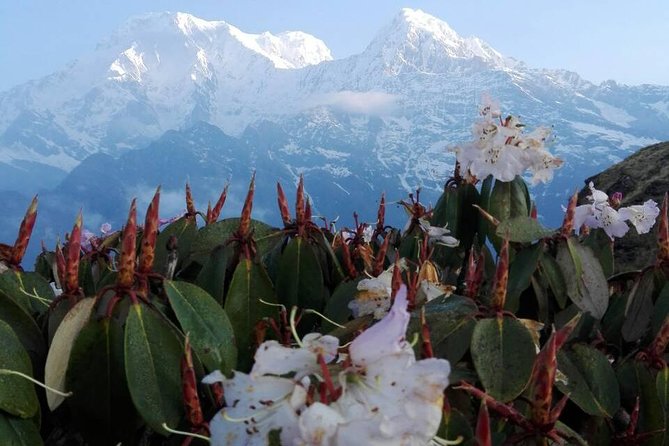
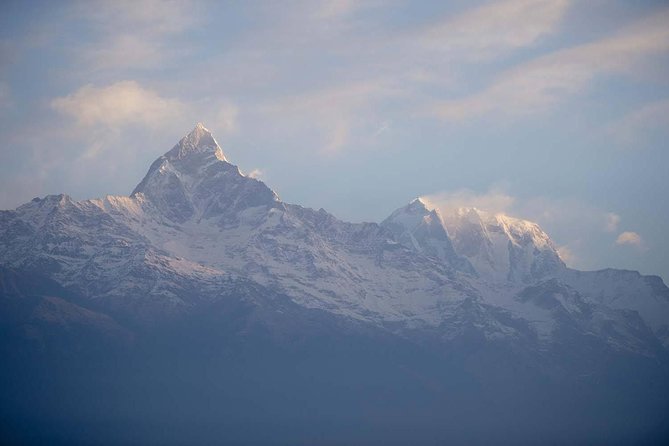
- Close-up ridge views of Mardi and Machhapuchare Himal during high-walk days
- Value-packed logistics with private vehicle transfers, Kathmandu–Pokhara flight, and tourist bus return
- Comfort-focused gear support with equipment supplied for the trek (and returned at the end)
- Guides who know the route, including named guides like Sagar and Suman in past trips
Why Mardi Himal Feels Different From the Usual Annapurna Hike
Most Annapurna treks give you big scenery, then lots of people. Mardi Himal plays a different game. You’ll hike away from the main trail into hidden areas of the Annapurna Himalaya, which matters because you’re not just looking at mountains—you’re walking through the Annapurna’s quieter moods.
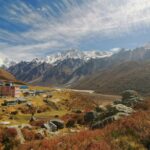
I especially like the way the route is described as moving from low, warm rice fields to higher, cooler alpine hills. That change isn’t just poetic. It’s the kind of shift you can feel: start warmer, then get your layers ready as the forest thickens with tall rhododendron-oaks-magnolia-pines and fir tree lines.
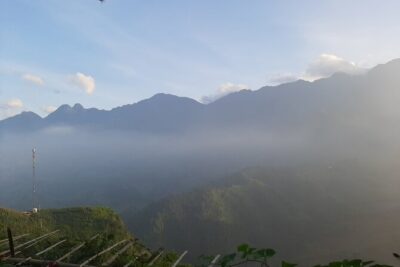
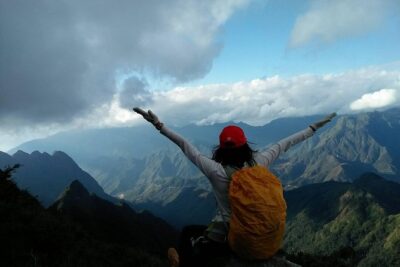
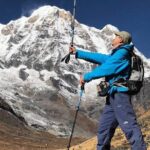
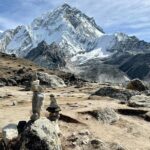
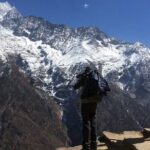
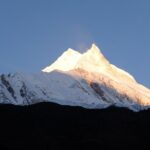
Then the payoff arrives in the form of wide-open panorama time. The trek route is set up for incredible views of the Annapurna range, with close views of Mardi and Machhapuchare Himal—so you don’t just see peaks in the distance. You get to track them as you walk the high ridges.
You can also read our reviews of more tours and experiences in Kathmandu.
Value Check: What You Pay for at $980.87 (and What’s Extra)
At $980.87 per person, the deal is mostly about taking the stress out of Nepal logistics. You’re covered for private vehicle transfers, a Kathmandu-to-Pokhara flight, and the return by tourist bus. That can be a huge time-saver, especially when you’re juggling sightseeing days and trekking days.
Food and staffing also bring real value. During the trek, the package includes three meals per day (breakfast, lunch, dinner). You also get a professional trekking guide for the trek and a strong porter, plus the necessary permits.
Here’s the catch: you still need to budget for a few personal items. The city tour entry fee isn’t included, and personal expenses plus drinks (soft or hard) are also excluded. If your schedule runs late and you need an extra night in Kathmandu or Pokhara, that can add cost too.
So I’d sum it up like this: if you want a guided, padded-by-logistics experience with meals and permits handled, the price looks reasonable. If you’re trying to travel ultra-light and do everything on your own, you may feel like you’re paying for hand-holding you don’t need.
Kathmandu Pre-Trek: Thamel, Durbar Square, and the Big Three Religious Stops
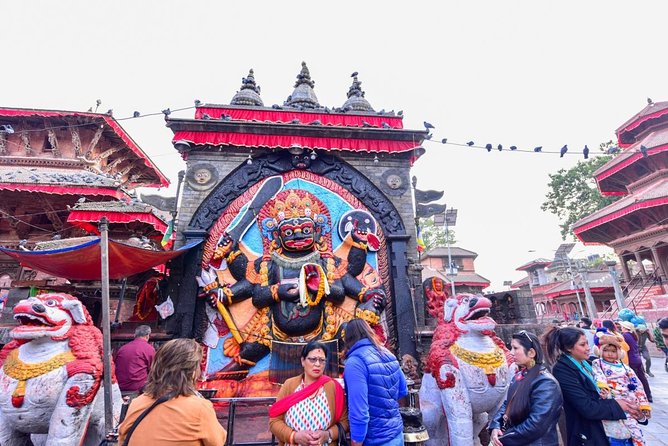
Your trip begins in Kathmandu, and the first stop is Thamel. This is the tourist hub. It’s where you see travel gear shops, snack spots, and people moving through Nepal in their own little orbits. The time slot listed is about 5 hours, which is enough to get oriented.
Next you’ll hit Kathmandu Durbar Square, plus Pashupatinath, Bouddhanth, and Swayambhunath. The total time listed for this day is about 1 hour for the stop set. The key detail for you: entry fees for the city tour are not included. So plan to have a little cash for admissions even though you’ll have the guided experience.
Why does this matter for a trek? Because these places help you understand what you’re walking under—social, religious, and cultural context. Even if you’re focused on trekking, you’ll feel less like you’re passing through and more like you’re arriving.
If you like structure, this part is also useful. You’re not making plans on the fly. You’re getting your bearings fast, then heading toward Pokhara and the hiking rhythm.
Pokhara Reset: Lakeside Calm and the Dhampus View Tower Blast
Pokhara is where the pace shifts. You’ll stay in Lakeside and spend time walking near Phewa Lake. The listed time is about 2 hours, and the point is simple: calm water, relaxed streets, and a good chance to settle your mind before trek days.
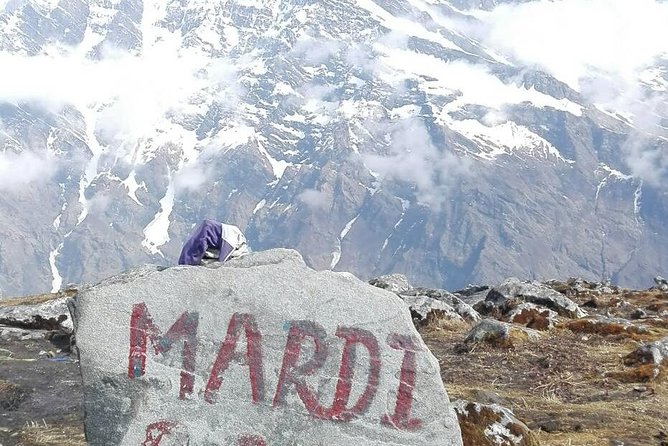
Then comes Dhampus View Tower. The time listed is about 1 hour, and the views are the headline: Annapurna, Manaslu, and Fishtail, plus green hills and farm villages. This is the kind of viewpoint stop that does two jobs at once. You enjoy the scenery, and you also start connecting names to shapes.
You’ll likely feel it here: the trek stops being an idea and becomes a route. Dhampus View Tower gives you a visual map of what’s out there, which makes the later ridge views feel earned instead of random.
The Trek Itself: Rice Fields to Rhododendron Forests to High Ridge Views
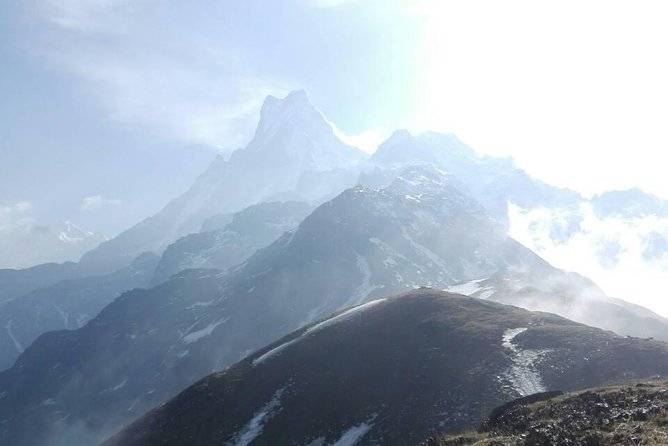
The best part of this trek is the progression. It starts low, warm, and agricultural—then moves upward into cooler alpine zones. That matters because your days aren’t all the same steepness. You’ll go from rice-field vibes to forest walking, and that rhythm helps the hike feel varied rather than monotonous.
As you gain elevation, the route goes through thick dense forests described with tall rhododendron, oak, magnolia, pine, and fir tree lines. This is one of the reasons the Mardi Himal trek appeals to people who like more than just mountain silhouettes. You’re also walking through living layers of Nepal’s mid-hill and high-hill ecology.
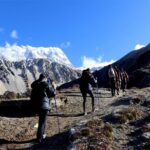
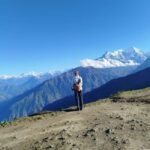
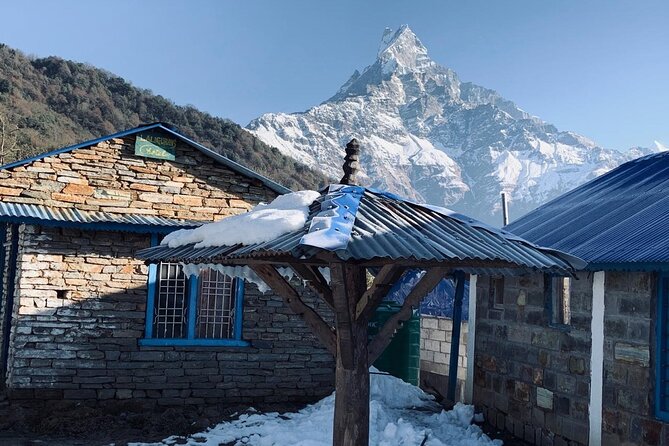
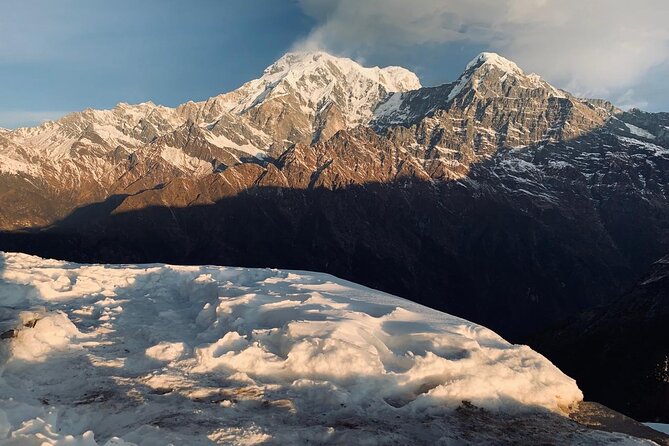
Then the route shifts again toward open ridges. This is where you get the incredible panorama of the Annapurna range and the close views of Mardi and Machhapuchare Himal. The phrase close views is important. It usually means you’ll be able to look up and actually track the peaks rather than just see them as far-off posters.
One more useful point: the plan is described as “hiding” you away from the main trail into less-visited areas. That often means fewer distractions and more moments where you can hear yourself think—plus the kind of quiet ridge scenery that makes your camera work overtime.
Guide + Porter + Loaner Gear: The Stuff That Changes Your Comfort
This package is staffed. You get a professional trekking guide during the trek and a strong porter. That combination usually helps with both safety and pace. A guide handles the route and decisions. A porter helps with the heavy load side of trekking, so you can focus on walking.
The gear part is a major plus. In past trips with this operator, guests praised the supplied equipment like sleeping bags, down jackets, and duffel bags. Also, the listing notes that equipment is necessary to return after you finish the trek, which is a good sign that they’re managing gear properly instead of sending you into the mountains with random items.
Guide names that show up in real experiences include Sagar and Suman. That’s not just trivia. It hints that you can expect someone who’s actually worked these routes, not just a person with a map.
If you’re new to trekking, this matters even more. The forest, the cold mornings, and the timing of breaks are where newbies struggle. Having the right guide and the right gear support reduces the risk of turning a mountain experience into a logistics problem.
Altitude and Fitness: Plan for the Mountain, Not Just the Distance
The tour calls for moderate physical fitness. That’s the right warning label. Mardi Himal is not described as a beginner stroll, but it’s also not framed as extreme mountaineering.
Still, altitude is real. One guest noted altitude sickness during the trek, but they completed it with encouragement from their guide, including Suman. That’s a reminder that even when the group plan is solid, your body can react differently.
Here’s how to handle this practically:
- Go slower than you think on the first big height changes.
- Drink water consistently, even when you don’t feel thirsty.
- Layer up early. Cold can sneak in faster than motivation.
If you’re prone to altitude issues or you’ve never trekked before, consider building fitness before you go. Long walks, stairs, and light hikes close to sea level can help you feel more steady once the air thins.
How the Overall 12-Day Timeline Feels on the Ground
Even though the trek is often planned as a shorter hiking window (the info shows about 4 days approx.), the full program is listed as 12 days. That usually means you’re getting more than hiking: Kathmandu sightseeing, Pokhara downtime, flights, and a return travel day.
So don’t think of this as only boots-on-trail time. You’re getting a full Nepal rhythm:
- Kathmandu warm-up days with cultural sites
- Pokhara reset with lakeside calm and viewpoint time
- Trek days built around forest walking and ridge panoramas
- The return travel built into the package (flight out and tourist bus back)
That is good value if you don’t want to piece together flights, hotels, and permits yourself.
A Quick Look at Included Travel and Stays
You’ll stay in tourist standard hotels using twin sharing in Kathmandu for three nights and in Pokhara for two nights. Hotels are part of what keeps the package easy to book and follow.
Transport is also handled:
- All necessary transports by private vehicles
- Kathmandu to Pokhara by flight
- Pokhara to Kathmandu by tourist bus
You also get pickup offered, and the program includes a mobile ticket. Meeting time is listed as 7:45 am, and the meeting point is near public transportation.
These details matter because they affect how smoothly your days connect. Trekking trips fall apart when the travel plan is vague. This one is pretty explicit.
Who This Trek Is Best For (and Who Should Be Careful)
This is a great match if you:
- Want an Annapurna trek but prefer quieter, off-main-trail walking
- Like the idea of moving through forests, not just chasing summits
- Appreciate a guided experience with meals, permits, and staffing handled
- Are happy to trade a bit of independence for comfort and logistics
You should be cautious if:
- You hate early starts. The start time is 7:45 am.
- You don’t handle cold or altitude well. The trek involves higher alpine zones and can bring altitude effects.
- You’re expecting a fully all-inclusive price. City tour entry fees and personal expenses aren’t included.
Should You Book Mardi Himal Trek With Eco Holidays Nepal?
I’d book this if you want a guided Mardi Himal experience that’s built for real trekking conditions—meals included, permits included, and gear support so you’re not scrambling. The off-the-main-trail promise, paired with ridge views of Mardi and Machhapuchare Himal, is exactly the kind of combination that makes a trek feel special instead of generic.
I’d also book it for the practical layer: guide and porter support plus smooth Kathmandu–Pokhara movement. That’s the kind of value that helps your trip stay focused on walking and views, not paperwork and transport panic.
If you’re the type who wants to DIY every detail, you can probably do Mardi Himal independently. But if you want a clear plan with the tricky parts handled, this package is a strong choice—especially if you’re eager for those high ridge panoramas without the usual crowd pressure.
FAQ
What is the start time and where do we meet?
The meeting time is 7:45 am, and the meeting point is listed as near public transportation.
Where does the tour start?
The tour begins in Kathmandu.
Is pickup offered?
Yes, pickup is offered.
Does the price include the trekking guide and porter?
Yes. A professional trekking guide is included during the trek, along with a strong porter.
Are meals included during the trek?
Yes. During the trek you get three meals per day: breakfast, lunch, and dinner.
Do I need permits for the trek?
Yes. The package includes the necessary permit for trekking.
Are flights and return travel included?
Kathmandu to Pokhara is included by flight, and Pokhara to Kathmandu is included by tourist bus.
What about hotels during the trip?
You’ll have three nights in Kathmandu and two nights in Pokhara in tourist standard hotels on a twin-sharing basis.
Is city tour entry fee included?
No. The entry fee for the city tour is not included.
Is cancellation free?
Yes, you can cancel for free up to 24 hours in advance for a full refund.