REVIEW · POKHARA
Pokhara: 4 Days Poon Hill – Ghandruk Village Trek
Book on Viator →Operated by Couch Adventure Nepal (CAN) · Bookable on Viator
Poon Hill sunrise is the payoff. This short trek from Pokhara gives you big mountain drama without a technical climb, and I love the Poon Hill sunrise setup plus the private guide who keeps things organized and helps with pacing. The one drawback: you’ll be on the move early, including a 4am start for the sunrise walk.
My other favorite part is the slow shift away from roads and into village life. You’ll spend real time in Ghandruk and have a chance to see local culture up close, not just pass through on a checklist.
Logistics are also handled in a way that feels low-stress. Transfers start from Lakeside Pokhara hotels, and the trip includes the conservation area permit + TIMS card, which matters because paperwork is the kind of hassle you don’t want mid-holiday.
In This Review
- Key things to know before you go
- Why this 4-day Poon Hill to Ghandruk trek feels like the right length
- Day 1: Ulleri Football Ground, Nayapul drive, and your first real ascent
- Day 2: Ghorepani through rhododendron forests and village trails
- Day 3: Poon Hill sunrise at 4am, then down to Ghorepani and on to Tadapani
- Day 4: Ghandruk village and Old Gurung Museum, then Kimche and the drive out
- Guide-led pace, teahouses, and the permits you don’t want to scramble for
- Price and logistics: what $339.34 actually buys you
- It’s not just hiking: what the rural stops add to the trek
- Who this trek suits best (and who should think twice)
- Should you book this 4-day Poon Hill – Ghandruk trek?
- FAQ
- What does the trek include for the price?
- Where are pickups and drop-offs in Pokhara?
- What time does the trek start?
- Is accommodation included?
- Are meals included?
- How challenging is the trek?
- Is the tour refundable if plans change?
Key things to know before you go
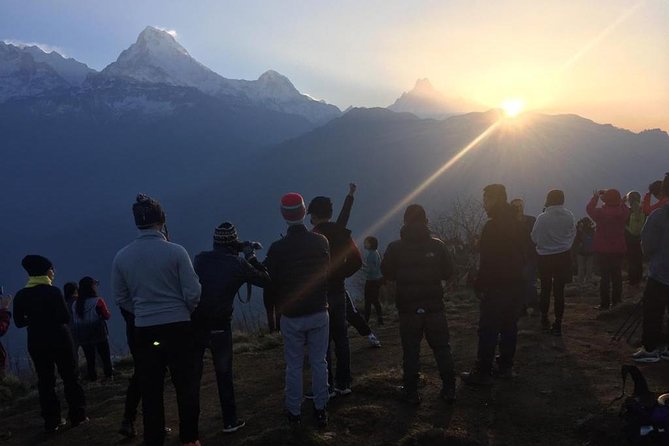
- 4am sunrise wake-up: You’ll walk to Poon Hill early, wait for sunrise, then continue trekking the same morning
- Rural village time: Ulleri, Ghorepani, Tadapani, Ghandruk, and Kimche keep the trail feeling human, not just scenic
- Guide-led pace (private trip): You hike at a comfortable rhythm with English-speaking guidance and teahouse planning
- Permits included: Conservation area permit and TIMS card are part of what you pay for
- Transfers are built in: Hotel pickup/drop-off within Lakeside Pokhara plus round-trip private vehicle help you start and finish cleanly
- Meals cost extra: Guesthouse stays are included, but food and drinks are not, so budget accordingly
Why this 4-day Poon Hill to Ghandruk trek feels like the right length
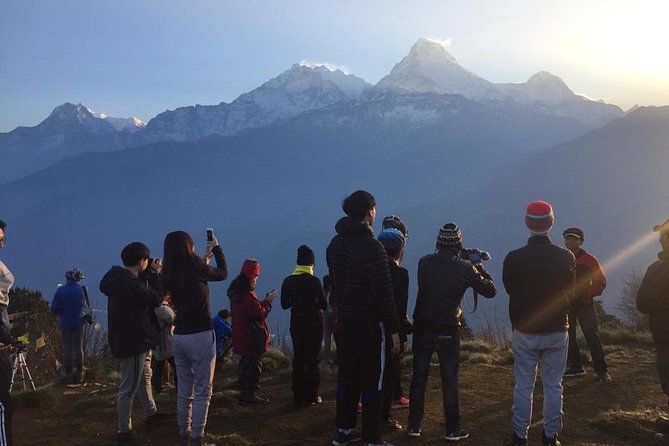
This is one of Nepal’s most popular short treks for a reason. In four days, you get a true trekking rhythm—walk, stop, village, sleep in the mountains—without needing a long vacation or a high-altitude push.
The route is also a good mix of effort and reward. It’s described as moderately challenging and not about going too high, so you can focus on trail time and mountain views rather than turning it into a survival project.
And because it’s a private trek with an English-speaking guide, it’s easier to go at your pace. That matters if you’re a steady hiker, a slower “photo and chat” walker, or traveling solo and want someone nearby who’s used to the route.
You can also read our reviews of more tours and experiences in Pokhara.
Day 1: Ulleri Football Ground, Nayapul drive, and your first real ascent
You’ll start from Lakeside Pokhara, with pickup handled within that area. The vehicle ride takes you about 1.5 hours to Nayapul, where the trek begins.
From Nayapul, your day climbs toward Ulleri. The hike is about 5 hours, and the goal is simple: shake out your legs, get moving uphill, and end in a mountain village rather than another town stop.
Ulleri is also a nice first “Nepal trail” moment. You’re not just walking through scenery—you’re entering a community. You’ll also have an admission ticket included for the Ulleri Football Ground stop, which suggests the route isn’t only about the trail; it’s also about local points of interest.
A practical note: day 1 is your foundation. If you start too fast on that uphill out of Nayapul, you’ll feel it later when the days start early.
Day 2: Ghorepani through rhododendron forests and village trails
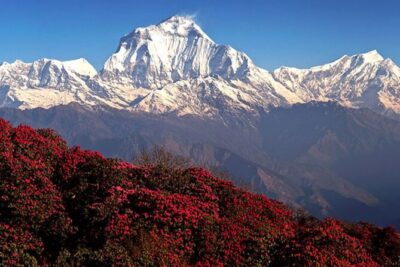
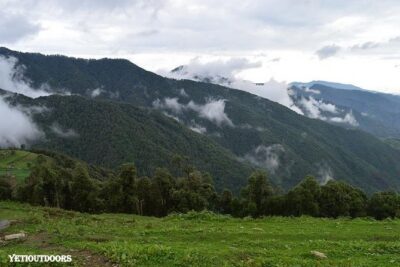
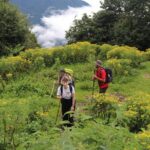
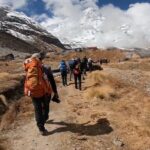
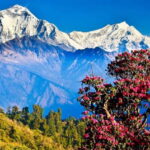
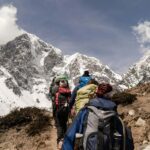
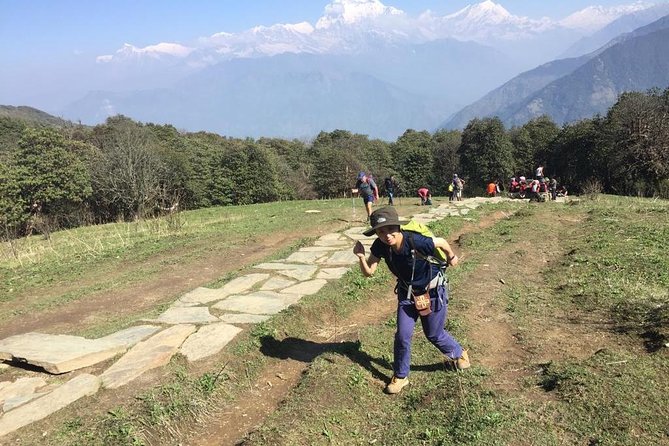
Day 2 starts with trekking toward Ghorepani, and it has a classic mountain-forest feel. You’ll hike through rhododendron forests and villages, which keeps the path interesting even when you’re not actively chasing summit views.
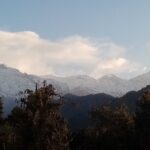
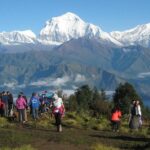
The day is about 6 hours. Along the way, you’ll catch mountain views across the Annapurna range, so the scenery arrives gradually instead of all at once.
Ghorepani is one of those places where the trail life makes sense. You’re in the right elevation and in the right mountain rhythm to get a sense of how teahouse trekking works: you hike in the day, then settle into guesthouse life at night.
One more detail I like here: your guide isn’t just a walking buddy. They’re there to explain what you’re seeing in the mountains and villages, and to manage your overnight stay in the guesthouse system.
Day 3: Poon Hill sunrise at 4am, then down to Ghorepani and on to Tadapani
If you’ve never done a sunrise trek before, day 3 is the whole event in one package.
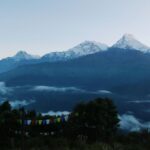
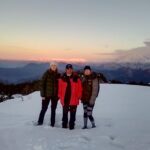
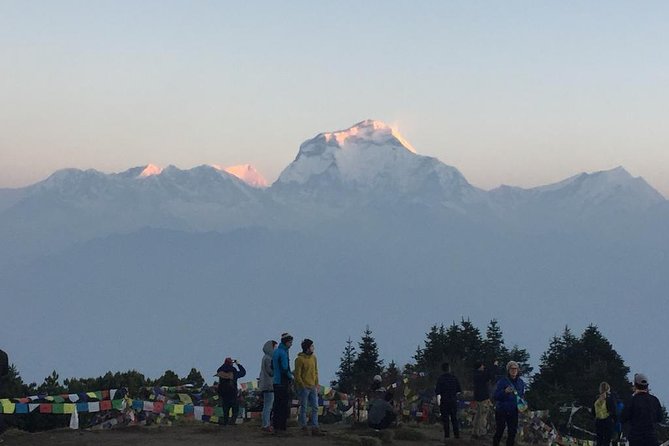
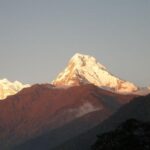
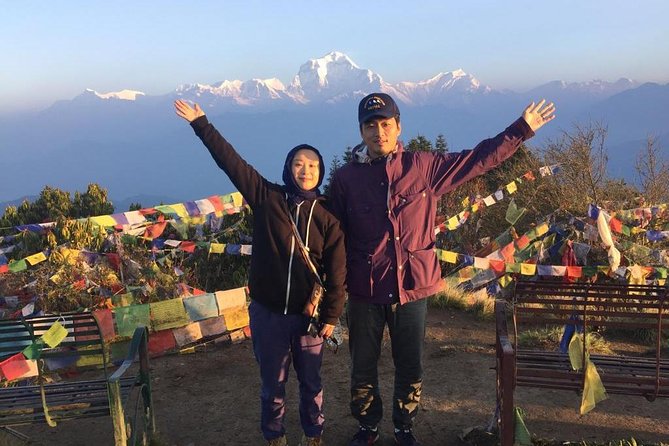
You’ll head out around 4am. The walk to Poon Hill takes about an hour, and once you reach the top, you wait for sunrise over the Annapurnas. After you’ve seen the morning light, you descend back to Ghorepani and then continue trekking onward to Tadapani.
This day runs about 6 hours total. It’s a bit of a “two-part day”: the early push up for sunrise, then steady hiking afterward with more mountain views and green hillside scenery.
What I’d watch for is energy management. People often go hard on the final photos at the viewpoint and then realize they still have the rest of the hike. If you’re the type who loves lingering, ask your guide to help you pace so Tadapani doesn’t feel like a march punishment.
If you want a human touch to go with the scenery, this is also where your guide’s personality matters. In past trips associated with Couch Adventure Nepal, guides such as Bisham have been praised as funny and entertaining, while Amrit has been noted for patience and positive energy—exactly the vibe that helps an early morning feel easier.
Day 4: Ghandruk village and Old Gurung Museum, then Kimche and the drive out
Day 4 keeps the trek grounded in culture. You’ll hike toward Ghandruk for about 3 hours.
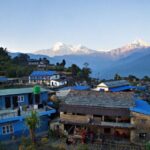
Once there, you explore the village and visit the Old Gurung Museum. This is a big part of why this trek is more than a viewpoint hop. You’re getting context for who lives in these mountains, how their community history is told, and how trekking fits into daily life.
After Ghandruk, you continue on toward Kimche (about 1.5 hours). From Kimche, you take a 4-wheel drive to Nayapul, then continue by vehicle back to Pokhara and your hotel.
That mix—walking out, then finishing with a drive—makes the last day feel less brutal. It’s still a full trek day, but you don’t end with that exhausted “endless trail” feeling that some longer routes can create.
Guide-led pace, teahouses, and the permits you don’t want to scramble for
This trek is built around a simple system: an English-speaking trekking guide, a private trek for your group, and guesthouse accommodations handled along the way.
You’re not on your own with planning. Your guide coordinates teahouse lodging, which matters because guesthouses can vary in comfort and availability depending on the season and day. The information provided also notes that the trip includes permits—a conservation area permit and TIMS card.
That’s real value. In the real world, permit issues are stressful. When they’re included, you’re more likely to keep your focus on the trail and less on paperwork.
Also, you do get personalized attention. A private tour means you’re not being dragged forward to match someone else’s pace. If you’re moving slower, stopping for photos, or just want time to talk, this format is a better match than joining a crowded group.
A quick note on your guide experience: in feedback tied to this operator, guides named Krishna, Bisham, and Amrit show up for positive mentions—humble attitude, professionalism, and keeping people comfortable. Even if your guide isn’t one of those names, the consistent theme is that the guiding style feels supportive, including for solo hikers.
Price and logistics: what $339.34 actually buys you
At $339.34 per person for roughly four days, the best way to judge value is to look at what’s covered versus what you’ll need to pay anyway.
Here’s what your price includes:
- English-speaking trekking guide
- Guesthouse accommodation (so you’re paying for the overnight mountain sleeping setup)
- Conservation area permit + TIMS card
- Hotel pickup and drop-off within Lakeside Pokhara
- Round-trip transfer by private vehicle
- A private trip format
What’s not included:
- All meals and drinks (buy as you go)
- Rescue cost in an emergency
- Gratitude (optional)
That means you’re mostly paying for the mountain infrastructure: guiding, lodging, and the legal/administrative bits of trekking, plus the vehicle legs that connect Pokhara to the start and finish.
If meals aren’t included, you’ll want to plan your food spending day by day. The good news is you can usually choose what you eat in teahouses rather than being locked into set menus. But budget is still on you.
And because transfers are private, you’re also paying for less waiting around in Pokhara. That time-saving matters more than it sounds, especially if you’re coming into town on a flight, jet lagged, or sharing your holiday schedule with other sightseeing.
It’s not just hiking: what the rural stops add to the trek
The stops along the route help explain why this trek stays “short” but still feels full.
- Ulleri gives you an early village climb and a sense of trail culture right away
- Ghorepani acts as a base for mountain viewing energy and teahouse rhythm
- Poon Hill delivers the sunrise payoff and the big Annapurna moment
- Tadapani keeps the walking day feeling like you’re still moving through real terrain, not just returning to the same scenery
- Ghandruk shifts the trek into cultural focus, especially with the Old Gurung Museum
- Kimche is a stepping stone that leads to the vehicle exit from the mountains
This matters because it prevents the trek from feeling like only a photo mission. You’re not just collecting viewpoints; you’re walking through places where people live year-round, and your guide can point out what you’re actually seeing—nature and culture—rather than just pointing at peaks.
Who this trek suits best (and who should think twice)
This trek is described as suitable for most travelers and it’s moderately challenging, without climbing too high in altitude. That’s a strong sign for beginners who want a real taste of Nepal trekking.
It also suits people who care about structure. With pickup from Lakeside Pokhara, included permits, teahouse accommodations arranged by your guide, and a private vehicle exit from Kimche, it’s built to reduce decision fatigue.
You might want to think twice if:
- You hate early mornings and the idea of a 4am sunrise wake-up feels like a dealbreaker
- You prefer long stretches of solitude and silence; this route is popular and the villages are part of the experience
- You’re expecting meals included in the package price (they aren’t)
If you want a “best of Nepal’s short trek routes” feel, this one is a practical choice.
Should you book this 4-day Poon Hill – Ghandruk trek?
I’d book it if you want a short trek that hits the main Nepal trekking ingredients: mountain views, village life, a sunrise highlight, and a guide who handles the moving parts.
It’s especially worth it when you value private guidance, included permits, and the start/finish convenience of Lakeside Pokhara transfers. And if you’ve seen names like Bisham, Amrit, or Krishna mentioned in connection with supportive guiding, that’s a good sign the experience isn’t run as a rushed factory.
The main reason not to book is the early schedule. If 4am feels like a personal attack, look for a different trek style.
FAQ
What does the trek include for the price?
It includes an English-speaking trekking guide, guesthouse accommodation, the conservation area permit and TIMS card, hotel pickup and drop-off within Lakeside Pokhara, round-trip private vehicle transfers, and a private trip for your group.
Where are pickups and drop-offs in Pokhara?
Pickup and drop-off are offered within the Lakeside Pokhara area. You’ll be picked up from your hotel in that area and dropped back at the end of the trek.
What time does the trek start?
The start time listed is 8:15 am.
Is accommodation included?
Yes. You get accommodation in guest houses along the trek.
Are meals included?
No. All meals and drinks are not included, but they are available for purchase during the trek.
How challenging is the trek?
It’s described as moderately challenging and it doesn’t climb too high in altitude, while still offering impressive close-up mountain views.
Is the tour refundable if plans change?
Yes, free cancellation is offered. You can cancel up to 24 hours in advance of the experience start time for a full refund.