REVIEW · HOI AN
Hoi An: Amazing My Son Sanctuary and Mountain Trekking
Book on GetYourGuide →Operated by Hoi An Local Tours Company Limited · Bookable on GetYourGuide
Hoi An has a morning that feels like a secret. You’ll start at My Son Sanctuary for Hindu monuments, then switch gears to jungle trekking through quiet paths near the mountains with an experienced local guide.
Two things I really love: you get a proper guided visit early (less waiting, more calm) and you spend real time outdoors, not just standing around. I also like that you’re not rushed on the trek—you get breaks, coffee/snacks, and a chance to slow down by streams and listen for birds.
One possible drawback: parts of the trekking may change or get skipped depending on weather, health, and route options. If you’re expecting an identical trail every time, you’ll want to be flexible.
In This Review
- Key things to know before you go
- Morning Pickup in Hoi An: Getting to My Son Without Stress
- First Stop at My Son: Hindu Monuments and an Early-Start Feel
- Coffee, Snacks, and That Quick Breakfast Before the Trek
- Jungle Trekking with a Hunter-Guide: Hidden Paths and Real Nature
- Wildlife and Bird Songs: Why the Trek Feels Different from a Standard Hike
- Where the “Mountain Quiet” Happens: Streams, Breaks, and Slowing Down
- Food Stops and BBQ: Included Fuel for a Half-Day Adventure
- Price and Value at Around $20: What’s Included and What Costs Extra
- What to Wear: Long Pants Help on Rugged Jungle Sections
- Who This Tour Suits Best (and Who Should Be Careful)
- Should You Book This My Son and Mountain Trekking Tour?
- FAQ
- Is pickup and drop-off included?
- How long is the experience?
- What time does the My Son visit start?
- Is the My Son entrance ticket included?
- Is trekking gear provided?
- Is there an English-speaking guide?
Key things to know before you go
- Early arrival at My Son means you start your temple time before it gets busy.
- English-speaking guide turns stones and carvings into stories, including what to watch for at the sanctuary.
- Jungle trekking with a hunter-turned-guide style of navigation through hidden paths.
- Wildlife is a realistic bonus: squirrels, roosters, and lots of birds can show up along the way.
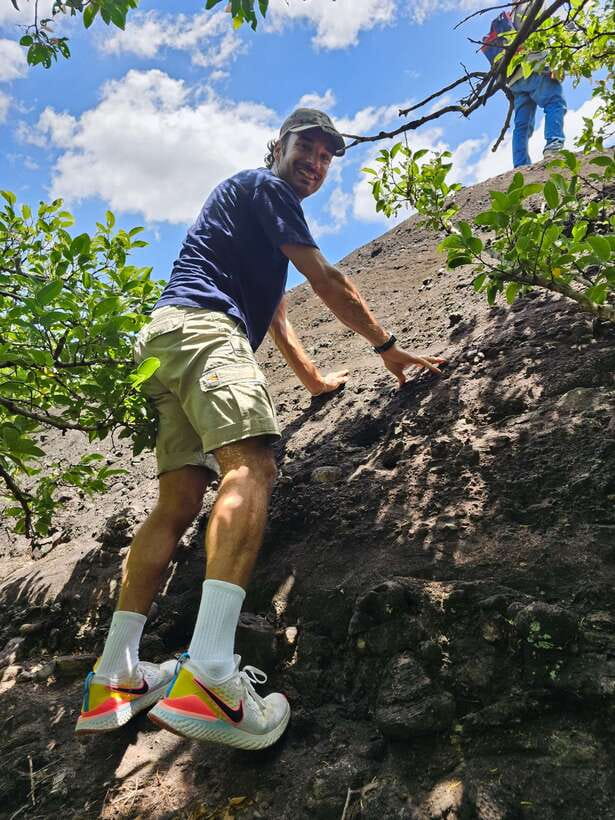
- Comfort matters: long trousers and long sleeves help on rugged, brushy sections.
- Not all routes are guaranteed: the provider adjusts trekking based on conditions, so be ready for plan changes.
Morning Pickup in Hoi An: Getting to My Son Without Stress
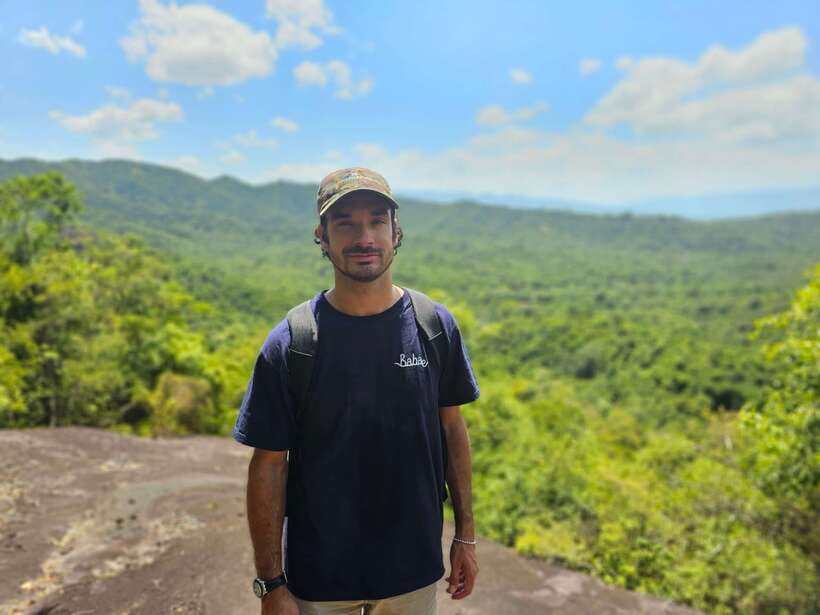
This is built as a smooth half-day plan. You’re picked up from hotels in Hoi An around 5:30–5:45, then you ride in a van toward My Son. The drive is about one hour, so you’re not spending your whole day stuck in transit.
If you’re staying in Da Nang, note that transfers are available, but there’s a transfer surcharge. It’s a small detail, but it can change the total cost, so I’d check it before you confirm.
The timing is also smart. You’re in the sanctuary early enough that the visit feels more peaceful and intentional rather than crowded sightseeing. That matters here because the whole point is mixing history with nature.
You can also read our reviews of more tours and experiences in Hoi An.
First Stop at My Son: Hindu Monuments and an Early-Start Feel
Your temple time starts at around 6:30, with the Hindu monuments at My Son. This isn’t just a walk-by photo stop. You go with a local guide who explains the site’s history and the cultural meaning behind what you’re seeing.
What I like about this format is how it balances structure and atmosphere. You get guidance so you understand what you’re looking at, but you also arrive when the area feels calmer. Even the natural setting around the monuments helps the whole place register as something older than a checklist item.
This visit is also designed as a guided, walk-style experience—so if you’re the type who likes to ask questions, it’s a good match. In particular, you’ll hear history and cultural context in a way that’s meant to be easy to follow (and if you’re lucky, you’ll get a guide like Nhan, who’s specifically called out for clear explanations about the site, nature, and local culture).
Coffee, Snacks, and That Quick Breakfast Before the Trek
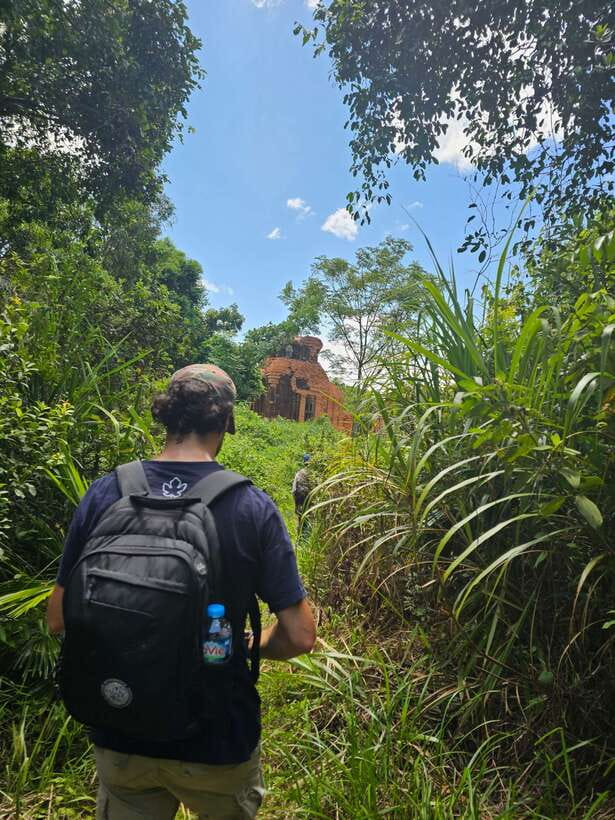
Around 8:00, you take a break for coffee and snacks before heading into the jungle portion. This is the kind of timing I appreciate on mixed tours: you don’t start the trek cold or hungry, and you get a reset before the hiking gets more physical.
One small food detail that can really make a difference: you might get egg banh mi before the hike. It’s the right kind of practical fuel—easy to eat, not too heavy, and it helps you power through the trail.
You’ll also have some downtime before the trekking route fully kicks in. That matters because the day mixes temple walking with rugged paths. You want your body awake for the outdoor part, not just awake in the head.
Jungle Trekking with a Hunter-Guide: Hidden Paths and Real Nature
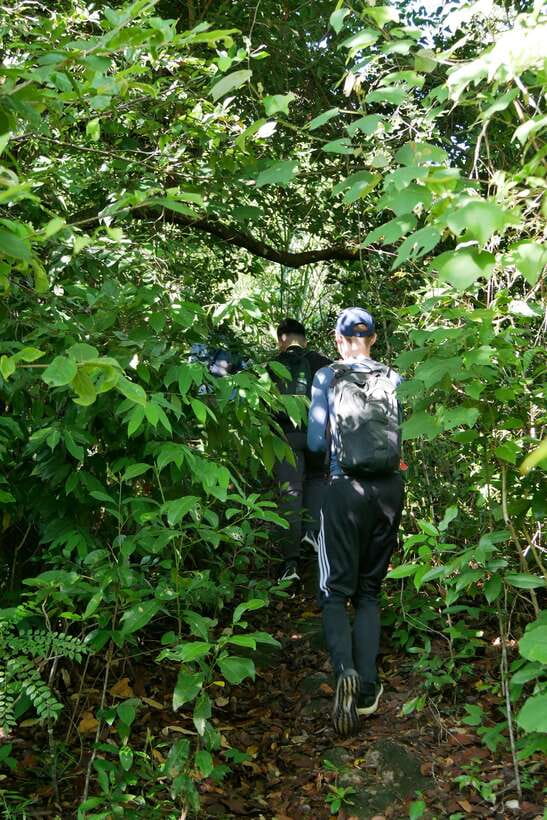
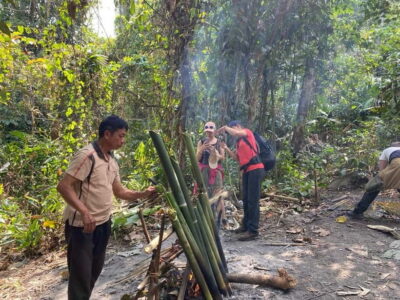
This is the main event. After your sanctuary break, you move into jungle trekking with an experienced local guide. The standout detail here is that the lead guide is described as someone who used to hunt—so the navigation feels grounded in the real rhythms of the forest, not a generic hiking route.
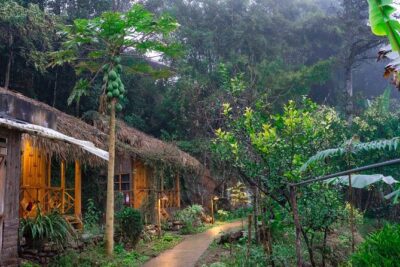
You’ll go through hidden paths, and you’re likely to notice small things that you’d miss without local direction: where the trail tightens, where you can slow down for animals, and where the stream area feels worth lingering.
Trail difficulty can be a variable, and the tour provider adjusts based on health conditions, weather, and trekking route possibilities. That also means some parts may not be covered, even if the key areas are still included. So treat this as an experience managed for safety and flow, not a strict “everyone does exactly the same path” hike.
There’s also a hands-on reality to the trail. One guide may have to clear a section with a machete when paths get overgrown. That’s not a scary warning—it’s just what “real trail access” looks like here. It also tells you the guides know how to keep the group moving through brush.
Wildlife and Bird Songs: Why the Trek Feels Different from a Standard Hike
This trek isn’t only about the temples-by-day-to-temples-by-night kind of schedule. The outdoor part is designed to let you notice life in the area.
It’s explicitly described as easy to encounter wildlife—things like squirrels, roosters, and many birds. You’ll also hear the birds as part of the experience, especially in quiet stream and mountain sections.
I’d go in with the right expectations: you’re not chasing wildlife like it’s a safari. You’ll be moving at a human pace and scanning along the way. When you do spot something, it feels like a bonus that came from being out there early, not a planned stop.
You might also see larger animals depending on the day and route. For example, water buffalo were mentioned, which fits the “mountain and stream” character of the trek.
Where the “Mountain Quiet” Happens: Streams, Breaks, and Slowing Down
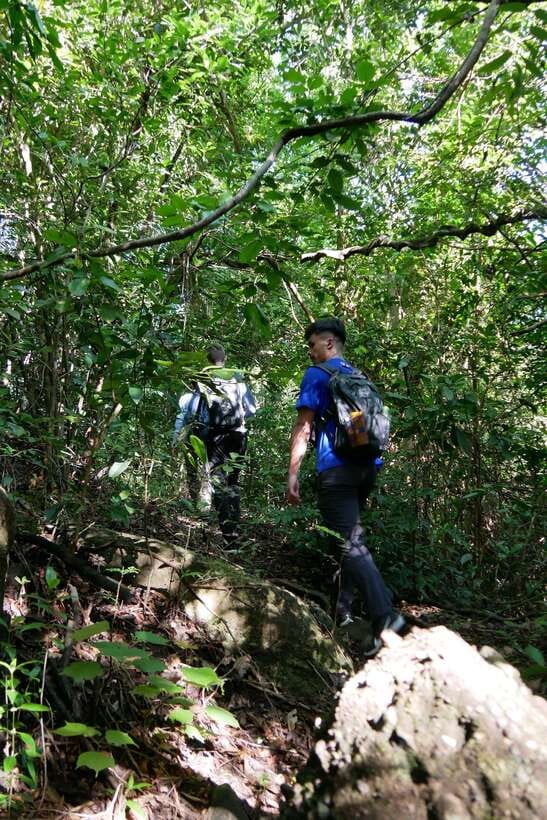
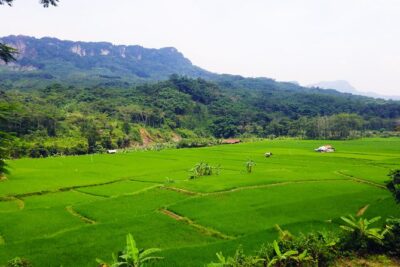
One of the best parts is the chance to step out of pure sightseeing and into calm nature time. You’ll have moments where you can relax by pure streams, take in the mountain quiet, and let the background sounds do their job.
This is also why the tour format works: after you’ve already visited historic monuments, the outdoor segment gives your brain a different kind of focus. You stop translating carvings into meaning and start noticing trees, plants, water sounds, and bird calls.
The guide is part of that too. When you have someone navigating and spotting details, you don’t spend the whole trek tense about where to go. That makes the whole day feel more like an experience than a chore.
Food Stops and BBQ: Included Fuel for a Half-Day Adventure
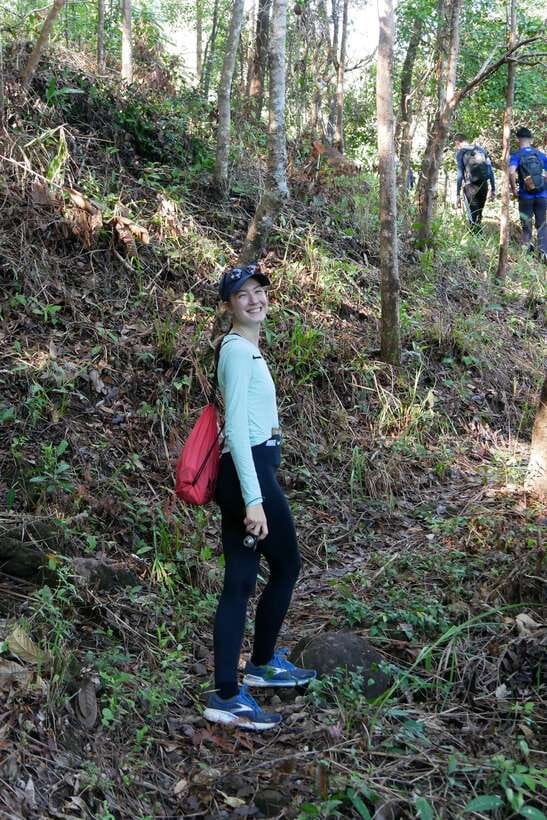
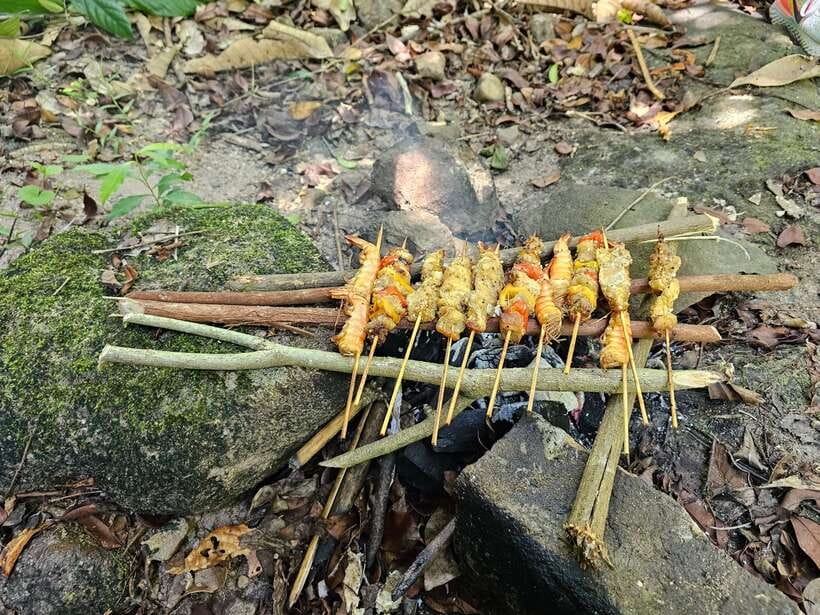
You get food, coffee, and water as part of the tour. The exact food timing includes the earlier coffee/snacks break, and the schedule also lists a BBQ component during the day.
This kind of included meal plan matters because it keeps you from spending time hunting for food after trekking. It also helps you pace the trek better—you’re not carrying everything, and you’re not forced into making your own snack decisions mid-route.
That doesn’t mean you ignore comfort. You’ll still be walking and hiking, so hydration and basic energy are key. Having water provided helps a lot when the day is active.
Price and Value at Around $20: What’s Included and What Costs Extra
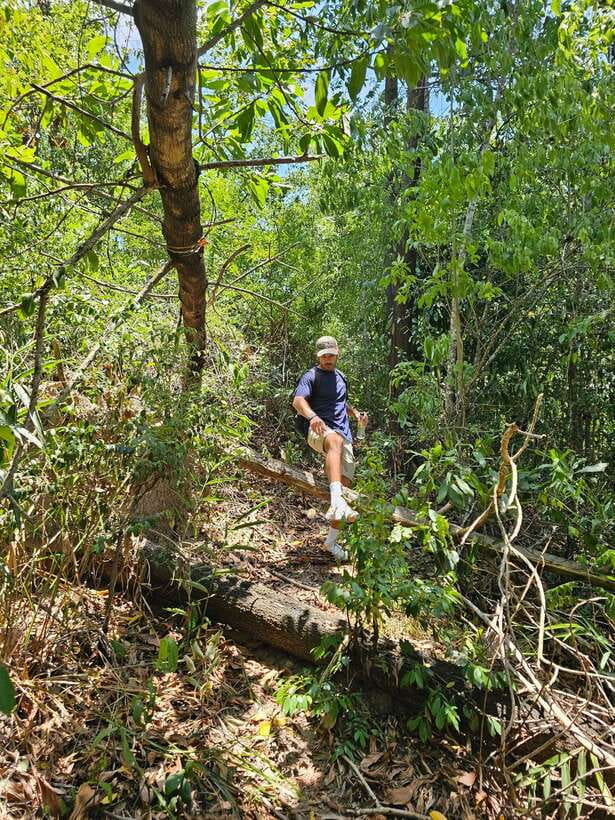
Let’s talk money in a practical way. The tour price is about $20 per person, and what makes it feel like good value is the bundle: hotel pickup and drop-off, modern vehicles, an English-speaking guide, plus food, coffee, and water.
The main extra you should plan for is the My Son entrance ticket, listed at 150,000 VND. That’s straightforward, but you need to budget it so you’re not surprised at the sanctuary.
Also, trekking gear isn’t included. That’s another cost consideration, depending on what you already own. If you don’t have proper footwear or clothing for brush and uneven ground, you might spend extra before you even go.
If you’re coming from Da Nang, remember that there may be a transfer surcharge. When you add that on, the “$20” headline can be higher, so calculate based on where you’re being picked up.
Overall, the value comes from doing two different experiences—temple history plus real jungle trekking—in one managed morning with a guide and food already taken care of.
What to Wear: Long Pants Help on Rugged Jungle Sections
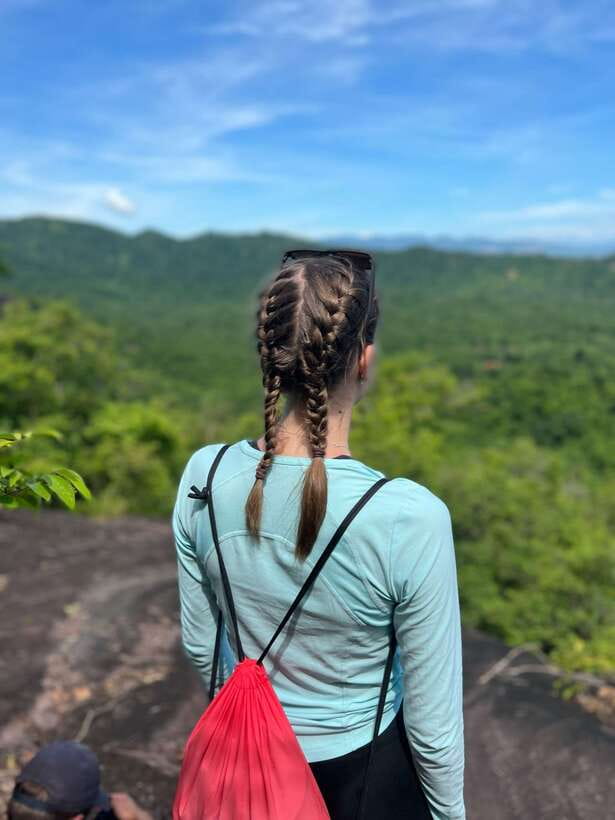
Clothing is not a tiny detail here. The trek sections can be rugged and brushy. You’ll want to dress for contact with plants and uneven ground.
A clear recommendation from real experience: wear long trousers and long sleeves. If you only wear shorts, you might feel the trail more than you’d like. It can be warm, but skin protection is still the difference between “fun tough hike” and “why didn’t I cover up?”
Also pack for getting warm and then cooling off. A light layer helps if you start early in cooler morning air and then climb into hotter trekking conditions.
If you have trekking shoes, great. If you don’t, at least choose footwear that can handle uneven, damp, or slippery sections.
Who This Tour Suits Best (and Who Should Be Careful)
This tour is ideal if you want more than a quick temple circuit. You’ll like it if you enjoy:
- guided cultural context at My Son
- time outdoors with a local who reads the terrain
- wildlife spotting as part of the walk
- a moderate adventure vibe, not a high-altitude grind
You should be careful if hiking is tough for you. The route can be adjusted based on health conditions, and not all parts may be covered. That’s helpful, but it also means the experience can shift away from what you imagined.
If you have any concerns about mobility, tell the provider before you go (or ask directly when you confirm). Since trekking routes depend on conditions, it’s better to plan with that reality than hope for a specific trail length.
Should You Book This My Son and Mountain Trekking Tour?
Book it if you want a day that blends My Son Sanctuary history with the kind of jungle trekking you can’t easily replicate on your own. The combo of an English-speaking guide, early sanctuary timing, and outdoor time by streams makes it feel like a full experience, not two disconnected activities.
I’d skip or reconsider if you don’t handle uneven paths well, or if you hate the idea that the trekking route can change with weather and health factors. Also factor in that the entrance ticket and trekking gear are not included.
If you’re ready to wear long pants, follow your guide, and let the morning unfold at a relaxed pace, this is a strong pick for Hoi An.
FAQ
Is pickup and drop-off included?
Yes. The tour includes hotel pickup and drop-off in Hội An, and you may have pickup from Da Nang with a transfer surcharge.
How long is the experience?
The duration is about 5 hours (390 minutes), from early morning pickup to return around late morning.
What time does the My Son visit start?
Pickup is around 5:30–5:45, and the guided visit at My Son starts at about 6:30.
Is the My Son entrance ticket included?
No. The My Son Sanctuary entrance ticket is 150,000 VND and isn’t included.
Is trekking gear provided?
No. Trekking gears aren’t included. The tour includes food, coffee, and water, but you’ll need to handle clothing/gear yourself.
Is there an English-speaking guide?
Yes. You’ll have a professional English-speaking guide for the sanctuary visit and trekking.