REVIEW · NAIROBI
13-Day Uganda Mgahinga Gorilla Trek, Maasai Amboseli Park
Book on Viator →Operated by Silver Spark Africa Safaris · Bookable on Viator
Gorillas and savannah in one tight loop. This 13-day journey strings together Kenya’s classic big-game areas with Uganda’s mountain gorillas, starting with a Nairobi reset and ending on the Kilimanjaro plains. I especially like the way the trek is handled: early starts, thick forest guidance, and a strict one-hour gorilla viewing period. I also like that you get real safari time, not just a quick look—full-day game drives in places like Maasai Mara. One thing to think about before you book: you’ll spend a lot of days on the road and in early mornings, especially once you’re heading toward Mgahinga.
In my kind of trip, the best part is when the schedule matches the wildlife. Maasai Mara is where you get that long search for lions, cheetahs, elephants, and the rest, with a picnic lunch built into the day. Then Amboseli adds the wow factor: elephants close up, plus those frequent Kilimanjaro-photo moments when the clouds cooperate. Add in the planning support you can get from coordinators like Abongo, and guides like Peter or Brian (names that have come up in past trips), and the whole thing feels smoother than the average safari.
The potential drawback is simple: it’s a lot. Between borders, transfers, and park drives, the days can feel packed—great if you like momentum, less great if you want slow travel. If you’re prone to motion sickness, soreness, or altitude effects, plan for it and keep your expectations realistic.
In This Review
- Key highlights you’ll care about
- Why this Kenya–Uganda route feels efficient
- Nairobi warm-up: Giraffe Centre and a proper first dinner
- Maasai Mara: first-afternoon spotting to a full-day Big Five search
- Lake Nakuru: flamingo shores, Rift Valley viewpoints, and rhino-country odds
- Jinja on the Nile: base in adventure country (with optional add-ons)
- Kabale and Lake Bunyonyi: the altitude reset before gorillas
- Mgahinga Gorilla National Park trek: early mist, tough walking, strict rules
- Kabale community time: Batwa visit or canoeing choice
- Kampala and Jinja again: city reset and nightlife window
- Hell’s Gate National Park and Lake Naivasha: cliffs, gorges, and hippo chances
- Amboseli: elephant closeness and Kilimanjaro photo odds
- Last morning back in Nairobi
- Price, value, and what to confirm before you pay $4,000
- Who this safari suits best
- Should you book this tour?
- FAQ
- How much does the safari cost?
- Where does the tour start and end?
- Is pickup included?
- Is this a private tour?
- What meals are included?
- Is alcohol included?
- What should I expect from the Mgahinga gorilla trek?
- Can I take photos during the gorilla viewing?
- Are service animals allowed?
- Can I cancel for a full refund?
Key highlights you’ll care about
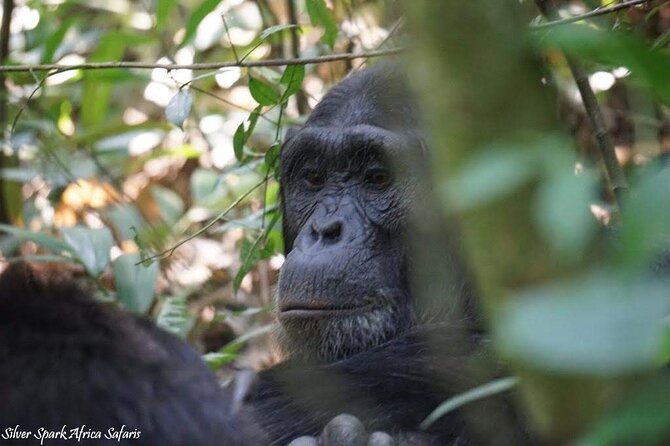
- Mgahinga’s early gorilla start with local guides and misty jungle walking
- Flash-free gorilla photography rules and a regulated viewing window
- Maasai Mara full-day safari time with a picnic lunch in the reserve
- Lake Nakuru’s birds plus Big Five search (including rhinos on the game drive route)
- Lake Bunyonyi as your gorilla warm-up at Africa’s deep crater lake base
- Amboseli elephants with Kilimanjaro backdrops and optional Maasai Village time
Why this Kenya–Uganda route feels efficient
This itinerary is built like a smart loop: Nairobi first for your footing, then Kenya’s savannah parks, and only after that do you shift into Uganda’s mountain gorilla country. That order matters. You’re less likely to feel totally fried before the trek because you get recovery time at Lake Bunyonyi, plus an evening to prep in the Kisoro area.
It’s also a good match if you want two different safari moods. Kenya is wide-open game drives across Mara and Nakuru, where you spend the day scanning for movement and learning animal rhythms. Uganda’s Mgahinga is slower and more physical: walking through jungle, listening for activity, then holding still while you watch mountain gorillas at close range—within strict rules set by the wildlife authority.
Last, the trip is positioned as a private experience for your group. That usually means fewer compromises about timing and comfort, especially on a route this long.
You can also read our reviews of more tours and experiences in Nairobi.
Nairobi warm-up: Giraffe Centre and a proper first dinner
You start in Nairobi with an airport pickup and a pre-departure meeting on the way to your hotel. Then you check in, relax, and let jet lag calm down—because the next days are not gentle. I like having that buffer, even if it’s just one night.
In the afternoon, you’ll visit the Giraffe Centre, a great place to get oriented and still feel like you’re on safari, even before the big parks. In the evening, you go to Carnivore Restaurant for dinner. It’s the kind of meal that helps you kick off the trip with energy, and it’s an easy way to mark the start of your Kenya chapter.
Accommodation here is at Kozi Suites Nairobi. It’s a practical choice: you’re not spending hours transferring after a long travel day.
Maasai Mara: first-afternoon spotting to a full-day Big Five search
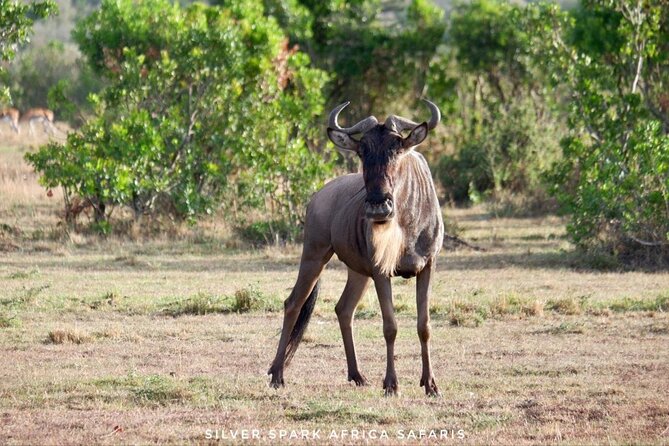
Maasai Mara is where the safari credit card gets cashed. You drive from Nairobi via Narok Town, then check in at Jambo Mara Lodge and settle in before an afternoon game drive. That first drive matters because you start building pattern recognition fast: how giraffes move through acacias, how herds cluster near water, and how predators wait for the right moment.
Day 3 is the big one—a full-day game drive with a picnic lunch inside the reserve. This is your best shot at stacking sightings: lions on the move, cheetahs in open areas, elephants crossing corridors, and the “other animals” moments that often end up being the most memorable. The itinerary specifically notes searching for the Big Five plus plains game, and the Mara’s rivers (Mara and Talek) are part of why the reserve feels so alive.
What to consider: Mara drives can be dusty and long. Even with comfortable vehicles, bring sunglasses, a hat, and plan to feel tired by nightfall. Also, the “Big Five” goal is never guaranteed on demand. You’re going for chances, not control.
Lake Nakuru: flamingo shores, Rift Valley viewpoints, and rhino-country odds
After Mara, you shift toward Lake Nakuru National Park. The drive includes the Great Rift Valley viewpoints and a chance to see coffee and tea plantations along the way. It’s a nice change of scenery after savannah—more hills, more cultivated land, more variety.
You arrive in time for lunch, then go out for a game drive aimed at the Big Five: lions, rhinos, leopards, buffaloes, and elephants. Nakuru is also famous for birds—especially flamingos—so you may get moments where the park feels like a moving wildlife postcard along the lake edges.
If you like birding, Nakuru is a smart stop. The itinerary notes millions of flamingoes and a broad range of migrant birds. Bring binoculars if you have them, or at least plan on spending time scanning with your eyes as the vehicle rolls into viewpoints.
The tradeoff: the day still runs on a tight safari schedule. If you want a very slow, “wander at will” pace, this is more structured than that.
Jinja on the Nile: base in adventure country (with optional add-ons)
Next comes Jinja, often described as East Africa’s adventure hub. On the way you drive across the Malaba border and pass the source of the Nile River—an impressive geographic moment even if you don’t plan to swim in it.
Jinja is then your breather town, with Paradise Jinja Hotel as your base. The itinerary frames this place around adventure sports, and it explicitly encourages you to add a boat ride as an extra. That’s because Jinja’s Nile scenery and wildlife vibe are a different flavor from game drives—more movement, more water views.
One consideration: optional activities cost extra, and boat rides may not be everyone’s idea of rest after days in parks. If you’re prone to seasickness or you want quiet downtime, you can still enjoy Jinja without piling on every activity.
Kabale and Lake Bunyonyi: the altitude reset before gorillas
From Jinja you head toward Uganda’s southwest. The route includes Kabale, noted as Uganda’s highest town around 2,000m, where the air can feel different. Then you reach Lake Bunyonyi, described as Africa’s deepest crater lake.
You camp at Lake Bunyonyi (the itinerary calls out around 900m) and stay at Bunyonyi Overland Resort. This is one of those stops that makes the whole trek feel doable. Instead of going straight from city to jungle, you get a “pause” day with scenery and birdlife. The name Bunyonyi is tied to “little birds,” and the area is presented as a place where you can expect unique bird species around the lake.
Another smart piece: you’re transferring to the base in Kisoro, so you’ll be close when the Mgahinga trek starts. If you’ve ever done a difficult tour, you know the best prep is proximity.
Mgahinga Gorilla National Park trek: early mist, tough walking, strict rules
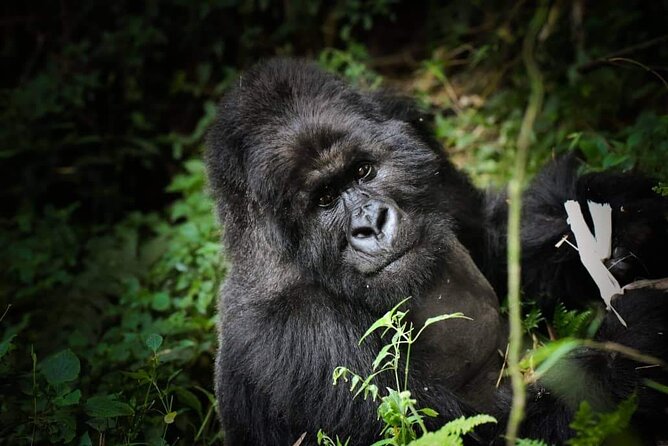
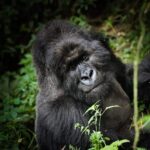
Now for the reason many people book this itinerary: the Mgahinga Gorilla National Park trek. You’ll go early, through morning mist, with experienced local guides leading the way through thick mountain jungle.
The trek can be demanding and can take as long as a full day. That’s not just marketing language—it’s a heads-up that you should pack like you mean it. The itinerary specifically recommends a water bottle and good walking shoes or boots. If you’re not used to steep or muddy walking, you’ll want to take that part seriously.
When you locate the gorillas, you’ll observe them for about an hour. The itinerary notes this time is strictly regulated by the Uganda Wildlife Authority. That’s actually a good thing for ethical wildlife viewing—and it also means you’ll likely feel calmer because you know the timeframe and the rules.
Photography is allowed, but no flash is permitted. There are also restrictions on the use of certain devices (the details are cut off in the info you provided), so plan on listening closely to your guide and follow their camera guidance on the day.
What to do for the best experience: keep close to your guide, stay quiet, move carefully, and don’t treat it like a photo safari. Your best shots usually come from patient attention, not constant repositioning.
Kabale community time: Batwa visit or canoeing choice
After gorillas, your body might be tired—but your schedule still keeps things meaningful. You’ll have a guided community walk in the Kabale area with two options: visiting the Batwa community or going canoeing on the lake.
This is where the trip becomes more than wildlife. The itinerary’s framing focuses on meeting locals and understanding community life, and it offers you control over the balance between cultural time and water time.
You return for lunch, then you’re free to relax or walk around the area more at your own pace. Staying back at Bunyonyi Overland Resort helps here because you’re not rushing to a new hotel after a demanding day.
Kampala and Jinja again: city reset and nightlife window
From the southwestern region, you transfer back to Kampala, with lunch en route. Then you check into Paradise Jinja Hotel again for the night and have time to enjoy the nightlife.
That night reset is useful if your group wants a change of pace after nature-heavy days. It also gives you a chance to wash up properly and enjoy a meal that feels less like safari logistics.
One caution: city time can evaporate fast. If you want a relaxed evening, pick one priority activity and don’t try to do everything.
Hell’s Gate National Park and Lake Naivasha: cliffs, gorges, and hippo chances
Next you head south to Lake Naivasha and pass flower farms near Naivasha town. Then you reach the entrance of Hell’s Gate National Park, described as a semi-arid place with rugged cliffs, open plains, and deep gorges.
You get an afternoon slot with an optional boat ride at extra cost among colonies of hippos—listed as an ideal viewing experience. Hell’s Gate is also set up for active exploring. The itinerary mentions activities like walking, cycling, rock climbing, bird watching, and trekking through gorges among geysers.
Practical note: the itinerary gives you choices, but it doesn’t specify equipment rental details. If cycling or trekking sounds appealing, ask ahead about what’s included so you don’t end up scrambling. Also, bring sunscreen and water. Even in cooler mornings, this region can still feel harsh under sun.
Lunch is picnic-style, which is the kind of simple comfort I like on active days.
Amboseli: elephant closeness and Kilimanjaro photo odds
Amboseli National Park is your final wildlife chapter in this itinerary, with an obvious star: elephants. The route goes from Nairobi south through Masai country to the plains beneath Mount Kilimanjaro, and you stop for a picnic lunch with Kilimanjaro as the backdrop.
You stay at Aa Lodge Amboseli. Day 11 focuses on game drives with morning and evening time, and it lists a wide animal mix—lion, elephant, leopard, rhino, cheetah, buffalo—plus plains game. The info also notes that postcard-perfect photos are often possible, especially when the mountain is visible.
Day 12 starts early, before the clouds build. You get a packed lunch and spend a full day in the park with morning and afternoon drives. The itinerary also mentions a possible visit to a Maasai Village, with singing and dancing and a chance to see homes and social structure.
I like this balance: you get classic game viewing plus cultural context without stuffing the day with too many stops. The main thing to consider is that Amboseli drives are often long. If you’re not into long sits in a safari vehicle, this part will test your patience—though elephants can make every minute feel worth it.
Last morning back in Nairobi
The tour ends with an early morning breakfast, then a drive back to Nairobi airport for your onward destination. Because you’re returning after a long multi-country run, this final morning is best treated like a travel day, not a sight-seeing day. Pack light for the airport ride so the last hours feel smooth.
Price, value, and what to confirm before you pay $4,000
At $4,000 per person, this is not a budget safari. But it also isn’t a bare-bones tour. For the money, you’re paying for a lot of moving parts:
- A long 13-day route across multiple parks and regions
- Pickup offered, plus private touring (your group only)
- A solid set of meals included (breakfast daily, lunch on most days, dinner on most days)
- Major experiences that tend to cost money on their own, especially the Mgahinga gorilla trek
What I’d confirm up front (since the details in the info you shared are a bit mixed): what counts as included for permits and which “extra cost” activities are truly optional. The schedule notes admissions as free on many days and includes admission in one segment, but gorilla permit specifics aren’t spelled out here. Also note that alcohol isn’t included.
Where the value really shines is in continuity. The route doesn’t treat gorillas as an afterthought. It gives you the right lead-in with Lake Bunyonyi and a base in Kisoro, then it keeps you moving to Kenya’s most camera-worthy wildlife zones afterward.
Who this safari suits best
This is a strong match for:
- You want gorillas plus big-game safari in one trip
- You prefer a private group format over juggling shared tours
- You like action and variety: parks, birding moments, river energy in Jinja, then mountain trek time
It’s less ideal if:
- You want a very relaxed pace with minimal driving
- You struggle with long walking days (the gorilla trek can be demanding and full-day)
If your group includes people with mobility limits, ask how the trek support and walking expectations are handled before committing.
Should you book this tour?
If your heart is set on mountain gorillas and you also want classic safari wildlife in Kenya, I’d say yes—with one condition: go in understanding the trip is active, long, and rule-driven once you hit Mgahinga. The payoff is that you don’t just see wildlife—you experience two different worlds of it.
If you’re the type who likes excellent coordination, that’s another reason this might fit. Names like Abongo show up in past trip planning support, and guides like Peter and Brian have been linked to smooth, friendly service. Add that to the fact the itinerary includes real time in Mara and a full Amboseli day, and you get a trip that feels planned around moments, not just checkboxes.
FAQ
How much does the safari cost?
It’s listed at $4,000.00 per person.
Where does the tour start and end?
It starts at Jomo Kenyatta International Airport in Nairobi, Kenya, and ends back at the same meeting point.
Is pickup included?
Yes, pickup is offered.
Is this a private tour?
Yes. It’s described as private, with only your group participating.
What meals are included?
Breakfast is included for 13 days, lunch is included for 12 days, and dinner is included for 12 days.
Is alcohol included?
No. Alcoholic beverages are not included.
What should I expect from the Mgahinga gorilla trek?
The trek starts early and can be demanding. It can take as long as a full day, and once you find gorillas you observe them for about an hour under regulated rules.
Can I take photos during the gorilla viewing?
Photography is permitted, but flash is not allowed, and there are restrictions on how devices can be used.
Are service animals allowed?
Yes, service animals are allowed.
Can I cancel for a full refund?
Yes. You can cancel up to 24 hours in advance for a full refund.