REVIEW · NAIROBI
Private 4 Day Mount Kenya Treks
Book on Viator →Operated by wilderness Alternative Expedition · Bookable on Viator
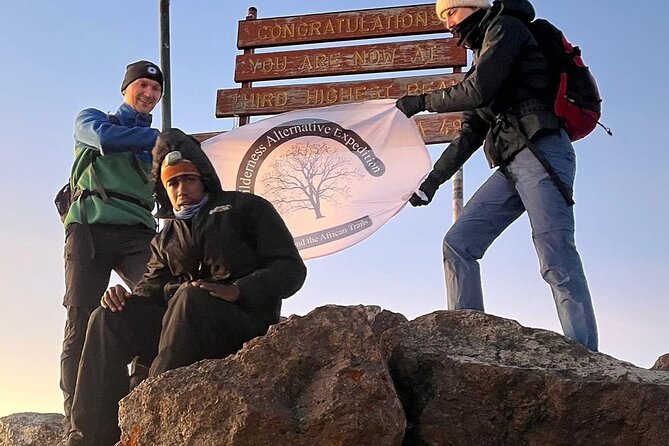
Four days on Mount Kenya, no guesswork. This Chogoria-to-Sirimon climb is built around changing zones, from Hargenia forest to high moorlands, with waterfalls, big waterfall streams, and skyline views. You sleep by Lake Ellis, catch a view of Lake Michaelson, and tackle a predawn summit push for Point Lenana.
Two things I really like are how the trek is run with an experienced team and how the food keeps you moving. You get heavy snacks prepared by the chef, plus full meals (breakfast, lunch, dinner) timed around the hikes.
The main consideration is effort and timing. You’ll start the summit attempt at 03:00 am, and the trek asks for moderate fitness plus your own personal hiking gear.
In This Review
- Key Highlights You’ll Actually Feel on the Trail
- Mount Kenya on a Proper Loop: Chogoria Up, Sirimon Down
- Day 1: Hargenia Forest to Lake Ellis Camp and Nithi Falls
- Day 2: From Lake Ellis to Mintos and the Lake Michaelson Glimpse
- Day 3: 03:00 am Summit Push to Point Lenana (4985m)
- Day 4: Sirimon Gate Exit and Back to Nairobi
- Price and Value at $1,000 Per Person
- The Human Side: Crew Coordination, Food, and Camp Pace
- Trail Details That Matter: Water, Waterfalls, and Wildlife Chances
- Who This Trek Suits Best (and Who Should Recheck Fit)
- Should You Book Private 4 Day Mount Kenya Treks?
- FAQ
- Is this trek private?
- Where does the tour start, and do you offer pickup?
- Which route do I climb and which route do I descend?
- What time do you start the summit attempt, and how high do you go?
- What meals are included during the 4 days?
- Do I need to bring my own hiking gear?
- What happens if weather is poor or I need to cancel?
Key Highlights You’ll Actually Feel on the Trail
- Chogoria Route up, Sirimon Route down for a full-loop feel and variety in scenery and trail rhythm
- Lake Ellis night so day hikes start fresh, not right out of Nairobi
- Point Lenana sunrise plan timed for an early summit attempt and a return descent afterward
- Chef-led meal schedule with heavy snacks, lunch breaks, and supper at camp
- Nithi Falls and River Nithi stops to break up the hiking with real water features
- Wildlife spotting opportunities for elephants, buffaloes, and antelopes in the lower mountain region
Mount Kenya on a Proper Loop: Chogoria Up, Sirimon Down
This trek is designed like a classic Mount Kenya circuit: you climb one way, then you come down a different way. The climb runs along the Chogoria Route, moving you through Hargenia forest, tussock grass, and then out into open moorland. On the way down, you’ll switch to the Sirimon Route, exiting through the Sirimon Park gate and returning to Nairobi.
What makes this structure useful is how it spaces effort. Day 1 eases you into the mountain world, day 2 keeps building altitude and exposure, day 3 is the serious work with the summit attempt, and day 4 is your controlled exit. Your route also includes landmark areas you can recognize as the hike unfolds, like Giant Billiard Table and Mugi Hill on the earlier stages.
One more practical point: Mount Kenya is weather-dependent. This experience is clear about that, and it matters because timing and comfort change a lot when conditions are clear versus rough. If you want the best experience, you’ll benefit from being flexible with dates when the forecast is uncertain.
You can also read our reviews of more tours and experiences in Nairobi.

Day 1: Hargenia Forest to Lake Ellis Camp and Nithi Falls
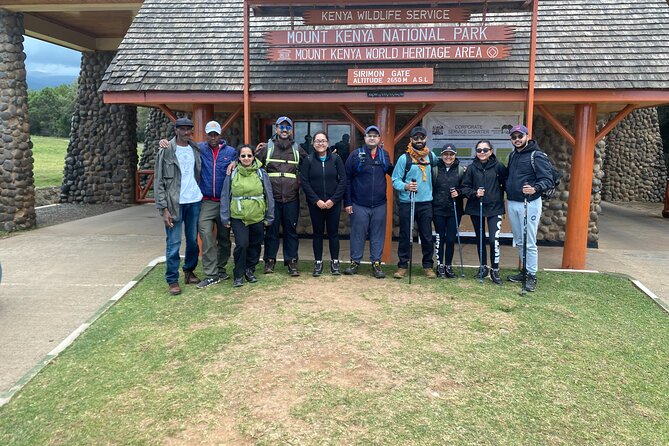
Day 1 starts with you arriving inside Mount Kenya National Park, not just at a trailhead somewhere vague. Shortly after you get in, you’ll be fed—heavy snacks prepared by the chef—then lunch follows. This matters because the first hike is where you set your pace and get used to moving on mountain ground.
After lunch, your hike runs toward Lake Ellis through Hargenia forest and tussock grass. You’ll cross a stream and pass a fisheries station along the way, while the trail threads through the big, beautiful Hargenia trees. About an hour into the walk you exit the forest and step into moorland, and that transition is one of the big “this is really Mount Kenya” moments.
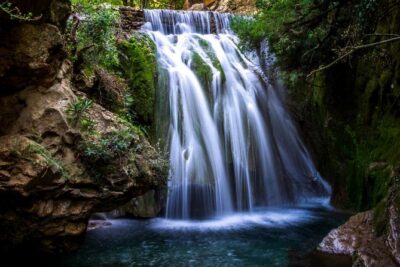
Along the route, you also visit the River Nithi and Nithi Falls. It’s a great change of pace: you’re still walking, but you get that payoff of water and sound in the middle of the day. You’ll also enjoy views of Mugi Hill and the Giant Billiard Table as you move through the earlier terrain.
Once you reach camp, you’ll get a short walk to familiarize yourself with the surroundings, then it’s time to settle in. A bonfire moment and supper round out the evening, and you can retire at your own convenient time.
Day 2: From Lake Ellis to Mintos and the Lake Michaelson Glimpse
Day 2 starts with breakfast, then you shift into a more exposed walking day through heather and golden moorland. After about 30 minutes, you reach a stream that drains into the Nithi Falls area, and this is your first water refill break. It’s a smart, built-in pause that helps you keep steady through the uphill part later.
Then comes the climb: an uphill task as you emerge from the valley and leave Lake Ellis behind. It’s about pushing up for 2 to 3 hours, and you’ll feel it more on day 2 than day 1 because the terrain has changed from forest edges into higher, open ground.
Around mid-route you reach the intersection where the traditional Chogoria route meets your path. That’s your lunch break point. During lunch you also start getting a glimpse of Lake Michaelson, and it adds real motivation because you’re not just hiking for elevation—you’re hiking for views that show up as you gain height.
After lunch and some rest, the plan continues up toward Mintos Camp. You follow the main trail, then after about 20 minutes you branch left. That last section helps set you up for the summit day ahead, since your body is already warmed into the routine of moving, stopping, refueling, and moving again.
Day 3: 03:00 am Summit Push to Point Lenana (4985m)
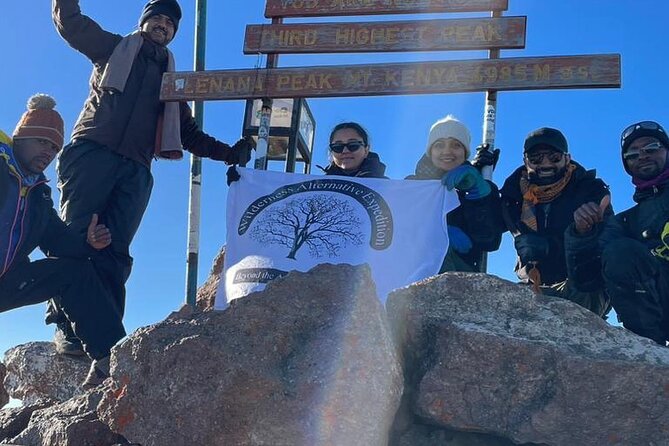
Day 3 is the day with the big clock. The predawn attempt begins at 03:00 am, and you hike for about three hours up to Point Lenana (4985m). The goal isn’t just reaching the point—it’s arriving in time to watch the African sunrise. That sunrise timing is a key part of why people choose this trek: it gives a clear payoff for the early start.
After the sunrise summit moment, you descend to Shipton Camp for breakfast. That’s a practical rhythm shift: you go from cold, early climbing effort into recovery mode fast. Then the route continues with a 5-hour descent via Mackinder’s Valley toward Old Moses Camp at about 3,300m.
One of the best features of this day is that the descent is described as gentle, which gives you time to actually look around. You get moorland scenery as you wind down, and you’re not constantly fighting steepness the whole way. You’ll still be tired, but the trail profile helps make the day feel survivable.
Day 4: Sirimon Gate Exit and Back to Nairobi
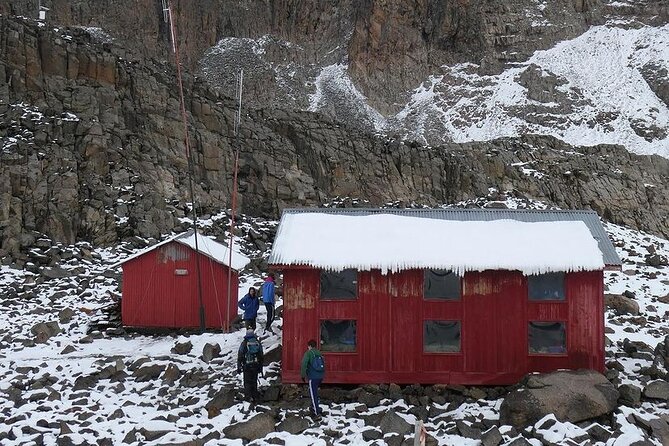
On the final morning, you eat breakfast early and then begin the descent to the Sirimon Park gate. The walk is set at about 4 hours, and it’s the part of the trip where you feel the mountain releasing you—less altitude pressure, fewer “are we there yet?” summit thoughts, more focus on a smooth exit.
After reaching the gate, you travel back to Nairobi. The route description notes that you’ll exit through the Nanyuki side after getting onto the mountain through the Chogoria side. That closed-loop route planning is a plus because it keeps the experience coherent rather than turning it into two separate hikes.
By the time you return, the “hard part” is done and you can focus on recovering. With pickup and transfers offered, this last-day flow usually feels easier than self-organizing a mountain exit.
Price and Value at $1,000 Per Person
At $1,000 per person, you’re not paying for just a walking route. You’re paying for the package: guided leadership, private group handling, meal planning, and transfers arranged around the climb.
The meals are a real value driver here. You get three breakfasts, three lunches, and three dinners, plus heavy snacks prepared by the chef early on. On a mountain trek, food isn’t a luxury—it directly affects energy, pace, and mood. This is one of the reasons the experience gets strong feedback on organization and meal quality.
Also pay attention to the fact that your group is private. The experience is marked as private, so your days are shaped for your group size rather than a crowded schedule. That tends to matter when you’re hiking early mornings and doing a predawn summit push.
What you should budget for beyond the price is hiking gear. The experience explicitly says your personal hiking gears aren’t included. If you show up without the basics you need for cold mornings and long days, you’ll spend time solving that problem instead of focusing on the trek.
The Human Side: Crew Coordination, Food, and Camp Pace
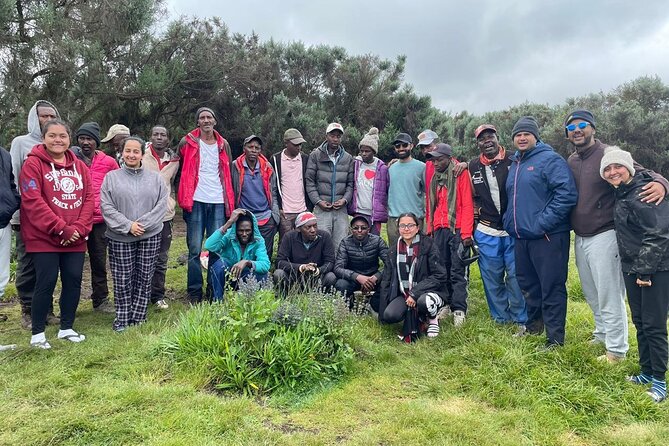
The trekking setup is built to manage the hard parts: route continuity, timing, and safety through the days. You’re led by an experienced crew, and the role of a strong team shows up in the details—like when meals happen and how you move from one zone to another.
In the feedback, Kenny is named as a guide who arranged everything well and took good care of customers. That kind of direct, hands-on coordination is exactly what helps on a mountain trip where small confusion can become a bigger stress.
At camp, the rhythm stays clear. You’ll get a short familiarization walk after arriving at Lake Ellis, and you’ll have a bonfire moment plus supper. The trip also gives you time to retire when you want, which is practical after a long day.
One more small thing that matters: the itinerary includes water breaks tied to specific streams early on day 2. That kind of planning is what keeps you from guessing whether you can refuel your bottles and keep going.
Trail Details That Matter: Water, Waterfalls, and Wildlife Chances
This route is not just about walking uphill. It threads in real moments where the mountain shows off.
Expect water features like River Nithi and Nithi Falls around day 1. Day 2 includes a stream crossing/drain area where you can refill water bottles during a break. Those points make the hike feel grounded in the environment instead of only in effort.
You’ll also pass through terrain that changes character. Day 1 starts forested and transitions into moorland, and day 2 leans into heather and open golden moor. On day 3, you move into the higher zone around Point Lenana and then spend the afternoon descending through Mackinder’s Valley.
Wildlife is another draw for people who like watching rather than just photographing. In the lower mountain region, the trek notes chances to look for elephants, buffaloes, and antelopes. You shouldn’t count on sightings, but keeping your eyes open is part of the fun, especially when the trail gives you pauses for water and lunch.
Who This Trek Suits Best (and Who Should Recheck Fit)
This is best for you if you’re willing to work for altitude, commit to early starts, and handle a multi-day plan without needing constant luxury. The experience calls for moderate physical fitness level, which fits hikers who can cover long hours on changing terrain.
It’s also a good fit if you want the structure of a guided private trek. The trek is private, so you’re not sharing the schedule with strangers, and it’s designed around your group only.
You might want to reconsider if you’re not comfortable with a 03:00 am summit attempt. Even if you’re excited by sunrise, early climbing in thin air can be a tough mental and physical test. Pair that with the need to bring personal hiking gear, and you’ve got a trip where preparation matters as much as motivation.
Should You Book Private 4 Day Mount Kenya Treks?
I’d book this if you want a guided Mount Kenya climb that’s run like a plan, not a gamble. The Chogoria ascent plus Sirimon descent makes the trek feel like a true journey, and the itinerary gives you built-in breaks for water and lunch, plus real “mountain payoff” moments like Point Lenana sunrise.
I’d also book it if you care about food and organization. The emphasis on chef-prepared snacks and full meals is the kind of detail that helps you stay steady when your legs start arguing.
Before you commit, do two things. First, make sure your fitness level matches a trek that hits 4985m and requires a predawn summit. Second, double-check that you’ll bring the personal hiking gear you need, since that part isn’t included.
FAQ
Is this trek private?
Yes. The experience is listed as private, so only your group participates.
Where does the tour start, and do you offer pickup?
The start point is Jomo Kenyatta International Airport in Embakasi, Nairobi. Pickup is offered as part of the experience.
Which route do I climb and which route do I descend?
You climb along the Chogoria Route and return via the Sirimon Route, exiting through the Sirimon Park gate and traveling back to Nairobi.
What time do you start the summit attempt, and how high do you go?
The summit attempt for Point Lenana starts at 03:00 am, and the hike reaches Point Lenana at 4,985m.
What meals are included during the 4 days?
Dinner is included 3 times, lunch is included 3 times, and breakfast is included 3 times.
Do I need to bring my own hiking gear?
Yes. Your personal hiking gears are not included, so you should plan to bring what you need for the hike.
What happens if weather is poor or I need to cancel?
This experience requires good weather. If it’s canceled due to poor weather, you’ll be offered a different date or a full refund. Free cancellation is available up to 24 hours in advance for a full refund, and changes within 24 hours are not accepted.