REVIEW · CHEFCHAOUEN
3-Day Trekking from Chefchaouen – Rif Mountains Adventure
Book on Viator →Operated by Chefchaouen Adventures · Bookable on Viator
Rif Mountains trekking starts in Chefchaouen. This 3-day walk through Talassemtane National Park takes you past fir forests, gorges, mountain streams, and waterfalls, then finishes with rural village nights and local food.
I love how the guide turns the hike into a story, with Semo in particular bringing the route to life in a way that makes the miles feel shorter. I also love the meal stop at Saida’s auberge in Afeska, where food feels like part of the day rather than a quick break.
The only real catch: this is for moderate fitness, and mountain weather can be a deal-maker or deal-breaker.
In This Review
- Quick takeaways
- What you’re really doing: Chefchaouen’s Rif Mountains, on foot
- Day 1 at Gîte montagne Azilane: your first real mountain day
- Day 2 in Akchour: God’s Bridge (and why the stop is worth it)
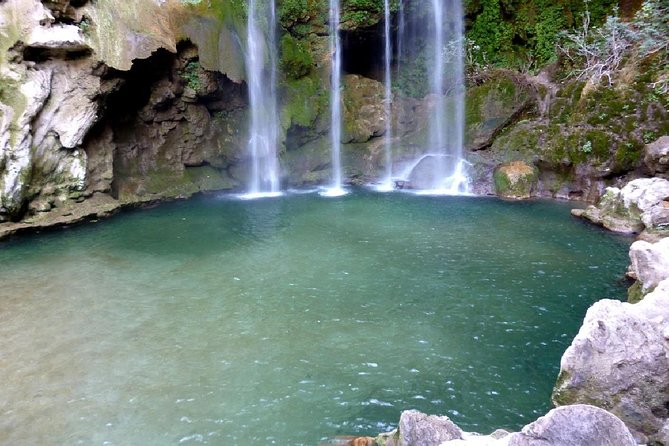
- Day 3 Cascades d’Akchour: mint tea and waterfall time
- Guides make the difference: Semo, Najib, and the art of pacing
- Village stays and local meals: what changes when you sleep rural
- Transfers and how you get in and out smoothly
- Price and value: is $232.29 a fair deal?
- Who this trek suits best (and who should think twice)
- Practical tips so the trek feels great, not annoying
- Should you book this Chefchaouen to Rif Mountains trek?
- FAQ
- Where does this trek start and end?
- What’s included in the experience price?
- Are there admission tickets for Akchour stops?
- How fit do I need to be?
- Is this a private group activity?
- What is the cancellation policy?
Quick takeaways
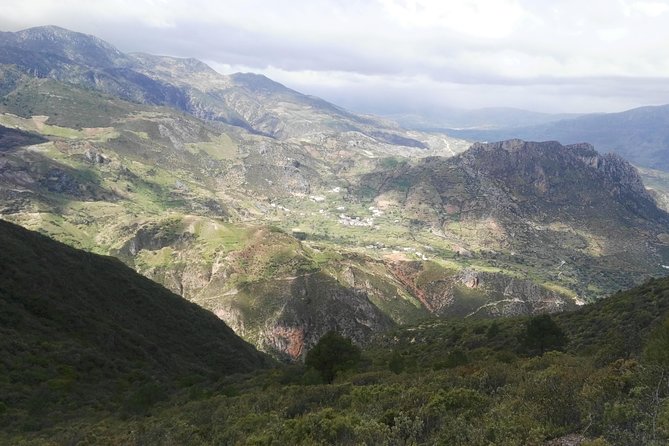
- Talassemtane National Park on foot gives you real mountain variety: forests, streams, and waterfall-country days
- Village overnight stays mean you sleep where locals live, not in a tourist bubble
- God’s Bridge in Akchour is a quick stop with big payoff for photos and that wow feeling
- Akchour waterfalls and mint tea are built-in moments to slow down and refuel
- Guides like Semo and Najib make the trek smoother with pacing, local context, and warm energy
What you’re really doing: Chefchaouen’s Rif Mountains, on foot
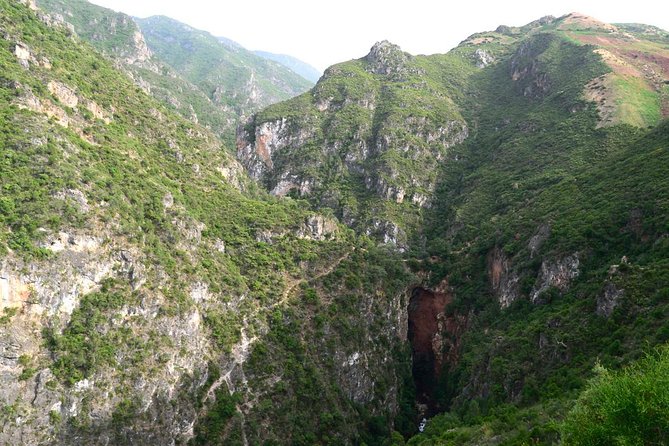
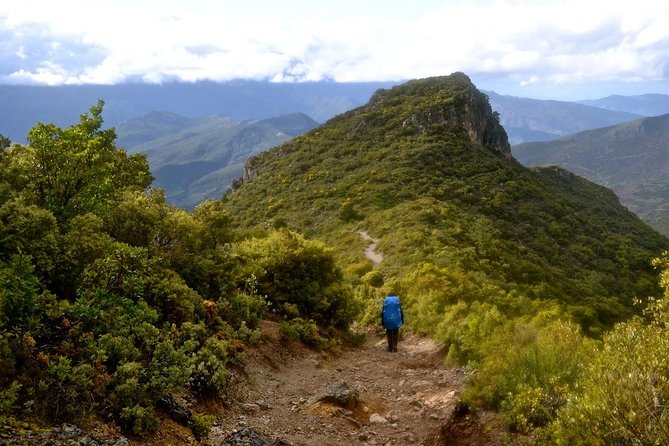
This trek is a classic northern Morocco experience, but with a key difference: you’re moving through protected mountain terrain rather than bouncing between scenic spots by car. You start in the Chefchaouen area and spend your days trekking across the kind of country that naturally shapes your pace—narrow paths, stream crossings, and stretches where the valley gets louder as you get closer to water.
I like that the route is set up for more than just endurance. You get physical time outside, plus built-in stops that keep you connected to the place: Akchour’s God’s Bridge, then the waterfalls area where mint tea is part of the rhythm. And at night, you’re not just checking into a bed—you’re staying in rural accommodation and eating meals that match the day you just walked.
You can also read our reviews of more tours and experiences in Chefchaouen.
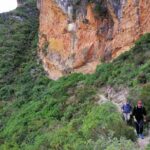
Day 1 at Gîte montagne Azilane: your first real mountain day
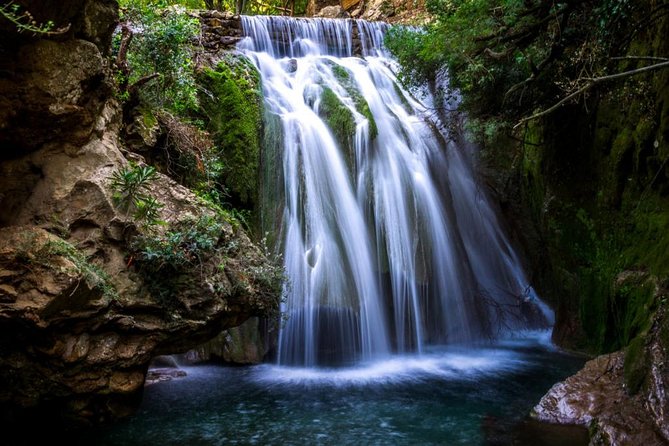
Day 1 is all about getting oriented in the Rif Mountains and settling into the trekking rhythm. You’re set to spend about 9 hours at Gîte montagne Azilane, which tells you the day won’t be rushed. You’ll have time to walk, pause, and adjust—important if you’re not used to mountain footing or hiking trails that change every hour from sunny to shaded.
This first day also matters because your body learns the route. You’ll likely notice how the terrain works: gradual climbs that feel fine until you add altitude and time, then small descents that demand careful steps. If you’re prone to rushing, a good guide can help you stay steady. That’s where having a strong, patient guide earns its keep.
Why I think Azilane is a highlight: it’s the kind of overnight that makes the hike feel complete. You wake up closer to the mountain and keep going instead of spending the night in a place that feels disconnected from what you just did.
Day 2 in Akchour: God’s Bridge (and why the stop is worth it)
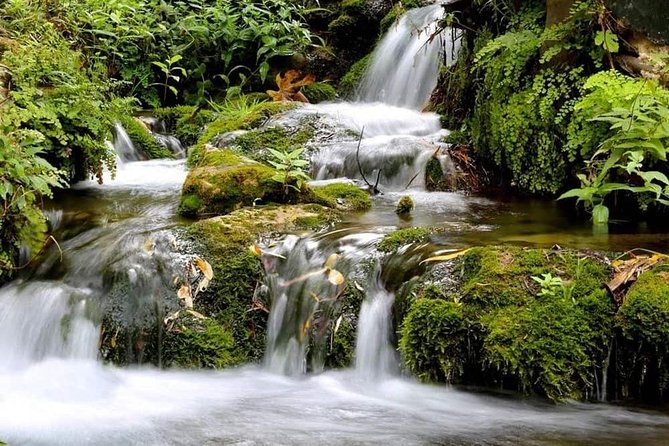
Akchour is the place where the trek briefly shifts from long trekking effort to a memorable “payoff” sight. You’ll pass by and stop at the famous God’s Bridge of Akchour. The time window is short—about 30 minutes—but the point isn’t to linger. It’s to hit that moment when the terrain frames something worth seeing, then get back to walking.
What makes this stop satisfying is the contrast. On the way there, you’re moving through forest and valley corridors. At the bridge, the view and structure snap into focus: a stone crossing that feels built for the dramatic geography around it. Even if you’re not a huge bridge person, this is the kind of landmark that helps you “mark” the hike in your memory.
Practical note: because it’s a quick stop, don’t count on long photo time or slow wandering. If you want the best shots, you’ll do best moving with the group and choosing your angles fast.
Day 3 Cascades d’Akchour: mint tea and waterfall time
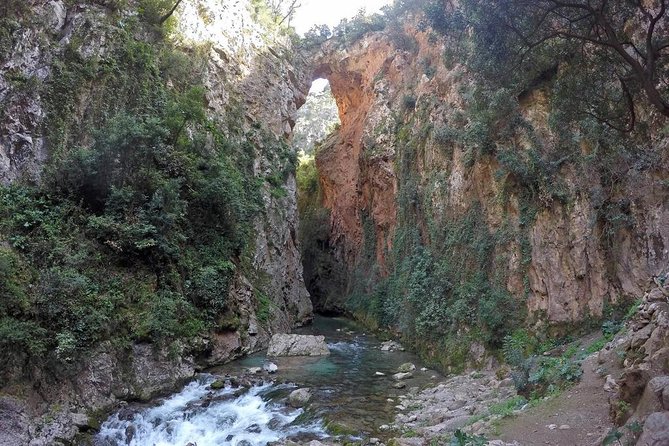
Day 3 slows down in the best way. You’ll stop at Cascades d’Akchour for about 1 hour, with time to drink mint tea and grab lunch. This is a good moment to reset your legs, especially after two trekking days.
Waterfall areas can be tricky underfoot depending on the season and recent rain, so I suggest treating this hour as both a break and a safety check. Wear grippy shoes and keep your focus on footing near slick ground and stream mist. If you’re tempted to rush to the loudest part of the falls, you’ll enjoy it more if you slow down first and then move carefully.
Also, the tea and lunch stop is a quiet win for value. You’re not paying extra for every small “food rescue” moment—this is built into the experience timing.
Guides make the difference: Semo, Najib, and the art of pacing
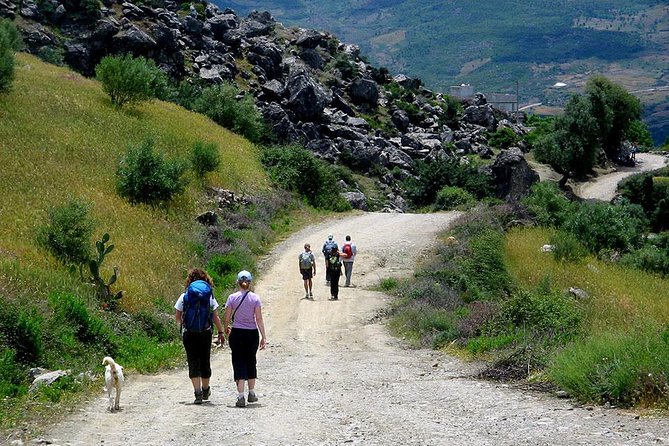
The biggest, most repeated strength here is the human side—especially the guides. In the stories people share, names like Semo and Najib show up as the kind of guides who don’t just lead you on a trail. They adjust to how you’re moving, answer questions, and keep the day from feeling like a grind.
That’s not a small detail. On hiking routes in the Rif Mountains, your enjoyment depends on micro-decisions: when to pause, how to handle uneven ground, when to take a side explanation versus keep walking. A caring guide helps you get the rhythm right, so you spend your energy on the scenery and the experience, not on stress.
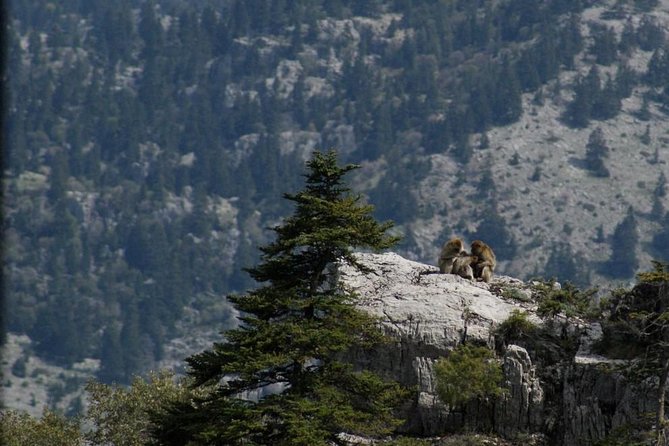
One more thing: you might spot monkeys along the way. That’s not guaranteed, but it’s the kind of nature bonus you can hope for on these trails.
Village stays and local meals: what changes when you sleep rural
A lot of day tours look “authentic” from far away. This one is different because you stay in rural accommodation—overnight at the mountain gîte area on Day 1, then you continue with village-based hospitality as the trek ends. That means you experience the day from the inside, not just as a stop between buses.
Meals are part of this. Breakfast is included twice, and dinner is included twice, so you’re not piecing together food plans after long walks. People talk warmly about eating local food, including that auberge meal at Saida’s place in Afeska, which is the kind of stop that turns a hike into a memory.
Even if you don’t love trying new food, I’d still take it seriously here: the meals are scheduled to fit the trek, so you’re fueled when you need it. It’s one of the reasons this feels like a real multi-day experience rather than a long stroll with a single sightseeing highlight.
Transfers and how you get in and out smoothly
This is built around starting and ending back in Chefchaouen. You’ll have transfers offered, and the experience includes a taxi transfer back from Akchour to Chefchaouen. That’s a practical detail that matters more than it sounds—because it removes the headache of figuring out transport after you’ve hiked all day.
There’s also mention of mobile tickets and being near public transportation, which can make the pre-trip part easier if you’re already moving around northern Morocco.
For group format: this is private, meaning only your group participates. That can be a big advantage if you want a more flexible feel, but it also means your timing depends on your group’s pace and comfort level. If you’re the type who likes to walk slowly, that’s usually fine here—just communicate your needs early.
Price and value: is $232.29 a fair deal?
At about $232.29 per person, this trek isn’t a budget bargain. But it also isn’t just paying for a guide to walk with you for a day and then send you off. You’re paying for a multi-day package that includes:
- a guide service during 3 days
- transfers (including the taxi back from Akchour)
- 2 breakfasts and 2 dinners
- overnight accommodation connected to the trek
- an admission ticket component for Day 1, while Akchour bridge and waterfall stops have free admission
When I look at trekking value, I ask one question: would I have to pay for these pieces separately? In most cases, yes. Guides, multi-day lodging, and meals add up quickly—especially in places where transport and local arrangements aren’t simple DIY tasks.
Also, you’re booking an experience at an average of 26 days in advance. That suggests it’s not always instant-availability, so locking in earlier can help you avoid last-minute compromises on dates.
Bottom line: if you want a real 3-day mountain hike with village-based nights and meals handled for you, this price is easier to justify. If you only care about the bridge or waterfalls, you might consider whether a shorter option would fit better—because this trek is built for the full walking experience.
Who this trek suits best (and who should think twice)
This experience is best if you like active travel and you’re okay with “mountain tempo.” It’s rated for travelers with moderate physical fitness. That doesn’t mean it’s a race, but it does mean you should be comfortable walking for hours on uneven ground and spending a couple days in the outdoors.
It’s also a good fit for you if you care about local context. The guide-led storytelling, the village meals, and the way the stops are arranged all point to an experience designed to be understood, not just photographed.
It may be less ideal if you hate unpredictability. Mountain hikes depend on good weather, and if conditions are poor, you may be offered a different date or a full refund. Also, you should expect streams, waterfall mist, and potentially slippery spots—so if you have mobility limitations that don’t mix well with rough terrain, you’ll want to reassess.
A bright note: service animals are allowed, and it’s near public transportation around the area. That can help with planning depending on your travel style.
Practical tips so the trek feels great, not annoying
You’ll enjoy this more if you show up prepared for a mountain mix of sun, shade, and water-scented air. I’d pack like you’re doing a real hike, not a casual walk:
- Wear shoes with grip. Water areas can be slick, and you’ll want confidence on descents.
- Bring a small day pack for essentials (water, a snack, sun protection). You’ll be glad to have it when stops come and go.
- Plan for weather changes. The experience requires good weather, so having a light layer can save you when the air cools fast.
- Keep a relaxed mindset at the bridge and waterfalls stops. They’re short by design, so move efficiently and don’t try to stretch every moment.
And one small strategy: ask your guide to set a pace you can hold. If you feel tempted to sprint uphill, you’ll pay for it later. A guide like Semo or Najib can help you match effort to endurance.
Should you book this Chefchaouen to Rif Mountains trek?
I’d book it if you want a true 3-day hike in northern Morocco that blends nature, landmarks, and rural hospitality without you having to coordinate logistics. The combination of Talassemtane National Park walking, Akchour’s God’s Bridge, Cascades d’Akchour mint tea time, plus meals and village overnight stays is the package’s core strength—and it’s reflected in how strongly people react to guides like Semo and Najib, and to food stops like Saida’s auberge in Afeska.
I’d pause if your fitness is low on tolerance for uneven ground, or if you know you struggle when weather forces changes. Since the route depends on good conditions, this is not the tour to book if you must be in a specific place no matter what.
If you’re an independent-feeling traveler who still likes a real guide, this is a solid choice. You’ll walk, you’ll see the key Akchour highlights, and you’ll go to bed in the Rif instead of rushing back to a hotel the same day.
FAQ
Where does this trek start and end?
It starts in Chefchaouen, Morocco and ends back at the meeting point in Chefchaouen.
What’s included in the experience price?
The experience includes a trekking guide for 3 days, transfers back from Akchour to Chefchaouen by taxi, 2 breakfasts, and 2 dinners.
Are there admission tickets for Akchour stops?
Admission for the God’s Bridge in Akchour and the Cascades d’Akchour stop is listed as free. An admission ticket is included for the Day 1 stop.
How fit do I need to be?
The experience is recommended for travelers with moderate physical fitness.
Is this a private group activity?
Yes. It’s described as a private tour/activity, so only your group will participate.
What is the cancellation policy?
You can cancel for a full refund up to 24 hours in advance. If it’s canceled due to poor weather, you’ll be offered a different date or a full refund.