REVIEW · KATHMANDU
Everest Base Camp Standard Trek
Book on Viator →Operated by Shepherd Holidays · Bookable on Viator
Lukla’s landing feels like Everest’s drumbeat. This classic Everest Base Camp standard trek links Kathmandu to the Khumbu by way of that famous Lukla flight, then strings together Sherpa villages, rhododendron forests, monasteries, and big mountain days. You also end with a Kathmandu sightseeing buffer so you’re not just dropping from thin air straight into jet lag.
I love the pacing built into the route, especially the acclimatization days in Namche Bazaar and Dingboche. I also love the fact that the itinerary targets the big visual hits in a logical order: Tengboche monastery views, then Everest Base Camp, and finally the early-morning punch of Kala Patthar.
The main consideration is weather. The plan depends on the Lukla flights, and mornings near Kala Patthar can run around -10 to -14°C, so you need to take cold seriously.
In This Review
- Key things that make this trek tick
- Kathmandu to Lukla: where the Everest trip starts (and why it matters)
- Day 1 to Day 3: Phakding, forests, and Namche Bazaar’s altitude buffer
- Tengboche to Dingboche: monastery views and cold-wind field life
- Lobuche, Gorak Shep, and Everest Base Camp: the day you plan for all year
- Kala Patthar morning: 360-degree views, serious cold, and fast decisions
- The long descent back: Pheriche to Namche and the Lukla finish
- Kathmandu wrap-up: sightseeing plus a “you made it” dinner
- Price and what’s really included (and what still costs you extra)
- Guides, porters, and the people factor (the part you feel every day)
- Who this Everest Base Camp trek fits best
- Should you book? My practical take
- FAQ
- How long is the Everest Base Camp Standard Trek?
- Where does the trek start and end?
- Is airport pickup and transport included in Kathmandu?
- Are flights between Kathmandu and Lukla included?
- What kind of lodging should I expect?
- Are meals included?
- Does the tour include trekking permits and cards?
- What should I plan to pay for outside the tour price?
- What happens if weather is bad?
Key things that make this trek tick
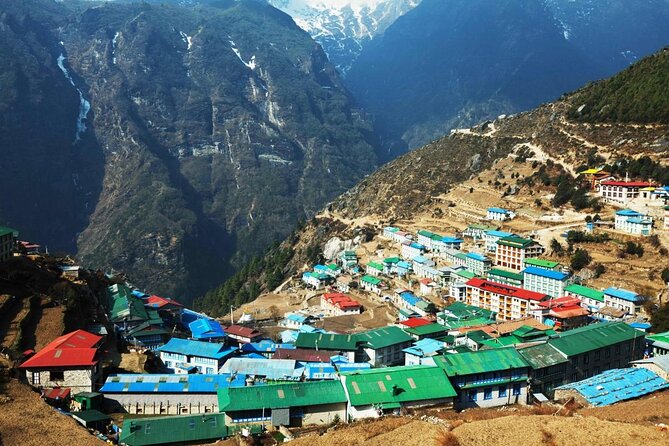
- A 30-minute Lukla flight that sets the mood: dramatic hillside landing after flying from Kathmandu above the Himalayan peaks.
- Real acclimatization built in: Namche Bazaar and Dingboche give your body time to adjust.
- Tengboche’s monastery stop is more than a photo stop: you’ll visit the region’s largest monastery and enjoy wide Everest-area views.
- Everest Base Camp day is planned for clarity: the route notes that some sections can be confusing at altitude, so following your lead Sherpa matters.
- Kala Patthar is the payoff morning: early departure for the 360-degree panorama moment over Everest and the surrounding peaks.
- Value is high for what’s logistically heavy: flights, park fees, guide/porter support, meals during the trek, and gear are included in the tour price.
Kathmandu to Lukla: where the Everest trip starts (and why it matters)
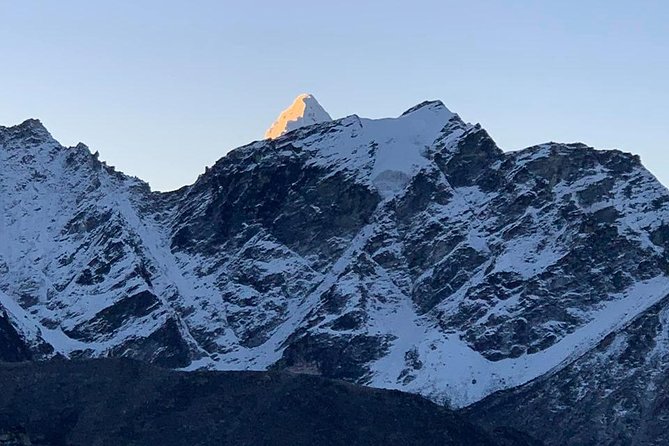
Your trek kicks off with pickup and transport linked to Tribhuvan Airport, then a transfer toward the domestic flight. The flight from Kathmandu to Lukla is listed as about 30 minutes, and it’s not just transportation. It’s the moment you first see how close the mountains feel, with peaks sitting right in your flight path.
Lukla is the gateway that drops you into the trekking world fast. You meet your trekking crew and get your packing and arrangements sorted with your guide and porters, so day one isn’t a scramble.
The first hiking day is a gentle on purpose: you gradually descend to Cheplung for a glimpse of Mt. Khumbila, then head down to Phakding for the night. Even though it’s not the hardest day, it’s a good setup for learning how your legs handle the trail rhythm.
You can also read our reviews of more tours and experiences in Kathmandu.
Day 1 to Day 3: Phakding, forests, and Namche Bazaar’s altitude buffer
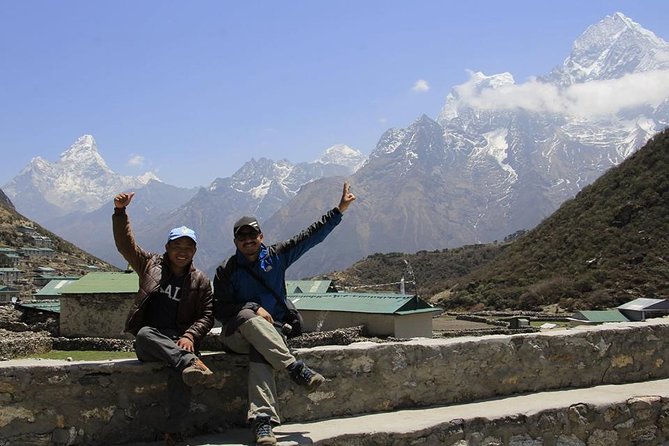
From Phakding, the route pushes north through pine forest and follows river valleys. You’ll cross the Dudh Koshi River, walk past small villages like Chumoa, and then arrive at Monjo, the entrance to Everest National Park. The walk isn’t just scenic; it’s practical training for steady effort.
After Monjo, you cross a suspension bridge and continue alongside the Dudh Koshi and Bhote Koshi rivers. Then comes the steep climb into Namche Bazaar—the Sherpa heartland and a major hub for the Khumbu region.
Namche Bazaar is where this itinerary becomes smart about altitude. You get a full rest and relaxation day, and the town itself is useful: government offices, ATMs, internet cafes, shops, and restaurants. If you want a hike, you can aim for Khumjung village (listed at 12,401 ft). It’s a straightforward way to keep moving without overcooking your body.
This is also where you’ll appreciate having a guide who thinks beyond the map. One review praised guide Bhim for being funny and helpful while keeping the group feeling good throughout the trip—exactly what you want on an acclimatization day when energy can dip.
Tengboche to Dingboche: monastery views and cold-wind field life
Leaving Namche, you head down toward the Dudh-Koshi River, then climb back up through rhododendron forests to Tengboche. The itinerary calls out big view windows along the way—Everest, Lhotse, Nuptse, Ama Dablam, Thamserku, Kongde, and more when weather allows. That’s the Khumbu’s classic “one-step-at-a-time, then suddenly jaw-drop views” pattern.
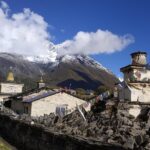
At Tengboche, you visit the monastery (noted as the largest in the region). This stop feels different from a random viewpoint because it’s a place people live their beliefs around. You also overnight in Tengboche, so you’re not racing for sunset and risking a late arrival.
Next is the move toward Dingboche. The route again works with the terrain—forests, then into the Imja Valley area, passing the Lobuche River, and then climbing up. When you reach Dingboche, the setting is almost agricultural: fields enclosed by stone walls built to protect crops from cold winds and grazing animals. It’s a reminder that this region is lived in, not just admired.
Day 6 is another acclimatization day in Dingboche. The itinerary explicitly says it’s a rest and relaxation day, with options for day hikes such as Nagarjun Hill or Chhukhung Valley, with views that can include Makalu, Lhotse, Chalotse, Tawache, and Ama Dablam. This kind of structure matters because you’re not only sightseeing—you’re training your body to handle higher elevations.
Lobuche, Gorak Shep, and Everest Base Camp: the day you plan for all year
As you head toward Lobuche, the trail transitions into a more dramatic high-alpine feel. You climb up from the terminal moraine area of the Khumbu, then pass through Chupki Lhara, where there are memorial stones and prayer flags tied to mountaineers who died on Everest missions. This part isn’t long, but it leaves an emotional imprint.
From there you continue along the moraine and valley toward Lobuche. The goal day comes next.
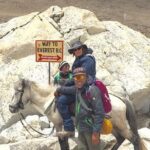
On the Everest Base Camp push (from Gorak Shep), the itinerary highlights navigation and altitude reality. The walk is described as strenuous due to thin air, and it notes the path from Gorak Shep can be misleading—so following your lead Sherpa is important. That’s not a minor note. When you’re tired and oxygen is low, you don’t want to be guessing.
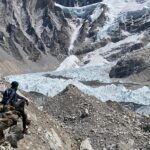
You pass rocky dunes, moraine, and streams, then arrive at Everest Base Camp. The description is clear: you’ll see mountaineer tents set against gray surroundings, and in some seasons the colors can be striking. The peaks you can view from the base camp area include Nuptse, Khumbuste, and Pumori.
Then you head back to Gorak Shep for the night. Yes, it’s the same general area, but you’ll feel the difference between going there and returning. Your body is absorbing altitude for real now, so the turnaround is part of the lesson.
Kala Patthar morning: 360-degree views, serious cold, and fast decisions
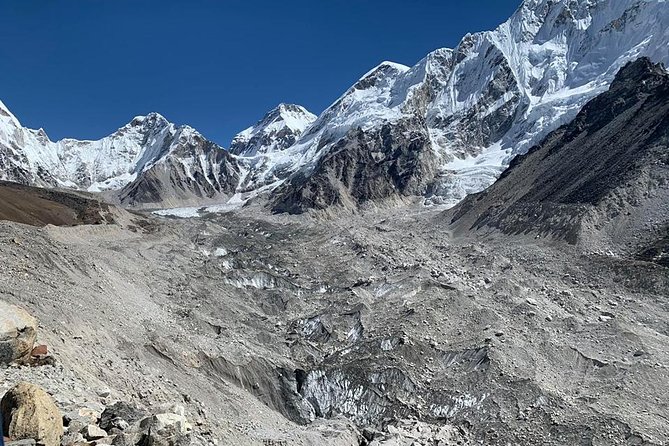
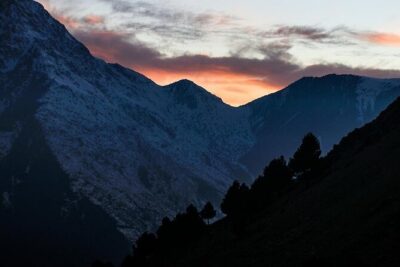
Day 9 starts early from Lobuche/Pheriche-area overnight (the itinerary describes pre-dawn darkness and very cold temperatures around -10 to -14°C). You move through the cold with Lingtren, Khumbutse, and Changtse in the mix, while Everest starts to reveal itself as light catches the peaks.
Then comes Kala Patthar—the route’s signature viewpoint. The itinerary is direct: this is where you get 360-degree up-close and formidable views of Mt. Everest. It’s the kind of moment that makes the earlier days feel justified.
Plan your energy here. The itinerary says you’ll spend time enjoying panoramic views and taking pictures, then return to Lobuche for rest. That means you shouldn’t treat it like a long hangout. It’s a viewpoint sprint that rewards smart pacing.
If you’re considering the trek specifically for big-photo goals, this is the day to protect. Weather can also shape what you see, so going out with your group and your guide’s timing is key.
The long descent back: Pheriche to Namche and the Lukla finish
After the Kala Patthar morning, you transition into a descent toward Namche. The itinerary mentions rhododendrons and juniper trees, plus prayer flags and suspension bridges over the Dudh Koshi River. You also follow the Dudh Koshi gorge as it descends quickly through pine forests. That’s where your legs will feel the most because descending uses different muscles than climbing.
There are wildlife sightings you might come across on this stretch—pheasants and mountain goats are mentioned. You’ll also pass through Sansa and get views of Ama Dablam, Thamserku, and Nuptse.
Then you head into Namche Bazaar again. Day 11 is described as a steep descent with rocky terrain, and the note about walking cautiously matters. After that, you cross suspension bridges over fast flowing river sections, reach a more level stretch, and eventually arrive in Lukla.
The final trekking night is in Lukla, and you catch an early morning flight back to Kathmandu. If the trek has been about altitude, the finish is about resetting your senses.
Kathmandu wrap-up: sightseeing plus a “you made it” dinner
After arriving back in Kathmandu, you can rest or do souvenir shopping. The itinerary notes that guides can help you with shopping, and it also includes a farewell celebration in the evening to mark completion.
One nice detail: a post-trek celebration dinner in Kathmandu is listed as included. It’s a low-pressure way to reconnect with your group and compare notes after spending days focused on trail math and weather.
A couple of different travel-style moments can show up after the trek too. One participant wrote about being picked up for an early 5:30 Shree airline sightseeing flight to Mount Everest with window seats. That’s not described in the main trekking flow here, so think of it as the kind of extra your provider may arrange depending on what’s available for your dates.
Price and what’s really included (and what still costs you extra)
At $2,000 per person for about 12 days, this is priced like a trek where logistics are the product. The tour includes transportation to and from Tribhuvan Airport, flights to and from Lukla, and all trek transportation. That matters because Lukla flights are not “small travel.” They’re the backbone of the whole itinerary.
On the ground, you also get:
- A 3-star or above hotel in Kathmandu with breakfast
- Local guest house accommodations during the trek
- A government-authorized guide and porters
- Meals during the trek (breakfast, lunch, and dinner are listed for the trek)
- Gear such as a sleeping bag and warm layers, plus a first aid kit
- Maps, TIMS Card, and Sagarmatha National Park entry fee
- Insurance coverage tied to the trek operation
So where can costs pop up? Meals in Kathmandu beyond breakfast, plus shower and electronic charging fees at guest houses in some places. Alcoholic drinks, chocolates, tea and coffee are not included, and tips for guide and porter are also not included. It’s not a “gotcha,” but it’s part of keeping your budget realistic for a multi-day trek.
The big hidden variable is weather. The experience requires good weather, and if it’s canceled due to poor weather you’re offered a different date or a full refund. In practice, weather can also affect flight schedules, so keep your plans flexible around your trip window.
Guides, porters, and the people factor (the part you feel every day)
This is a team-based trek. The itinerary includes guides and porters, and the operation covers their insurance, food, accommodation, and wages. That support system is what turns Everest logistics into something you can just follow.
Your experience rises or falls with your guide. In the supplied trek feedback, guide Bhim gets standout praise: funny, knowledgeable, and very helpful, with a style that keeps you feeling great in the moment. Another note credits the Shepherd Holidays crew with being excellent and helpful, including people named Bandhu, Ramesh, and Umesh.
That matters because on steep days and cold early starts, you don’t want vague instruction. You want a guide who can manage pacing, keep the group moving safely, and handle the reality of altitude and changing conditions.
Who this Everest Base Camp trek fits best
This trek is described for travelers with moderate physical fitness. That doesn’t mean it’s “easy.” It means the route includes acclimatization and a mix of walking difficulty that’s tough but structured.
This is also a good match if you value support and included logistics. If you’d rather not research park fees, TIMS cards, lodging norms, and guide coordination, this package style does the heavy lifting.
It can be a great pick for first-timers to Nepal trekking. You’ll still get the classics—Namche markets, Tengboche monastery, Everest Base Camp, and Kala Patthar—without needing to build a custom route from scratch.
In late spring, like May, one review specifically mentioned Everest Base Camp felt not that crowded, and there were plenty of choices for accommodations. No guarantee exists for any season, but it’s a good sign that timing can affect crowding.
Should you book? My practical take
Book it if you want the classic Everest Base Camp experience with a guided structure, included flights to Lukla, and a trek pacing that respects acclimatization. The itinerary’s rest and hike days in Namche and Dingboche are a big deal, and the focus on Kala Patthar as the key viewpoint gives your efforts a clear goal.
Skip it or rethink dates if you’re highly sensitive to cold or you know you’ll struggle with altitude walking. The route can be demanding, and the whole plan is tied to weather—especially for flights. If you’re flexible, prepared, and okay paying tips and extra Kathmandu costs, this is strong value for what it includes.
If you’re aiming for Everest Base Camp as a real life milestone, this trek has the right ingredients: Lukla arrival energy, Sherpa village rhythm, and a sunrise-scale viewpoint at Kala Patthar.
FAQ
How long is the Everest Base Camp Standard Trek?
It’s listed as 12 days (approximately), with flights to and from Lukla and a final day in Kathmandu.
Where does the trek start and end?
The itinerary starts in Kathmandu with a flight to Lukla, then ends back in Kathmandu with sightseeing after the early flight from Lukla.
Is airport pickup and transport included in Kathmandu?
Yes. Transportation to and from Tribhuvan Airport is included.
Are flights between Kathmandu and Lukla included?
Yes. The tour includes flights to and from Lukla as part of the trek logistics.
What kind of lodging should I expect?
You’ll have a 3-star or above hotel in Kathmandu (breakfast included), then local guest house accommodation during the trek.
Are meals included?
Yes. During the trek, breakfast, lunch, and dinner are included. In Kathmandu, only breakfast is included.
Does the tour include trekking permits and cards?
Yes. It includes TIMS Card and the Sagarmatha National Park entry fee.
What should I plan to pay for outside the tour price?
Meals in Kathmandu besides breakfast, shower and electronic charging fees in some places, alcohol, and tips for the guide and porters are not included.
What happens if weather is bad?
The experience requires good weather. If it’s canceled due to poor weather, you’ll be offered a different date or a full refund.