REVIEW · MARRAKECH
2 days Toubkal adventure Trek
Book on Viator →Operated by Morocco Adventure · Bookable on Viator
That first step into the Atlas feels like a reset. This 2-day Toubkal adventure from Imlil takes you through Berber villages and up to the refuge, then early-morning climb for summit views you’ll remember long after the hike.
I love how the trek is structured for real people: you get steady guidance from an experienced mountain guide, and the team handles the “logistics weight” with mule support for luggage and equipment. I also love the food flow—breakfast, a proper lunch at altitude, coffee or tea breaks—so you’re not constantly worrying about supplies while you’re trying to focus on the trail.
One thing to consider: this is not a stroll. The tour asks for strong physical fitness, and you’ll be doing a steep, early ascent with long uphill stretches (plus altitude effort), even though the overall schedule is only two days.
In This Review
- Quick Key Points Before You Go
- Entering the High Atlas From Imlil (1740m) and Marrakech
- A small practical heads-up
- Walking Berber Villages Toward Sidi Chamhrouch (2500m)
- What to watch for on this stretch
- Day on the Mountain: Lunch at the Mountain Hut, Then Onward to the Refuge
- Mule support changes the feel
- Sunrise Summit Climb: 5:30am Ascent for the Toubkal Views
- The best way to enjoy summit time
- Meals, Coffee/Tea, and What the Included Support Means
- Who will really appreciate the support?
- Price and Logistics: Is $90 Good Value for Two Days?
- Group size keeps the experience human
- Transportation hiccups can happen
- Who Should Book This Toubkal Adventure—and Who Should Skip It
- What to Pack (Since Sleeping Bag Isn’t Included)
- Should You Book This 2-Day Toubkal Trek?
- FAQ
- What time does the trek start from Marrakech?
- Where does the trek begin, and at what altitude?
- Is lunch and dinner included?
- Do I need to bring a sleeping bag?
- What languages are the guides available in?
- How physically demanding is the trek?
Quick Key Points Before You Go
- High Atlas start in Imlil (1740m): you begin in a mountain village setting rather than an endpoint road pull-off
- Mule support for luggage: your pack doesn’t have to be the whole challenge
- Shrine stop at Sidi Chamhrouch (2500m): a cultural pause that breaks up the climb
- Refuge time at 3200m: you’re not rushing—you get a real overnight mountain rhythm
- Early summit climb: breakfast around 5:00am, ascent around 5:30am, then a view break on top
- Small group size (max 12): easier pacing and a calmer experience on narrow paths
Entering the High Atlas From Imlil (1740m) and Marrakech
Your day begins back in Marrakech, then you’ll be picked up and transferred into the High Atlas region. The trek starts from Imlil (1740m), about 67 km southwest of the city, so the vibe shifts fast: from city noise to layered mountain air and village life.
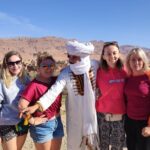
Once you reach Imlil, you meet the team that makes the trek feel organized instead of chaotic. Muleteers take care of your luggage and the extra equipment that would otherwise slow you down. Then your guide—working in English, French, or Spanish—leads the walking, which matters because the trail isn’t one-size-fits-all. You’re moving along a mule track through settlements where local paths and timing are part of the experience.
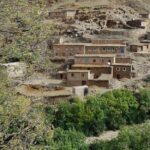
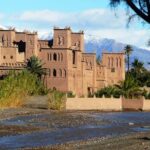
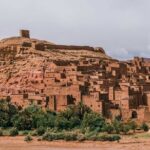
If you like travel that’s more than scenic photos, this start delivers. You’re not just climbing; you’re walking the same kind of route people have used for generations—passing homes, small plots, and stone-built corners of Berber villages. That’s where the High Atlas becomes personal.
You can also read our reviews of more tours and experiences in Marrakech.
A small practical heads-up
Your tour start time is set for the morning (listed as 9:00am), so plan for an early-ish day even before the hiking begins. The upside: you’re not wasting daylight guessing what’s next.
Walking Berber Villages Toward Sidi Chamhrouch (2500m)
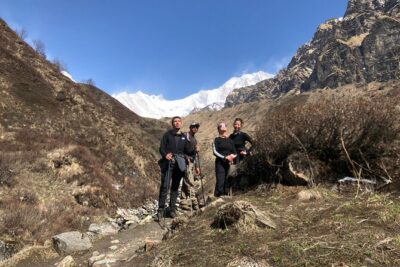
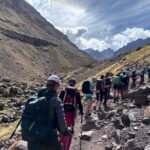
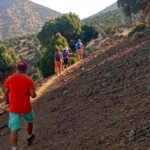
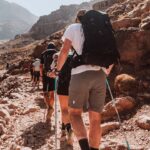
The first phase of the trek follows a mule track through Berber village areas. This is the part where you can actually enjoy the walking rhythm. You get time to look outward—toward the Green valleys—and inward—at the way people live where the mountain dictates everything.
A highlight here is the stop at the shrine of Sidi Chamhrouch (2500m). It’s not an on-the-way decoration. Shrines like this are part of how communities mark the landscape with meaning, and it gives you a breather before you keep climbing.
From a hiking perspective, this pause is smart. Early in the trek you’re still warming up. Stopping around mid-altitude helps you reset your pace and makes the next uphill stretch feel more manageable. If you tend to start strong and burn out, this stop is a natural correction.
What to watch for on this stretch
Even when you feel okay, the trail can keep its effort levels steady. Expect sustained uphill walking and uneven ground. I’d treat Day 1 as a “build-your-engine” day rather than a day to test your speed.
Day on the Mountain: Lunch at the Mountain Hut, Then Onward to the Refuge
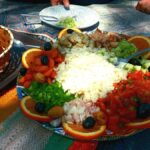
By midday you’ll reach the area where lunch is ready at the mountain hut (around 2500m). This matters more than you might think. High-altitude hikes often turn into constant snack hunting, but here you get a diversify lunch (and you’re not left to improvise with whatever you brought from Marrakech).
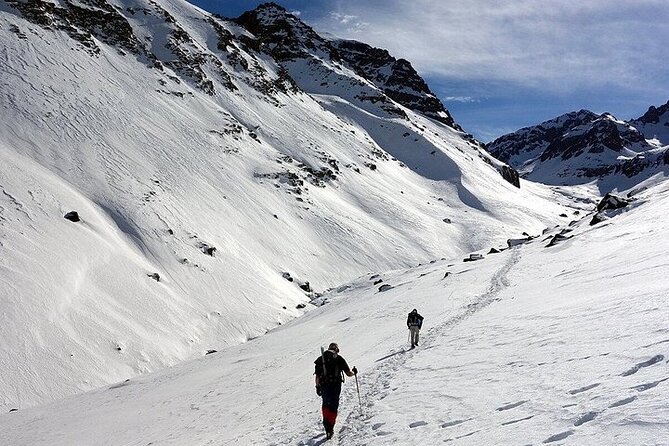
After lunch and a short break, you continue toward the refuge at 3200m. This is where the trek starts feeling more “in the mountains” and less like village walking. The air tends to feel thinner and cooler, and the physical work becomes the main event.
Even though the schedule is tight, this section isn’t about racing. You’ll be walking until you reach the overnight point, then you can recover. For many people, the overnight at altitude is the real value of this 2-day format: it lets you experience the mountains as a place you sleep, not just pass through.
Mule support changes the feel
You’ll notice the difference in how you walk. When luggage is handled by muleteers, you’re not fighting a heavy pack the whole day. That gives you more energy for the uphill sections—and keeps your attention on the scenery and the trail.
Sunrise Summit Climb: 5:30am Ascent for the Toubkal Views
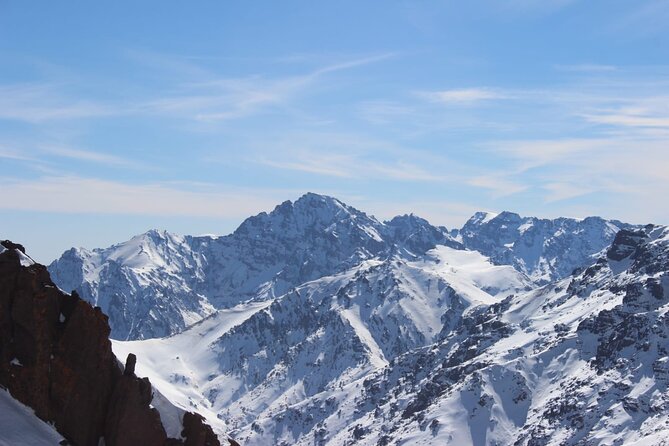
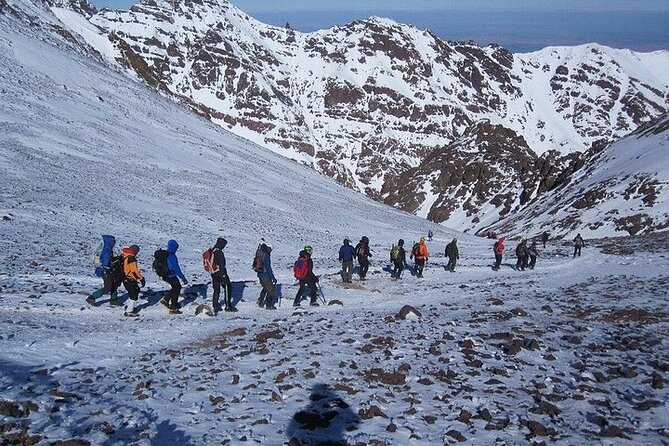
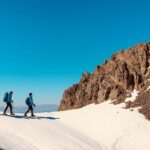
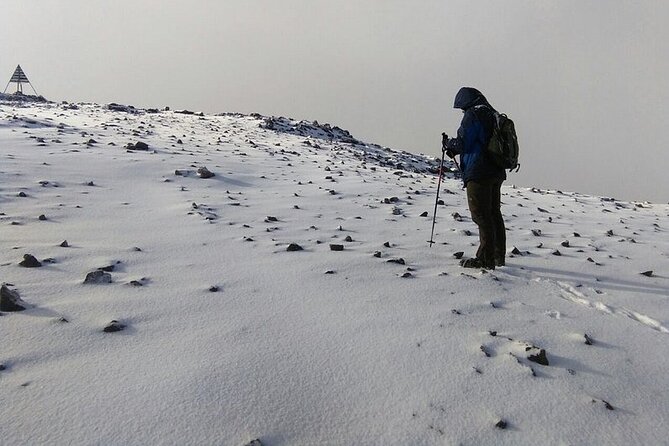
The second day is built around early climbing. You’ll wake up early, have breakfast around 5:00am, and start the ascent climb at about 5:30am. The goal is to avoid the heat that can build later on the sunnier parts of the route.
Once you’re climbing, you’ll walk step by step until you reach the point above the hut. Then you’ll have a short break with nuts and water. This is the kind of reset that helps you keep your breathing under control—especially if you’re not used to altitude effort.
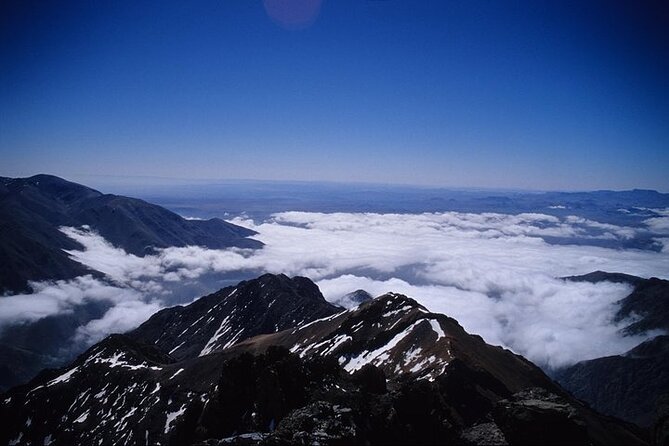
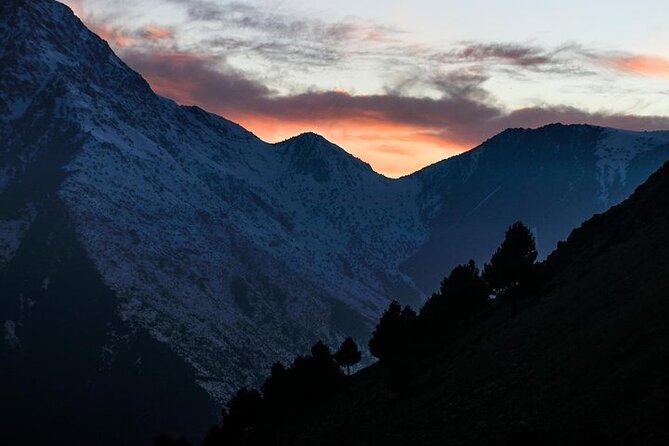
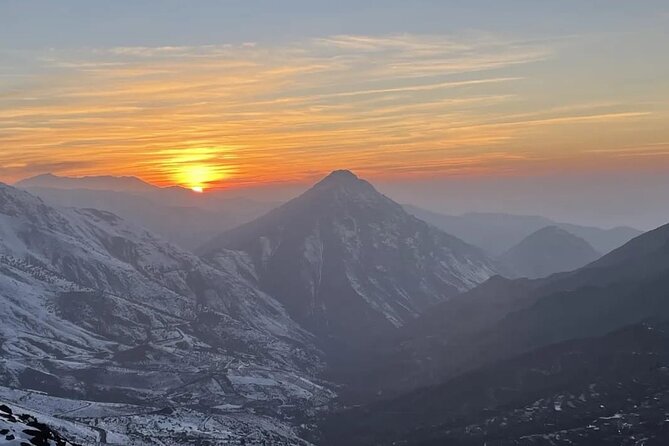
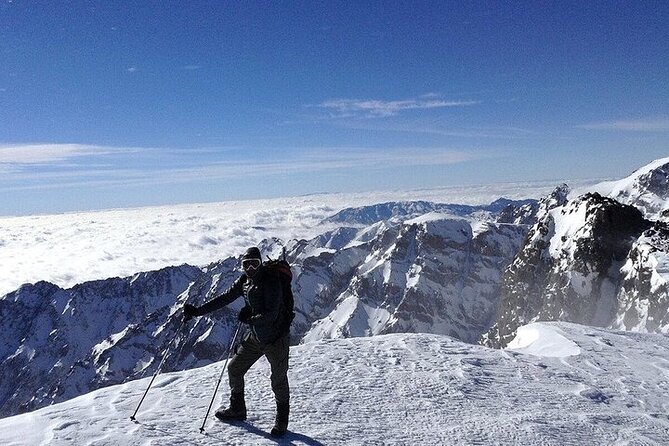
Then comes the real payoff: after about 3–4 hours of walking up, you reach the summit area for a break and photo time with big High Atlas views. You get that feeling of seeing mountains laid out like a map, and the green valleys and Berber villages spread out below. It’s the moment that makes people say worth it, even if their legs are quietly complaining.
The best way to enjoy summit time
Don’t treat the top like a checklist. Give yourself a few minutes to stand, breathe, and look. This tour is designed so you’re not sprinting for a “hit-and-run” summit. The break is part of the experience.
Meals, Coffee/Tea, and What the Included Support Means
This trek includes all meals plus coffee and/or tea. That’s practical. Food and hydration become part of your safety and comfort on a mountain hike—especially on the short schedule where you don’t have time to scramble for snacks mid-trek.
Lunch is served at the hut, and the second day includes breakfast and then the summit climb with a break that includes nuts and water. Even if you’re an experienced hiker, having meals handled reduces stress. It also means you can pack smarter for the hike itself.
Who will really appreciate the support?
If you’re the type who enjoys the trail but doesn’t want to micromanage gear, you’ll appreciate the structure. The muleteers dealing with luggage and equipment is a big deal on a two-day trek where energy is limited.
From the experience, the guides seem to shape the tone too. In multiple accounts, guides named Abdul and a driver named Ibrahim were praised for professionalism and caring guidance. Another shout-out mentioned someone called Daddy and Abdelhadi for fun and for capturing moments with photos. That matters because good guiding turns effort into a story, not just a workout.
Price and Logistics: Is $90 Good Value for Two Days?
At $90 per person, the big value is not the walking—it’s what comes with it. You’re getting transport from Marrakech, an English/French/Spanish guide, all meals, and coffee/tea. You’re also getting mule-managed luggage and the team support that makes the trek feel like a coordinated plan.
What’s not included is key: sleeping bag and tips. That’s where your real “cost checklist” starts. If you don’t have a sleeping bag, you’ll need to rent or bring one. And since tips aren’t included, it’s worth budgeting a little extra for the people doing the work—especially muleteers and guides.
Group size keeps the experience human
The tour caps at 12 travelers. On narrow mountain paths, a smaller group tends to mean smoother pacing and fewer bottlenecks. It also makes guiding feel more personal. You’re less likely to get lost in the shuffle.
Transportation hiccups can happen
One review mentioned a minor transport hiccup tied to bus loading (a short wait for a full bus). The lesson for you is simple: keep a little breathing room in your plans. The trekking part runs on its own schedule, but road timing can be imperfect.
Who Should Book This Toubkal Adventure—and Who Should Skip It
This is best for you if you want a focused, guided two-day Toubkal-area experience without the commitment of longer treks. You’ll enjoy it if you like:
- guided walking through Berber villages
- a real mountain overnight at a refuge
- early-morning summit effort for the best light and timing
- having meals handled (and not playing guess-the-snack at altitude)
This may not be your best match if you’re not confident with a steep climb or if you hate early mornings. The tour explicitly calls for strong physical fitness, and the summit push is not a casual stroll.
Also, if you’re sensitive to altitude effort, be honest with yourself about pacing. You’re given breaks, but it’s still a serious uphill day.
What to Pack (Since Sleeping Bag Isn’t Included)
The tour includes meals, guide support, and a guided schedule—but it does not include your sleeping bag. Plan for that first. After that, think in layers and comfort:
- bring clothing that handles cool mornings and brighter daytime sun
- wear solid hiking footwear (the track can be uneven)
- pack basic sun protection and water discipline
- carry any personal snacks or comfort items you like, even though meals and a nuts-and-water break are provided
Even if the tour handles a lot, you’ll feel better if you bring what helps you stay comfortable on a long day.
Should You Book This 2-Day Toubkal Trek?
I’d book it if you want a concentrated mountain experience with strong support: transport from Marrakech, guide leadership in multiple languages, mule-managed luggage, and all meals including coffee/tea. The biggest win is the pacing—walk through villages, reach a refuge, then do an early summit climb with a built-in view break.
Don’t book it if you’re looking for an easy day hike or you’re unsure about your fitness. This is a climb with early mornings, and the tour asks for strong physical readiness.
If you match those conditions, you’ll likely walk away with two things: the kind of summit views that make you pause and smile, and a sense of how the High Atlas works when you’re not just driving past it.
FAQ
What time does the trek start from Marrakech?
The experience lists a start time of 9:00am. You’ll have an early breakfast in Marrakech before pickup.
Where does the trek begin, and at what altitude?
The trek starts from Imlil at 1740m.
Is lunch and dinner included?
Yes. Lunch and all meals are included, along with coffee and/or tea.
Do I need to bring a sleeping bag?
Yes. A sleeping bag is not included.
What languages are the guides available in?
The tour guide is available in English, French, and Spanish.
How physically demanding is the trek?
The tour requires strong physical fitness. Day 2 includes an early ascent climb starting around 5:30am, with several hours of uphill walking.