REVIEW · MARRAKECH
3 Day Marrakech to Fes desert Tour – Camel Trek
Book on Viator →Operated by Morocco Tours Agency · Bookable on Viator
Morocco has a way of changing your pace. One minute you’re climbing into the Atlas, the next you’re riding camels toward the Sahara. This 3-day Marrakech to Fes desert tour strings together the big, world-famous sights with just enough “real-life Morocco” along the route to make it feel worth every long hour in the van.
What I like most is how the trip is built around your comfort: hotel pickup and drop-off at both ends, an air-conditioned vehicle, and meals already handled. Second, the “wow” moment is scheduled well—sunrise over the dunes, then a camel trek and a night at a camp with dinner under the stars.
One thing to consider: this is a driving-heavy itinerary with early starts and a desert night that’s beautiful, but not the same as a city hotel. If you’re sensitive to long road time or you hate rougher travel days, plan your expectations before you go.
In This Review
- Key takeaways before you go
- Atlas crossings and Ait Ben Haddou: the Day 1 rhythm
- Dades Valley and Todra Gorges: the dramatic canyon pause
- Merzouga camel trek and the desert camp night
- Sunrise back to the hotel and the drive into Fez
- Price and logistics: does $573.51 feel fair?
- The guide factor: Omar, Hassan, Mohammed, Zaid, and friends
- Who should book this Marrakech to Fes desert camel trek?
- Should you book it?
- FAQ
- What’s included in the tour price?
- Is this tour private?
- What are the main stops between Marrakech and Fez?
- Do I need to pay for lunch or drinks?
- Are monument entrance fees included?
- When should I book, and what if weather is bad?
Key takeaways before you go
- Private-from-start-to-finish feel: it’s set up for only your group, not a mixed crowd
- Atlas to Sahara route, not just one highlight: Tizi n’Tichka passes, Ait Ben Haddou, Dades and Todra, then Merzouga dunes
- Meals included where it matters: 2 breakfasts and 2 dinners so you’re not scrambling for food between stops
- Camel trek plus a real desert camp night: sand time, starry sky time, and then a camel ride back
- Guides make the difference: the standout praise in feedback often centers on drivers/guides like Omar, Hassan, Mohammed, Zaid, and Moubarrak
Atlas crossings and Ait Ben Haddou: the Day 1 rhythm
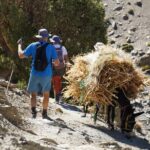
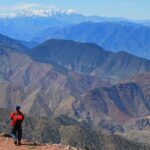
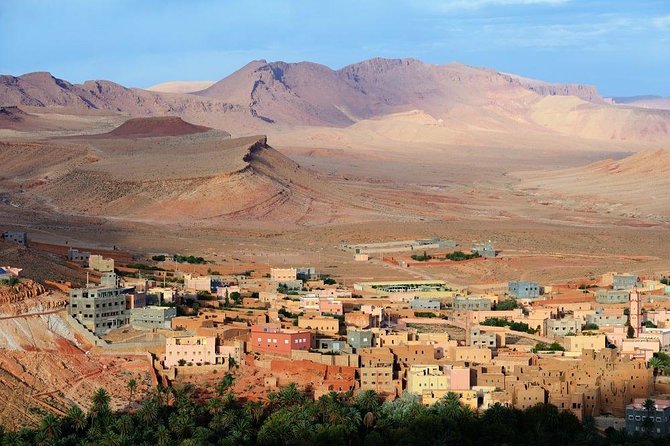
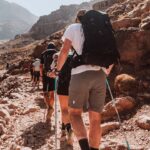
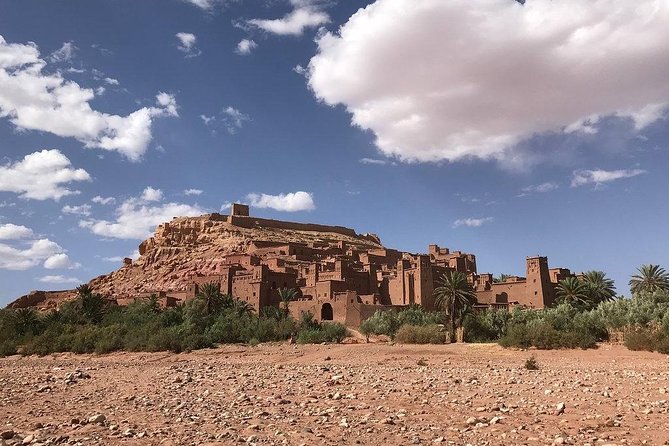
Day 1 kicks off early, because the route is long and the scenery is best when the light is fresh. You’ll head from Marrakech toward Ouarzazate, crossing the Atlas Mountains via the Tizi n’Tichka pass (over 2,000 meters). That altitude jump is more than a number on a map. It changes the air, the sky, and the way the terrain looks—like Morocco is stacking its own backdrops.
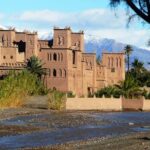
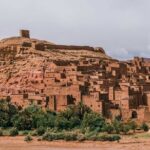
A major stop is Kasbah Ait Ben Haddou, the UNESCO-listed fortified village that’s also been a film location (including productions like Game of Thrones). Even if you don’t care about movie trivia, this place works as a time capsule: thick outer walls, narrow lanes, and the sense of a settlement built to defend itself. The key value for you is contrast—this is not a quick photo stop and gone. It’s a structured break on the way to the next region.
After Ait Ben Haddou, you’ll reach Ouarzazate for a visit to the Kasbah of Taourirt. Then comes the slower, pretty part of the drive: crossing through the Valley of the Roses on the way toward the Gorges of Dades, where you sleep for the night.
Practical note: Day 1 is where the timing matters most. If you arrive tired, everything after feels like a blur. If you’re the type who loves changing scenery and doesn’t mind early starts, this is a strong opening day.
You can also read our reviews of more tours and experiences in Marrakech.
Dades Valley and Todra Gorges: the dramatic canyon pause
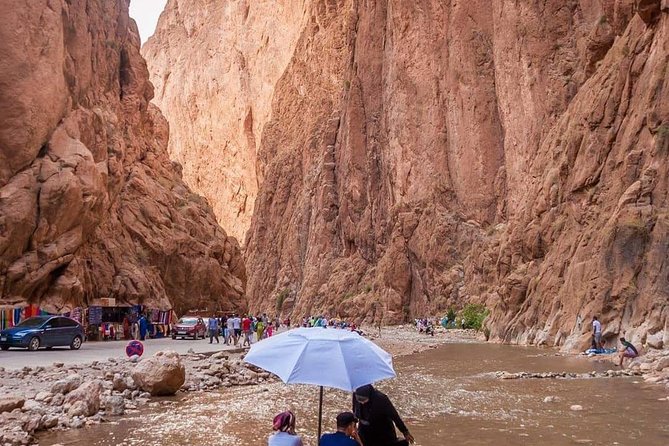
Day 2 starts after breakfast, then you move toward the Dades Valley, with a highlight stop at Todra Gorges. The canyon is the kind of place where your brain goes quiet. Tall rock walls, narrow passes, and a sense that the valley is squeezing the route into something smaller and more intense. You’ll be there until around noon, which is a good window: long enough to walk around and take photos without feeling rushed, but not so long that it eats your whole day.
Then the itinerary pivots to the “everyday Morocco” details. You’ll pass through the Palm Grove of Jorf—a more lived-in version of oasis scenery than a postcard standstill. After that, you reach Erfoud, where you may stop at a workshop connected to how local artisans work with marble.
This is one of those stops that can be either forgettable or meaningful, depending on your attitude. If you’re curious about how raw materials become objects you can hold, it’s a nice layer between the big scenic moments. If you’d rather keep moving, treat it as a quick cultural window, not a museum mission.
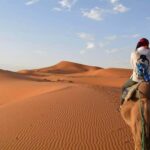
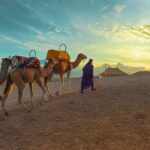
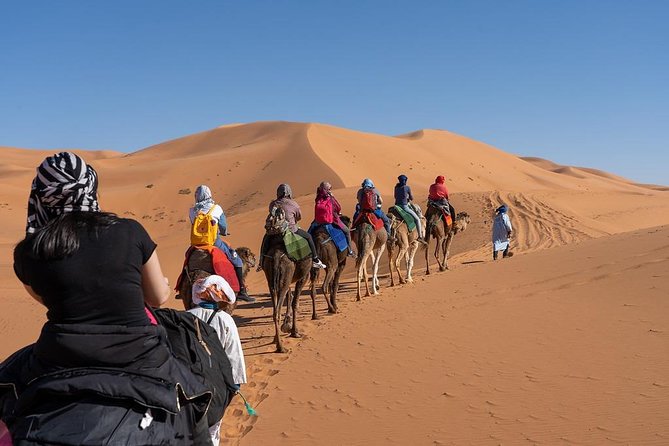
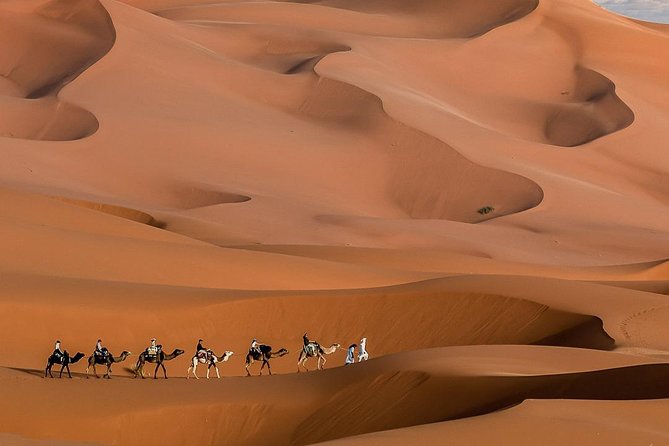
From there you head toward Merzouga. The key transition happens here: you leave the vehicle and get on camels. This swap is important because it changes the pace. The sand slows your movement, and you stop relying on engines for the “next view.” That’s when the desert starts feeling like its own place, not a background you’re driving past.
Merzouga camel trek and the desert camp night
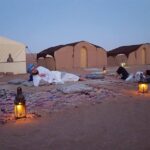
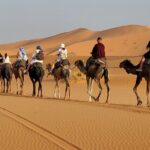
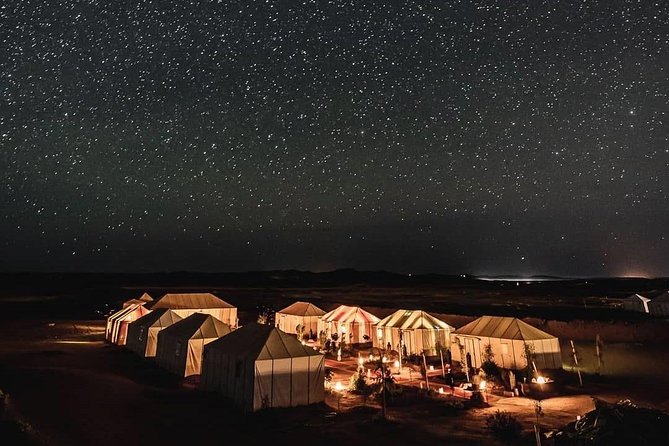
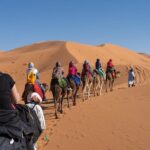
This is the part most people remember, and the structure is sensible. You arrive in Merzouga, then ride camels out across the dunes until you reach your desert camp. Dinner is included, and the camp experience is built around the sky—stars under the desert sky is the focus.
Here’s what that means for you in practical terms:
- Your day shifts from sightseeing to “living inside the environment.” Even if you don’t love camping-style travel, the night in the desert is the main event.
- The trip includes camel transportation from the/ to the camp (one camel each), so you’re not stuck doing logistics.
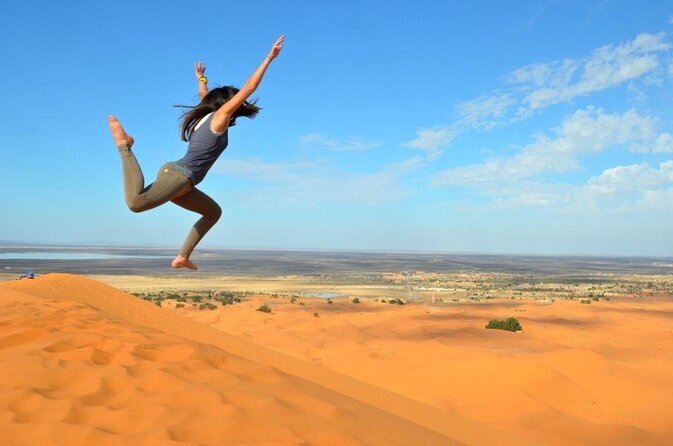
- There’s an optional activity listed as sandboarding in the dunes. If you like quick adrenaline bursts and you’re comfortable climbing on/off sandy slopes, this is a fun add-on.
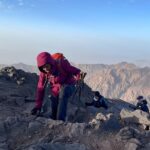
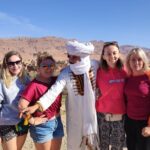
I’ll also point out a common theme in feedback about this kind of route: safety and calm planning. Guides and drivers such as Omar, Hassan, and Zaid are repeatedly credited for keeping the experience smooth and safe—especially for people traveling in smaller groups (including groups of women who emphasized feeling looked after). That matters because the desert portion can feel intimidating if you don’t trust the hand holding the schedule.
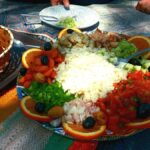
And yes, the dinner matters too. It’s not just food—it’s the end of a long day, when you finally slow down and let the dark do its job.
Sunrise back to the hotel and the drive into Fez
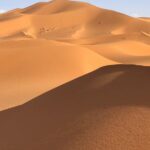
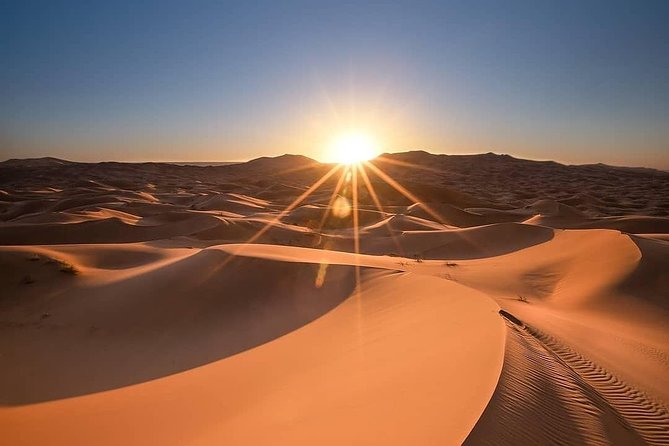
Day 3 begins with one of the easiest wins on the schedule: sunrise over the dunes of Merzouga. You don’t have to be a “sunrise person.” The dunes at first light look different than they do in full darkness or bright midday glare. It’s a simple moment, but it’s exactly the kind of “payoff” a desert night is supposed to deliver.
After that, you ride the camel back to a hotel where you can clean up and have breakfast. That matters more than people think. After a night outdoors and time in the sand, a proper reset makes the long final drive feel manageable.
Then the route continues through the Ziz Valley and Ziz Gorges, with towns like Midelt or Erfoud on the way. The itinerary also includes stops that add character on the way toward Fez: Ifrane, sometimes called the Moroccan Switzerland, and Azrou, described as one of the renowned Berber cities in the country.
This last day is where you’ll feel the “one-way tour” logic. You’re not touring Fez in full; you’re arriving with your desert experience behind you. The big value is that you don’t waste time trying to rearrange transport between far-flung regions. You’re carried from Morocco’s desert edge toward its northern cultural center.
If you’re wondering what the final feeling will be: it’s usually relief plus momentum. You go from dunes and silence to roads and towns, and it can feel like you’re stepping back into normal life—just with better photos.
Price and logistics: does $573.51 feel fair?
At $573.51 per person, this tour isn’t cheap. But desert routes rarely are. The fairness comes down to what’s included versus what you’d normally pay if you tried to stitch this together yourself.
Included items that actually save you money and stress:
- Private vehicle transport with hotel pickup and drop-off
- 1 night in a private room (with dinner and breakfast included)
- 1 night in a private tent at a desert camp (with dinner and breakfast included)
- Camel transport to/from camp
- 4WD transfer to/from the camp (alternative is listed, which matters if conditions require it)
- English-speaking driver/guide
- Optional sandboarding (listed as optional)
Not included, so you should mentally budget:
- Lunches
- Drinks
- Any optional monument entrance fees
- Tips
So does the price make sense? For me, the “yes” case is strong if you value planning and safety. You’re covering a lot of distance (Atlas pass, Ait Ben Haddou, Dades and Todra, then Merzouga dunes, then onward toward Fez) with the night lodging and food already handled. When you remove the mental load of arranging transport, you’re mostly paying for the schedule to be taken care of.
Also, you can tell this is a popular route: it’s listed as being booked on average 100 days in advance. That’s a hint to lock it in early rather than hoping for last-minute convenience.
The guide factor: Omar, Hassan, Mohammed, Zaid, and friends
On this kind of itinerary, the guide is not a minor detail. The desert portion can go smoothly or it can get messy depending on communication, pacing, and how clearly the route is explained. That’s why the feedback you were given emphasizes named guides and drivers like Omar, Hassan, Mohammed, Zaid, Moubarrak, and Youssef.
Here’s what that translates to for you:
- You’re more likely to understand what you’re seeing (not just where to stand for photos).
- You’re more likely to feel safe during the transitions—vehicle to camel, camel to camp, and then back again.
- You’re more likely to get helpful timing advice so you’re not rushing the best light.
If you care about culture and history, a strong English-speaking guide makes the trip feel less like a checklist. If you care mostly about scenery, they still help by keeping the day flowing.
Who should book this Marrakech to Fes desert camel trek?
This tour fits best if you:
- Want one-way transport between Marrakech and Fez without piecing together multiple rides
- Love a “scenes change every few hours” itinerary
- Are okay with a 3-day road rhythm that includes early starts
- Prefer a private-group setup over joining a larger shared tour
- Appreciate structure: lodging, meals, and key transitions are handled
It may be less ideal if you:
- Want lots of free time in each stop (this is built for movement)
- Dislike any overnight outdoors-style experience
- Are very sensitive to long drives and want slower pacing
If you’re traveling as two friends, a couple, or a small group who wants a calmer, guided flow, this tour style tends to feel like a good deal.
Should you book it?
I’d book this if you’re planning a Morocco trip where the desert is the centerpiece and you don’t want logistics to steal your energy. The included meals, the private setup, and the way the days are sequenced around Ait Ben Haddou, Todra Gorges, and Merzouga dunes make it a straightforward “get the big stuff done well” option.
One final smart move: bring patience for the driving days and pack for a cold-to-warm temperature swing. In the Atlas and desert, nights can feel cooler than you expect, and being comfortable makes the starry dinner night a lot more fun.
If that sounds like your kind of trip, this one is easy to recommend.
FAQ
What’s included in the tour price?
The tour price includes 1 night in a private room with dinner and breakfast, 1 night in a private tent at the desert camp with dinner and breakfast, camel transport to/from the camp, and transportation with hotel pickup and drop-off plus an air-conditioned vehicle and an English-speaking driver/guide. Sandboarding in the dunes is listed as optional.
Is this tour private?
Yes. It’s listed as a private tour/activity, meaning only your group participates.
What are the main stops between Marrakech and Fez?
You’ll travel through the Atlas Mountains and stop at Kasbah Ait Ben Haddou, then head toward the Gorges of Dades for the night. Day 2 includes Todra Gorges, then the route continues toward Merzouga Desert for a camel trek to the desert camp. Day 3 includes sunrise over the dunes, a return to a hotel for breakfast, and continued driving toward Fez with stops such as Ziz Valley/Ziz Gorges, Ifrane, and Azrou.
Do I need to pay for lunch or drinks?
Lunches and drinks are not included, so you’ll need to budget for them during the trip.
Are monument entrance fees included?
Entrance to monuments is listed as not included if you choose optional visits.
When should I book, and what if weather is bad?
The tour is stated to be booked on average 100 days in advance. It also requires good weather; if it’s canceled due to poor weather, you’ll be offered a different date or a full refund.