REVIEW · MARRAKECH
Trek Jebel Saghro Morocco 8 Days
Book on Viator →Operated by EASYGO TOURS · Bookable on Viator
Big skies and stone canyons start in Marrakesh. This Jebel Saghro trek is interesting because you ride over classic High Atlas passes, then hike with mule-supported luggage so the days feel tough-but-doable instead of punishing. I also liked that the team includes Ahmed, the guide-cook, who helps make camp life feel organized and warm.
You’ll also love the mountain payoff. The walk includes a summit attempt on Mount Kouaouche (2500m) with wide views over the High Atlas and the south, then swaps into rock valleys and tribal countryside. One consideration: daily walking ranges about 4–8 hours and you’re in remote areas, so you’ll want moderate fitness and patience for rugged terrain.
In This Review
- Quick Take: What Makes This Jebel Saghro Trek Worth It
- Marrakesh Start: Setting the Tone for the Trek
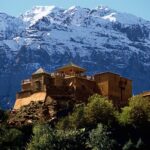
- Day 2 on the Road to Dadés: Fortified Villages and Mountain Views
- First Trek Day (Day 3): Oasis Fields, Volcanic Slopes, and Canvas Nights
- Day 4 Summit Attempt: Mount Kouaouche at 2500m
- Day 5 Afourar Valley and Ali’s Gate Area
- Day 6 Trading Routes Toward the Desert Edge
- Day 7 Draa Valley, Ouarzazate Stops, and the Ride Back
- Day 8: Jemaa el-Fnaa and Airport Transfer
- Guides, Crew, and Camp Life: The Human Side of the Trek
- Price and Value: Is $860 Fair for This 8-Day Route?
- Who This Trek Fits Best (And Who Might Struggle)
- Practical Tips Before You Go
- Should You Book This Jebel Saghro Trek?
- FAQ
- How long is the Jebel Saghro trek?
- Where does the trek start and end?
- Do you get pickup from Marrakech?
- What are the overnight accommodations like?
- Are meals included?
- Is luggage carried during the hike?
- How much walking should I expect?
- What fitness level do I need?
- What’s not included in the price?
- What happens if weather is bad?
Quick Take: What Makes This Jebel Saghro Trek Worth It
- Small group pace (max 15): enough people for fun, not so many you feel rushed.
- Mules carry your luggage: you hike, not haul.
- Ahmed the guide-cook: you get full camp meals, not just bread and hope.
- Real pass-and-valley route: High Atlas crossing on Tizi-n-Tichka, then deep into Saghro and beyond.
- Summit moment plus quiet valleys: Kouaouche, Afourar Valley, and trade-route country around Ighazoun and Tawdachte.
- Finish with Marrakesh sights: a short stop in Jemaa el-Fnaa before airport transfer.
Marrakesh Start: Setting the Tone for the Trek
The trip begins in Marrakesh with an airport transfer to your hotel 3 or a standard riad. This matters because it gives you an easy first day: arrive, get your bearings, and sleep somewhere that feels normal before you switch into trail mode.
The next morning, you’re not slowly easing into the mountains with roadside stops and soft landings. You head south across the High Atlas using the big mountain road pass, Tizi-n-Tichka (2260m). Even if you’re not a mountain-road fan, this is the kind of drive that makes you feel you’re leaving the city behind for real.
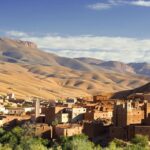
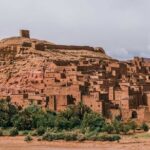
You’ll travel via Ouarzazate, past rose and Dadés valley scenery, and through fortified village areas on the way to your first overnight in a simple village house near Tagdilt. The “simple” part is the point here. It puts you close to local life right away, before the trek fully takes over.
Value angle: paying for an 8-day package with transportation, guides, meals, and accommodations is what keeps this from becoming a logistics headache. You can focus on walking and the changing views.
You can also read our reviews of more tours and experiences in Marrakech.
Day 2 on the Road to Dadés: Fortified Villages and Mountain Views
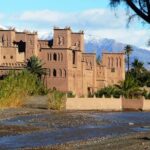
Day 2 is built around motion. After breakfast, you depart toward the south through High Atlas country and into the Dadés Gorges region, with fortified villages along the route and scenic valley driving.
This is also where the trip’s structure starts to click: you’re doing enough driving to reach the trail world, but you’re not spending the day idling. And you’re not alone—small-group travel plus an expert guide keeps the route clear and reduces the stress of being in unfamiliar country.
By late in the day, you reach Tagdilt for an overnight in a basic village house. Expect a quieter vibe than the city. The bed may not be luxurious, but the setting is part of the experience.
First Trek Day (Day 3): Oasis Fields, Volcanic Slopes, and Canvas Nights
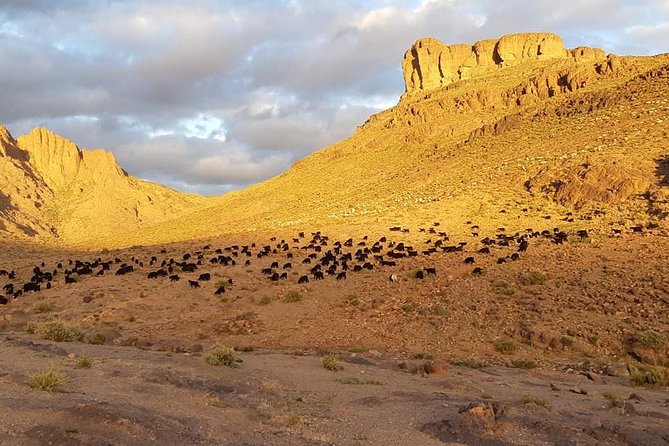
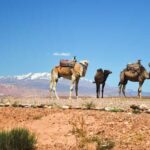
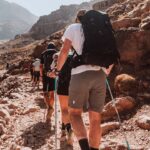
Day 3 is where the trek identity becomes obvious. You meet your trekking team, and your guide handles the rhythm of the next few days. Your luggage goes with trusty mules, so your pack can stay focused on essentials.
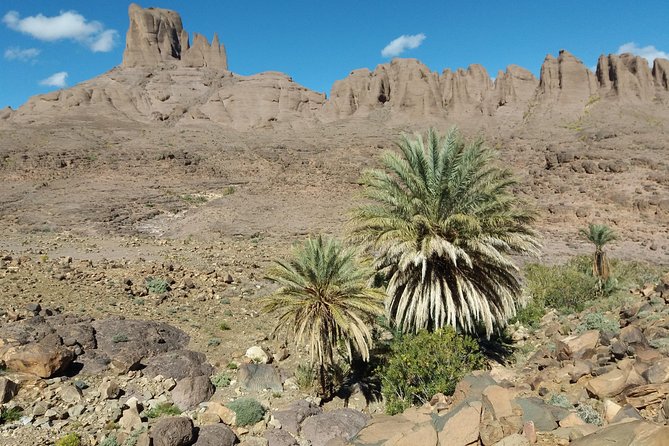
The first scenery comes as a contrast: small oasis pockets with barley fields and fig-tree slopes. Then the trail threads through a dramatic valley before you start heading uphill onto the volcanic sides of the Saghro.
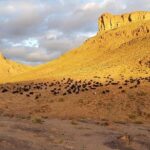
That volcanic detail matters, because the terrain looks and feels different than the lush highlands you might picture when thinking of Morocco. Saghro’s rock tones and rugged shapes give you that canyon-and-plateau feel—harder, drier, and seriously photogenic once the light hits.
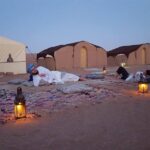
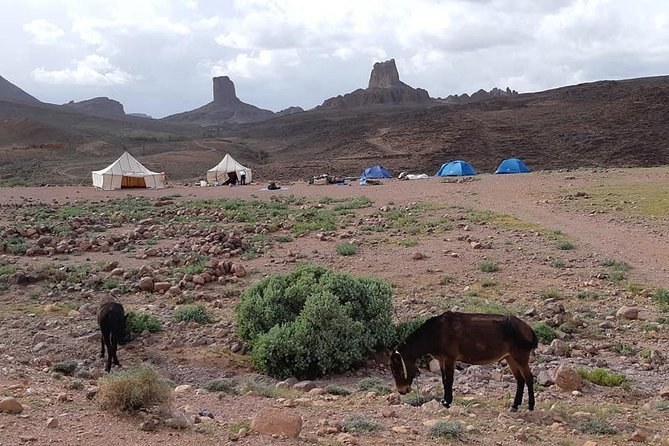
By the end of the day, you descend to camp and settle in for your first night under canvas. It’s not a hotel, but that’s the deal. Bring your patience for dust, your flexibility for basic comfort, and you’ll be fine.
Day 4 Summit Attempt: Mount Kouaouche at 2500m
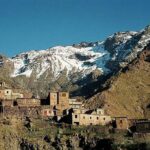
If you like a clear goal day, this is it. After camp breakfast, you prepare for an ascent to Mount Kouaouche (2500m)—one of the prominent peaks in the Saghro range.
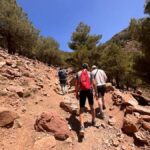
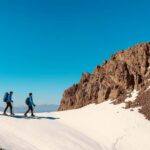
The walk is your classic trade-off day: working uphill for a view that feels earned. You should expect a mix of steady climbs and rocky footing, then a descent back down to the camp site on the rocks of Igli.
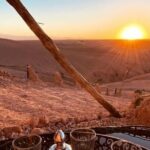
The payoff is the viewpoint described in your route plan: you get views toward the south and across to the High Atlas in the north. Even when the day feels demanding, that kind of panorama makes it feel worth it.
Possible drawback: summit attempts can vary with weather and trail conditions. If clouds or wind roll in, you’ll still walk, but the view might not be as crisp.
Day 5 Afourar Valley and Ali’s Gate Area
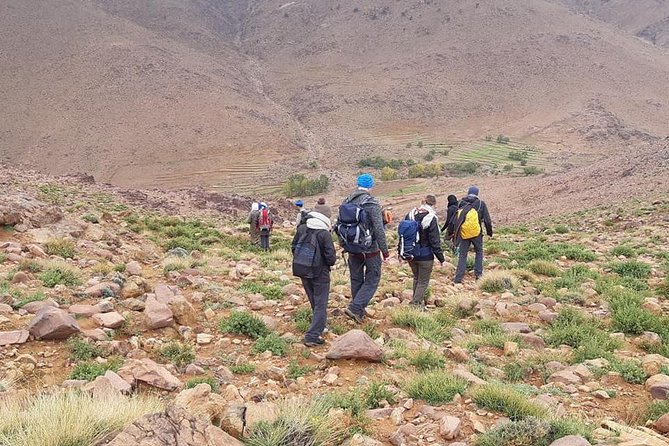
Day 5 shifts the emotional tone from yesterday’s height. You head toward a beautiful valley—Afourar Valley—with small villages and striking rock formations in the area.
This is also tied to tribal country, specifically the Ait Atta area mentioned in the route description. You get more of that living-countryside feel here: farmland edges, rock walls, and settlements that look built for the landscape.
Your day ends at a camp site very close to Ali’s Gate. Even without dramatic signage, this kind of location is memorable because it frames the next stretch of trekking terrain. The rocks seem to guide your attention forward.
Walking time here is listed around 4–5 hours, which makes it a good day to catch your breath if you’re feeling worn from the previous day’s summit push.
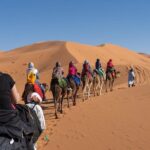
Day 6 Trading Routes Toward the Desert Edge
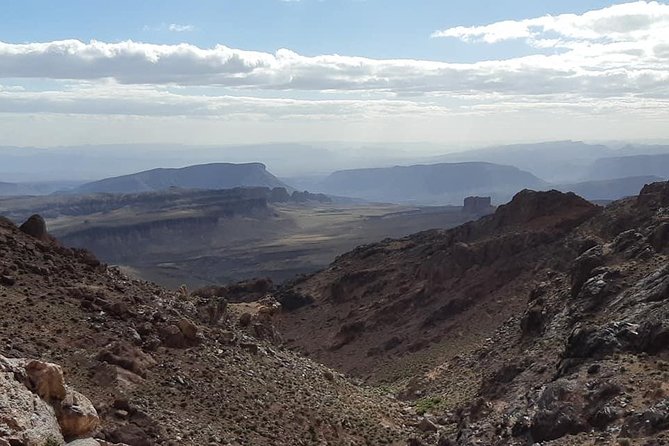
Today’s walk runs through the kind of country that used to connect people and goods across long distances. You travel along roads still used as trade routes with the neighboring Sahara Desert, passing small villages, hamlets, and farms in the Ighazoun and Tawdachte valleys.
There’s a clear farming pattern described for this stretch: wheat, clover, carrots, tomatoes, almond trees, and crops that remind you this is not just a “rocks and sun” hike. Even in a region that feels dry, people cultivate and keep life moving.
The hike runs about 5–6 hours, giving you a full day without pretending it’s easy. This day is also where the mule support really shows its worth. When your legs are tired, your pack still feels manageable.
Day 7 Draa Valley, Ouarzazate Stops, and the Ride Back
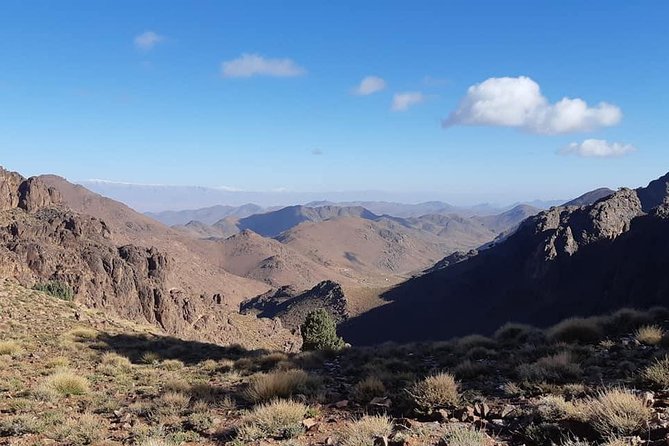
Day 7 is the long transition from trail to city roads. You head back toward Ouarzazate or Marrakech, crossing the Draa Valley area and passing the snow-capped Atlas peaks (when conditions allow).
You stop briefly in Ouarzazate, often called the Hollywood of North Africa because so many famous films have been shot there. Even if you’re not a movie buff, it’s a useful break: you get perspective on how this rugged region also functions as a major production hub.
Then you cross Tizi-n-Tichka again and arrive in Marrakesh in the afternoon. This is a relief day in the best sense—you get the energy of desert-valley scenery, then you roll into a comfortable base before your final evening.
Day 8: Jemaa el-Fnaa and Airport Transfer
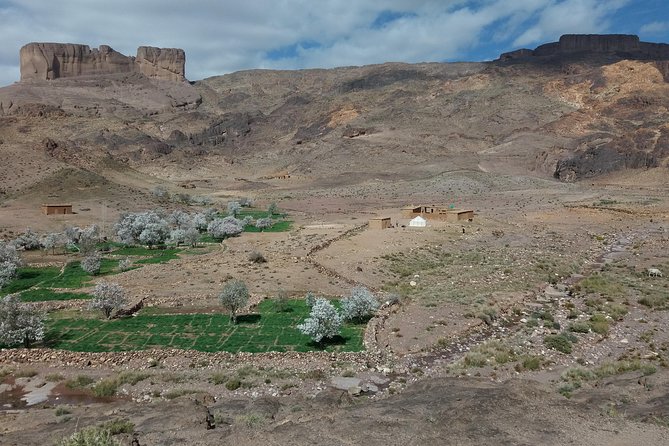
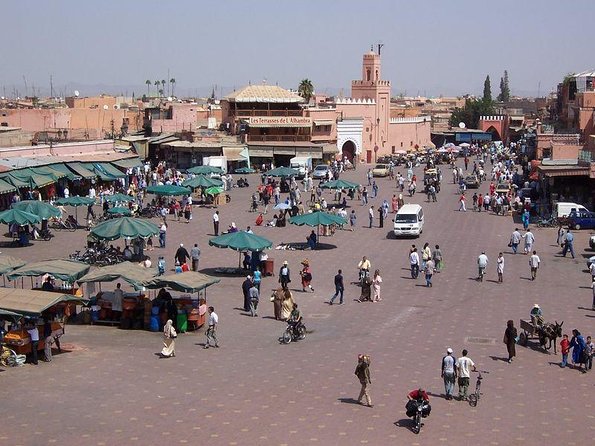
On the last day, you return to Marrakesh routines. The route includes a stop near Jemaa el-Fnaa, with about 20 minutes on the agenda, then transfer to the airport.
That short stop works for most people because it gives you a quick taste of central Marrakesh without turning the final day into another packed excursion.
If you have any time before your flight, plan something simple: a slow drink, a last walk for photos, and then call it. After 8 days of mountain air, you’ll feel the contrast fast.
Guides, Crew, and Camp Life: The Human Side of the Trek
This trek’s reputation doesn’t come from just scenery. It comes from how well the days are run.
Ahmed is the guide-cook you’ll want to thank when you’re eating well at camp. In the feedback you can see a consistent theme: the team pays attention to what you need and keeps schedules clear. Idir and Hussein also show up in the crew stories as mule handlers, and that’s important because mule work makes or breaks the “what’s in my pack” side of the experience.
If you’re the type who dislikes surprises—what time you leave, when meals happen, what happens next—this kind of team-based operation is your friend.
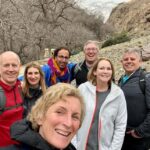
Also, the group size being small matters culturally and practically. In quieter seasons, you may find the trek feels almost private, which changes how you experience the valleys and camp nights.
Price and Value: Is $860 Fair for This 8-Day Route?
At $860 per person, you’re not just paying for hiking days. You’re paying for the parts that normally cost extra on your own: accommodation support (hotel plus local house and camp setup), transport (including air-conditioned vehicle transfers), meals across the trek, an expert guide, and mules for luggage.
What you should compare this against:
- If you tried to build a similar trek independently, the biggest friction points are guide sourcing, mule handling, and meal coordination.
- This package also includes time in Marrakesh with hotel 3 basics rather than forcing you to scramble the last night.
What’s not included is straightforward: tips, travel insurance, drinks, and flights. That means your real cost depends on your drink habits and how much you tip. Budget for those and the price looks much more reasonable.
Bottom line on value: the package is best if you want an organized route through Saghro without micromanaging daily logistics.
Who This Trek Fits Best (And Who Might Struggle)
This is listed for travelers with moderate physical fitness. That usually means you’re okay with a few hours of walking most days and you can handle uneven footing.
This trek is a great match if you:
- enjoy mountains, dry valleys, and volcanic terrain
- like the idea of camp nights under canvas with a cooked meal
- want small-group travel (max 15) and a team that keeps things organized
You might struggle if you:
- want lots of flat walking or easy terrain
- need hotel comfort every night
- dislike long driving days between hiking stretches
Practical Tips Before You Go
Based on the route style, here’s what helps most:
- Pack light for your own body: even with mule support, you still carry what you need during the hike.
- Expect dust and rock: clothing that dries fast and shoes with good grip pay off.
- Plan for uneven timing: you’ll have driving blocks and then set walk windows, so stay flexible.
- Bring cash for personal extras: tips and drinks are not included, and you’ll want options during city stops.
If you’re sensitive to weather changes in mountain areas, consider layers. The route includes high passes and higher elevations like Kouaouche, so temperatures can shift.
Should You Book This Jebel Saghro Trek?
Yes, if you want an 8-day Morocco trip that feels like real trekking, not just a few scenic walks. This route gives you a full arc: Marrakesh arrival, High Atlas driving, Saghro hiking with a real summit moment, valley exploration, then a ride back through Draa and Ouarzazate before finishing with Marrakesh.
Book it if you value:
- mules + organized camp meals
- a small-group vibe
- a mix of summit effort and calmer valley days
Think twice if you’re hoping for totally easy walking or luxury stays. This is a mountain trek with comfort designed to be functional, not flashy.
FAQ
How long is the Jebel Saghro trek?
The tour is listed as 8 days (approx.).
Where does the trek start and end?
It starts in Marrakech and ends back in Marrakech.
Do you get pickup from Marrakech?
Pickup is offered.
What are the overnight accommodations like?
You get 2 nights in a local house during the route, plus 2 nights in a hotel 3* in Marrakech. During the trek, you sleep in tents (camp setup).
Are meals included?
Yes. Breakfast, lunch, and dinner are included during the trekking period (breakfast 7 times, lunch 5 times, dinner 6 times).
Is luggage carried during the hike?
Yes. Mules carry your luggage during the trekking days.
How much walking should I expect?
Walking times are listed as roughly 4–8 hours on trekking days, with several days around 4–5 hours and some around 5–6 or 6 hours.
What fitness level do I need?
The tour recommends a moderate physical fitness level.
What’s not included in the price?
Tips, travel insurance, flights, and drinks are not included.
What happens if weather is bad?
The experience requires good weather. If it’s canceled due to poor weather, you’ll be offered a different date or a full refund. The cancellation terms also allow free cancellation up to 24 hours in advance for a full refund.