REVIEW · KATHMANDU
Langtang valley trek
Book on Viator →Operated by Gokyo Treks and Expedition Pvt Ltd · Bookable on Viator
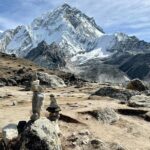
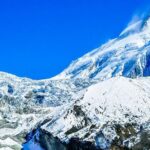
Langtang feels close enough to touch. This Langtang Valley trek is built for people who want real village life plus big mountain days, then to wrap it up with the pilgrimage pull of Gosainkunda. You’ll hike through the Langtang Himalayan region, where peaks like Langtang Lirung (7,227m) and Xisapangma (8,103m) loom over the trails.
I especially like the way the route mixes “ordinary trek” with sacred stops. You’re not just walking for views; you’re also headed to Gosainkunda, a major pilgrimage destination, and you get a chance to see how Buddhism shows up in day-to-day life in the Helambu villages.
The main thing to weigh in advance: this is lodge trekking with no attached bathrooms on trekking days, and extra costs can pop up for things like charging, drinks, and laundry.
In This Review
- Key highlights
- Why the Langtang, Gosainkunda, and Helambu combo works
- The route in plain English: from Kathmandu to Syabrubensi and into Langtang
- Kyanjin Gompa energy: where the valley feels most dramatic
- Tserkuri Peak (4,900m): your first “wow, I’m really here” marker
- Gosainkunda and the lake pilgrimage: the trek’s emotional center
- Helambu villages: seeing Buddhism where it’s lived
- Lodges and meals: comfortable enough, but mountain-simple
- Guides, porters, and how the trekking team really shows up
- Price and value: is $618.75 a fair deal for this route?
- Packing and fitness notes for passes and cold mornings
- Who this trek is best for (and who should think twice)
- Should you book this Langtang valley trek?
- FAQ
- How long is the Langtang valley trek?
- Where does the trek start and end?
- Is pickup offered?
- What transportation is included?
- What’s included for accommodation and bathrooms?
- Are meals included?
- Do I need a visa for Nepal?
- Is travel insurance required?
- Is there free cancellation?
- Should You Book This Langtang Valley Trek
Key highlights
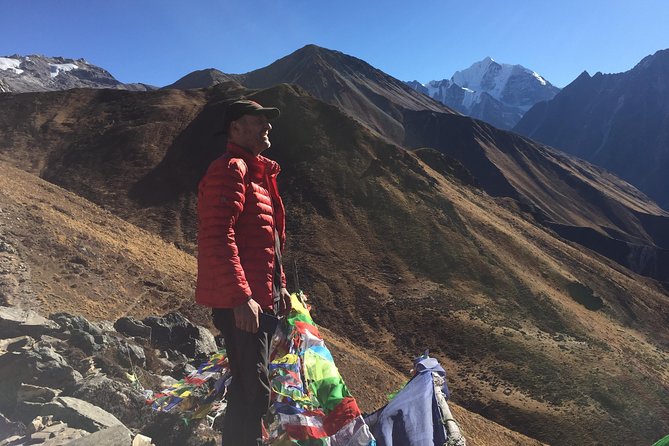
- A true route combo: Langtang Valley + Gosainkunda lakes + Helambu villages in about 6 days
- High-altitude moments: Tserkuri peak (4,900m) and a high pass at about 15,187 ft (4,630m)
- Lodge stays + local meals: mountain guesthouses with simple comfort and food run by local people
- Guided, staffed trekking: English-speaking trek guide plus a porter for every 2 guests
- Good organization signals: the operator’s reviews repeatedly point to clear communication and professional guides like Rajesh, Prem, Bishnu, and Kamal
Why the Langtang, Gosainkunda, and Helambu combo works
Most Nepal treks pick one theme: either deep valley hiking, or a lake/pilgrimage focus, or village exploring. This itinerary purposely blends them. That’s why it feels complete. You get time in the Langtang valley and the Gosainkunda region, then you shift toward Helambu, where Buddhism is part of the everyday scenery—not just something you hear about in a briefing.
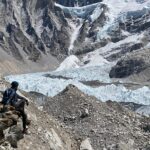
It also helps that this area sits in the core of the Langtang Himalayan range. The mountains named in the route description are not just trivia: they hint at the kind of glacier-and-ridge terrain you’ll be walking through, with big walls rising above treeline.
And there’s a story baked into the place. The legend says a lama followed a runaway yak and found the valley—Lang for yak (in Tibetan) and Tang/Dhang for to follow. It’s the kind of old local explanation that makes the walk feel connected to people, not just geography.
You can also read our reviews of more tours and experiences in Kathmandu.
The route in plain English: from Kathmandu to Syabrubensi and into Langtang
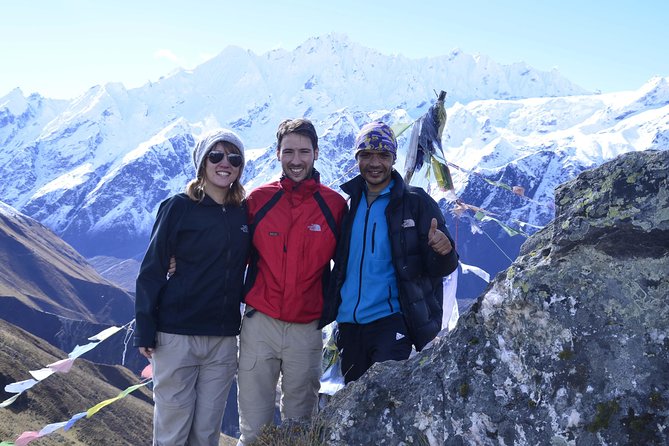
You start in Kathmandu, then take a bus transfer out to Syabrubensi and begin trekking from there. That matters because it reduces the “how do I actually get started?” stress that can eat half a day when you travel solo.
From Syabrubensi, your trek time focuses on the Langtang valley route. Expect day hiking that gradually builds your mountain rhythm: steady uphill, frequent pauses, and the constant check of how your body feels at altitude. Lodges are part of the experience, so it’s not camping-based trekking.
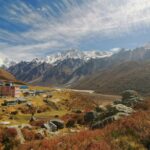
One of the benefits of doing Langtang as part of a longer loop is that the valley scenery keeps changing. You’re moving through different views of slopes, forests, and settlements as you work toward bigger landmarks in the area. Reviews tied to this trek also mention reaching places like Kyanjin Gompa, which is a major reason many people come here in the first place.
Practical note: at this stage, you’re not trying to “race the mountain.” The goal is to keep a consistent pace so you’re not spending the best viewpoints gasping for air.
Kyanjin Gompa energy: where the valley feels most dramatic
Kyanjin Gompa is one of those names that turns into a memory fast. It’s linked in the feedback to an outcome people talked about with satisfaction: solid progress through the Langtang valley and big day payoff.
Even if you’re not a “monastery person,” you’ll feel the shift when you reach that kind of religious site. It’s not only about buildings. It’s also the social change: more trekkers converging, locals connecting the trek to their daily work, and the feeling that you’ve moved from generic hiking terrain into a place with a purpose.
Also, the route description emphasizes that as you go higher, you’re heading toward the edge of the Langtang scene—meaning you should expect sharper views and more dramatic relief. The pass logic comes later, but this is where you’ll start understanding why people describe the Langtang region as intense.
Tserkuri Peak (4,900m): your first “wow, I’m really here” marker
The plan includes going over Tserkuri peak at about 4,900 meters. That’s not just a number in the itinerary—it’s a physical checkpoint. It signals that you’ll spend enough time at altitude to feel the air thinning, even if you’re fit.
On days like this, the best strategy is simple: keep your effort smooth and your breathing controlled. If you go too hard early, you’ll pay later on the flatter segments when you need them most.
Also, this part of the trek is where the mountains start to look less like objects on the horizon and more like walls surrounding your route. You’ll likely feel the terrain narrowing into steeper lines, and the sky tends to look cleaner when you’re that high.
If you like a trek that gives you a clear progression—lower valley, then a higher marker, then the lake region—this one delivers.
Gosainkunda and the lake pilgrimage: the trek’s emotional center
Gosainkunda isn’t presented as a side stop. It’s described as a major pilgrimage destination, and that framing matters. You’re walking toward a place with cultural meaning. Expect that shift in tone once you enter the Gosainkunda zone.
You’ll also visit Suryakunda lakes, plus a high pass at about 15,187 ft (4,630m). The way the route is described links these points together: lakes, then a high crossing, then continued movement toward Kathmandu-side terrain. It’s a “finish with purpose” setup.
Here’s what I think you’ll like if you choose this trek: the Gosainkunda day often gives you a rare combo of visuals and atmosphere. The water and spiritual setting create a different kind of quiet than you get in the valley. And because you’re at altitude, the air and light tend to make everything look crisper.
Possible drawback: the lake days can feel long in the cold. Your plan includes lodge stays, but the weather can still change your comfort level quickly. Pack for layering. And plan to hydrate even when you don’t feel thirsty.
Helambu villages: seeing Buddhism where it’s lived
After the heavier high-altitude focus, the trek shifts toward Helambu villages. This is a smart move because it slows the emotional pace after long days. Instead of only chasing elevations, you get time to look at how people live around the mountains.
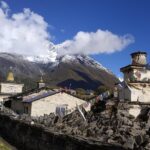
The route description calls out Buddhism as a key theme here. That doesn’t mean you’re doing museum-style sightseeing. It means you’ll notice how faith shows up in daily patterns—signs, practices, and the overall calm of village life.
The trekking loop style also creates a better sense of place. You’re not just going up and down a single valley; you’re moving across regions that each have their own rhythm. If you like trekking that feels like travel through real communities, this part is worth it.
Lodges and meals: comfortable enough, but mountain-simple
This trek is lodge-based: 6 nights lodge accommodation in the mountains. On trekking days, rooms are listed as having no attached bathroom. So yes, comfort is part of the package, but you’re still sleeping like a trekker—shared spaces, simple facilities, and the kind of warmth you build with layers, not luxury.
Meals are included in a specific pattern: Breakfast (5), Lunch (6), and Dinner (6). That’s a good structure. You’re not wondering where your next meal will come from on the trail.
What I like in this plan is that the food is described as local cuisine run by people in the area. That typically means more variety than you get from totally standardized trekking menus. It also supports the idea that the trek isn’t just extracting scenery—it’s spending money where the mountains are actually home.
One small heads-up from the practical list: battery charges, laundry, phone calls, and showers are not included, and drinks and desserts while on trek are not included. Translation: budget a little extra for comfort items, because you’ll want them at some point.
Guides, porters, and how the trekking team really shows up
This trip runs with an English-speaking trek guide and porter support, using a clear ratio: each 2 guests 1 porter. That matters for value and for safety. You’re less likely to overload yourself, and you can keep your energy for the climb.
The guide team is repeatedly praised in the feedback. Names that show up in connection with Langtang include Rajesh, Prem, Bishnu, and Kamal. The theme across those mentions is professional care—clear communication, good pacing, and explanations that help you understand what you’re looking at.
And the organizer side matters too. The company behind the trip is represented by Ammar, and the reviews you provided emphasize reliability, trust, and responsiveness. I also noticed comments about handling logistics smoothly (including refunding money when a transfer wasn’t fully used). That kind of behind-the-scenes competence can save you headaches when plans shift because of weather or timing.
One more detail you’ll appreciate: this is described as a private tour/activity, meaning only your group participates. That typically makes things calmer and helps the guide manage pace without juggling unrelated travelers.
Price and value: is $618.75 a fair deal for this route?
At $618.75 per person for a roughly 6-day trek, you’re paying for a lot more than “someone walks with you.” Included items cover:
- 6 nights mountain lodge accommodation
- Bus transfers Kathmandu ↔ Syabrubensi
- Langtang National Park permits
- Guide and porter staffing (English-speaking guide + porter ratio)
- Food on trekking days (breakfast/lunch/dinner counts provided)
- Taxes/VAT and service charge (included in the listing)
What’s not included is also clear, and that clarity is part of the value equation:
- Nepal entry visa fee (listed as US$ 40)
- Kathmandu meals
- Battery charges, laundry, phone calls, showers
- Personal trekking equipment and clothing
- Travel insurance (listed as mandatory for emergency situations)
- Tips (not compulsory but highly expected)
- Drinks and desserts on trek
So is it worth it? For most people, yes—if you price it against what you’d pay for permits, transport, and guide/porter support in Nepal separately. The trek is staffed all the way through and includes the core fuel: food and a roof each night.
Where some folks might feel squeezed is when they add extra costs: charging, hot drinks, upgraded Kathmandu lodging, and any personal gear you forgot. But that’s normal for trekking travel. The trick is to plan for it rather than act surprised.
Packing and fitness notes for passes and cold mornings
The route description includes real altitude markers:
- Tserkuri peak: 4,900m
- High pass: about 15,187 ft (4,630m)
- Plus the broader Himalayan context around peaks like Langtang Lirung and Xisapangma
You don’t need to be an athlete to do this trek, but you do need to be comfortable hiking for multiple days and handling cold mornings.
Based on what’s explicitly included (lodges, meals, guide/porter support), the packing focus becomes about your own comfort and altitude management. You’ll want layers for temperature swings and items for basic cold weather trekking. Since personal trekking equipment isn’t included, don’t count on the trip provider to outfit you for everything.
Fitness-wise, the most useful target is consistency. If you can walk regularly at home and build up stair or incline time, you’ll feel the difference once the trek starts asking for steady effort on higher days.
Who this trek is best for (and who should think twice)
This trek fits you if:
- You want a mix: valley hiking + lakes + village culture
- You’re okay with lodge trekking and shared mountain basics
- You like having a guide with English support and structured meals
- You want altitude without technical climbing (based on the trip framing and lodge route style)
You might think twice if:
- You strongly need attached bathroom comfort (the listing says none on trekking days)
- You’re trying to keep spending ultra-tight, since drinks/charging/showering are extra
- You dislike cold weather days at altitude, especially around high passes and lake time
If you’re open-minded and you treat this like a real mountain journey rather than a hotel vacation, you’ll likely love it.
Should you book this Langtang valley trek?
If your ideal trek is about meaningful stops (Gosainkunda’s pilgrimage role), real community villages (Helambu), and a steady route with guidance, this one makes sense. The included permits, food schedule, lodge nights, and transfer logistics are set up so you spend your energy on the hike, not on figuring out the logistics.
I’d book it if you’re comfortable with lodge living and you budget a bit for extras like charging and drinks. I’d also prioritize the guide relationship—ask what pacing they recommend for your group so you can keep the trek enjoyable on the higher days like Tserkuri (4,900m) and the 4,630m pass.
FAQ
How long is the Langtang valley trek?
It’s listed as 6 days (approx.).
Where does the trek start and end?
It starts in Kathmandu (meeting point in the Kathmandu Valley) and ends back at the same meeting point.
Is pickup offered?
Yes, pickup is offered.
What transportation is included?
The package includes bus transfer from Kathmandu to Syabrubensi and back to Kathmandu.
What’s included for accommodation and bathrooms?
You get 6 nights lodge accommodation in the mountains. On trekking days, lodging is without attached bathrooms.
Are meals included?
Yes. Breakfast (5), Lunch (6), and Dinner (6) are included on the trek.
Do I need a visa for Nepal?
The Nepal entry visa fee is not included and is listed as US$ 40.
Is travel insurance required?
Yes. Travel insurance is listed as mandatory in case of emergency.
Is there free cancellation?
Yes. Free cancellation is available up to 24 hours in advance of the experience start time for a full refund.
Should You Book This Langtang Valley Trek
If you want mountains plus lakes plus village culture, and you’re fine with lodge-style comfort, this trek looks like a strong value—especially with the included guide/porter support and the structured meal plan.