REVIEW · KATHMANDU
Upper Mustang Trekking
Book on Viator →Operated by Sherpa Expedition & Trekking · Bookable on Viator
Upper Mustang can feel otherworldly fast. This trek focuses on the walled Lo-Manthang region, tied to the old Tibetan Kingdom world, with monasteries and artwork being restored and everyday Buddhist learning still visible. I especially like how the trip is framed around culture and access rather than racing through checklists.
I also like the practical support built into the package: permits fees (ACAP, Upper Mustang special permit, TIMS), a trekking guide, and a porter shared by two people. One thing to keep in mind is that the plan depends on good weather and includes early, structured travel days, so it’s best if you’re comfortable with schedules that can shift.
In This Review
- Quick hits from this Upper Mustang trek setup
- Why Upper Mustang still feels different from most Nepal trips
- Lo-Manthang, monasteries, and what you’re really seeing
- Permits, TIMS, and why included fees matter (a lot)
- Kathmandu to Pokhara to Jomsom: getting there without losing the day
- The trekking rhythm: short window, clear focus
- Guide and porter setup: what it means for how you walk
- Where your money goes: value vs. just the headline price
- Lodging and meals: what’s covered and what you’ll need to plan for
- What to pack when the important stuff isn’t included
- A company that handles changes: the human side of this trek
- Who this Upper Mustang trek is for
- Should you book Upper Mustang Trekking with this operator?
- FAQ
- FAQ
- Where is the meeting point and what time does the tour start?
- How does transportation work in this package?
- What permits are included for Upper Mustang access?
- Is there a guide and porter included?
- What meals are included?
- Are WiFi and hot showers included?
- Do I need my own trekking gear?
- What’s the cancellation policy if weather or plans change?
Quick hits from this Upper Mustang trek setup
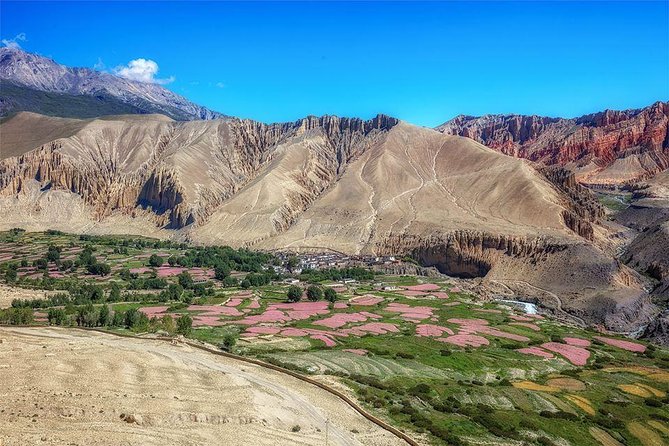
- Lo-Manthang and its restored religious life: think rebuilt monasteries and students in robes studying Buddhist teachings.
- Permits handled for you: ACAP, the Upper Mustang special permit, and the TIMS card fee are included.
- A guide plus a porter (shared): one porter for two people, so you’re not hauling everything yourself.
- Transportation before trekking time: road transfers between Kathmandu and Pokhara, plus flights to/from Jomsom.
- Private tour for your group: you won’t be mixed into a larger group on shared arrangements.
Why Upper Mustang still feels different from most Nepal trips
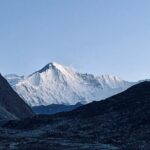
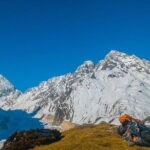
Upper Mustang sits in that special space between Tibet and the Himalayas, and it has long carried the reputation of being more closed-off than the rest of Nepal. Instead of big, tourist-heavy circuits, you get a sense of a place that has kept its own rhythm—partly through distance, and partly through how carefully the region is managed.
The story of Lo-Manthang is wrapped in legends more than clean dates. You’ll hear that it was linked to the Tibetan kingdom of Gungthang until the 1830s, and today the walled city still holds on to its character even while change creeps in.
You can also read our reviews of more tours and experiences in Kathmandu.
Lo-Manthang, monasteries, and what you’re really seeing
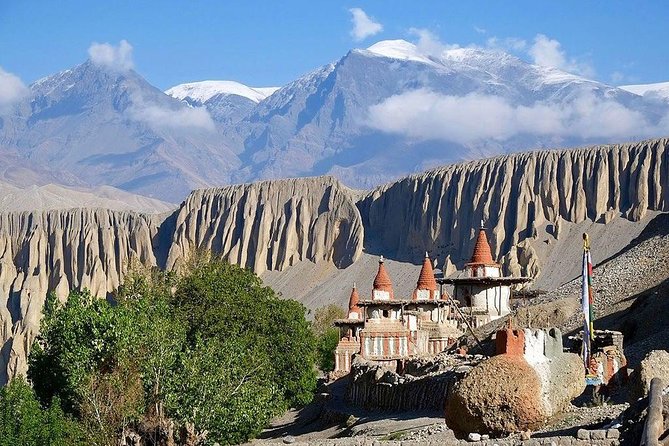
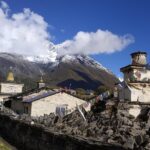
Lo-Manthang is the centerpiece: a walled city with about 275 houses and four castes. The sheer fact that the place is walled shapes the experience. It’s easier to feel like you’re moving inside a defined world, not just walking through random streets.
What I like most in the description of the region is how tangible the Buddhist education looks. There are rebuilt monasteries and you may see shaved-headed children in robes studying ancient ways and teachings. That kind of everyday continuity is what makes this trek feel more meaningful than a quick photo stop.
You’ll also notice the slow work of recovery. Crumbling artworks are being restored, and monasteries have been rebuilt—so the region reads like a living project, not a museum that never changes.
Permits, TIMS, and why included fees matter (a lot)
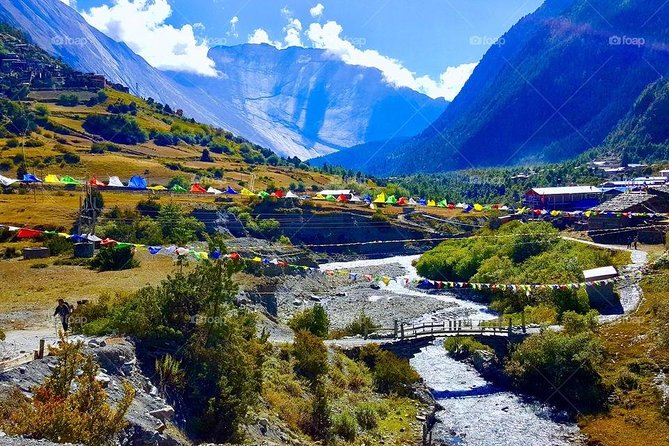
Upper Mustang access isn’t casual. This package includes ACAP and the Upper Mustang special permit, plus the TIMS card fee, which is a trekking registration requirement. For you, that’s big because it reduces the odds of last-minute scrambling or paperwork surprises.
It also signals that the operator is handling the official side of the journey, which is important in a regulated area. When permits are bundled, you can focus on logistics that are actually on you: packing, pacing, and making sure you’re mentally ready for a schedule that’s more structured than a do-it-yourself plan.
Kathmandu to Pokhara to Jomsom: getting there without losing the day
This trip starts with a 6:15 am meeting point at Tribhuvan International Airport. You get an airport pick-up and drop by private car or jeep, and then the plan moves by tourist bus between Kathmandu and Pokhara.
From there, you fly to Jomsom and return to Pokhara by flight. Flights can be a practical move in Nepal’s terrain, and they help keep a short trek from turning into a long transit grind. The tradeoff is that air schedules are more sensitive to conditions than road travel, so you’re relying on weather.
One useful way to think about this section: it sets your tempo. You’ll spend less energy navigating, and more energy preparing for the trekking days and staying warm enough for early mornings and changing weather.
The trekking rhythm: short window, clear focus
Even though the trek is described as about 2 days (approx.), the package includes multiple overnights—two nights in Kathmandu and two nights in Pokhara—so the overall rhythm may feel more travel-heavy than a classic long trek. In plain terms, you’re using connections (road plus flight) to get access to the Mustang region efficiently.
That matters because Upper Mustang isn’t just about distance. It’s about visiting Lo-Manthang and experiencing cultural sites connected to restored monasteries and ongoing community life. If you come in expecting a rugged multi-week hike, you might feel the schedule is tight. If you come in ready for a focused, guide-supported cultural trek, it can feel perfectly timed.
Also, because the tour includes a trekking guide, you’re not left to translate the experience on your own. You’ll have someone who can explain what you’re seeing in a way that makes the walls, carvings, and monastery routines more understandable.
Guide and porter setup: what it means for how you walk
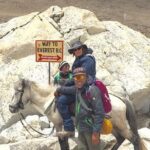
You’ll have a trekking guide and a porter, with one porter for every two people. That ratio is a practical compromise: you still carry some basics, but you’re not fully responsible for everything heavy.
For you, this changes the walking feel. You can keep your attention on the route and the sights instead of managing a heavy load. It also helps with morale on days when you want to move steadily without getting bogged down by gear weight.
The package also includes a first aid kit, which is reassuring for a region where planning depends on conditions and where help might not be instantly available the way it is in big-city tourism hubs.
Where your money goes: value vs. just the headline price
The price listed is $2,666.67 per person. On its face, that’s not cheap, but Upper Mustang access isn’t a budget-friendly region the way many Annapurna-area treks can be. Permits, regulated access, and the logistics of reaching Jomsom and returning are part of the real cost.
What boosts the value here is that several major items are bundled:
- Permit and registration fees (ACAP, Upper Mustang special permit, TIMS)
- Guide and porter support
- Accommodation during the trekking period, plus two nights each in Kathmandu and Pokhara
- Meals on the trek (breakfast, lunch, dinner) and drinks like coffee or tea
- A first aid kit and even a souvenir-style package (t-shirt and duffel bag)
The items not included are also clear, and you’ll want to budget for them early: Nepal entry visa fee, personal travel insurance, tips, and your own trekking equipment. If you compare this to a DIY plan where you’d still need permits, flights, guide time, and beds, this package starts to make more sense as a “reduce stress” purchase.
Lodging and meals: what’s covered and what you’ll need to plan for
You get breakfast in Kathmandu and Pokhara (two nights each), plus breakfast, lunch, dinner while trekking, along with coffee and/or tea. That’s helpful because it lowers the number of meals you have to hunt down after long travel.
The not-included list matters just as much. WiFi, hot water, hot showers, and laundry bills aren’t covered. You should also expect that some evenings will be more about comfort planning than luxury—so pack accordingly and don’t build your plan around reliable hot showers.
For food, the real win is predictability. When meals are handled by the tour, you can spend your energy on the day’s walking rather than trying to figure out timing and menus.
What to pack when the important stuff isn’t included
The tour includes transportation, permits, guide support, and basic trekking logistics, but it does not include personal trekking equipment. That means you need to bring your own core gear, and you’ll want to think about warmth and layers since the region can turn cold fast, especially with early starts.
Plan for comfort and for the fact that you may be moving between cities and trekking areas. Bring what you need for hiking days and the travel days around them: good footwear, a reliable layer system, and simple essentials you can access quickly.
Since WiFi and laundry aren’t included, also think about how you’ll recharge devices (if you rely on them) and how you’ll handle day-to-day clothing needs during the trip window.
A company that handles changes: the human side of this trek
The best part of reading about this operator isn’t the trekking marketing. It’s how they react when your dates or plan need adjusting.
One review notes that the contact person, Ram, was accommodating when COVID-related changes were needed, and that they met the traveler at the airport as promised. Another comment mentions combining the Upper Mustang tour with the Dhaulagiri Circuit and even adding a Dhaulagiri peak—proof that this team can coordinate bigger programs, not just one fixed template.
That doesn’t mean you’ll never face surprises in Nepal. It does mean you’re working with a provider that has experience handling real-world timing issues, which you’ll appreciate if weather or schedules shift.
Who this Upper Mustang trek is for
This is a good fit if you want:
- A guided, permit-handled trip into Upper Mustang with Lo-Manthang access
- A setup that includes a guide and porter so you’re not carrying everything
- Private tour time so your group isn’t mixed into a larger crowd experience
It’s also a good fit for people with moderate physical fitness who want a manageable challenge without pretending this is a beginner-free romp.
If you want a super-long, days-on-end hiking experience, you might find the short-window feel limiting. Also, since the experience requires good weather, if you’re traveling during a season where you can’t be flexible at all, you may prefer a plan with more robust backup options.
Should you book Upper Mustang Trekking with this operator?
I’d book it if your priority is Upper Mustang access with the official side handled, plus a guide-supported cultural experience focused on Lo-Manthang and restored monasteries. The inclusion of permits, meals, guide and porter support, and solid transportation reduces a lot of the friction that can derail a short trek.
I’d think twice if you’re hoping to keep costs as low as possible or you dislike schedule dependency on good weather. This isn’t the kind of trip where you can fully improvise on the fly. It works best when you’re okay with a structured plan and you want someone else to manage the important moving parts.
FAQ
FAQ
Where is the meeting point and what time does the tour start?
You’ll meet at Tribhuvan International Airport, Ring Rd, Kathmandu. The start time is listed as 6:15 am.
How does transportation work in this package?
The plan includes transportation by tourist bus between Kathmandu and Pokhara, plus flights between Pokhara and Jomsom and back. Airport pick up and drop are provided by private car/jeep.
What permits are included for Upper Mustang access?
The package includes ACAP, the Upper Mustang special permit, and the TIMS card fee.
Is there a guide and porter included?
Yes. You get a trekking guide and porter support, with one porter for two people.
What meals are included?
Breakfast, lunch, and dinner are included during the trek. In Kathmandu and Pokhara, breakfast is included with the accommodations. Coffee and/or tea are also included.
Are WiFi and hot showers included?
No. WiFi, hot water, hot shower, and laundry bill are not included.
Do I need my own trekking gear?
Yes. Personal trekking equipment is not included, so you’ll need to bring your own gear.
What’s the cancellation policy if weather or plans change?
You can cancel for a full refund up to 24 hours before the experience starts. The experience requires good weather, and if it’s canceled due to poor weather, you’ll be offered a different date or a full refund.