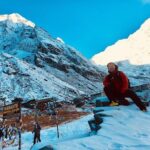
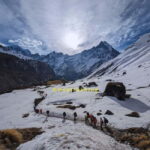
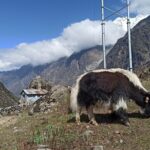
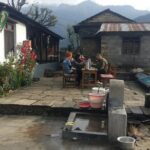
The trail turns you into a morning person fast. This 13-day Everest Base Camp trek focuses on Sagarmatha National Park scenery plus real acclimatization days, with a high point at Kalapathar (5550m) for world-famous Everest views. I like that your days are built around mountain time, not just checking boxes, and I also like the practical support: an experienced English-speaking guide plus a porter for every two trekkers. One thing to weigh is that this is still a strenuous, altitude-heavy trek, including an early climb at Kalapathar.
What makes this trip feel solid is the way it mixes big scenery with calm routines: Sherpa village stops for acclimatization, monastery and river-bridge days for variety, and tea house nights in private rooms. The small group limit (max 15) also matters because you’ll move with less chaos on narrow trails. If you’re hoping for comfort perks like hot showers or city-style meals, plan ahead since those costs sit outside the package.
In This Review
- Key highlights worth your attention
- The Everest Base Camp trek that keeps the focus on high-country reality
- Kathmandu starts with Thamel energy and a proper briefing
- Lukla flight day: when the Himalaya suddenly looks close
- Rivers, suspension bridges, and the gradual climb to Namche
- Acclimatization in the Sherpa villages: Namche to keep your pace
- Tengboche monastery day: a quieter kind of Everest day
- Pangboche to Dingboche: crossing Imja River and walking the higher feel
- Khumbu Glacier moraine day: Dughla, Chupki Lhara, and raw terrain
- Gorakshep and Kala Patthar: the work-for-views trade you’ll remember
- Everest Base Camp: start line for the big dreams
- Coming back down through Tengboche and Namche’s energy
- Lukla return day: trail traffic, Sherpa settlements, and real logistics
- Kathmandu again: a chance to reset, plus a farewell dinner
- Price and logistics: what $1,000 covers and where costs pop up
- Tea houses and daily comfort: private room helps, but expect the basics
- Your guide and team: English help, porter math, and names you can trust
- Weather can control the calendar, so build a buffer in your expectations
- Should you book this Everest Base Camp trek?
- FAQ
- How long is the Everest Base Camp trek?
- What does the trip include for transportation?
- Where do you stay during the trek?
- Do I need a guide and permits?
- Is there porter support?
- What’s included in the price, and what costs extra?
- Is the group small?
Key highlights worth your attention
- Kalapathar sunrise push (5550m): the day designed for the sharpest Everest photo moment
- Sagarmatha permits handled: you’re not juggling paperwork while tired and short on air
- English-speaking, government-licensed guide: clear info on routes, geography, and biodiversity
- Sherpa village acclimatization days: you get time to adjust in Namche, Dingboche, and Pangboche areas
- Private-room tea houses: a real sleep setup during long hiking stretches
- Porter support for 2 trekkers: fewer heavy bags can mean less struggle on steep ground
The Everest Base Camp trek that keeps the focus on high-country reality
Everest Base Camp is not a “walk in the park.” It’s a long sequence of breathing harder, walking steadily, and letting the altitude gradually take over your attention. This trek leans into that truth in a good way. You get multiple days in the Khumbu region that support acclimatization, plus a couple of strong uphill pushes that feel worth the effort when the views sharpen.
What I like most is the balance between iconic moments and the in-between days. One day is about river valleys, suspension bridges, and pine forests. Another day is Sherpa village life with huge peaks showing through the air. Then comes the base camp day, where the route slows down and the place finally feels real.
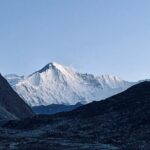
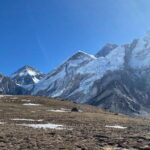
And then there’s the payoff day: the early morning hike to Kalapathar at 5550m. The climb is strenuous because the air is thin, but that’s the point. You’re chasing perspective—Everest (8848m) towering in front of you, plus other Himalayan peaks in the frame.
You can also read our reviews of more tours and experiences in Kathmandu.
Kathmandu starts with Thamel energy and a proper briefing
Before your boots ever hit the trail, you get a Kathmandu orientation that helps you settle in. You’re picked up from the international airport and driven to your hotel, then you’ll do an evening walk through Kathmandu’s heritage area with your guide. You also meet for a program briefing at the Trek Around Himalayas office.
Why this matters: a trek like this has lots of moving parts (flight schedules, permits, gear checks, weather). A real briefing early can prevent the classic mistakes—missing paperwork, showing up underpacked, or not understanding how fast the itinerary starts.
You also get two days that are more than just “sightseeing boxes.” Day 2 includes Kathmandu Durbar Square plus major religious sites: Pashupatinath, Boudhanath Stupa, and the monkey temple area. The trip isn’t trying to rush all of Kathmandu in two days. It gives you a coherent sense of Nepal’s spiritual landscape before you head into the Khumbu.
One small planning note: entrance fees for sightseeing points in Kathmandu are not included, so bring some extra cash for those stops.
Lukla flight day: when the Himalaya suddenly looks close
Day 3 is the big switch from city altitude to mountain altitude. You fly from Kathmandu to Lukla (and on the way you’ll see the Himalaya range), then begin trekking by descending toward Cheplung. From there, you start getting early glimpses of Khumbila—a first taste of the scale you’ll be working with.
Then you continue to Phakding for the night. The big value of this day is mental. After you land, you’ll still feel like you’re easing into the trip. That matters because the real fatigue usually shows up later.
Also, you’ll be using domestic flights both ways. That’s a key logistic piece in this itinerary, and it means the trek is set up for a specific schedule rather than a fully flexible land route.
Rivers, suspension bridges, and the gradual climb to Namche
On Day 4, the trek starts following the Dudhkoshi and Bhotekoshi river corridors. This is a great “humans and engineering” day: suspension bridges appear along the way, and if you’re lucky, you may catch early views of Everest and Lhotse as you climb toward Namchebazar.
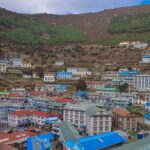
Namchebazar is where your trek starts to feel like a high-altitude hub. You’ll reach it through pine forest, and the change in vegetation is part of what keeps the days interesting. You’re not stuck in one type of scenery. You’re transitioning.
If you’re the type who likes to take it slow with photos, Day 4 can be an easier fit because you’re moving uphill while constantly changing your views. The only drawback is that river routes can feel longer than expected when trails get busy.
Acclimatization in the Sherpa villages: Namche to keep your pace
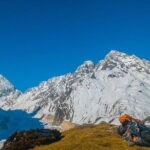
Day 5 is a dedicated Sherpa village acclimatization day. You’ll stroll around the village area while enjoying big panoramas that can include Everest, Lhotse, Nuptse, Ama Dablam, Kongde, Thamserku, and more.
This is a smart design choice. Acclimatization days aren’t filler. They’re where your body learns the new rhythm. They also help you mentally because you get time to enjoy the view without the constant pressure of a steep uphill slog every day.
Practical tip: on acclimatization days, keep your pace calm and steady. You can want to move fast, but this schedule is built on adjustment, not endurance competitions.
Tengboche monastery day: a quieter kind of Everest day
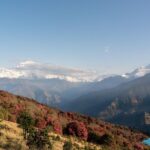
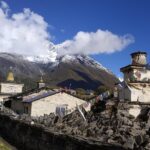
Day 6 shifts to Tengboche. You trek down toward the Dudhkoshi river through rhododendron forest, then climb up to the monastery. You visit Tengboche monastery, and you’ll have strong photo chances with Everest and Ama Dablam.
The reason this day hits is simple: monastery stops slow you down in a good way. You’re surrounded by a place that’s part spiritual stop, part community center, and part viewpoint. Even if you’re not into religious sites, the setting is a natural pause button.
If you’re prone to rushing, this is a day where I’d remind you to slow down. You’ll remember it more, and it can help you keep altitude fatigue from snowballing.
Pangboche to Dingboche: crossing Imja River and walking the higher feel
On Day 7, you keep moving through birch, pine, and rhododendron forests. The route crosses the Imja River, then continues toward Pangboche, where you’ll sleep in Dingboche.
Dingboche is where the scenery becomes more dramatic and the daily grind becomes more noticeable. You’re still hiking, but you’re also living at a higher altitude for longer stretches. The payoff is that mountain views feel sharper and bigger as the days go on.
A possible consideration: this is around the time when people start feeling the altitude more strongly. Keep your water intake steady and avoid sprinting your pace just because the trail feels clear.
Khumbu Glacier moraine day: Dughla, Chupki Lhara, and raw terrain
Day 8 is a steep ascending trek to Dughla and Chupki Lhara along the Khumbu Glacier moraine. The trail then flattens as you approach the Lobuche valley, and you sleep around Louche (spelled in your itinerary details as louche).
Moraine trails have a particular texture—more rocky, more uneven, more “step-by-step” than “stride forward.” This is why the trip is paced the way it is. It gives you time to adapt to different trail types.
The upside is that the day feels like you’re walking through the story of the glacier itself—less manicured, more real.
Gorakshep and Kala Patthar: the work-for-views trade you’ll remember
Day 9 is the day most people end up talking about because of one thing: the Kala Patthar hike. You reach Gorakshep, drop your bags at the lodge, then hike up to the viewpoint.
This is where thin air makes every step slower. The itinerary calls it strenuous, and that’s exactly how it feels. But the reward is what you’re here for: Everest standing bold in front of your eyes, plus epic photo moments that make the effort feel legitimate.
If you want practical value: don’t treat this as a casual add-on. Start slow, dress warm, and expect the cold to bite while you’re exerting yourself. People often underestimate how quickly the body gets tired when the oxygen is low.
Everest Base Camp: start line for the big dreams
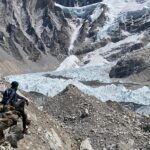
Day 10 is the big objective day. Early in the morning you trek to Everest Base Camp through glacier moraine. This is the start point for climbing Everest, and the route is framed to get you to base camp after enough acclimatization time.
After spending time at base camp, you trek back to Gorakshep, carry your backpack, and continue to Pheriche. The itinerary notes a fairly easy descent from there, and you’ll end with a warm, heavy dinner.
Why this day is meaningful even if you’re not climbing: standing at base camp gives you the human scale of the expedition world. It’s where the Himalaya stops being a distant idea and becomes a working environment.
Coming back down through Tengboche and Namche’s energy
Day 11 brings the first real emotional relief: you’re heading back, but you’re not just “repeating.” You trek via Dingboche and Tengboche, crossing river Dudh Koshi and heading up to Namche Bazaar.
The itinerary highlights birdlife and even butterflies on the way—those small living moments can feel like a gift when you’re tired of thinking only about altitude and rocks. Then Namche arrives with more bustle, and you’re staying overnight there to break up the final return steps.
This is also a good day for slowing down your thinking. You’ve already done the hard part. Now you can notice the journey instead of just surviving it.
Lukla return day: trail traffic, Sherpa settlements, and real logistics
Day 12 descends toward the Dudhkoshi river, with crossings of tributaries and views of Sherpa settlements. You also get to Lukla for the night.
This day can feel busy because it’s part of the route most trekkers share. That isn’t a bad thing, but it’s useful to plan for normal trail congestion—people moving at different speeds, photo stops, and guide communications.
You’re also preparing for your flight the next morning. Keep your energy for the logistics day. The altitude drop helps your body, but travel stress can still show up if you pack in a rush.
Kathmandu again: a chance to reset, plus a farewell dinner
Day 13 takes you back to Kathmandu by early flight from Lukla, then drive to your hotel. You get a chance to relax or stroll around town, and the day ends with a farewell dinner party from the company.
This is more than a nice touch. After days of tea house routines, it helps to have a structured landing back into normal life. You’ll feel tired, but you’ll also feel like you earned your downtime.
Price and logistics: what $1,000 covers and where costs pop up
At $1,000 per person for roughly 13 days, this trek can look pricey until you break down what’s actually included. The package covers some major cost drivers:
- Domestic flights Kathmandu to Lukla and back
- Private-room tea house accommodation during the trek
- English-speaking, government-licensed guide
- One porter for every two trekkers
- Sagarmatha National Park permit and other required permits
- Airport transfers in a private vehicle
- All government and local taxes
That’s a lot of administrative weight removed. You’re not managing permits and you’re not hiring guide and porter separately. For many people, that alone makes the price make more sense.
What’s not included matters just as much. The itinerary lists that all meals are not included (both in the city and on the trek), and extras like bottled water, WiFi, battery charges, hot showers, personal expenses, and bar bills are also outside the package. Phone calls and hot shower access are often where small costs can add up quickly, so I’d budget for them.
Also, personal trekking equipment is not included. So if you don’t own the essentials already, you’ll need to plan for rentals or purchases before you leave.
Tea houses and daily comfort: private room helps, but expect the basics
This trip uses tea house accommodation in private rooms. That’s a real quality-of-life upgrade compared with dorm-style setups, especially when you’re exhausted from altitude walks.
Still, tea houses are functional, not luxurious. Hot shower access and bottled water costs are not included, and WiFi and battery charging are treated like add-on services. The key is to treat tea houses as a base for rest and warmth, not a hotel experience.
If you’re used to predictable comfort at home, prepare for small uncertainties. But if you keep your expectations grounded, the private room nights feel like a proper reward after long hiking days.
Your guide and team: English help, porter math, and names you can trust
The trekking guide is English-speaking and described as highly experienced and government-licensed. Your guide’s job isn’t only route-walking. The trek includes geographic and biodiversity details during the hike, which makes the scenery more meaningful without turning the day into a lecture.
The most praised part in the feedback you provided is how flexible and helpful certain guides are. Names that show up clearly are Bimal and Ganesh. One note that stands out: Bimal is described as very helpful and able to assist with whatever people need on the trek, and Ganesh is described as awesome. That kind of calm responsiveness matters most when altitude or timing causes small problems.
Porter support is also part of how this trek protects your energy. With one porter for 2 trekkers, you share the heavy-bag load so you can hike with less weight. That can make Kalapathar feel more doable and helps on the rougher moraine days.
Weather can control the calendar, so build a buffer in your expectations
This experience requires good weather. If the trek is canceled due to poor weather, you’ll be offered a different date or receive a full refund. That’s the honest reality of the Himalaya and it’s worth respecting.
Flights to Lukla can be weather-sensitive on some routes in general. Even when the trek itself is ready, conditions can force changes. Your best move is mental flexibility: plan your trip window with slack, and don’t treat the exact day as guaranteed.
Should you book this Everest Base Camp trek?
I’d say book it if you want a classic Everest Base Camp trek with strong structure: multiple acclimatization moments, tea house private rooms, permits handled, and a guide who adds meaning to the route. The Kalapathar highlight is real, and this itinerary puts you in position to enjoy it rather than treating it like a last-minute guess.
Skip it or reconsider if you want low-effort hiking, full-board meals, or hotel-style comfort like included hot showers. Also be honest about your fitness. This is a demanding trek with thin air and a strenuous viewpoint day.
If you’re ready for a serious adventure with practical support, this one fits well. You’ll trade some comfort for a very direct connection to the mountains, and that trade is exactly why people come back talking about the views.
FAQ
How long is the Everest Base Camp trek?
The itinerary is about 13 days.
What does the trip include for transportation?
It includes airport pick up and drop-off by private vehicle, plus domestic flights from Kathmandu to Lukla and Lukla back to Kathmandu.
Where do you stay during the trek?
You stay in tea houses with private rooms during the trek.
Do I need a guide and permits?
Yes. The trip includes an English-speaking, government-licensed trekking guide and it covers necessary paperwork, including Sagarmatha National Park permits and other required permits.
Is there porter support?
Yes. It includes one porter for every two trekkers.
What’s included in the price, and what costs extra?
Included are the flights, tea house private rooms, guide, porter, permits, airport transfers, and local taxes. Not included are meals (city and trek), bottled water, WiFi internet, battery charges, hot shower, personal expenses, and travel/rescue insurance, plus personal trekking equipment and Kathmandu sightseeing entrance fees.
Is the group small?
The trek has a maximum of 15 travelers.