REVIEW · KATHMANDU
12 Days Everest Base Camp Trek
Book on Viator →Operated by Himalayan Scenery Treks and Expedition - Private Day Tours · Bookable on Viator
Stepping off the plane at Lukla is the start of real altitude work. This 12-day Everest Base Camp trek takes you to Everest Base Camp (5,364m) and up to Kalapatthar (5,545m) for sunrise views. I like that it’s built around smart pacing with acclimatization days, and that the trip comes with a fully supported team and practical inclusions. The one thing to watch: you’ll be hiking at height for multiple days, so you need moderate fitness and a calm approach to slow, steady walking.
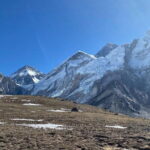
What makes this trek feel worthwhile is how the route strings together big moments with everyday trail life. You’ll follow the Dudhkoshi River for stretches, pass Sherpa villages, and get a classic mix of rhododendron forests, monastery areas, and glacier terrain. I also like that the operator plans for group safety with an oximeter and a first-aid kit, instead of treating altitude like a side note.
At $605 per person, the value mainly comes from what it covers up front: domestic flights, permits, a licensed high-altitude guide, meals, and lodge accommodation basics. It’s not cheap, but it’s the kind of package that can save you time and guesswork when you’re trying to get to the Khumbu without turning your trip into a logistics project.
In This Review
- Quick hits: what I’d prioritize on this Everest Base Camp trek
- Entering the Khumbu: Lukla to Phakding along the Dudhkoshi
- Namche Bazaar and Everest View Hotel: your first altitude reset
- Tengboche to Deboche: rhododendron, monastery mornings, and steep climbs
- Dingboche’s rest day and Nagarjuna: the value of not rushing
- Lobuche to Gorakshep: glacier edges and the long approach to Base Camp
- Kala Patthar sunrise at 5,545m: the highest view without the shortcut
- Coming back down: Namche and Lukla, and why the descent still counts
- Kathmandu wrap-up: your last day after the Lukla flight
- Value and logistics: what’s included (and what you should plan to cover)
- What you get included
- What you still need to budget for
- My take on value
- The people factor: guides, pacing, and why names matter
- Who this trek suits best
- Should you book this Everest Base Camp trek?
- FAQ
- Where does the trek start?
- How long is the Everest Base Camp trek?
- What altitude do you reach on this trek?
- Are flights included?
- Is airport pickup and drop-off included?
- Are meals included during the trek?
- What accommodation style is included?
- Do you provide a guide and porter?
- What permits are included?
- What if my plans change and I need to cancel?
Quick hits: what I’d prioritize on this Everest Base Camp trek
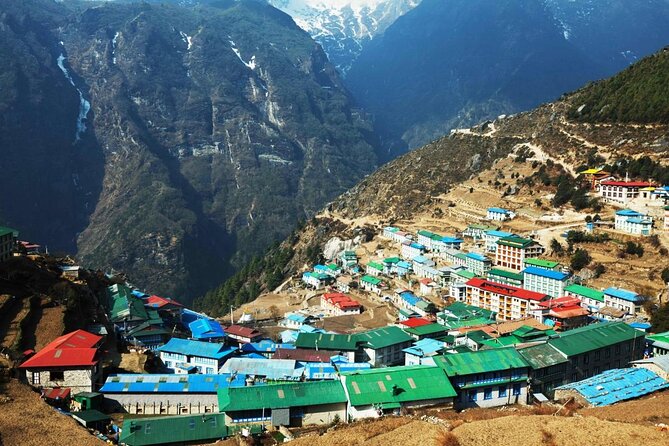
- Lukla flight + quick start: You jump into trekking fast, with about a 45-minute flight into Tenzing-Hillary Airport at Lukla.
- Acclimatization built into the schedule: Full day in Namche for easing in, plus another acclimatization/rest day in Dingboche.
- Two signature altitude payoffs: Everest Base Camp at 5,364m and Kalapatthar at 5,545m for sunrise.
- Support you can actually feel: A government licensed, high-altitude trained guide, first-aid kit, and an oximeter included.
- Meals and lodges are included: Three meals a day during the trek and best-available twin-sharing rooms at lodges.
- Porter support for lighter hiking: One porter for every two trekkers, plus a duffel bag and trekking pole provided.
Entering the Khumbu: Lukla to Phakding along the Dudhkoshi
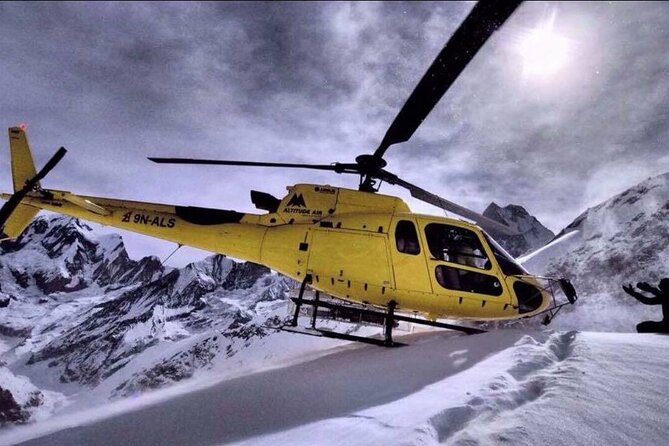
Your trek kicks off with the short but memorable leap from Kathmandu to Lukla via a domestic flight. From Lukla, you immediately start moving on foot, and the day’s rhythm is about getting your body used to trekking instead of pushing speed.
On the way to Phakding, you drop through village paths and stay close to the Dudhkoshi (Milk River), described as a constant companion for the first part of the journey. This matters more than it sounds. When the trail keeps flowing near a river, it helps you settle into a steady pace and focus on the scenery without feeling like you’re walking into nothingness. It’s also a good day to practice simple habits that keep altitude discomfort down later: drink regularly, eat early, and don’t rush.
A practical note: the lodges here are part of everyday trek life, so your room will be functional rather than fancy. That’s not a problem if you’re prepared to think in terms of warmth, rest, and clean enough beds for the next day.
You can also read our reviews of more tours and experiences in Kathmandu.
Namche Bazaar and Everest View Hotel: your first altitude reset
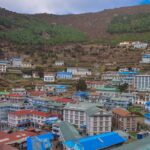
Day 2 is your first long walking day. You’ll head toward Namche Bazaar, moving sometimes left and sometimes right of the Dudhkoshi River as the terrain starts to feel more serious. This day is where you learn your personal tempo. If you’re the type who wants to “get it done,” you’ll do better if you purposely go slower than your instincts.
Then you get a key gift: a dedicated acclimatization day. Day 3 is built around hiking to the Everest View Hotel area via the Syangboche airstrip, and it’s set up as a day to relax and adjust rather than to grind. Even if you feel fine, you’ll still benefit from using it the right way. I like these built-in pauses because they reduce the temptation to overdo it on day-to-day momentum.
This is also your chance to look for the small, human details that make the Khumbu feel alive. The trail isn’t just about big peaks. You’ll see Sherpa village life, and you may spot Danphe, Nepal’s national bird, mentioned as an endangered symbol of the region. It’s the kind of moment you remember because it feels local, not touristy.
Tengboche to Deboche: rhododendron, monastery mornings, and steep climbs
In Day 4, the itinerary starts with a steep climb and then alternates into moderate trekking. You’re moving toward Tyangboche, an area known for its monastery setting, and the schedule gives you time to arrive without racing.
By Day 5, the day centers on early sunrise from the Tengboche monastery. Morning starts here are not optional-feeling, they’re actually part of why people make this trek. You’ll descend through a rhododendron forest toward Deboche (around 3,320m). This kind of change in scenery helps break up the monotony that can sneak in when you’re climbing day after day.
Day 5 can feel like two experiences: a cool, quiet descent through forested paths followed by more trekking energy afterward. The tradeoff is that you should treat this as a “hike for endurance,” not a “hike for speed,” since altitude can turn a normal walk into a slow-motion effort.
Dingboche’s rest day and Nagarjuna: the value of not rushing
Day 5 lands you in Dingboche, and Day 6 is where the trek earns its keep. Once you’ve descended to above 4,400m, you get a proper acclimatization and rest day. Instead of giving you another full push, you’ll take a leisurely hike to Nagarjuna for acclimatization and surrounding views.
This is a major reason the trek works for a range of hikers, including seniors and beginners (as long as they understand the altitude reality). A rest/acclimatization plan like this helps your body adjust, and it also helps your mind. If you’ve ever felt fine on day one and then worn down later, you’ll understand why these pauses matter.
Also, Dingboche is a great place to slow down your water and food schedule. The higher you go, the more you’ll benefit from steady hydration and regular eating, even when your appetite is a bit strange at elevation. The trek supports this with three meals a day included, so you’re not constantly guessing how to fuel.
Lobuche to Gorakshep: glacier edges and the long approach to Base Camp
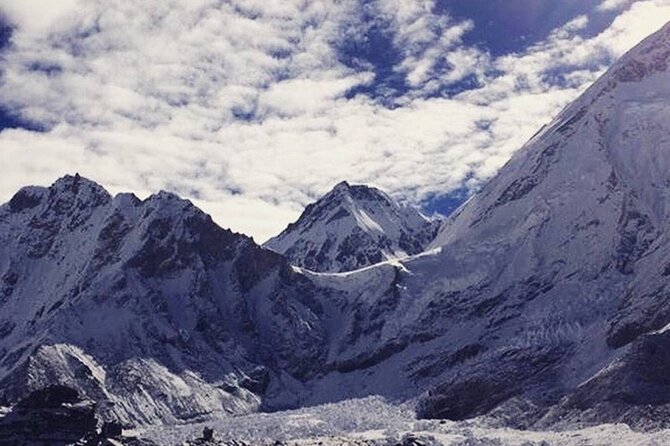
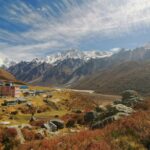
Day 7 heads to Lobuche. The terrain here trends toward big-feeling valleys beneath peaks like Cholatse and Tawache. The itinerary describes wide-valley trekking and a route that becomes more grounded as you prepare for the final approach.
Day 8 is when the “this is the day” feeling starts. You’ll go from Lobuche to Gorakshep, and the day includes the kind of rocky ascent that makes people slow down even if they’re fit. Then you continue onward on a route described as rocky and alongside the Khumbu glacier, with enough up-and-down to keep your legs working.
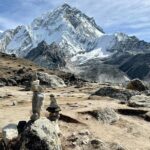
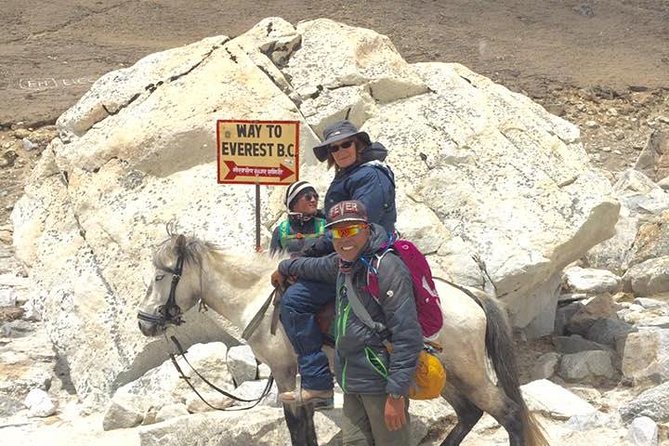
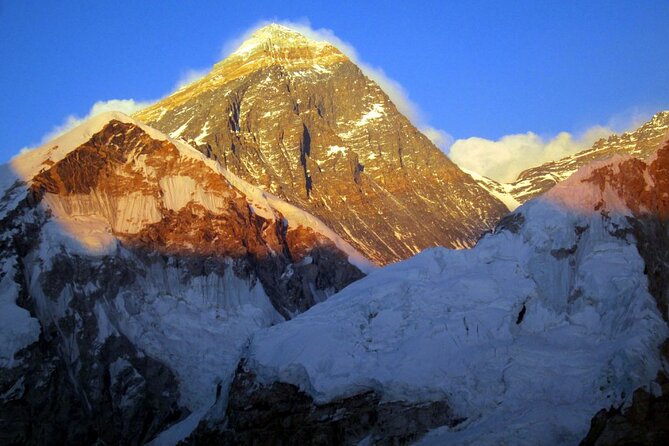
And then comes the headline moment: reaching Everest Base Camp at 5,364m. The day includes time for celebration and stopping to admire Everest, plus listening to the story of the place. I like that the experience isn’t only a checklist. The base camp part works best when you stop thinking of it as a milestone and start treating it as a living endpoint: a place where science, logistics, and human effort all converge.
One consideration: Day 8 is intense because it stacks altitude + terrain + distance. If you’re prone to rushing, you’ll feel it here. The included team support helps, but your pace is still your decision.
Kala Patthar sunrise at 5,545m: the highest view without the shortcut
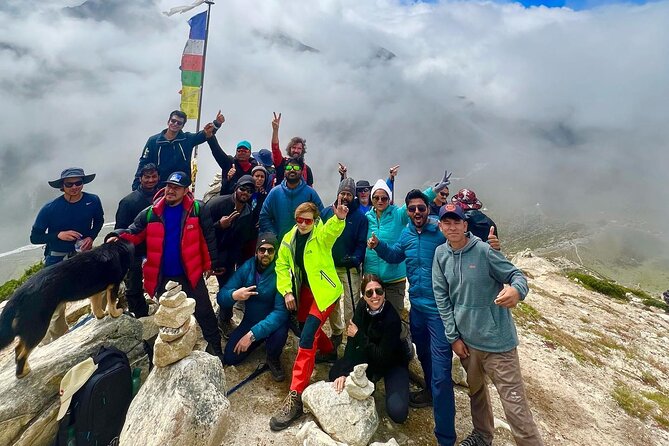
Day 9 is a super early start to hike to Kala Patthar for sunrise. This is the trek’s “highest payoff” day. The hike is described as steep and rocky, so it’s not a gentle stroll. It’s also one of the few times the schedule asks you for something very specific: wake up early, stay steady, and take the climb seriously.
Why does this matter? Because sunrise changes the quality of the views. Even when you know Everest is famous, the first-time experience is often about light. The itinerary emphasizes the heavenly sunrise over Mt. Everest from Kala Patthar, and it’s the kind of moment that justifies the earlier hard days.
You’ll take time at the viewpoint, then continue your day afterward as the trek starts turning back toward lower elevations.
Coming back down: Namche and Lukla, and why the descent still counts
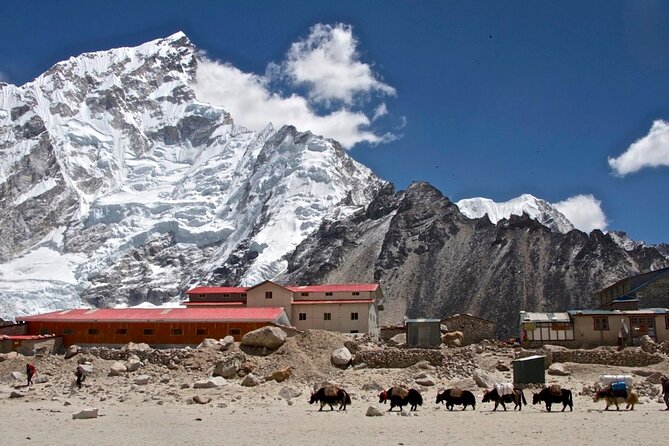
Day 10 brings the long return feeling: trekking back toward Namche Bazaar. You’ll have heavy breakfast, and the day is described as long but easier because elevation drops as you go. Still, don’t treat “easier” as “rest.” On descents, your knees and ankles get the workout, and fatigue can sneak in if you move too fast.
The route goes along the same path back via Pan (as referenced in the itinerary notes) and returns to Namche. Day 11 then pushes you through the forests and back through remote villages, crossing bridges and streams, retracing toward Lukla via Monjo and Phakding.
One smart element here is the schedule’s focus on ending in Lukla for the flight out. The trek turns your last hiking days into a practical, well-paced return instead of a chaotic scramble.
Kathmandu wrap-up: your last day after the Lukla flight
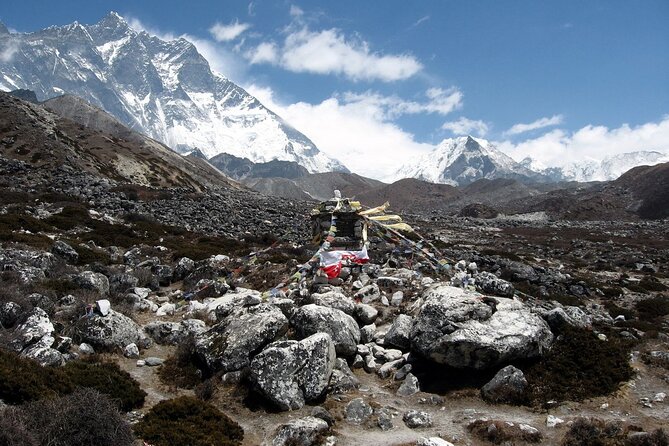
Day 12 is your final transition. You’ll fly back from Lukla to Kathmandu and drive to the hotel, and then the remaining day is free. This free time matters more than it sounds. After days of altitude living, Kathmandu gives you a chance to reset sleep, shower in comfort, and do normal errands without thinking about your next elevation gain.
Value and logistics: what’s included (and what you should plan to cover)
The headline price is $605 per person, and the value depends on what you don’t have to arrange yourself.
What you get included
- Domestic flights: Kathmandu–Lukla–Kathmandu
- Airport pickup and drop-off: by private/shared vehicle (domestic)
- Meals: three meals a day (breakfast, lunch, dinner) during the trek
- Lodge accommodation: best available twin-sharing rooms
- A licensed high-altitude guide: one highly experienced, helpful government licensed guide trained for altitude
- Porter support: one porter for every two trekkers
- Permits: Sagarmatha National Park entry permit and TIMS card fee
- Safety tools: first aid kit and an oximeter for pulse and oxygen saturation/heart rate checks at higher altitude
- Communication: walkie-talkie available for group trekkers
- Trek basics: a trekking map, trekking hat, duffel bag, and trekking pole
- A trip certificate after completion
What you still need to budget for
Personal trekking gear, snacks/drinks beyond included meals, and tips/gratuities for team members are not included. You’ll also want your own personal travel insurance, because the included insurance is for staff, not for you.
My take on value
If you compare the cost of piecing together flights, permits, guide fees, and three meals a day, this package looks like the “busy traveler” option in the best way. It removes a lot of uncertainty. You’re paying for coordination and on-the-ground support—especially useful if you’re going for the classic EBC route and want it handled.
Also, the group size cap of 20 travelers keeps it from feeling like a cattle call, while still allowing group tools like walkie-talkies.
The people factor: guides, pacing, and why names matter
One of the strongest themes in the operator’s reputation is the guide team. I’m a big believer in this on Everest routes because the right guide doesn’t just know the path. They know how to manage the pace, when to encourage, and when to rein it in.
Across past groups, guides listed include people like Rajesh Magar, Narayan Ntc, Gopal, and Bikram. The consistent message is competence plus encouragement, including adapting your pace to your hiking style. For example, there’s an approach described where a guide can recognize when a fast hiker still needs an early start to get the day right, and adjust the plan accordingly (like skipping the planned lunch spots if timing works better).
That’s the kind of leadership you want. The trek isn’t only about strength—it’s about timing and decision-making at altitude.
Who this trek suits best
This Everest Base Camp trek is a solid fit if you:
- want the classic route from Lukla to Everest Base Camp and the sunrise push to Kala Patthar
- like structured acclimatization days rather than “figure it out yourself”
- want meals and lodge basics handled
- are comfortable with moderate fitness requirements and early mornings
It may not be the best fit if you’re expecting a low-effort walk. This is still hiking every day for 12 days, at very high elevation. If you’re planning on moving at a slow pace, that’s fine. Just plan for the fact that “slow” in the Khumbu still feels like a workout.
Should you book this Everest Base Camp trek?
Book it if you want a classic EBC plan with meals, flights, permits, guide leadership, and safety tools already built in. The schedule has the altitude sanity checks where they matter: Namche and Dingboche, plus the big view days at Everest Base Camp and Kala Patthar.
Don’t book it if you want a truly casual hike or if altitude worries will push you into anxiety. You’re going to be far from sea level for long stretches. If you do book, commit to pacing, hydration, and listening to your body as you go.
If you’re choosing between “cheap and chaotic” vs “planned and supported,” this one leans toward the second choice—and that’s a big deal when the goal is Everest.
FAQ
Where does the trek start?
It starts with a meeting point at Tribhuvan Airport in Kathmandu, Nepal, and then you fly domestically to Lukla to begin the trek.
How long is the Everest Base Camp trek?
The duration is 12 days, approximately.
What altitude do you reach on this trek?
You trek up to Kalapatthar (5,545m) and to Everest Base Camp (5,364m).
Are flights included?
Yes. Domestic flights are included for Kathmandu to Lukla and back to Kathmandu.
Is airport pickup and drop-off included?
Yes. Airport pick-up and drop-off by private/shared vehicle is included for domestic travel.
Are meals included during the trek?
Yes. Three meals a day (breakfast, lunch, dinner) are included during the trek.
What accommodation style is included?
Lodge accommodation is included, with best available twin-sharing rooms during the trek.
Do you provide a guide and porter?
Yes. One highly experienced, government licensed and high-altitude trained guide is included, and porter support is included at a ratio of one porter for 2 trekkers.
What permits are included?
The Sagarmatha National Park entry permit and the TIMS card fee are included.
What if my plans change and I need to cancel?
You can cancel for a full refund up to 24 hours before the experience’s start time. If you cancel less than 24 hours in advance, the amount paid is not refunded.