REVIEW · KATHMANDU
Everest Base Camp Trek
Book on Viator →Operated by Shankar Pandey · Bookable on Viator
Everest starts with a scary little plane ride. The trek links Kathmandu to Lukla and then into the Khumbu heartland, mixing classic climbing viewpoints with real Sherpa culture and steady support from a top team. I especially love the way this itinerary builds in an acclimatization pause at Namche Bazaar, so you’re not just rushing uphill for photos.
You’ll also like the practical setup: a private group, pickup in Kathmandu, and lots of care for high-altitude comfort, including down jackets and down sleeping bags provided for the trek. One drawback to think about up front is that the trek requires good weather, and mountain flights can be disrupted, so you’ll want flexibility in your travel dates.
In This Review
- Key Highlights You’ll Feel From Day One
- Kathmandu to Lukla: Where Everest Becomes Real
- What to know before you go
- Phakding and Dudh Kosi Valley: The Trek’s First Real Rhythm
- A practical way to pace yourself
- Namche Bazaar Acclimatization Day: The Stop That Makes the Trip
- Potential drawback: you might feel fine… then still need the day
- Syangboche and the Higher Approach: Staying Comfortable at Altitude
- What to bring in your day pack
- Kala Patthar and Everest Base Camp: The View That Justifies Everything
- A balanced expectation
- Food, Water, and Tea-House Reality: What You’ll Actually Eat
- My advice for meal energy
- Gear and Training Setup: What’s Provided vs What You Must Bring
- Optional acclimatization support
- Guides, Sherpa Culture, and Team Support Above 5000m
- Sherpa culture isn’t just a slogan
- Price and Logistics: Does $1,350 Deliver Value?
- One more logistics reality
- Who Should Book This Everest Base Camp Trek
- Should You Book It?
- FAQ
- How long is the Everest Base Camp trek?
- What’s included in the $1,350 price?
- Are meals in Kathmandu included?
- Do I need to bring my own trekking equipment?
- Is travel and rescue insurance included?
- Is tea or coffee included during the trek?
Key Highlights You’ll Feel From Day One
- Scenic Lukla flights: A signature part of reaching Everest fast, with the reality of weather always in the background.
- Namche acclimatization day: A planned buffer to help you adjust before the higher pushes.
- Sherpa culture in daily life: You’ll see how the Khumbu community lives, cooks, and welcomes trekkers.
- Kala Patthar and Everest Base Camp payoff: Two big viewpoint moments that make the effort feel real.
- Experienced guide support above 5000m: People praise the team for helping when altitude gets tough.
- Porter-rights mindset: A 15kg/33 lbs maximum carry limit and an emphasis on fair treatment.
Kathmandu to Lukla: Where Everest Becomes Real
Most Everest Base Camp treks live or die on the logistics day, and this one treats that part seriously. You start from Kathmandu, with pickup offered, and then move to the flight jump that gets you into the Khumbu region quickly.
The Lukla flight is scenic in the best way: you’re dropping into a mountain-world that feels sharper and more immediate than anything on the Kathmandu streets. It’s also a reality check. Lukla weather can change fast, and even with a well-run plan, delays or rerouting can happen. If you’re the type who hates schedule stress, pack extra patience.
Once you land, the trek shifts from transportation to motion. The first walking segment reaches Phakding after about three hours. It’s not a grind; it’s the “wake up your legs” warm-up that keeps the day from feeling like you got dropped into a training camp.
You can also read our reviews of more tours and experiences in Kathmandu.
What to know before you go
You’ll want to treat altitude like a slow-moving problem, not a one-time event. That mindset matters later on, especially around Namche and on the way toward Kala Patthar.
Phakding and Dudh Kosi Valley: The Trek’s First Real Rhythm
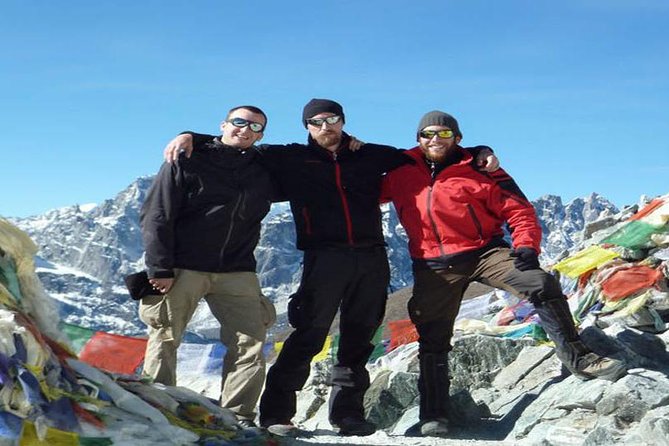
After Lukla, the route heads up and north toward the Dudh Kosi valley, then continues on to higher ground. This is where your pacing starts to set your entire trip. The goal is simple: keep your effort steady and don’t sprint just because the scenery is loud.
Phakding is a classic first stop because it’s a gentle entry point into the Khumbu trekking routine. From there, each step starts to feel more purposeful. You’re walking through a landscape shaped by valleys and rivers, and you’ll likely notice how the trails are more “trail community” than “wild solo hike.”
Then the climb turns you toward the bigger target: Namche Bazaar.
A practical way to pace yourself
Start slower than you think you can go. You’ll thank yourself later when the altitude stacks up and your body asks for a slower gear.
Namche Bazaar Acclimatization Day: The Stop That Makes the Trip
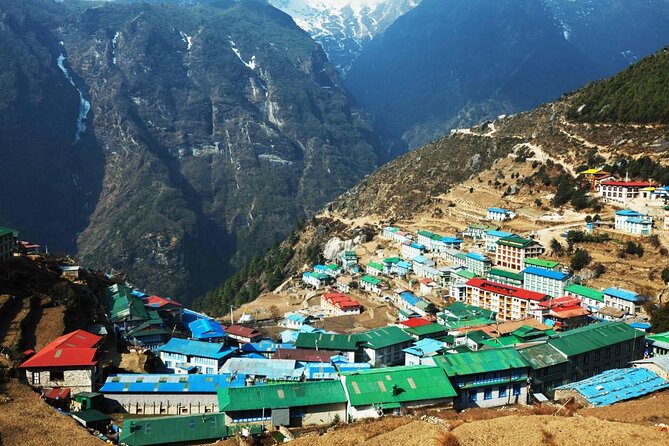
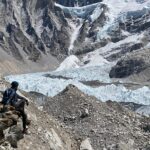
Namche Bazaar is more than a waypoint. It’s the acclimatization day that can save your trip from becoming a suffer-fest. You spend one day here to adjust before continuing higher, which is exactly what you want on an itinerary like this.
I like this structure because it’s honest. Everest isn’t just a distance problem—it’s an oxygen problem. A day in Namche lets you breathe, recover, and learn how your body handles the elevation before you push into the higher viewing and base camp areas.
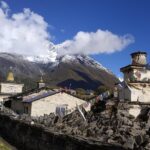
You also get a taste of Sherpa culture in a place that’s built around trekking. Expect tea-house life, local rhythms, and the kind of everyday help that makes the trek feel more human and less like a checklist.
Potential drawback: you might feel fine… then still need the day
Even if you feel strong in Namche, don’t treat the acclimatization day like free time to ignore your body. This is one of the places where a smart slowdown pays off later.
Syangboche and the Higher Approach: Staying Comfortable at Altitude
After Namche, the trek continues toward Syangboche Airport, a key high-altitude area on this route. This part of the journey is where temperature and air pressure start making themselves felt more clearly.
You’ll appreciate the gear support here. Adventure Magic Treks provides down jackets and down sleeping bags, which matters when nights turn cold and mornings feel sharper. It’s not just comfort—it’s better sleep and better recovery, which affects how you handle the next day.
This stretch also tends to be emotionally different. You’re going farther from the “easy access” world and closer to the zone where every uphill feels like work. That’s where having a guide team that can manage pace and route choices becomes more important than chasing speed.
What to bring in your day pack
Keep your essentials close: warm layers, water, a head torch with extra batteries, sunscreen, and basic first-aid items. The trek setup uses a day backpack plus the rest of your kit carried by a porter, so you don’t want to keep digging into a duffel at the worst moment.
Kala Patthar and Everest Base Camp: The View That Justifies Everything
Kala Patthar and Everest Base Camp are the payoff moments. Kala Patthar is often the day’s big viewpoint target, and getting there is part of the reason this trek has a reputation for life-bucket-list energy.
You’ll reach Everest Base Camp after working your way through the higher approach. The base camp area is the moment you feel the whole Everest machine: mountains on every side, trekkers everywhere (depending on season), and a sense that you’ve arrived at something bigger than a trail.
This is also where comfort gear and planning matter. Cold air, wind, and fatigue can hit hard. If you’re prepared, the day becomes about the views and less about weather wrestling.
A balanced expectation
It’s a dream viewpoint, but it’s not a walk in the park. You should treat the day as a long effort with cold breaks, not as a quick sightseeing stop. Pace carefully and let the team guide you when you feel slowed down.
Food, Water, and Tea-House Reality: What You’ll Actually Eat
This trek includes breakfast, lunch, and dinner on the trail. The food you’ll get is typically tea-house style—warm, practical fuel for trekking days. In the field, people talk about warm and comfortable tea-house stays and food that helps you recover between walking segments.
One item to plan around: tea and coffee during the trek are not included, so decide if you want that habit covered in your budget. Also note that phone calls, laundry, hot shower access, battery recharging, and bar spending are personal expenses.
For water, you’re given a clear direction through the packing guidance: bring water bottles and use purification tablets. The recommended options include Pristine, Biox Aqua, or Aqua Mira, and the whole point is simple: protect your gut so you can keep trekking.
My advice for meal energy
You’ll walk better if you eat consistently instead of waiting for a dramatic hunger moment. If altitude reduces appetite, go for small, frequent calories rather than forcing heavy meals.
Gear and Training Setup: What’s Provided vs What You Must Bring
The trek has a thoughtful gear philosophy: you shouldn’t lug everything on your back, and you should arrive ready for cold and rough weather.
Adventure Magic Treks provides down jackets and down sleeping bags. That’s a big value piece because it reduces the gear burden and keeps you warmer without stuffing your suitcase with bulky items.
You still need your basics, including:
- Walking boots and wool/liner socks (plus layers for cold)
- Waterproof jacket and trousers
- Fleece options and thermals/base layers
- Gloves, warm mittens, hat, sunglasses, and a head torch with spare batteries
- A sleeping bag is still listed for personal use, but the trip provides down sleeping bags, so follow the operator’s guidance for how they want you to pack
- Two water bottles and water purification tablets
- Trekking poles (recommended)
They also note an equipment carry limit: maximum 15kg/33 pounds for the porter load, with porter rights treated as a serious part of the operation. That matters for ethics and also for your own logistics.
Optional acclimatization support
Diamox is listed as optional in the equipment guidance. If you’re considering it, talk to your doctor before you go.
Guides, Sherpa Culture, and Team Support Above 5000m
This is where the trip seems to earn its strongest praise. People consistently highlight the guide team’s support and how they help when things get difficult above 5000m.
You’ll see familiar guide names tied to the experience, including Shankar Pandey (the provider), plus guides like Krishna and Shajan. Other guides mentioned include Ngathe Sherpa and Gelu Sherpa. The theme across names is the same: they keep the trek moving, watch your well-being, and adjust to the group’s needs.
One reason this matters is simple: Everest-area trekking isn’t just about your legs. It’s about pacing, warmth, hydration, and decision-making when weather shifts. A good team also helps you navigate tough moments when appetite drops or energy dips.
Sherpa culture isn’t just a slogan
Because you’re moving through the Khumbu community day after day—tea houses, villages like Namche—you’re not only looking at culture from a distance. You experience it in the everyday way: how people welcome you, how the trekking economy works, and how local expertise shapes the route.
Price and Logistics: Does $1,350 Deliver Value?
At $1,350 per person for about 14 days, the real question is what you get for that money and what you still pay out of pocket.
Here’s what this price covers based on the provided details:
- Breakfast, lunch, and dinner while trekking
- Scenic flight to and from Lukla
- Pickup offered and a private group setup
- Down jackets and down sleeping bags
- A clothing and equipment list to help you pack correctly
- An admission ticket listed as free
- Mobile ticket
What costs extra:
- Meals in Kathmandu (lunch and dinner in Kathmandu not included)
- Your personal trekking equipment
- Travel and rescue insurance
- Tea and coffee during the trek
- Tips for driver, guides, and porters
- Personal expenses like laundry, hot showers, and battery recharging
To me, the value looks strongest if you want a guided, well-run plan that handles the hard parts (route structure, altitude pacing, and cold-weather support gear). If you already own all proper gear, don’t mind arranging Kathmandu meals yourself, and have travel insurance, your “extra spending” load is pretty predictable.
One more logistics reality
This trip depends on good weather. If conditions disrupt flights, the operator states that you’ll be offered a different date or a full refund if canceled due to poor weather. In rough weather, delays and rerouting can happen in practice, so you’ll travel with a bit of flexibility built in.
Who Should Book This Everest Base Camp Trek
This trek fits best if you want:
- A moderate fitness level (and you’re willing to walk daily)
- A guided experience with support when altitude makes things harder
- A private group, not a big mixed crowd
- Down gear provided so you’re not hauling extra bulk
It may be less ideal if you’re strictly schedule-bound or you hate the idea of mountain-flight variability.
Also, the trekking plan includes a day backpack concept and porter-carrying for the rest. If you like keeping your daily load controlled, you’ll likely find this approach comfortable.
Should You Book It?
Yes, if you want a classic Everest Base Camp route with smart pacing—especially the Namche acclimatization—plus strong guide support and cold-weather help. The $1,350 price feels fair when you factor in meals on the trail, Lukla flights, and the down gear included.
I’d say skip or rethink if you don’t have the fitness basics for long days, or if you can’t tolerate weather-driven schedule uncertainty. For many people, the best part of this trek is that it treats safety and comfort as part of the package, not an afterthought.
FAQ
How long is the Everest Base Camp trek?
The trek is listed as about 14 days, with about 15 days of trekking.
What’s included in the $1,350 price?
It includes breakfast, lunch, and dinner on the trek, plus the scenic flight to and from Lukla, pickup offered, and down jackets and down sleeping bags.
Are meals in Kathmandu included?
Lunch and dinner in Kathmandu are not included.
Do I need to bring my own trekking equipment?
Personal trekking equipment is not included, so you should bring your own gear based on the provided Himalayas clothing and equipment list.
Is travel and rescue insurance included?
No. Travel and rescue insurance is not included.
Is tea or coffee included during the trek?
Tea and coffee during the trek are not included.