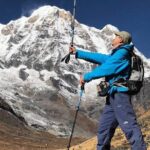
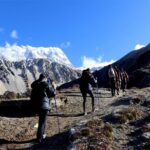
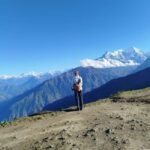
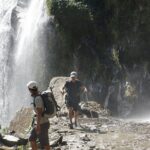
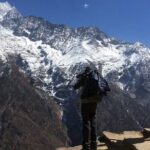
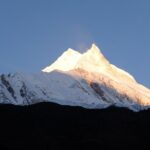
Langtang Valley on a short schedule feels surprisingly satisfying. This trek is built for active travelers who want big Himalayan views and Tamang culture without the kind of high-altitude suffering that takes over your whole trip. I really like the small-group feel (max 15) and the hands-on support from a licensed trekking guide and porters, with some groups led by guides like Ram Krisna.
I also like the practical gear setup: you can borrow a down jacket and sleeping bag for the trek, plus a duffel bag on request. That means less stress packing your own winter gear and more money you can spend on getting your legs ready (good boots, socks, and snacks).
One consideration: you’ll hike about 6–7 hours a day on basic trails, and you’ll sleep in mountain lodges with simple conditions. It’s not extreme altitude, but it’s still real walking, with days where you’ll feel it in your calves and lungs.
In This Review
- Key takeaways
- Why Langtang Valley works if you’re short on time
- Small group size and guide/porter support you’ll actually feel
- The daily rhythm: 6–7 hours of walking, teahouse nights, basic comfort
- What you get in Kathmandu (and what you don’t)
- Gear borrowing: lighter packing, real warmth, and one big reminder
- Trekking culture: Tamang life and Himalayan views without the altitude trap
- Price and value: what $700 really covers (and where you’ll spend more)
- Who should book this Langtang Valley Trek (and who should pause)
- A few smart planning tips before you go
- Should you book this trek or not?
- FAQ
- FAQ
- How long is the Langtang Valley Trek?
- How many nights are you sleeping in teahouses during the trek?
- What meals are included?
- What’s the group size?
- Do I get help carrying my gear?
- Are down jackets and sleeping bags provided?
- How do you get from Kathmandu to the trek start area?
- Is altitude a big issue on this route?
- Is pickup in Kathmandu included?
- What’s the minimum number of people to book?
Key takeaways
- Max 15 people means more personal attention and easier pacing with your guide and porters.
- Down jacket and sleeping bag are available to borrow (and returned after the trek), which helps keep packing lighter.
- 7 teahouse nights plus most meals are included, so you’re not constantly budgeting day to day.
- Licensed English-speaking guide + porter support uses a 2 trekkers : 1 porter ratio to keep loads reasonable.
- Low-altitude focus: the route avoids going too high, and the trek head is reached by a short drive from Kathmandu.
Why Langtang Valley works if you’re short on time
Langtang Valley is one of those routes that gives you a lot of payoff without demanding a long vacation. Over about 8 days, you get a week of trekking days plus travel into the trail area, and the program is clearly designed for travelers who want the Himalayan experience but can’t spare weeks.
The main selling point is the relative ease of altitude. The route doesn’t push you too high, which helps you spend your energy on hiking and enjoying what you’re seeing, instead of constantly thinking about acclimatization. And because the trek start is a short drive from Kathmandu (not an entire expedition just to reach the first trail), you save time right where it matters.
You can also read our reviews of more tours and experiences in Kathmandu.
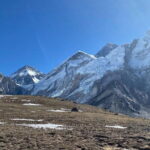
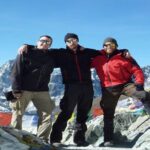
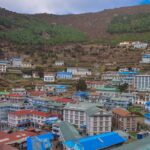
Small group size and guide/porter support you’ll actually feel
The max group size of 15 changes how the trek feels day to day. With fewer people, it’s easier for your guide to watch your pacing, answer questions, and adjust when someone’s having a rough moment. It also keeps logistics calmer—like when you’re trying to coordinate meals, schedules, and gear during that early-morning rush.
You also go with a licensed English-speaking trekking guide and porters. The ratio is practical: 2 trekkers share 1 porter. That means you aren’t carrying everything, especially not heavier items like extra layers for cold nights or day-to-day essentials. In past groups, guides such as Ram Krisna and Lochan Gurung have been noted for being cheerful, caring, and supportive, which matches the kind of vibe that makes a trek feel safe and manageable.
Here’s the key: the porters don’t just carry loads. They help make the trek work like a real plan. When you’re tired, having the support to keep moving (and keep the experience from turning into a solo endurance test) is a big value.
The daily rhythm: 6–7 hours of walking, teahouse nights, basic comfort
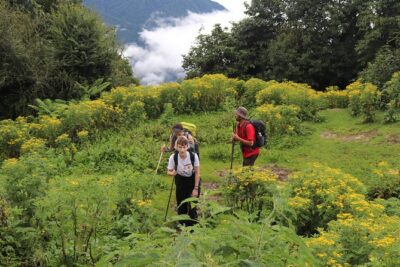
Plan on hiking around 6–7 hours each day. That’s long enough to build confidence and momentum, but short enough that you can still enjoy the culture and scenery instead of just surviving the day. You’ll be moving through valleys and mountain communities where everyday life and work show up along the trail.
Your nights are in teahouses / mountain lodges with basic accommodation. That’s normal for this kind of trek, and it’s exactly what keeps the experience authentic—and keeps costs realistic. Expect simple rooms and common dining areas rather than hotel-style comfort. The good part is that your meals are taken care of according to the trek plan, so you can focus on what matters: walking, resting, and staying warm.
The meals included during the trek are breakfast, lunch, and dinner (with lunch and dinner in Kathmandu not included). In practice, that means you’re not constantly hunting for food choices while you’re tired and dehydrated from the trail. It’s one less thing to manage.
What you get in Kathmandu (and what you don’t)
You’ll start in Kathmandu and use a local bus connection for part of the transfer: Kathmandu → Syaprubesi → Kathmandu. Pickup is offered, and the tour notes that the meeting area is near public transportation, which is helpful if you’re coordinating your own Kathmandu days.
What’s not included: accommodation in Kathmandu and meals like lunch and dinner in Kathmandu. So you’ll want to budget for those if you arrive a day early or don’t want to rely on convenience meals right after a travel day.
Also, this is a trek where timing matters. Since your trek gears and schedule are planned around the walking days, Kathmandu meals and rest days become more about recovery than exploring restaurants for hours. It’s fine—just plan smart so you don’t burn energy right before the hike.
Gear borrowing: lighter packing, real warmth, and one big reminder
One of the more practical perks is the ability to borrow winter gear. During the trek, you can use down jackets and sleeping bags. The program also states that a sleeping bag, down jacket, and duffel bag are provided upon request, and they must be returned after the trek.
This matters because it changes how you pack. If you’ve ever tried to haul cold-weather gear halfway around the world, you know the pain: bulky items, extra baggage fees, and gear that ends up unused later. Borrowing gear keeps you lighter and reduces the risk of bringing the wrong warmth level.
Still, don’t treat it as total hands-free. You’ll need to bring personal trek equipment, and the tour doesn’t list your full packing kit for you. Use the borrowed gear as your thermal base, then pack your hiking essentials carefully (good socks, layers you can wear while walking, and items you’ll want daily). If you arrive unprepared, your trekking days can feel harder than they need to.
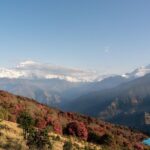
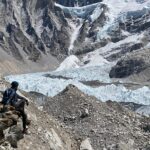
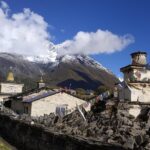
Trekking culture: Tamang life and Himalayan views without the altitude trap
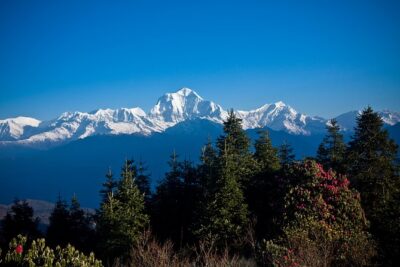
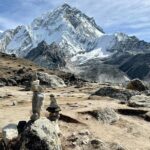
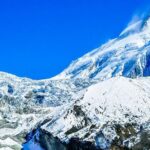
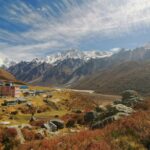
This is a route built around more than just walking. You’ll explore Tamang culture, learn about high-mountain lifestyles, and pass through communities that keep life tied to the seasons. The trek also includes time in regions where you might see yaks grazing in Himalayan meadows, which is exactly the kind of ordinary-but-stunning detail that makes these valleys feel alive.
The balance here is important: you get culture and mountain views while the program avoids the highest-altitude extremes found on tougher treks. For many people, that’s what makes Langtang a better “time-efficient” choice than longer, higher routes.
As you hike, keep an eye on how daily life shapes the trail. People live here year-round, and the teahouse system works because communities provide food, warmth, and basic beds for trekkers moving through. That’s part of the authenticity—you’re not just doing a scenic hike, you’re participating in a local rhythm.
Price and value: what $700 really covers (and where you’ll spend more)
The price is $700 per person for an approximately 8-day trek. On paper, that might sound like a fixed number. In real terms, the value comes from what’s bundled.
Included items that meaningfully affect your budget:
- 7 nights in basic teahouse accommodation during trekking
- Most meals during the trek (breakfast, lunch, dinner)
- Licensed English-speaking guide and porter support (2 trekkers : 1 porter)
- National Park fees and TIMS fees
- Gear borrowing for down warmth (jacket and sleeping bag), plus duffel bag on request
- Local transfer: Kathmandu ↔ Syaprubesi by local bus
- Taxes, fees, and handling charges
Not included, so you should plan ahead:
- Lunch and dinner in Kathmandu
- Accommodation in Kathmandu
- Personal insurance (including emergency/medical and rescue costs)
- Emergency evacuation expenses
- Personal trek equipment
- Personal nature costs like drinks, laundry, and phone bills
- Tipping for field staff
So here’s how I’d judge value: you’re paying for someone else to handle the heavy lifting—permits, guide logistics, porter coordination, and the teahouse schedule. If you’d otherwise be trying to self-organize the trekking plan, this price feels more like “buying peace of mind” than just paying for walking.
If you’re someone who wants an easier planning process and a supportive team, this trek is priced in a way that matches the experience. If you already have gear sorted and you’re determined to organize everything solo, the value might feel less obvious—because you’ll be paying for organization and labor you could technically handle yourself.
Who should book this Langtang Valley Trek (and who should pause)
This trek suits you if:
- you want a shorter, calmer altitude profile
- you can hike 6–7 hours daily and have a moderate fitness level
- you like small-group travel with a guide who can answer questions and manage pacing
- you’d rather borrow cold-weather gear than buy or rent it at home
You might pause if:
- you expect hotel-level comfort every night (teahouses are basic)
- you don’t have hiking stamina for long walking days
- you want guaranteed private guide service for just your group (the program is small-group, not private in the details provided)
A few smart planning tips before you go
Even with guided support, you still control how comfortable the trek feels.
1) Wear layers for temperature swings
Mountain days can warm up, then nights cool fast. Bring hiking layers you can adjust, even if you’ll borrow a down jacket for sleeping and cold periods.
2) Treat the first days gently
The hike schedule is steady, but your body adapts. Don’t sprint at the start. Your guide and porters will help with pacing, but you’ll still feel better if you go out “easy” rather than “hero mode.”
3) Plan hydration and snacks
Meals are included during trekking, but you’ll still want water and trail snacks you trust. If your stomach is picky, pack what works for you.
4) Budget for the extras
Kathmandu meals, personal items, and tips aren’t covered. Add a little buffer so you’re not scrambling for money on the road.
Should you book this trek or not?
I think this Langtang Valley Trek is a great booking when you want a high-reward Himalayan experience with a manageable altitude plan and real support. The combination of max 15 small-group structure, licensed guide + porter ratio, and down gear borrowing makes it feel like a well-built package for active travelers.
Book it if you’re excited to hike daily, you can handle basic teahouse conditions, and you like having logistics handled. Consider another option if you need luxury comfort or you’re unsure you can manage long walking days. If you do book, do one thing that pays off immediately: prepare your legs and your layering system so the trek feels like a journey, not a punishment.
FAQ
FAQ
How long is the Langtang Valley Trek?
It’s listed as 8 days approximately.
How many nights are you sleeping in teahouses during the trek?
You get 7 nights of basic teahouse accommodation during the trekking portion.
What meals are included?
During the trek, meals include breakfast, lunch, and dinner. Lunch and dinner in Kathmandu are not included.
What’s the group size?
The tour has a maximum of 15 travelers and is described as a small-group experience.
Do I get help carrying my gear?
Yes. The trek includes a licensed English-speaking trekking guide and porter, with a stated ratio of 2 trekkers to 1 porter.
Are down jackets and sleeping bags provided?
Yes. Down jackets and sleeping bags can be borrowed during the trek. A sleeping bag and down jacket are provided upon request and must be returned after the trek.
How do you get from Kathmandu to the trek start area?
You travel by local bus: Kathmandu to Syaprubesi and back.
Is altitude a big issue on this route?
The trek is described as relatively easy in altitude, because the route doesn’t go too high.
Is pickup in Kathmandu included?
Pickup is offered.
What’s the minimum number of people to book?
A minimum of 2 people per booking is required.