REVIEW · KATHMANDU
Manaslu Circuit Trek (15 Days)
Book on Viator →Operated by Sole Encounters Adventures · Bookable on Viator
Manaslu Circuit Trek turns the volume down. You get dramatic mountain scenery and Tibetan-influenced villages without the heavy crowds you’ll see on Nepal’s big-name routes. I like how the operator builds the trek around practical logistics, from permit handling to safety briefings, so you spend less time guessing and more time walking.
What really clicked for me is the human side: local, government-licensed leadership (with guides and support staff arranged for group attention) plus porters using a clear 2-to-1 ratio. The main drawback to plan for is the effort and timing: the trek includes a demanding high-pass day that starts before dawn, and your comfort depends on training, sleep, and how well you handle altitude.
In This Review
- Key things that make this trek work (and feel worth it)
- Why the Manaslu Circuit feels quieter than Nepal’s headline treks
- Price and logistics: what $1,657.50 really buys you
- Permits, permits, permits: how the trek starts in Kathmandu
- Day by day: what the walking days actually feel like
- Days 1–2: Kathmandu to permit-ready mode
- Days 3–5: Machha Khola to Jagat to Deng (river valley walking)
- Days 6–7: Namrung and Lihi (Gurung villages and Tibetan flavor)
- Days 8–10: Shyala views, Samagaun acclimatization, Samdo transition
- Days 11–12: Dharamsala and the Larke Pass day
- Days 13–14: Dharapani descent and the ride back to Kathmandu
- Day 15: final Kathmandu hours in Thamel
- Teahouses, meals, water, and charging: expect simple comfort
- Guides, porters, and safety culture you can feel on the trail
- Who should book this trek, and who should rethink it
- Should you book the Manaslu Circuit Trek with Sole Encounters Adventures?
- FAQ
- FAQ
- What’s included in the Manaslu Circuit Trek package?
- What’s not included (and what should I budget for)?
- Do I need my passport for permits?
- How big is the group?
- Is travel insurance required for this trek?
- Where does the trek start and end?
- Can I cancel and get a full refund?
Key things that make this trek work (and feel worth it)
- Small group size (max 15) helps the experience stay calmer on the trail.
- Permit-focused start in Kathmandu means less permit chaos later.
- Support staffing (assistant guide per 5 trekkers, porter ratio 2:1) keeps the trek moving safely.
- Teahouse days, not lodge luxury: you get real village stays with practical, simple comfort.
- High-pass planning includes an acclimatization rhythm before the toughest day.
Why the Manaslu Circuit feels quieter than Nepal’s headline treks
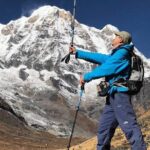
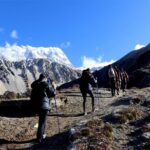
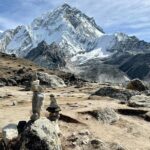
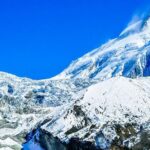
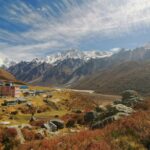
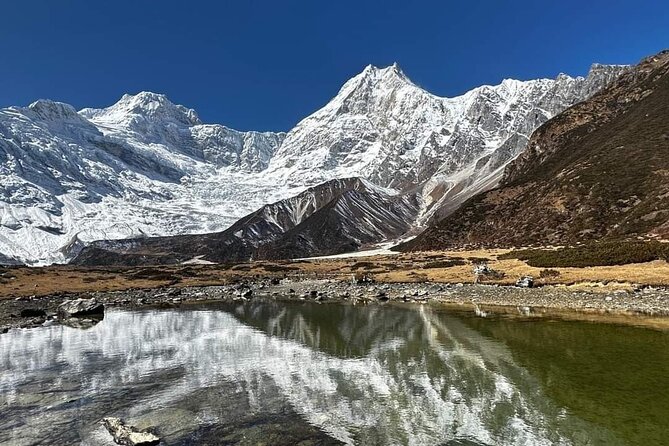
If you want Nepal with fewer crowds, the Manaslu Circuit is built for you. This route threads through the Budhi Gandaki region and Nubri Valley, with long stretches where the mountains feel close and the trail feels remote. You’ll still meet people in teahouses and villages, but the vibe stays more local and less hectic.
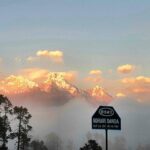
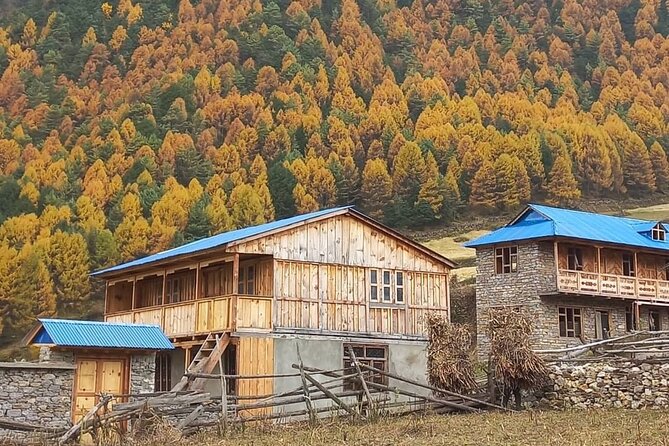
Culturally, you’ll notice the Tibetan influence in stone houses, mani walls, and the way villages sit beneath the high peaks. Places like Namrung, Shyala, and Samagaun aren’t just photo stops. They’re living communities where the mountains shape daily life, from herding rhythms to how prayer walls mark the trail.
One more thing I appreciate: the eco-tourism approach isn’t just a slogan. The trek uses local teahouses and aims to reduce waste, which matters on a route that depends on small communities staying healthy and economically supported.
You can also read our reviews of more tours and experiences in Kathmandu.
Price and logistics: what $1,657.50 really buys you
The stated price is $1,657.50 per person for a 15-day trek with a 3-star hotel in Kathmandu plus standard teahouse stays on trail. In a trek like this, value comes from what’s organized: guides, porters, permits, and transportation. If you try to piece this together yourself, you’ll often spend time (and money) hunting down parts that have to match tightly—especially permits and high-altitude safety coverage.
What’s included covers the big-ticket operational pieces:
- Kathmandu hotel with breakfast
- Teahouse accommodation during the trek
- Private transport for airport arrival/departure and key long transfers
- A government-licensed first-aid trained trek guide, plus porter support (2 trekkers to 1 porter)
- Assistant guide per 5 trekkers
- Permits for the Manaslu Conservation Area, Annapurna Conservation Area, and the Special Restricted Area
- Insurance coverage for the trek crew (guides/porters)
What you should budget separately:
- International airfare
- Nepal visa fee (listed as USD 30 per person)
- Travel insurance for you (must cover accidental/medical and helicopter evacuation up to 5200 m)
- Trek meals (meals during the trek are not included)
- Drinking water (not included; you’re advised to bring a filter or purification tablets)
- Tips/gratuities (not mandatory, but expected)
- Hot showers, battery charging, and Wi‑Fi (usually extra)
So yes, $1,657.50 is a chunk of change. But in trek-country terms, the price makes sense when your planning time, permit coordination, and safety staffing are handled for you—and when you’re not paying ad-hoc guide and porter rates.
Permits, permits, permits: how the trek starts in Kathmandu
Kathmandu is where the whole circuit gets real. You land at Tribhuvan International Airport, meet team representatives, and get transferred to a hotel in Thamel. Thamel is convenient for getting organized: you’ll be near public transport, gear shops, and places to eat before the trek turns into village life.
Then comes permit day. You’ll spend time in Kathmandu Valley waiting for your Manaslu permits to be issued. The operator collects your physical passport and two passport-sized photos—because Nepal immigration needs original documents for permit processing. If you’ve ever worried about “paperwork on the road,” this part is handled in advance, which reduces stress later.
Practical tip: keep your passport-safe mindset during the permit process. You’re giving originals for a reason, and it’s also a good reminder to bring any extra document copies you might need for your own peace of mind.
Day by day: what the walking days actually feel like
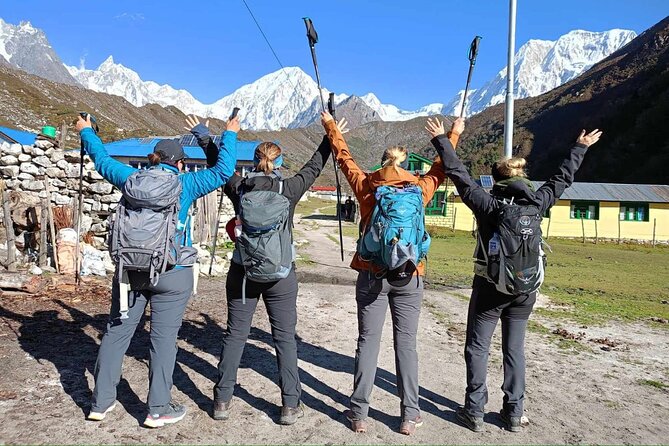
This circuit is 15 days, and the route builds up in a smart rhythm: river valleys first, then villages, then alpine terrain, then the pass day, then descent and recovery.
Days 1–2: Kathmandu to permit-ready mode
Day 1 is mostly arrival and resetting. After check-in, you’re free to wander Thamel, eat something solid, and keep your sleep normal. Day 2 is all about getting permits and confirming you’re ready to trek—passport and photo submission is part of the process.
A small but useful detail: the operator works with pre-trek communication and gear guidance. That matters because you’ll be living out of a backpack and using teahouses where comfort is simple.
Days 3–5: Machha Khola to Jagat to Deng (river valley walking)
Day 3 is a long scenic drive from Kathmandu to Machha Khola. The terrain shifts fast: capital bustle down to foothills and river country. This first transfer is not “just travel.” It helps you start acclimating in the right direction—lower elevation, then gradually up.
Day 4 brings you onto the Budi Gandaki River trails. You pass Tatopani, a natural hot spring area near the riverbank. The plan doesn’t include soaking here during the trek, but it’s a nice marker that you’re in real river-country Nepal. You’ll also move through places like Dobhan, where river confluences create dramatic gorges and tight-trail feelings.
By Day 4 you reach Jagat, and Day 5 continues to Deng. The walking distance for Deng is listed around 18 km and typically 7–8 hours, with significant ascent. Expect a mix of narrow paths and forest stretches, plus village life and subtropical greenery that makes the early trek days feel less harsh than what comes later.
Days 6–7: Namrung and Lihi (Gurung villages and Tibetan flavor)
Day 6 pushes you toward Namrung. You’ll trek through mixed pine and rhododendron forest and pass small settlements like Bihi and Rana. The description specifically notes Tibetan-influenced stone houses and village layouts, and once you start seeing mani walls and prayer marks, the cultural feel shifts from “just trekking” to “this is a living borderland.”
Day 7 focuses on Lihi after a mostly climbing day. You follow terraced fields, forest switchbacks, and yak pastures. The elevation rhythm here matters: it’s not a one-day “go hard and hope.” It’s steady, with enough descent and pacing to keep you in control.
Days 8–10: Shyala views, Samagaun acclimatization, Samdo transition
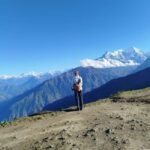
Day 8 is a highlight for views. Shyala sits at high altitude and gives strong sightlines toward peaks like Manaslu, Himalchuli, Peak 29, and Ngadi Chuli. The trail continues through pine and rhododendron forests and past mani walls. If you’re the type who likes to arrive with daylight, this is where you’ll want your eyes fully open.
From Shyala you continue toward Samagaun for the night. Day 8 walking is listed around 17 km, with gentle climbs and high-altitude terrain. Samagaun is also described as the largest village in the Nubri Valley, under Mt. Manaslu.
Day 9 adds an acclimatization hike: Pungyen Gompa, a ridgeline monastery with sweeping views. The roundtrip hike is listed at 3–4 hours. It’s a great model for acclimatization: work, then rest in a proper village setting.
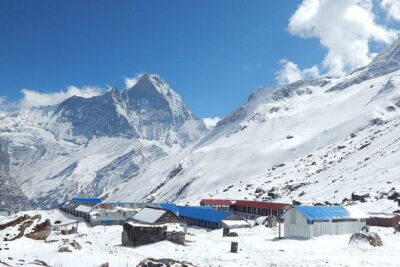
Day 10 brings you toward Samdo. The route includes a wooden bridge over the Budhi Gandaki River, then a climb through dry yak pastures and mani walls that signal you’re stepping deeper into the high Himal zone. This is where the environment starts to feel more alpine and less forested.
Days 11–12: Dharamsala and the Larke Pass day
Day 11 is shorter but crucial: Samdo to Dharamsala for acclimatization. The description notes it as a short hike before tackling Larke Pass. Expect rocky alpine terrain, sparse vegetation, and wide views that make it easy to forget how cold and tiring the ground can be underfoot.
Day 12 is the most demanding day. It starts before dawn from Dharamsala, with a steady uphill over rocky moraine and glacier-draped terrain. This is the day that separates “I can do this” from “I’m glad I trained.” If you plan for it like it’s hard—slow steps, no hero moves, steady breathing—it goes better.
It’s also the day where good guide leadership becomes obvious. When you’re tired and starting early, you don’t need speeches. You need pacing, safety checks, and a plan that respects altitude.
Days 13–14: Dharapani descent and the ride back to Kathmandu
Day 13 descends from Bimthang to Dharapani. The terrain changes again: alpine scrub gives way to dense pine, rhododendron, and oak forests. You pass Yak Kharka, a seasonal grazing area where herders bring live stock during the grazing period. This day often feels like relief because you’re losing height, but you still need good footing and careful legs.
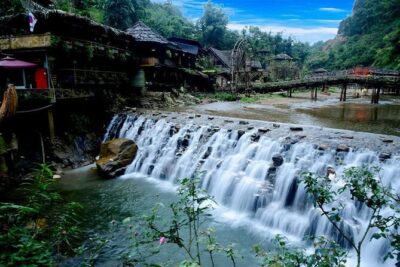
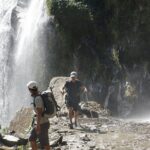
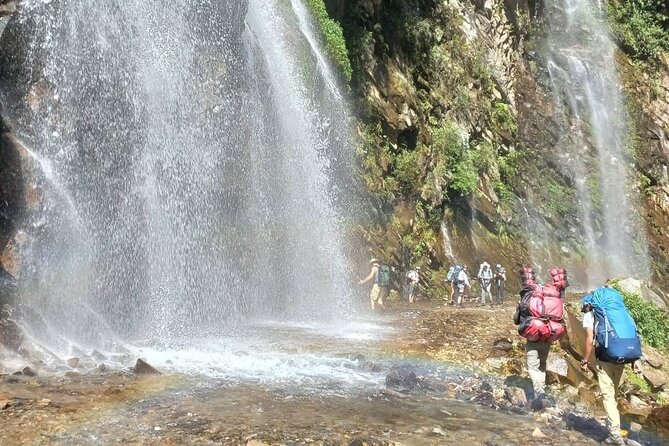
Day 14 is the return move. You take a shared jeep from Dharapani to Besisahar. Then you continue by road back toward Kathmandu. The drive is described as bumpy but scenic, passing Tal village and cascading waterfalls. You’ll be tired, but it’s a nice contrast after high-altitude walking.
Day 15: final Kathmandu hours in Thamel
On Day 15, you’re back in Kathmandu. Depending on your flight, you might get a bit of time around Thamel for souvenirs or a quiet café stop. It’s a simple ending that lets you land back in normal life without dragging it out with extra nights—though delays can happen in any travel plan.
Teahouses, meals, water, and charging: expect simple comfort
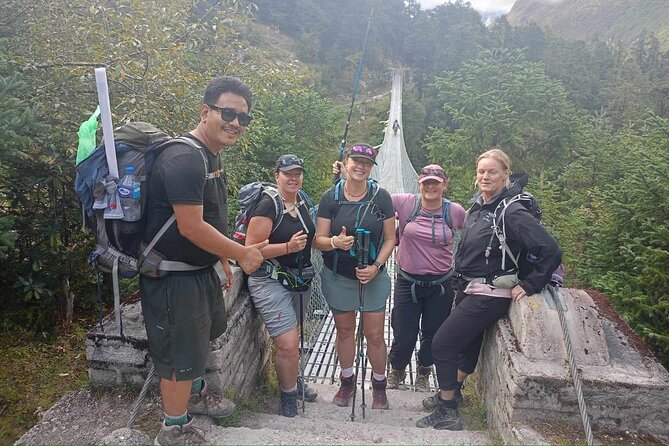
This is a teahouse trek, not a tent glamping holiday. You’ll sleep in standard teahouses during the trek. That usually means basic rooms, shared spaces, and practical meals for your energy level—often with limited choices and early bedtimes.
Meals during the trek are not included. So you’ll be making daily decisions about lunch and dinner. Budget for it, and don’t treat “not included” as a surprise bill—just as part of how teahouse trekking works.
Drinking water isn’t included either. The guidance is clear: bring a filter bottle or purification tablets. That’s a big deal on a route where water availability can vary by altitude and season.
Hot showers, battery charging, and Wi‑Fi are available for an extra fee at most teahouses. Plan for “charge when you can,” not “charge whenever you want.”
Guides, porters, and safety culture you can feel on the trail
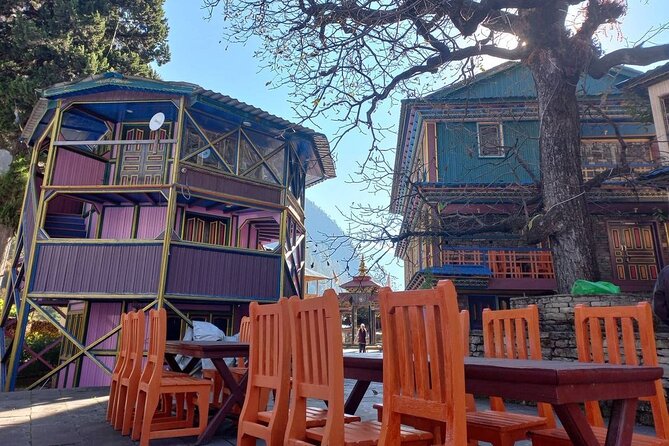
One of the strongest points here is how staffing is set up. You get a professional, government-licensed guide who is first-aid trained. You’ll also have porters carrying overnight bags with a 2 trekkers to 1 porter ratio, and you’ll have an assistant guide per 5 trekkers for extra safety, support, and personal attention.
In real terms, that means less chaos. The group doesn’t have to fight over small logistics. It also means fewer people get left behind if a pace issue starts showing up.
Guide names mentioned across past departures include Raj Rai and Tshering, plus support staff like Ishwor Rai and Pemba Sherpa. Also, the operations team in Kathmandu-side coordination has been described with names like Prashant and Prem. The common thread: pre-arrival information is provided clearly, and the team stays attentive once you’re on the ground.
If you’re nervous about high-altitude travel, this structure helps. You’re not soloing a pass day with guesswork.
Who should book this trek, and who should rethink it
This trek is best for hikers with moderate physical fitness who want a challenging high-pass walk without the biggest-crowd crush. The route includes a demanding day starting before dawn, plus long walking days (often 6–8 hours). If your training includes steady hikes with elevation gain, you’ll have a much better time.
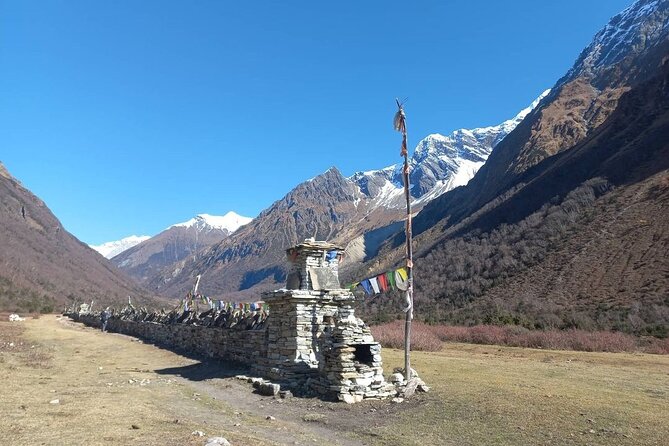
It’s also a strong fit if you like culture that’s tied to place. You’ll pass through Gurung villages and Tibetan-influenced communities, and you’ll see religious markers like mani walls up close.
Who should think twice? If you’re not comfortable with cold starts, altitude risk, and rough roads, then you might prefer a lower-elevation trek. Also, remember that trek meals and water aren’t included—so you need to be comfortable managing those daily basics.
Should you book the Manaslu Circuit Trek with Sole Encounters Adventures?
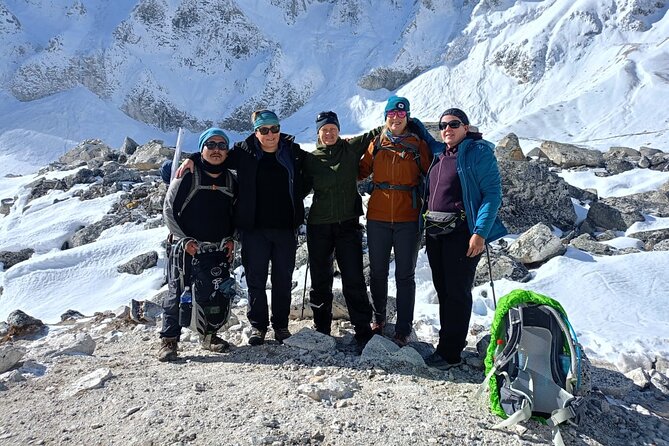
If you want a remote Manaslu Circuit experience with careful support and a realistic teahouse plan, I’d say it’s a good booking choice. The permit handling, the small max group size, and the structured guide/assistant/porter staffing add up to real value—especially on a route where the pass day doesn’t forgive mistakes.
Book it if:
- you’re ready for a tough day that starts before dawn,
- you can handle altitude responsibly (including travel insurance for helicopter evacuation up to 5200 m),
- and you don’t need luxury meals or hot showers every day.
Skip it or plan differently if:
- you’re hoping for all meals, water, and charging included,
- you want a super-comfy, low-effort trek,
- or you’re not ready to budget time for the Kathmandu permit process.
FAQ
FAQ
What’s included in the Manaslu Circuit Trek package?
The package includes government fees/permits, a 3-star hotel in Kathmandu with breakfast, teahouse accommodation during the trek, airport and key transfers by private transportation, a shared jeep from Dharapani to Besisahar, a government-licensed first-aid trained trek guide, porters with a 2 trekkers to 1 porter ratio, and an assistant guide per 5 trekkers. It also includes insurance coverage for the trek crew, and it lists two breakfasts and two dinners.
What’s not included (and what should I budget for)?
Not included are international airfare, the Nepal visa fee (listed as USD 30 per person), travel insurance (including helicopter evacuation coverage up to 5200 m), personal trekking gear, gratuities, hot showers/battery charging/Wi‑Fi (extra fee at many teahouses), unforeseen expenses due to delays or emergencies, meals during the trek, and drinking water (recommended to filter or purify).
Do I need my passport for permits?
Yes. Upon arrival, the operator requires your original physical passport, plus two passport-sized photos, because the permits need to be issued through Nepal’s immigration department.
How big is the group?
The trek has a maximum of 15 travelers.
Is travel insurance required for this trek?
Yes. Travel insurance is not included in the package, and you must have coverage for accidental and medical needs, including helicopter evacuation up to 5200 m in altitude.
Where does the trek start and end?
It starts in Thamel, Kathmandu 44600, Nepal, and it ends back at the same meeting point.
Can I cancel and get a full refund?
Yes. Free cancellation is available up to 24 hours in advance for a full refund, based on the experience’s local time. If you cancel less than 24 hours before the start time, the amount paid is not refunded.