REVIEW · CASABLANCA
8-Day Morocco Adventure: Imperial Cities & Sahara Desert Trek
Book on Viator →Operated by Morocco First Gate · Bookable on Viator
Blue cities meet big Sahara skies. This 8-day Morocco adventure links the imperial highlights with real time with local guides and a proper Sahara desert night. I love how the route mixes imperial cities (Rabat, Fez, Meknes, Marrakech) with off-the-beaten-path stops in between, not just a “drive-by photo list.”
My second favorite part is the desert camp setup: a camel ride into Erg Chebbi dunes, then tea, dinner, and a night under the stars with a social vibe around a fire. One consideration: monument entrances and extra meals (lunches and most dinners) are not included, so plan a bit of extra cash on top of the $825 price.
In This Review
- Key things that make this route worth your time
- Casablanca to Marrakech: a Morocco route with real variety
- Rabat and Chefchaouen: capital Morocco meets blue Rif streets
- Volubilis ruins and Meknes royal stops before Fez
- Fez medina with a local guide: tanneries, spice piles, and craft work
- Atlas roads to Merzouga: cedar forests, Ifrane, and the approach to dunes
- Erg Chebbi camel ride and private desert camp under stars
- Todra Gorge and Dades Gorge: canyon walks after fossil-country drives
- Ait Ben Haddou UNESCO and the Tichka Pass into Marrakech
- Marrakech guided tour: Jemaa el-Fna, souks, Koutoubia, and garden breaks
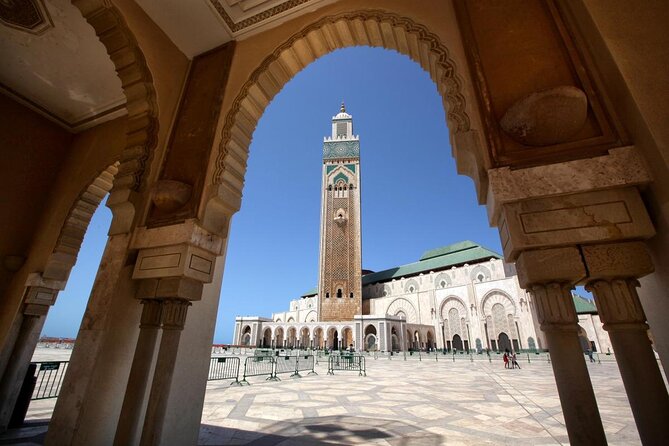
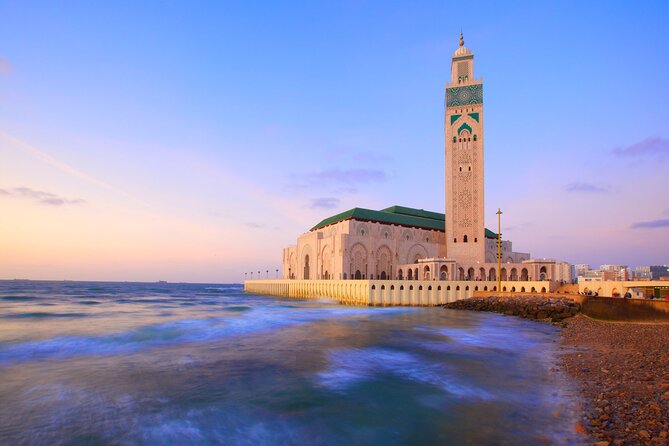
- Hassan II Mosque in Casablanca to close your trip
- Price and logistics: what $825 covers (and what costs extra)
- Who should book this Morocco First Gate-style route?
- Tips that make the medinas and desert feel easier
- Should you book it?
- FAQ
- What cities does this tour include?
- How long is the tour?
- What’s included in the price?
- What is not included?
- Is this a private tour?
- Do I need good weather for the desert part?
- What’s the cancellation policy?
Key things that make this route worth your time
- Sahara time that’s actually long enough to ride camels, watch sunset, and sleep out in the dunes
- Guided Fez medina focus on tanneries, pottery, spice areas, and the mellah
- Roman Volubilis + Meknes royal sites before you even reach Fez
- Ait Ben Haddou UNESCO stop plus the scenic approach via kasbah country
- Private A/C transport and hotel stays that keep the day-to-day stress low
Casablanca to Marrakech: a Morocco route with real variety
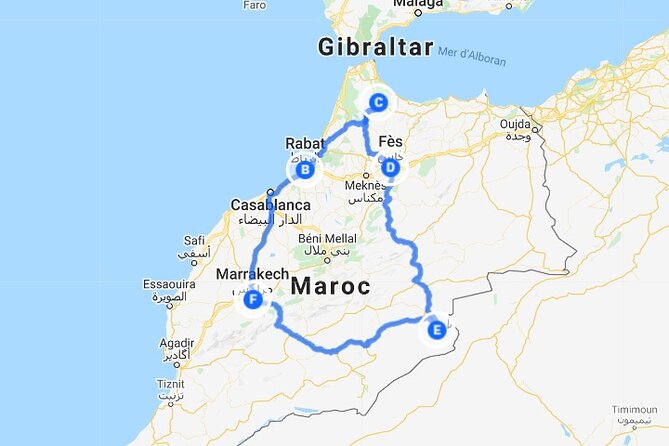
This itinerary is built for people who want Morocco’s “greatest hits” but also enjoy the in-between parts. You’ll move from sea-level city life to mountain roads, then into canyon scenery and finally the desert. The best part is pacing by geography: each change of scenery feels earned, not random.
It’s also designed around guides when it counts—especially in places where you’d lose time (and context) without one. That matters in Fez, where street layout alone can eat up a day if you’re wandering without a plan.
You can also read our reviews of more tours and experiences in Casablanca.
Rabat and Chefchaouen: capital Morocco meets blue Rif streets
You start with Rabat, Morocco’s capital. Even with a short visit, it gives you a sense of how different Morocco feels outside the famous tourist bubbles. Expect a quick taste of the city’s identity, then a long scenic drive into the Rif Mountains toward Chefchaouen.
Chefchaouen is famous for a reason. The blue streets aren’t just a backdrop; the town’s shape in the Rif makes it feel intimate. You’ll get a couple hours to walk, look, and orient yourself before the itinerary moves on.
Practical note: with a day like this, keep your “must-see photo spots” to a tight list. When you’re doing multiple big cities in one day, you want small wins, not a stressful sprint.
Volubilis ruins and Meknes royal stops before Fez
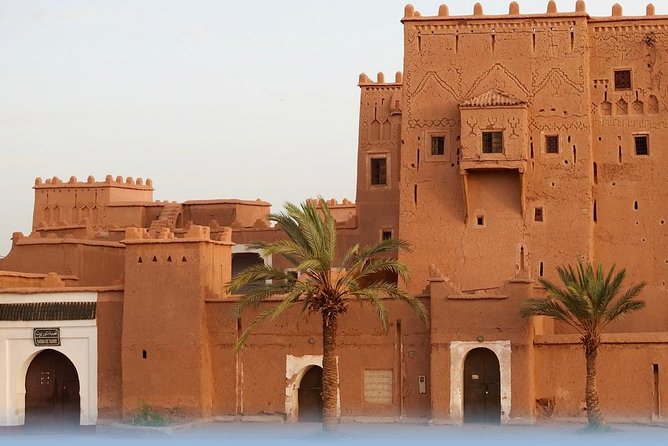
On the way toward Fez, you hit Volubilis, the Roman ruins. This is one of those stops that turns Morocco into a layered story: you see Roman-era stonework, then you’re back to Moroccan towns and traditions not long after. It’s a great breather after city driving.
After Volubilis, the route continues through Meknes, with time to visit major highlights like Bab el Mansour and Moulay Ismail’s shrine. Meknes brings a different imperial feel than Fez and Marrakech. Instead of marketplaces first, it leans more toward royal architecture and religious importance.
Then you head to Fes for dinner and an overnight at a riad—exactly the right setup because the next day is all about the medina.
Fez medina with a local guide: tanneries, spice piles, and craft work
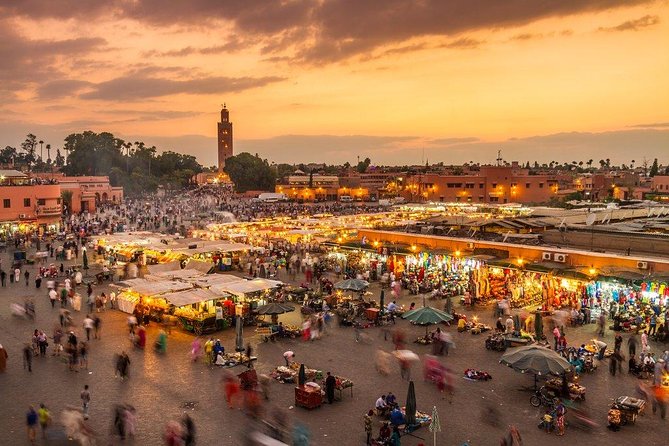
Fes is where you’ll feel the power of a guiding strategy. The medina here is one of the world’s largest walled-in old cities, and the streets are not designed for your sense of direction. With a guide, you get more than stops—you get order.
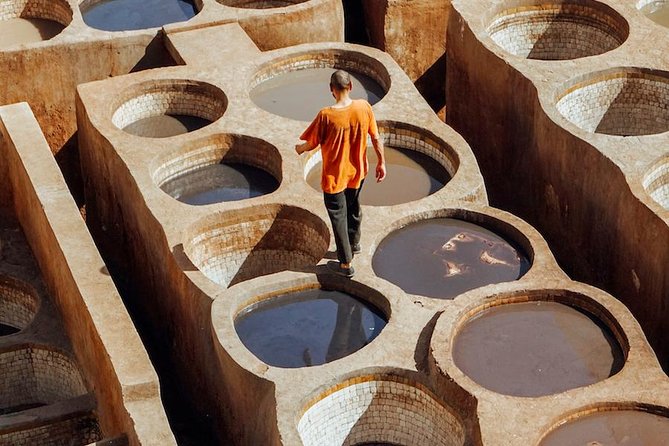
In Fez, your guided walk is focused on the parts visitors usually miss or misunderstand. You’ll move through areas tied to daily life: fresh fruit sellers, spice mounds, woven Berber carpets, and craft work you can actually see being made. You also get specific time for places like:
- the Kings Palace area (from the itinerary’s guided focus)
- the tanneries
- potters’ workshops
Lunch is built into the day with a traditional restaurant located in the medina. That’s a real value, because finding good food in the labyrinth is easier with local logistics.
If you’re thinking about comfort: wear shoes you trust. Medinas aren’t about fashion; they’re about footwork.
Atlas roads to Merzouga: cedar forests, Ifrane, and the approach to dunes
From Fez toward the desert area, the route travels through the Middle Atlas. You’ll pass Ifrane, known as a ski resort town, and Azrou, a craft center famous for cedar wood work. This is the kind of drive segment you usually skip on fast tours—but here, it matters because it transitions you gradually from cities to wilderness.
You also go through Atlas Mountains and cedar forests, then reach Midelt for lunch. After that, the route continues on toward Erfoud and the desert region.
This “approach day” is useful even if you’ve seen photos of Morocco’s dunes. The real advantage is timing: you arrive to Erg Chebbi with enough energy to enjoy sunset and camp life, not just suffer through the last hours of travel.
Erg Chebbi camel ride and private desert camp under stars
The core desert moment is Erg Chebbi, with a camel ride timed for views that change quickly. Once you reach the dunes, a short off-road transfer brings you to the camel starting point. Your luggage is handled too: it’s loaded and moved to camp by a 4×4 car.
Then it’s your turn—camels carry you over the sand dunes, with a Sahara sunset built into the sequence. When you reach camp, you’ll be welcomed with tea and then shown to comfortable private tents with en-suite bathrooms and showers. That detail is important for comfort. Desert nights feel easier when you’re not trying to improvise with basic facilities.
Dinner follows, and the camp atmosphere includes a fire and musical performances by the staff and cameleers under the night sky. Even if you’re not a “camp singalong” person, that energy helps the desert feel social and alive, not like a long, silent wait.
Quick reality check: this part of Morocco is remote, so pack for the desert weather swings—warm layers can be your best friend at night.
Todra Gorge and Dades Gorge: canyon walks after fossil-country drives
After the desert, you’ll wake up for sunrise pictures and breakfast in the camp. Then you move back toward the road, either on camels or via 4×4, leaving the dunes behind.
Next comes Erfoud, known for fossils. Even if you’re not buying anything, it’s a fun stop because it adds another “why this place is special” layer before you hit the gorges.
You drive through palm groves and areas that feel desert-like, stop for lunch, then walk in Todra Gorge. Todra is one of Morocco’s best-known canyon visits, and a short walk here helps you understand why this terrain shaped old travel routes.
From there, the itinerary continues to Dades Gorge for dinner and an overnight hotel. Dades is more about the scale and the valley feel—less about one dramatic single point, more about the sense of being inside a canyon world.
Ait Ben Haddou UNESCO and the Tichka Pass into Marrakech
The route pushes from gorges into kasbah country. You’ll continue along the Dades Valley, passing through places like El Kelaa Magona, which is known as the Valley of the Roses. Then it’s the road of a thousand kasbahs feel—lots of fortified silhouettes as you drive.
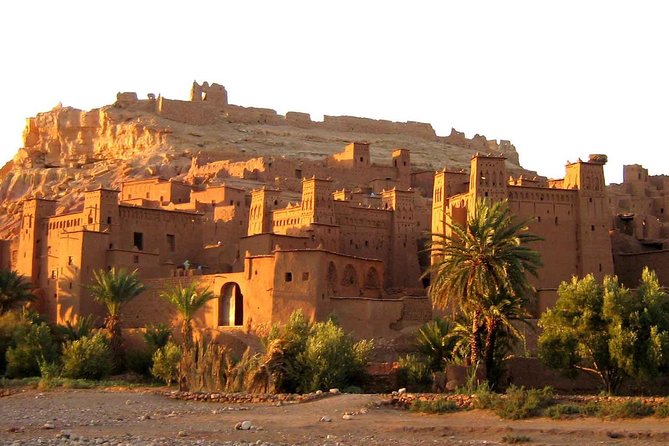
A planned stop includes Ouarzazate, followed by lunch near Ait Ben Haddou. Then you get real time at the UNESCO protected site of Ait Ben Haddou, the famous medieval kasbah complex that has appeared in major film productions. The value here isn’t only the “famous place.” It’s that the site helps you connect the region’s architecture to the people who lived and protected trade routes through this terrain.
Finally, you drive via the Tichka Pass to arrive in Marrakech. That day can feel like a lot of driving, but the payoff is arriving in Marrakech at a time when you can still enjoy the city instead of only looking at it from a bus window.
Marrakech guided tour: Jemaa el-Fna, souks, Koutoubia, and garden breaks
Marrakech can be overwhelming if you arrive with no structure. Here, you get a guided city tour hitting the core sights—starting around the Jemaa el Fna square, then time at the Koutoubia Mosque, and walkthroughs through the souks and palace or museum areas listed in the route.
You also get city sections beyond the main tourist core, including Gueliz, plus time at the Menara Garden and Marjol Garden. That garden break is smart. It gives you somewhere to slow down and cool off before the evening energy kicks in.
One more practical point: entrances are not included, so if you want a specific palace, museum, or garden paid entry, you’ll need to budget for it.
Hassan II Mosque in Casablanca to close your trip
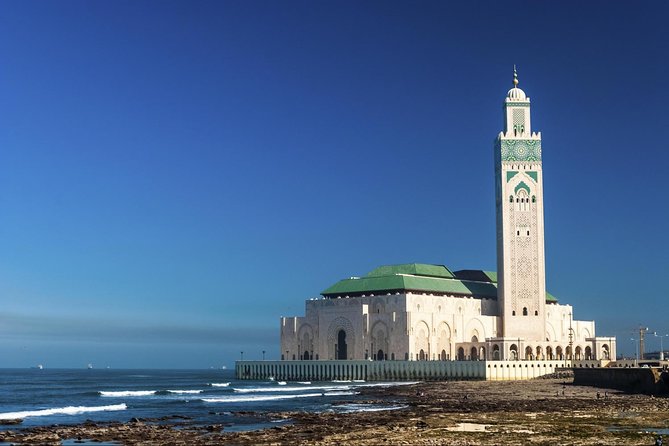
To wrap up, you head back to Casablanca and visit Hassan II Mosque. The itinerary also includes time for the corniche, so you end with sea air and a sense of Morocco’s modern coastal side.
Then it’s back to your hotel for rest. After gorges and desert drives, a final “get settled” day can feel like a reward.
Price and logistics: what $825 covers (and what costs extra)
The price listed is $825 per person, and it includes several things that reduce your trip friction:
- Private A/C transportation and hotel stays
- Driver, fuel, and local taxes
- Camel ride (one camel each) and city guide support
- Breakfasts (7) and dinners (2)
That’s the value angle: you’re paying for logistics that would cost you time and mental energy to coordinate yourself—especially for the desert leg.
What you should budget separately:
- Lunches and most dinners (not included)
- Entrance fees for monuments and attractions
So the real total cost depends on what you choose to enter. If you’re the type who wants to go inside every major site, set aside more. If you’re happy with street-level sightseeing plus a few paid stops, the price remains strong.
Also check for day-to-day comfort expectations: it’s a private group trip, so the pacing is likely smoother than shared tours. Still, Morocco is long-distance travel. You’ll have plenty of time in the vehicle, and that’s part of the experience.
Who should book this Morocco First Gate-style route?
This tour fits best if you want:
- Imperial cities + desert in one organized run
- Guided time in the places that eat time without help (especially Fez)
- Desert comfort upgrades like private tents with en-suite bathrooms and showers
It may be less ideal if you hate driving days or you want a slower, café-focused trip with lots of free time. This route is packed by design. You’ll see a lot.
It also works for mixed ages. Past trip comments include families with kids around 11 to 14, and the variety helps keep different interests covered.
If you’re booking with a small group, you might also like the privacy factor—this is described as only your group participating.
Tips that make the medinas and desert feel easier
A few small choices help a lot:
- Wear shoes you can stand in for long medina walks.
- Bring cash for extra meals and for any monument entrances that come up.
- For the desert camp part, plan for tips in a way that feels respectful. If you’re getting photos and help from camel handlers, small gratitude goes a long way.
And if you want the trip to feel less “tour schedule,” build your own rhythm: one planned “must” per day, and then let the rest be wander time.
Should you book it?
Yes, if your goal is a high-impact Morocco route that covers Rabat, Chefchaouen, Fez, Merzouga dunes, Ait Ben Haddou, and Marrakech with organized transport and real guidance where it matters. The $825 price makes sense when you factor in private A/C transport, hotel stays, and the desert night experience with camel ride and camp facilities.
Hold off or rethink it if you’re trying to keep spending extremely tight, because entrance fees and many meals aren’t included. Also, if you dislike long drives, this is still a road-heavy itinerary.
If you’re okay trading a bit of speed for variety, this is a solid way to see Morocco without turning your vacation into a navigation project.
FAQ
What cities does this tour include?
It covers Rabat, Chefchaouen, Volubilis, Meknes, Fez, the Merzouga/Erg Chebbi area (Sahara desert), Todra Gorge, Dades Gorge, Ouarzazate, Ait Ben Haddou, Marrakech, and ends with Hassan II Mosque in Casablanca.
How long is the tour?
The overview says 8 days. Some route descriptions use 10 days, so it’s best to confirm the exact departure dates and day count with Morocco First Gate when you book.
What’s included in the price?
Private A/C transportation and hotels are included, along with the driver, fuel, and local taxes. You also get a city guide and a camel ride (one camel each), plus breakfast (7) and dinner (2).
What is not included?
Lunches and dinners are not included (except the dinners listed), and monument/attraction entrance fees are also not included.
Is this a private tour?
Yes. It’s described as private, and only your group participates.
Do I need good weather for the desert part?
Yes. The experience requires good weather. If it’s canceled due to poor weather, you’ll be offered a different date or a full refund.
What’s the cancellation policy?
Free cancellation is offered if you cancel up to 24 hours in advance for a full refund, based on local time cutoff rules.