REVIEW · KATHMANDU
Everest Base Camp Trek 14 Days
Book on Viator →Operated by Nepal Nirvana Trails · Bookable on Viator
Everest feels close here. This 14-day Everest Base Camp trek from Kathmandu mixes Lukla flights with acclimatization days so you can focus on breathing, walking, and the big views. You get an airport pickup in Kathmandu, a guide introduction, and a clear rhythm through Sherpa villages and classic Khumbu trails.
The possible downside is that this price doesn’t cover everything you’ll personally spend on the trail. Guest accommodation and food aren’t included, and you still need your own entry visa and travel/health insurance that covers emergency rescue or evacuation.
In This Review
- Key points to know before you go
- Why this Everest Base Camp plan makes sense in 14 days
- Kathmandu start: Thamel, pickups, and a guide intro that reduces stress
- The Lukla flight day: why Tenzing Hillary Airport changes the whole trek
- Namche Bazaar: crossing Dudh Koshi, entering Sagarmatha National Park, and getting your altitude rhythm
- Tengboche Gompa: forests, rhododendrons, and a culture pause with big mountain payoffs
- Dingboche and its altitude choices: optional hikes to 5083 m or 5546 m
- Toward Lobuche: uneven rocky paths and the glacier mood intensify
- Everest Base Camp day via Gorakshep: long walk, icefall views, and a moment you’ll remember
- Kalapatthar for maximum Everest: then down toward Pheriche and Namche
- Back to Lukla and the short hop to Kathmandu
- Price, value, and what’s actually included
- Your guide team and why private pacing helps on Everest routes
- Fitness and packing: how to prep for 16-hour-ish days and altitude
- Should you book this Everest Base Camp trek?
- FAQ
- How much is the Everest Base Camp trek for this 14-day itinerary?
- Where do I meet in Kathmandu, and when does the trek start?
- Are flights to Lukla included?
- What permits are included in the package?
- Is accommodation and food included for the trekkers?
- Can I cancel for a full refund?
Key points to know before you go
- Private trekking with your group only, so you set the pace with your guide
- Domestic flights to Lukla are included, flying into Tenzing Hillary Airport
- Built-in acclimatization, including an extra day in Namche and a second optional hike day in Dingboche
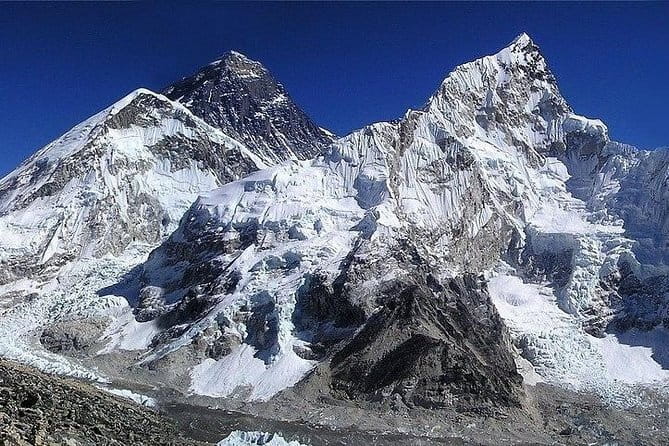
- Everest View Point, Tengboche Gompa, Kalapatthar, and Everest Base Camp all make the cut
- Major paperwork is handled, since TIMS and local permits are included
Why this Everest Base Camp plan makes sense in 14 days
Everest Base Camp is famous for a reason, but it’s also famous for the hard parts: altitude, long days, and logistics that can turn stressful if they’re sloppy. This trip is designed around the practical stuff that matters most to you—getting from place to place smoothly, timing your acclimatization, and staying organized when the mountain has its own schedule.
I like the structure. Day after day you move through the Khumbu route with the right “breathing room” built in. You don’t just climb straight up; you adjust in Namche Bazaar and again in Dingboche. That’s not just a comfort detail. It’s how you stay safer and feel better as you get higher.
And because it’s a private tour/activity, you’re not squeezed into a big mixed group where nobody matches your pace. Your guide can tailor the day to you—especially useful if you’re trying to move steadily without burning matches on the wrong hills.
That said, you should know the budget reality up front: the trek is priced, but your personal costs on the mountain (lodging and meals along the route) are not bundled into the tour price.
You can also read our reviews of more tours and experiences in Kathmandu.
Kathmandu start: Thamel, pickups, and a guide intro that reduces stress
Your journey begins in Kathmandu, starting at 5:45 am. The meeting point is flexible: you meet in your hotel or at Tribhuvan Airport, depending on where you’re arriving. That “someone is looking for you” feeling matters on arrival day, especially when jet lag hits.
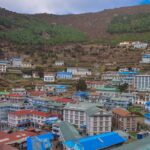
On day 1, you’re escorted from the airport to your hotel/hostel area in Thamel. In the evening you meet your guide, and there’s an equipment check. That check is more useful than it sounds. If something is missing—warm layers, boots, basic trekking essentials—you’re more likely to fix it before you’re already committed to the flight and the first hikes.
Then you get a real Kathmandu day buffer later too. On day 13, after the short flight back from Lukla, you have free time to stroll around Thamel and handle any last-minute shopping.
If you like a tour that handles the first friction points (arrival, guide intro, getting your feet under you), this format fits.
The Lukla flight day: why Tenzing Hillary Airport changes the whole trek
Day 2 is your jump-off moment. You take a thrilling flight to Tenzing Hillary Airport in Lukla. From there, you trek to Phakding for the night.
I love how this sets expectations. You’re not spending day after day grinding away low-altitude miles just to reach the real trekking country. You start in the Khumbu zone fast, then you earn the altitude gradually.
One key note: flights to Lukla are part of the included plan, but mountain weather is always a variable. This itinerary includes the local flight schedule in the package, and it’s the kind of operational detail you want handled—because rescheduling due to weather can quickly become a headache if it’s left to you.
Namche Bazaar: crossing Dudh Koshi, entering Sagarmatha National Park, and getting your altitude rhythm
Days 3 and 4 are where the trek starts teaching you “how high works.”
On day 3, you cross the Dudh Koshi river, pass through Monjo village, and walk into Sagarmatha National Park. The route runs through dense forests, then you end in Namche Bazaar.
Day 3’s long walking time matters because you’re not just moving; you’re building the habit of trekking at your own pace. If you tend to rush, Namche is where you’ll learn to slow down without feeling defeated.
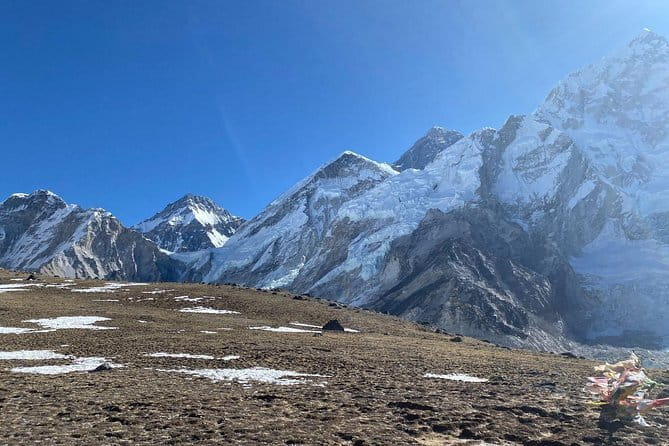
Then comes the acclimatization work on day 4. You stay in Namche and hike up to the Everest Hotel area for a high-reward view day. From there, you can take in the sightlines toward Mount Everest plus neighbors like Ama Dablam, Thamserku, and Lhotse.
This is a big deal for two reasons:
- You see Everest earlier than you might expect, which keeps motivation strong.
- You practice altitude pacing while you’re still close enough to return and adjust.
Tengboche Gompa: forests, rhododendrons, and a culture pause with big mountain payoffs
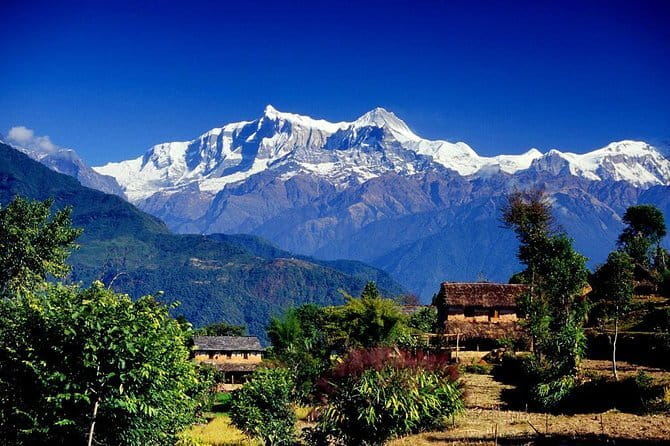
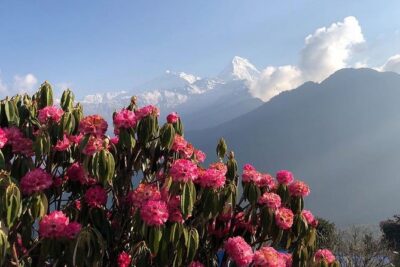
Day 5 continues the trek leaving Namche behind. The trail moves through juniper and rhododendron forests, and the mountain scenery keeps widening as you go.
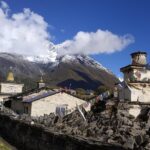
You reach Tengboche, where you visit the Tengboche Gompa. This isn’t a random stop. In the Khumbu, religious sites are also community anchors. When you pause at Tengboche, you’re not only seeing a building—you’re seeing part of how Sherpa life holds together under harsh conditions.
From a practical point of view, these culture stops are also good pacing tools. They give your legs a mental reset. And Tengboche often feels like a “threshold” village—after it, the scenery turns more stark and glacier-like, and you’re closer to the world of ice and high ridges.
Dingboche and its altitude choices: optional hikes to 5083 m or 5546 m
Days 6 and 7 focus on Dingboche, with a second acclimatization day that gives you options.
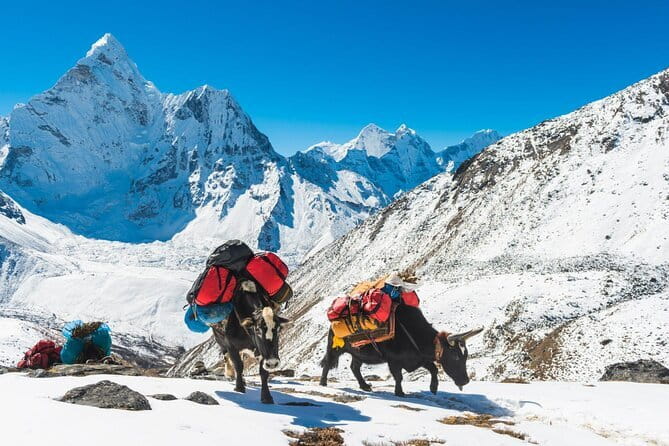
Day 6 takes you to Dingboche, crossing the Imja Khola and moving along trails with panoramas that highlight Island Peak and Ama Dablam. This is a classic “eyes up” day. You’ll get used to looking farther ahead rather than only watching your feet.
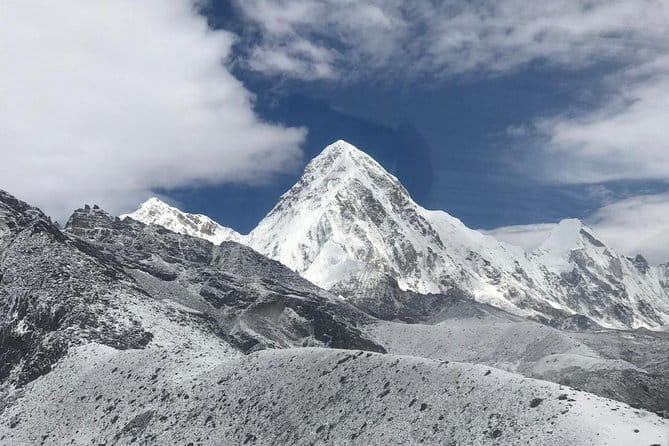
Then day 7 is your extra adjustment day. You can hike to Nangkartshang Peak (5083 m) or Chhukung Ri (5546 m), depending on how you feel. You’re also likely to see Everest, Ama Dablam, Island Peak, and Pumori from this area.
Here’s the practical advice: choose the hike option that matches your breathing that morning. The highest goal isn’t the point. The point is getting stronger without overcooking yourself before the Base Camp push.
This is one of my favorite parts of the itinerary. Too many treks treat acclimatization like filler. This one treats it like training, with real choices.
Toward Lobuche: uneven rocky paths and the glacier mood intensify
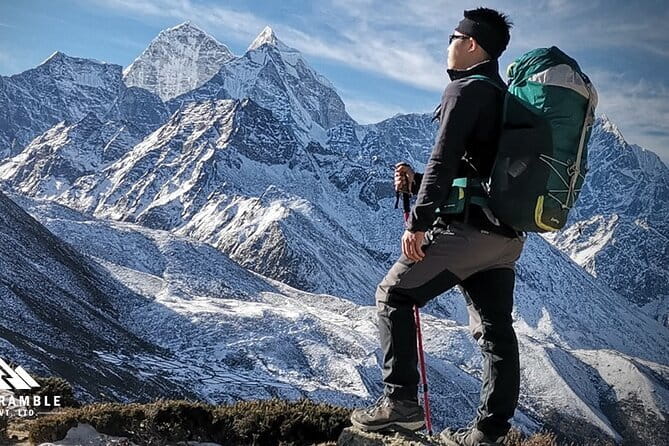
On day 8 you continue onward to Lobuche on uneven rocky terrain. The pace can feel different here. Your step needs more attention, and you’re less likely to just zone out and coast.
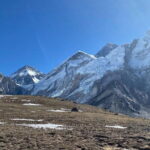
The views along the way are the payoff: you can see Mt. Pumori, Nuptse, and Lobuche Peak. Even if you’re tired, you’re hiking through a corridor of peaks that makes the effort feel real.
This is also your psychological bridge to the Everest Base Camp zone. By the time you reach Lobuche, you’re not just “on a trek.” You’re in the working area of glaciers and big ice formations. Your senses shift from forest trails to high-mountain reality.
Everest Base Camp day via Gorakshep: long walk, icefall views, and a moment you’ll remember
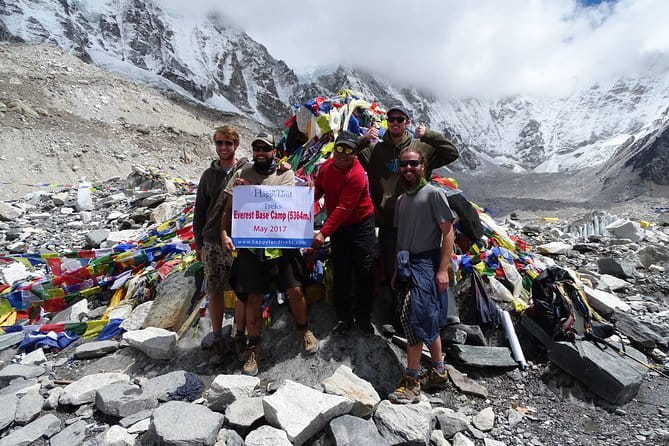
Day 9 is the big day. You hike a long route through the Khumbu Glacier to Everest Base Camp, then continue on to Gorakshep for the night.
The best detail from the plan is that you can view the Khumbu icefall from Everest Base Camp. That isn’t a “nice photo” extra. It’s the nature of this place made visible. Icefall isn’t a gentle glacier. It’s a living, shifting system.
This day is about endurance and focus. You’ll want to pace early and avoid the trap of sprinting for views. If you save your energy, you’ll enjoy more of the day instead of just trying to survive the last hour.
And when you return to Gorakshep after Base Camp, you’re not done with the Everest storyline. You’re positioning yourself for the next morning’s landmark viewpoint.
Kalapatthar for maximum Everest: then down toward Pheriche and Namche
Day 10 starts with a hike up to Kalapatthar for magnificent views of Mount Everest. This is the kind of viewpoint you dream about when you’re still back in Kathmandu deciding what to pack.
Then the day turns practical. You trek down toward Pheriche after Kalapatthar. The itinerary mentions pathways through forests, which is helpful: descending lets your body reset a little after a high-stakes day.
Day 11 brings you back to Namche Bazaar. You leave the mountains behind more than you did in prior days, crossing suspension bridges and passing through villages again. This segment often feels like the trek loosening its grip: still a long day, but you’re no longer climbing toward the most extreme zones.
If you’ve been thinking, How will I feel after Base Camp?, this is part of the answer. You’ll still work, but you’ll start to feel the shape of the finish line.
Back to Lukla and the short hop to Kathmandu
Day 12 returns you to Lukla, passing by Jorsale and Monjo before reaching Phakding again and continuing over bridges across the Dudh Koshi river.
This is a good day to celebrate the fact you know the route now. Even though your legs might feel it, your brain relaxes because you’re not wondering where you are.
Day 13 ends the trek with an early morning flight back to Kathmandu—about 35 minutes. After that, you’re free for the rest of the day. You can stroll through Thamel and pick up souvenirs, snacks, and whatever warm layers you forgot to pack the first time.
Day 14 wraps up with either an airport drop or an opportunity to extend your time in Nepal.
Price, value, and what’s actually included
The headline price is $999 per person for this 14-day Everest Base Camp trek, booked on average 46 days in advance. That pricing makes sense only when you understand what the package covers.
What you get included:
- Airport transfer services in Kathmandu (arrival and departure)
- Guide salary, guide food, equipment, and insurance as part of the trip cost
- TIMS and local permits (the trek bureaucracy)
- Flight tickets for Kathmandu/Manthali to Lukla and back
- Government taxes/VAT and official expenses
What you should budget separately:
- International flights
- Nepal entry visa
- Travel and health insurance that covers emergency rescues and evacuations
- Accommodation and food of guests for the entire trip
- Tips for the trek guide (expected)
Here’s how I’d translate that into real value for you: the tour price pays for the big structural parts—permits, guide, and the Lukla flight connection. It also reduces your chance of missing paperwork or scrambling for flights. But you still need to plan your daily spending on the mountain, plus the essentials like visa and rescue-ready insurance.
So if you’re the type who prefers predictable logistics and doesn’t want to juggle permits and flight booking on your own, this package format can feel like good value. If you want everything fully bundled end-to-end, you’ll need to compare carefully with other operators.
Your guide team and why private pacing helps on Everest routes
This trek is private, which matters more than it sounds. On a route like this, “same itinerary” doesn’t mean “same experience.” People differ in how fast they acclimatize, how they handle cold mornings, and how much they need to stop to catch breath.
The operator behind the scenes is Nepal Nirvana Trails, led by KP Dhital (you can also see KP’s team responding directly with detailed care in feedback). In that guidance ecosystem, guides like Raju, Roshan, Ram, and Abinash show up as examples of the kind of support you might receive—known for being warm, professional, and willing to tailor the trek to how you’re feeling.
You don’t need your guide to be a superhero. You need someone who helps you:
- keep a steady pace
- understand what each climb day is for
- handle the small adjustments that altitude demands
The itinerary itself is built for that. Acclimatization days give your guide room to guide instead of simply march.
Fitness and packing: how to prep for 16-hour-ish days and altitude
The trek lists moderate physical fitness as the baseline. That’s fair, but “moderate” doesn’t mean easy. You’ll have long walking days in the itinerary, with day segments listed around 16 hours on multiple days.
Your preparation should target two things:
- Endurance on foot (long hours, not just a quick hike)
- Control of breathing as elevation rises
Packing-wise, the itinerary includes an early equipment check after you meet your guide in Kathmandu. Use that as your cue to be honest. If your boots are new or uncomfortable, fix it before the Lukla flight.
Also remember: cold matters. The route goes from forested valley trekking to high-mountain ice and viewpoint days. Your clothing system should handle that swing.
Finally, bring a mindset shift. Your goal is not to “win Everest.” Your goal is to move steadily enough that you enjoy the scenery when it arrives.
Should you book this Everest Base Camp trek?
I’d book it if you want a clear, structured Everest Base Camp route with Lukla flights included, permits handled, and acclimatization built into the schedule. You’ll likely feel less stress because the big moving parts are already organized, and the private format helps you match the pace to your body.
I’d hesitate only if you dislike planning your own day-to-day costs on the trail (since guest accommodation and meals aren’t included), or if you haven’t sorted out visa and rescue-ready insurance yet. Those are the two biggest “gotchas” in the value math.
If you’re ready to train lightly, pack smart, and take acclimatization seriously, this is a solid way to do Everest Base Camp in 14 days.
FAQ
How much is the Everest Base Camp trek for this 14-day itinerary?
The price listed is $999.00 per person.
Where do I meet in Kathmandu, and when does the trek start?
The start time is 5:45 am, and the meeting point is in your hotel where you stay or at Tribhuvan Airport.
Are flights to Lukla included?
Yes. Flight tickets from Kathmandu or Manthali to Lukla, and from Lukla back to Kathmandu or Manthali, are included.
What permits are included in the package?
The package includes TIMS and all applicable national park and local permits.
Is accommodation and food included for the trekkers?
No. Accommodation and food of guests for the complete trip are not included.
Can I cancel for a full refund?
Yes. There is free cancellation, and you can cancel up to 24 hours in advance of the experience start time for a full refund.