REVIEW · KATHMANDU
15 Days Private Everest Base Camp Trek
Book on Viator →Operated by Nepal Social Treks and Expedition · Bookable on Viator
Everest starts with one shaky takeoff. This private 15-day Everest Base Camp trek blends the hardest part of the region (that famous Lukla flight) with smart acclimatization on the trail, plus big-mountain moments like Kala Patthar and the Khumbu Icefall. I like how the trip is set up with a professional trek leader and a tight mountain routine, so you’re not guessing what to do next.
Your main consideration is that the whole adventure depends on weather, especially around Lukla. Also, travel and medical insurance are not included, so make sure you’re covered before you go.
In This Review
- Key things that make this trek worth your time
- Kathmandu Valley: Thamel check-in, briefing, and getting your bearings
- The Lukla flight and the Cheplung-to-Phakding start (Days 2)
- Namche Bazaar acclimatization: Khumjung and the Everest View Hotel (Days 3–4)
- Tengboche monastery day: forests, prayer wheels, and wide Khumbu views (Day 5)
- Dingboche and the Nangkartshang peak practice (Days 6–7)
- Lobuche, Khumbu glacier terrain, and reaching Everest Base Camp (Days 8–10)
- The return loop: Tengboche and Namche with one purpose (Days 11–12)
- Descent to Lukla and Kathmandu recovery (Days 13–15)
- What $1,420 buys you, and what you still need to bring
- The guide and porter factor: names that keep showing up for a reason
- Should you book this Everest Base Camp trek?
- FAQ
- Is this Everest Base Camp trek private?
- How long is the trek?
- Are flights to Lukla included?
- What’s included for accommodation and transfers in Kathmandu?
- Are meals included during the trek?
- Do I get trekking porter support included?
- What trekking gear is provided?
- Is the visa and travel insurance included?
Key things that make this trek worth your time
- Lukla flight: a 40-minute hop that lands at one of the world’s most demanding airports
- Altitude planning built in: acclimatization days in Namche and Dingboche, not just “walk and hope”
- Kala Patthar sunrise morning: steep, rocky, early, with some of the best high-Everest views available
- Tengboche monastery stop: the Khumbu region’s largest Buddhist monastery plus wide mountain views
- Local expertise you can feel: guides and porters are repeatedly praised for care on the hard days
Kathmandu Valley: Thamel check-in, briefing, and getting your bearings
Day 1 is for settling in. You land at Tribhuvan International Airport, get help from the Nepal Social Treks team, and check into a 3-star hotel in Kathmandu. After a bit of rest, you’ll get a trek briefing and meet your guide and group before a welcome dinner.
This matters more than it sounds. Kathmandu traffic can drain you, and jet lag makes people forget basics like water, layers, and even what day it is. I like that the trip starts with a plan and a face you can ask questions to, before the mountains steal your phone signal.
Your free time in Thamel is useful too. It’s convenient for stocking up on small essentials like snacks, warm layers, or a backup power bank, without spending hours commuting.
You can also read our reviews of more tours and experiences in Kathmandu.
The Lukla flight and the Cheplung-to-Phakding start (Days 2)
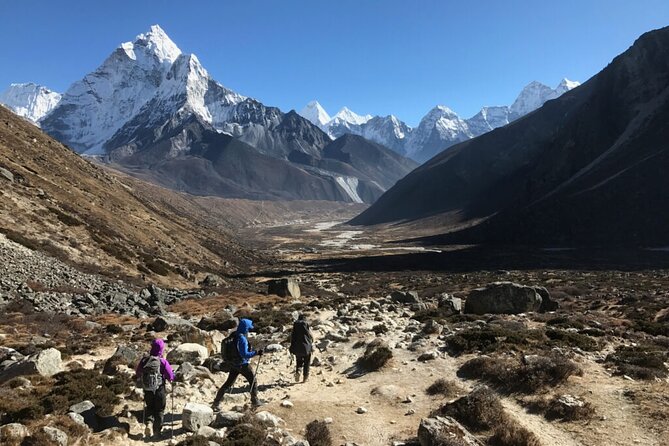
Day 2 begins early. You take a 40-minute domestic flight from Kathmandu to Lukla, described as one of the most extreme airports in the world. Once you land, local staff and porters meet you, and you start hiking on a relatively easy trail toward Cheplung village.
Cheplung gives you a spiritual start: it’s linked with a stupa for blessings for visitors heading into the Everest region. From there, you move along the Dudh Koshi River corridor toward Phakding, where you’ll sleep and enjoy dinner.
The practical win here is pacing. This first trekking day is your body’s “warm-up act,” letting you adjust to altitude and breathing without jumping straight into steep grades. Still, you’re hiking in Himalayan conditions, so keep your effort steady, not heroic.
Namche Bazaar acclimatization: Khumjung and the Everest View Hotel (Days 3–4)
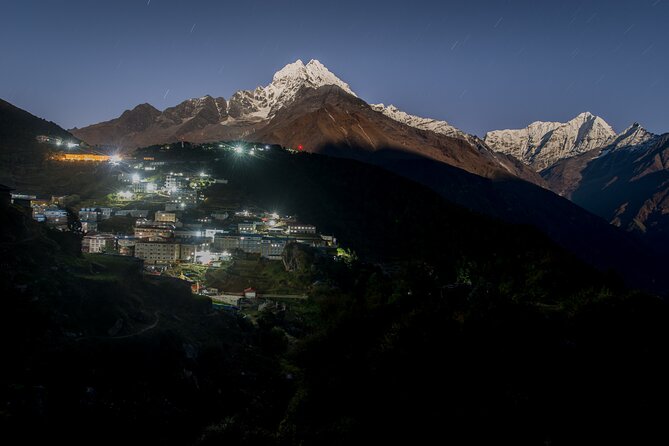
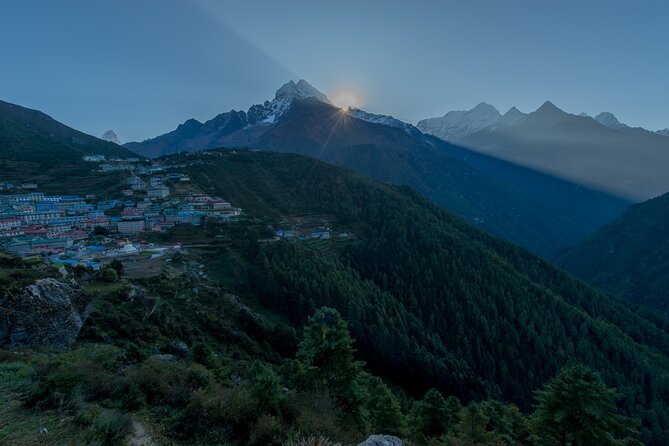
Day 3 climbs toward Namche Bazaar, often called the Sherpa capital. The route runs through pine forest and rustic Sherpa villages, with suspension bridges and frequent views of big peaks like Kusum Kanguru, Thamserku, Everest, and Nuptse. You also pass through Sagarmatha National Park, so you’re trekking inside a protected Himalayan zone.
You’ll reach Namche after walking through Jorsalle and along the Dudh Koshi. Namche is busy by day and quiet enough to help you rest after a long climb.
Day 4 is the key acclimatization day, and it’s not just “sit and suffer.” You hike to Khumjung, with a chance to see the village’s monastery and a school Sir Edmund Hillary built. Then you visit the Everest View Hotel, a high-altitude landmark known for panoramic views across multiple major peaks.
Two reasons I like this setup. First, Namche gives you a realistic altitude pause before you go higher. Second, the sightseeing here is actually useful: it motivates you and breaks up the day, while you keep your body adjusting.
Tengboche monastery day: forests, prayer wheels, and wide Khumbu views (Day 5)
On Day 5, the trek turns more serious. You leave the lower villages and work through dense forest, passing Phungithanga and heading uphill toward Tengboche. The trail includes a water-powered prayer wheel, a detail that feels small until you realize how these sounds and rituals move through daily life up here.
Tengboche is where you visit Khumbu’s largest Buddhist monastery. The views are a big part of the draw: you can look out toward Ama Dablam, Everest, Nuptse, and Lhotse.
The trade-off: this is a long, uphill day. You’ll want to move steadily, take short breaks, and keep a clear routine for hydration and breathing. If you rush, the air will punish you.
Dingboche and the Nangkartshang peak practice (Days 6–7)
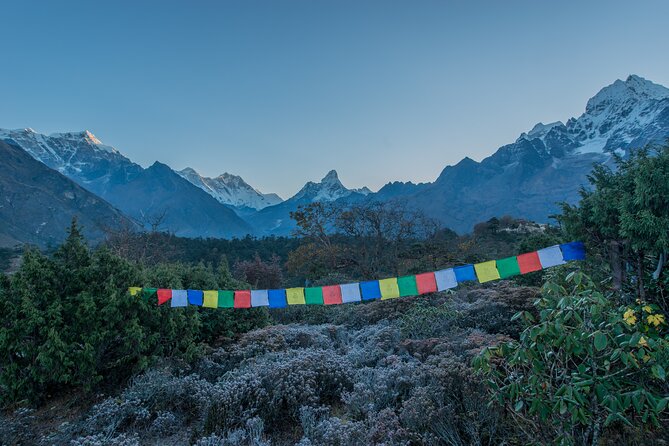
Day 6 heads toward Dingboche. The route takes you across a suspension bridge over the Dudh Koshi River and through smaller settlements marked by mani walls and chortens. You also pass varied trees like rhododendron, birch, and conifers, which helps break up the stone-and-snow feeling of higher elevations.
Dingboche is described as the highest Sherpa settlement in Khumbu, and it’s enclosed by stone walls. The views of Ama Dablam are right there, close enough to feel like a neighbor.
Day 7 is another crucial acclimatization day, with a planned climb to Nangkartshang Peak. You make a 400-meter ascent to reach the start of that steep route, with a summit around 5,083 meters. Expect a steep climb and a “save your legs” approach, because the payoff is big views over several 8000-meter giants.
I like that this part of the schedule is hands-on acclimatization. You’re not just resting at altitude; you’re testing your pace and your system, then coming down to sleep.
Lobuche, Khumbu glacier terrain, and reaching Everest Base Camp (Days 8–10)
Day 8 moves you toward Lobuche. You’ll climb gradually through the Pheriche valley area, spotting dramatic peaks like Ama Dablam, Taboche, and Cholatse. The day turns strenuous with steep sections over the Khumbu Glacier moraine. You cross Thukla Pass, where you’ll see prayer flags and stone shrines, then continue to Lobuche for an overnight stay.
Day 9 is the money day: Everest Base Camp. You travel from Lobuche to Gorak Shep over rough terrain, then drop backpacks and walk a rocky trail to Base Camp itself. Along the way you’ll pass glacial moraine and streams, and the views hit hard: Nuptse, Pumori, Khumbu Icefall, and Khumbutse come into focus. After time at Base Camp, you return to Gorak Shep.
This is a long day, so plan your energy like a strategist. Start slow. Save your legs for the walking at Gorak Shep to Base Camp, and don’t treat it as a sprint. Your reward is worth it, but your body needs a steady pace more than it needs speed.
Day 10 is another early start for Kala Patthar. The trek begins at dawn with a hike to this famous viewpoint. The route is steep and rocky, and sunrise views can be a highlight for people who like their “mountain math” solved with a sunrise over the high massifs. After that, you descend toward Lobuche and then cross toward Pheriche, passing over rough trails and Thukla Pass again. Pheriche is home to the Himalayan Rescue Association Clinic, which gives you context for how serious safety and rescue planning are in this region.
The return loop: Tengboche and Namche with one purpose (Days 11–12)
Day 11 takes you back to Tengboche. It’s described as relatively easy compared to some other days, though you still deal with uphills. You’ll walk through rhododendron and juniper trees, with a chance to spot rare wildlife and birds. Then you arrive back at Tengboche, once again surrounded by major peaks like Ama Dablam, Everest, Nuptse, and Lhotse.
Day 12 brings you back toward Namche Bazaar from Tengboche. The trail is similar in character: forested sections and more elevation management than a casual stroll.
On the way down, your mindset can change. The views don’t “shrink” just because you’re returning. Instead, you get a second chance to notice details you missed the first time—prayer flags, the rhythm of suspension bridges, and the way villages cling to the terrain.
Descent to Lukla and Kathmandu recovery (Days 13–15)
Day 13 is a transition day. It begins with a steep descent from Namche Bazaar and continues toward the Dudh Koshi River bank. You cross suspension bridges again, then follow a path through rhododendron and pine forests. Eventually you reach Phakding, cross another suspension bridge, and hike uphill toward Lukla. You’ll celebrate with your team before the flight back plans.
Day 14 returns you to Kathmandu. You fly about 40 minutes from Lukla, and then a representative greets you at the domestic terminal and transfers you to your hotel. After that, Thamel is back on the menu for souvenirs and recovery food.
Day 15 is your final buffer day. You’ll be transported to Tribhuvan International Airport with help for check-in.
This end matters because Everest leaves a mark: your legs are tired, and you’re mentally full. Having structured down time in Kathmandu lets you actually enjoy the city instead of just collapsing into it.
What $1,420 buys you, and what you still need to bring
At $1,420 per person, this trek earns its price by bundling the expensive logistics. You get two-way domestic flights between Kathmandu and Lukla, plus accommodation: a 3-star hotel in Kathmandu and lodge stays on the trek. You also get a professional trek leader, and the package includes an air-conditioned vehicle for Kathmandu transfers.
You also get trekking support gear provided by the operator: a Nepal Social Trekkers Duffel bag and a sleeping bag. Those two items can save you money and hassle, especially if you don’t want to hunt for trekking gear online back home.
Meals are also included in the package listing (breakfast 14 times, lunch 12 times, dinner 13 times). That’s a big deal on a long trek where prices and quality can vary a lot from lodge to lodge.
What’s not included is where you should pay attention:
- International flights to Nepal
- Nepal entry visa fees (you pay directly)
- Personal trekking gears and equipment
- Trekking porter (not included)
- Travel and medical insurance
If you’re thinking of taking it “easy” with a porter, check your needs early. The plan includes porters meeting you at Lukla, but the package explicitly says a trekking porter is not included, so you might still be responsible for arranging extra help depending on your situation and preference.
The guide and porter factor: names that keep showing up for a reason
A lot of Everest success is invisible. It’s hydration reminders, pacing choices, and spotting altitude stress early—before it becomes a problem. In the feedback I read, guides such as Kamal, Achut, Bishnu Bhatta, Lhakpa, Lakpa Sherpa, and Achutt stand out for care and for explaining what’s coming day by day. Porters like Santos, Ayush, and Ram also get repeated credit for keeping people steady when the trail gets rough.
Even if you don’t get the exact person named in that feedback, the pattern is clear: this operator leans on hands-on guidance, not just route delivery.
Should you book this Everest Base Camp trek?
I think you should book it if you want a private Everest trek with a clear altitude plan, solid Kathmandu support, and a schedule that includes meaningful viewpoint days like Kala Patthar and Base Camp itself. The fact that the trek repeatedly pauses to acclimatize in Namche and Dingboche is the kind of planning that reduces chaos up high.
Don’t book it if you need a guaranteed Lukla departure. Weather can disrupt the flight windows, and this area is known for that. And if you don’t have a medical plan, fix that first—insurance is not included.
If you’re the kind of person who likes structure on hard days and wants to see Everest’s big moments without turning every step into guesswork, this is a strong option. Just treat your packing list seriously and bring patience for the Lukla part of the story.
FAQ
Is this Everest Base Camp trek private?
Yes. It’s listed as a private tour/activity, meaning only your group participates.
How long is the trek?
The duration is listed as 15 days (approx.).
Are flights to Lukla included?
Yes. The package includes a two-way domestic flight from Kathmandu to Lukla and back.
What’s included for accommodation and transfers in Kathmandu?
You get accommodation in Kathmandu in a 3-star hotel, plus an air-conditioned vehicle for transfers. You also get help on arrival and departure at Tribhuvan International Airport.
Are meals included during the trek?
Yes. The package includes breakfast 14 times, lunch 12 times, and dinner 13 times.
Do I get trekking porter support included?
No. A trekking porter is listed as not included.
What trekking gear is provided?
You’re provided with a Nepal Social Treks Duffel bag and a sleeping bag. Personal trekking gear and equipment are not included.
Is the visa and travel insurance included?
No. Nepal entry visa fees are not included, and travel and medical insurance are not included.