REVIEW · POKHARA
Pokhara: 4-Day Poon Hill and Ghandruk Guided Trek
Book on GetYourGuide →Operated by MTA Trekking Pvt. Ltd. · Bookable on GetYourGuide
One short trek, two very different mountain moods. This 4-day Poon Hill and Ghandruk guided trek takes you from Pokhara into the Annapurna region for that big Himalayan sunrise at Poon Hill at about 3,210m, then drops you into the calmer rhythms of Ghandruk village.
Two things I especially like: the contrast between early-morning mountain drama and the human pace of village life, and the way the route mixes classic view points with real trails through places like rhododendron forests (best in spring). Guides such as Prabit, Ramit, and Sishir have come up in past trips for being attentive and helpful, with Ramit in particular noted for keeping pacing comfortable and steady.
The only real drawback is that you should expect a lot of steps and early starts. If your knees dislike downhill stair work, or if you’re not keen on waking up well before dawn, this route may feel like more effort than you hoped.
In This Review
- Key things that make this trek worth your time
- Why Poon Hill and Ghandruk fit together so well
- Your 4 days on the trail (and what each day really feels like)
- Day 1: Pokhara to Ulleri area, with the Modi River and plenty of steps
- Day 2: Ulleri to Ghorepani, rhododendron forests and local village life
- Day 3: Poon Hill sunrise, then the long walk into Ghandruk
- Day 4: Ghandruk morning tour, then back to Pokhara
- Poon Hill sunrise: how to get the most from two hours
- Ghandruk village: Gurung culture you can actually observe
- Rhododendron forests and seasonal timing that actually matters
- Altitude, pacing, and comfort: what to expect from the physical side
- Price and value: what $226 covers (and why the package makes sense)
- Where you’ll start and end in Pokhara
- Who should book this trek (and who should reconsider)
- Should you book this 4-day Poon Hill and Ghandruk trek?
- FAQ
- How long is the trek?
- Where does the experience take place?
- What are the main highlights?
- What altitude does the trek reach?
- Is there a guide?
- Are meals and accommodation included?
- What about transportation?
- What permits are included?
- What is not included in the price?
- When are the best seasons to trek for this route?
Key things that make this trek worth your time
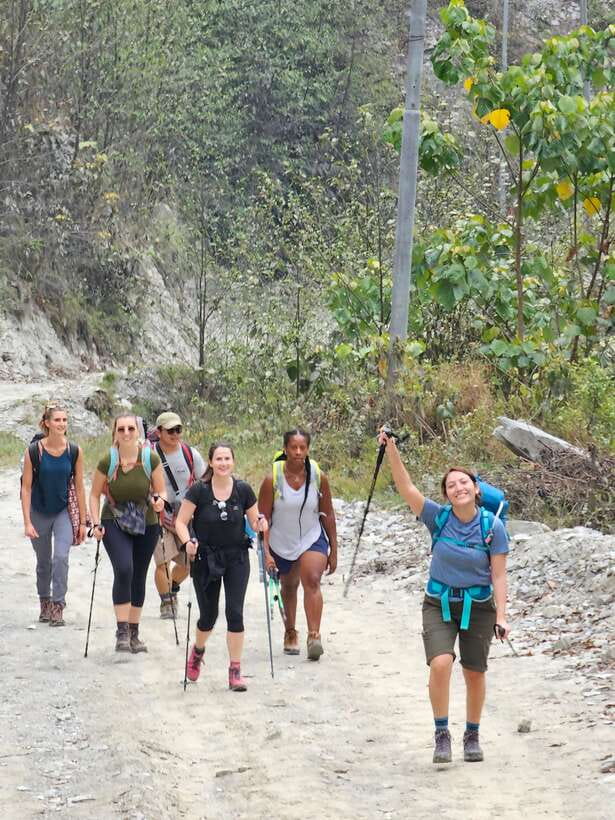
- Poon Hill sunrise at 3,210m gives you a short hike payoff that feels huge
- Modi River walking early on sets a scenic, less-intimidating tone
- Rhododendron forests can be stunning in March–May when they’re in bloom
- Ghandruk village culture is front and center, not just a photo stop
- Private group with a local licensed guide means smoother logistics and better answers on the trail
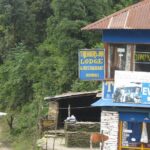
- Tea house nights keep the plan simple and give you that lived-in trekking feel
Why Poon Hill and Ghandruk fit together so well
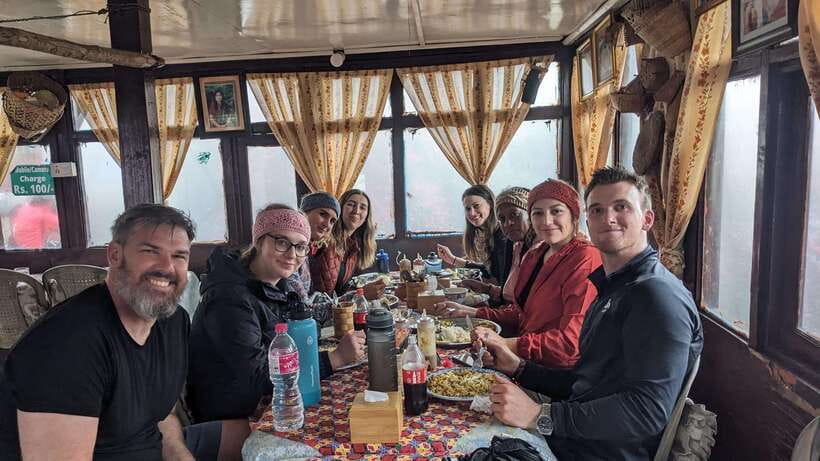
Poon Hill and Ghandruk are often sold as two separate ideas—sunrise and village culture. What makes this trek work is that you get both without needing a long, exhausting expedition.
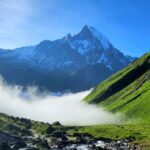
Poon Hill is famous because it’s short enough to be doable, but high enough to deliver that classic view sweep across the Annapurna range. You’ll get a set-up day with walking and elevation, then a very early start for sunrise. The mountain views feel earned, not handed to you on a platter.
Ghandruk is the counterbalance. After the push toward sunrise, you shift into a place where the focus is people: Gurung culture, village routines, and the quiet satisfaction of slowing down. Many people book this for the mountains, but they end up remembering the village more than they expected—especially when the guide helps you notice what you’re looking at.
You can also read our reviews of more tours and experiences in Pokhara.
Your 4 days on the trail (and what each day really feels like)
This is a guided trekking loop built around daily hikes that mix steady uphill work with moments where you can breathe and look around. You’ll stay in tea houses along the way, then roll back to Pokhara at the end with time to decompress.
Day 1: Pokhara to Ulleri area, with the Modi River and plenty of steps
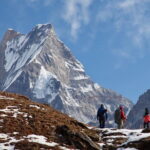
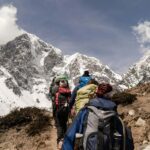
You’ll start in Pokhara and drive to Nayapul for a fresh begin-the-walk moment. From there, you follow the Modi River and pick up views toward Annapurna South. This first day is a good warm-up, but it’s not a “flat and easy” day. A big part of it is climbing many steps to reach the first overnight area around Ulleri.
What I like about this opening is that it gives you a win early: river scenery plus mountain views, and then a clear, focused goal for the afternoon. When you finish at a tea house, you’re ready for a simple dinner and a solid night’s sleep because the next day’s walking builds on this one.
Day 2: Ulleri to Ghorepani, rhododendron forests and local village life
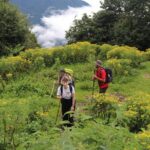
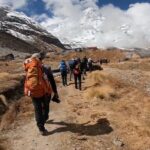
Day two keeps the step rhythm going, but it adds more variety. You’ll walk through scenic sections and you should have a strong chance of passing through rhododendron forests—especially if you’re trekking in spring (March–May). The trail feels more alive in that season, with more color and atmosphere.
This is also a day that tends to help you settle into trekking mode: you stop when you need to, you eat when it’s time, and the guide keeps you moving at a pace that matches your group. Past trips have highlighted guides like Ramit for pacing that feels correct—not rushed, not drag-you-along, just steady.
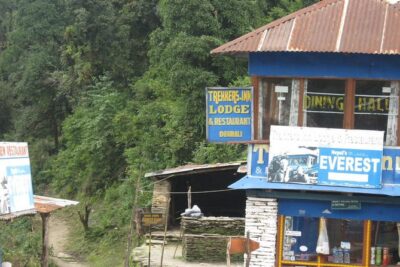
That night you sleep in the Ghorepani area in a tea house. Expect basic comfort, not luxury. That’s part of the deal.
Day 3: Poon Hill sunrise, then the long walk into Ghandruk
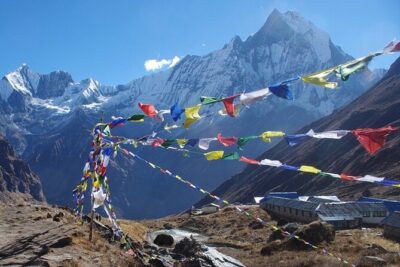
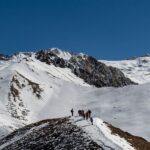
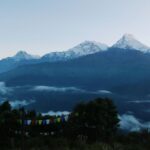
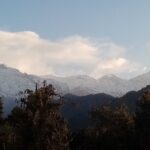
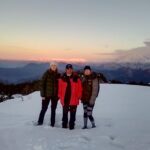
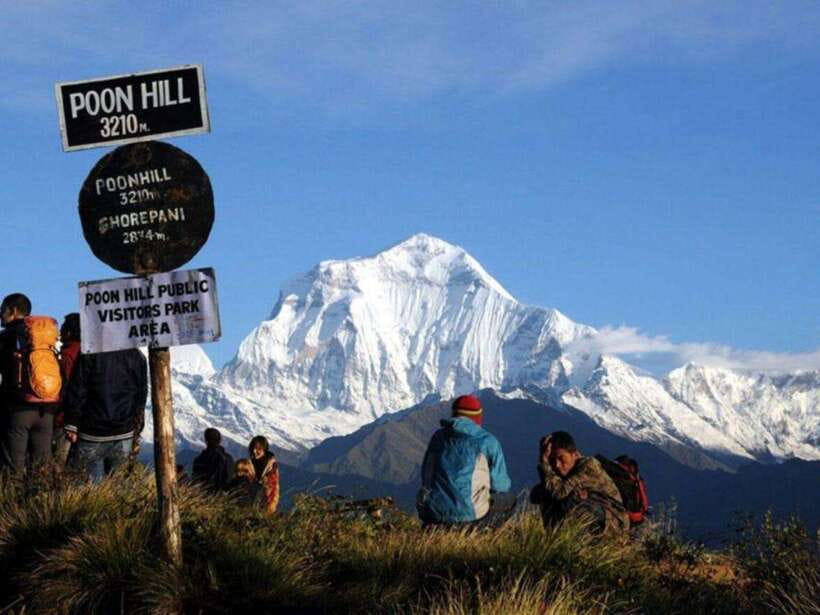
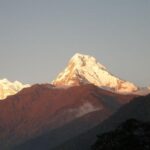
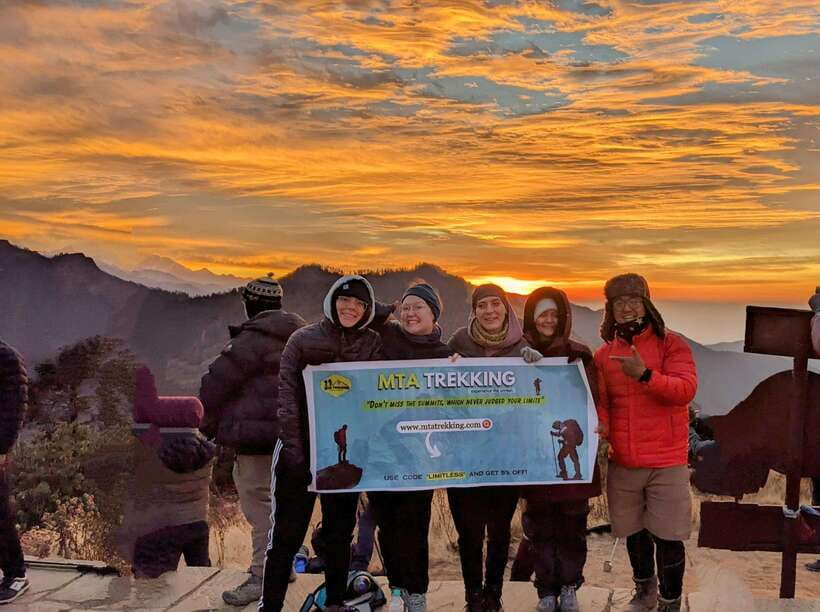
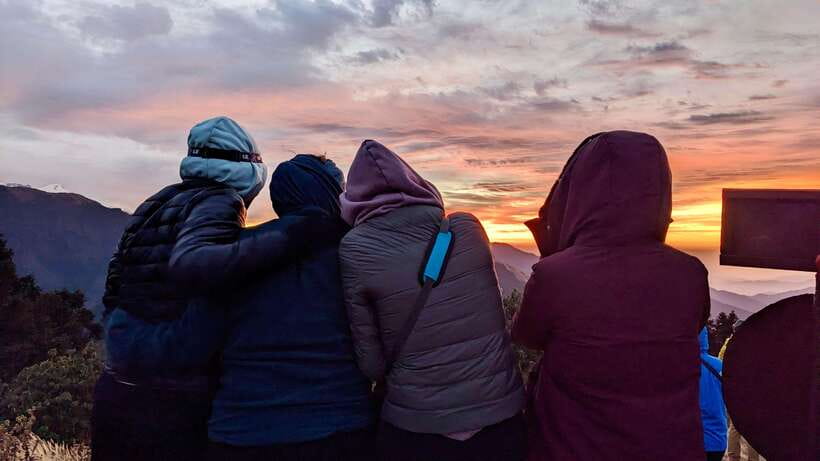
This is the day with the emotional payoff. You wake up early for a sunrise session at Poon Hill for about two hours, with wide mountain views including Annapurna and Dhaulagiri. Sunrise is the main event, but what makes it special is the feeling of reaching a viewpoint with your body already warmed up by the previous climbs. It doesn’t feel like you’re just watching from the roadside.
After sunrise, you continue trekking to Ghandruk. This is described as a long day, so the practical tip is simple: eat a real breakfast before you start moving again. Once you’re on the trail after sunrise, you’ll be glad you didn’t treat breakfast like an optional detail.
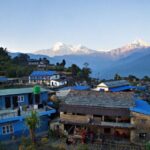
You arrive in Ghandruk where the vibe changes from wilderness effort to village exploration. The views are still there, but the main attraction becomes the community.
Day 4: Ghandruk morning tour, then back to Pokhara
You don’t rush out immediately. Instead, you spend time in Ghandruk with a guided tour (about two hours) focused on the village and its traditions. This is where your guide’s local knowledge matters—because it helps you understand what you’re seeing in daily life, not just where to take photos.
After the village time, you walk back to Nayapul and then drive to Pokhara. The last part is all about switching gears. By the time you reach Pokhara, you’re done trekking for real, and it’s a good day to take it easy—coffee, showers, and a long sit with your photos.
Poon Hill sunrise: how to get the most from two hours
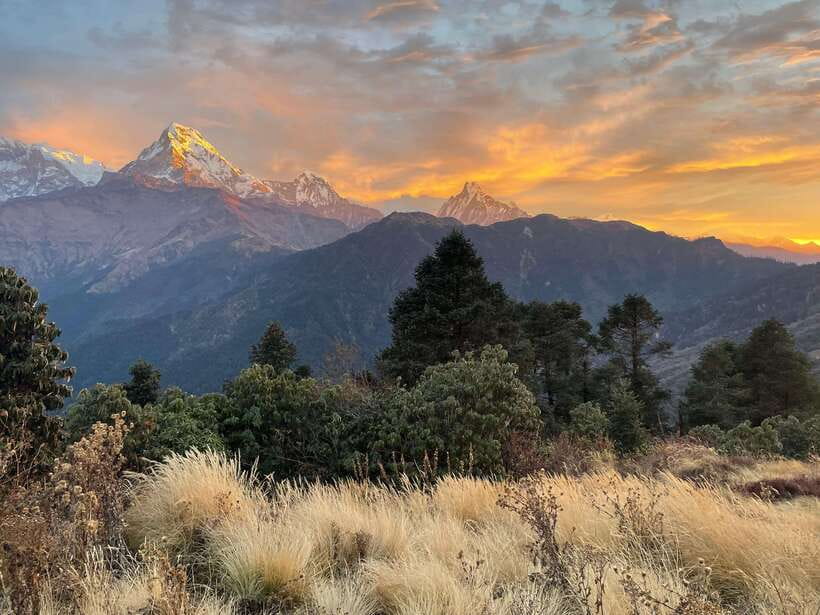
The Poon Hill sunrise window is short, which is exactly why it works for a 4-day trek. You’re not committing to a multi-hour climb just to stand in a freezing wind. You arrive, you watch, and then you keep moving.
Here’s how to make those two hours feel worth it:
- Be ready earlier than you think. You want to avoid the scramble moment where you’re still adjusting layers while the sky starts changing.
- Bring warm layers. Even if days feel mild, dawn can feel sharp at altitude.
- Take a moment before you take photos. The view is dramatic across the Annapurna range, and it’s worth a quick slow look so you remember it, not just shoot it.
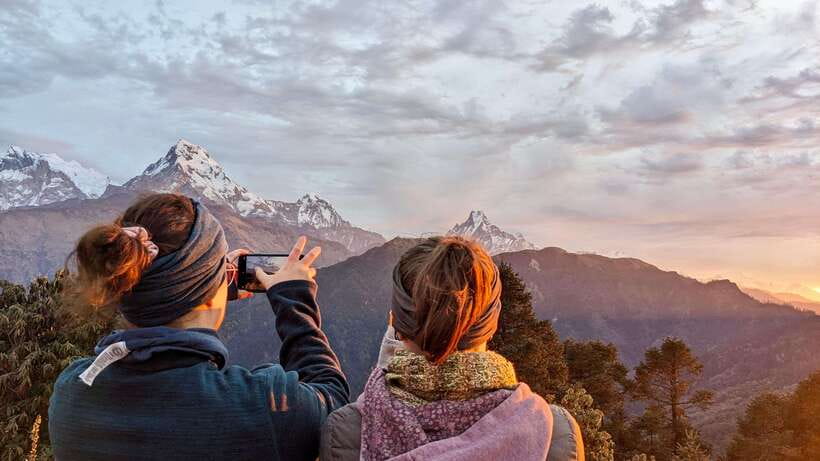
Many past trip write-ups specifically called sunrise from Poon Hill magical, and guides were praised for managing everything smoothly. One guide even got mentioned for being a great photographer—so if you like photos, don’t be shy about asking for help with angles and timing.
Ghandruk village: Gurung culture you can actually observe
Ghandruk isn’t just a place to sleep. It’s a cultural stop that tends to land with people because it’s organized around village life.
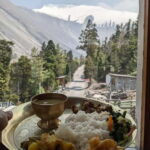
You’re in a Gurung community area, and the trekking route gives you time to experience that day-to-day feel. One of the standout themes from past experiences is how much fun it can be to interact with local culture in a non-rushed way—trying Gurung food and seeing traditional dress, for example, through the lens of a guided walk.
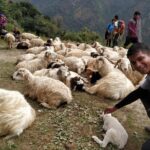
This village portion also changes the emotional tone of your trek. In the mountains, you’re thinking about steps, breath, and weather. In Ghandruk, you shift into curiosity: what people do, how they live, and how traditions show up in ordinary settings.
If you like travel that connects you to local people (not just scenery), you’ll probably appreciate the guided tour in Ghandruk on day four.
Rhododendron forests and seasonal timing that actually matters
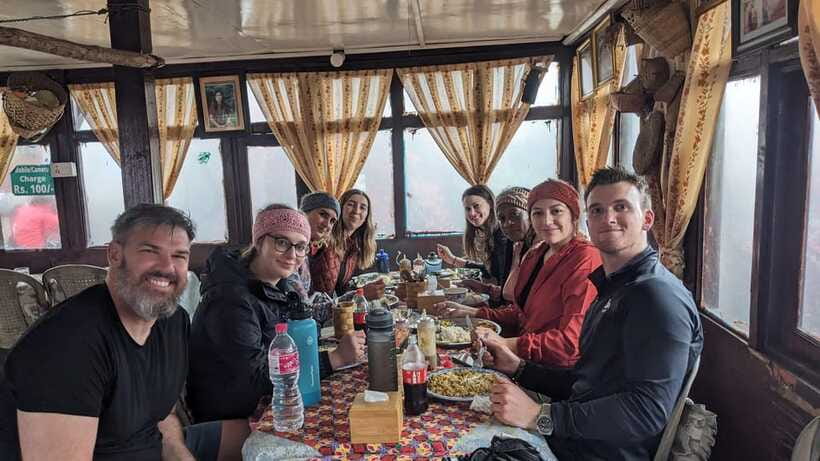
This trek explicitly calls out two best seasons:
- Spring (March–May) for rhododendron blooms
- Autumn (September–November) for clear skies
So when you plan, don’t think only about “good weather.” Think about what you want your photos to show.
In spring, you’re likely to notice more color along the trail, and the forest sections feel more alive. In autumn, you’re aiming more for crisp visibility—helpful for that sunrise experience too, when the sky can make or break mountain clarity.
If you’re flexible, I’d choose based on the highlight you care about most:
- Want color and forest vibe? Go spring.
- Want the cleanest mountain lines? Go autumn.
Altitude, pacing, and comfort: what to expect from the physical side
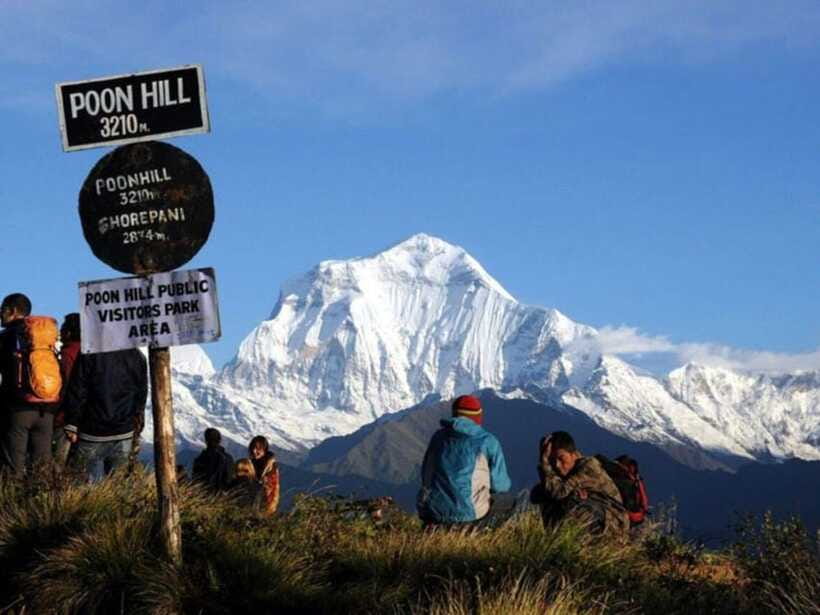
This trek reaches 3,210m (Poon Hill). Even on a short trek, altitude can still influence how you feel, especially in the early morning at sunrise. The good news is that the route is designed as a guided 4-day format with daily hiking, so you’re not jumping from sea level to mountain heights in a single day.
Still, you should plan like this:
- Expect lots of steps, especially early and mid-trek.
- Anticipate that the third day includes a long post-sunrise walk.
- Bring trekking shoes with good grip because tea house paths and trail surfaces can be uneven.
Tea houses help you keep the schedule simple: you eat and sleep where you need to, and you don’t spend energy hunting for logistics. But comfort is basic. Pack for that reality.
Price and value: what $226 covers (and why the package makes sense)
At $226 per person for 4 days, you’re paying for more than the hike. You’re paying for the stuff that quietly makes or breaks trekking plans in Nepal: planning, permits, transport, and a guide who knows the timing.
Included items:
- Round trip transportation
- Local licensed guide
- Accommodation and meals during the trek (for full package)
- Emergency rescue assistance
- Permits and TIMS
What you should notice is how much of this reduces decision fatigue. Instead of negotiating transport, figuring out permits, and coordinating daily meal stops, the package handles it. That’s especially valuable on a short trek where you don’t have many buffer days.
Not included:
- Personal trekking equipment
- Costs due to accidents or natural disasters during the trek
For value, the biggest question is whether you want a guided setup. If you’re comfortable managing permits, route logistics, and day-to-day pacing on your own, you might compare cheaper options. But if you want a smooth guided experience with clear structure—this price is less about hiking cost and more about taking the work out of organizing the trek.
Also, you’re in a private group. That often feels nicer than shared groups when you want your guide to adjust pace and answers to your needs.
Where you’ll start and end in Pokhara
Pickup and drop-off are handled with flexibility around Pokhara. You can be picked up from a range of Pokhara locations, including Pokhara Lakeside and several hotels, and you can also be picked up near the Pokhara International Airport area.
By the end, you’ll drive back from the trail to Pokhara and be dropped at a similar set of locations. This matters because it keeps the trek from feeling like it requires a separate day of logistics in the city.
Who should book this trek (and who should reconsider)
This is a strong choice if you:
- Want a short Himalayan trek without going too long
- Care about sunrise views as a key goal
- Like cultural travel and want time in Ghandruk with a guided tour
- Prefer the ease of a local licensed guide and tea house planning
You might reconsider if you:
- Have knee or mobility issues that struggle with steep stair sections
- Dislike early starts, especially for pre-dawn sunrise watching
- Want a trek with minimal walking time. This route includes several full hiking days, including a long one after sunrise.
Should you book this 4-day Poon Hill and Ghandruk trek?
If your dream is a two-part trip—mountain drama in the morning and real village life in the afternoon—this trek fits that goal neatly. The structure is compact, the cultural stop isn’t an afterthought, and guides get credit for being attentive and helpful (with examples like Prabit, Ramit, and Sishir showing up in past experiences).
Book it if you’re comfortable with steps and you want a guided setup that handles transport, permits, and meals. I’d especially book it for spring visitors who want rhododendron along the way, or for autumn visitors who want clear sky odds for sunrise.
If you want, tell me your travel month and your fitness level (easy walks vs you’re used to hills). I’ll help you decide the best season and how hard this will feel for you.
FAQ
How long is the trek?
The trek duration is 4 days.
Where does the experience take place?
It takes place in the Annapurna region of Nepal, starting from Pokhara in the Western Region.
What are the main highlights?
The main highlights are sunrise at Poon Hill, walking through rhododendron forests (especially in spring), and spending time in Ghandruk to experience Gurung culture and hospitality.
What altitude does the trek reach?
The trek reaches about 3,210m at Poon Hill.
Is there a guide?
Yes. A local licensed guide is included, and the tour is conducted in English.
Are meals and accommodation included?
Accommodation and meals during the trek are included for the full package.
What about transportation?
Round trip transportation is included.
What permits are included?
Permits and TIMS are included.
What is not included in the price?
Personal trekking equipment is not included, and expenses due to accidents or natural disasters are also not included.
When are the best seasons to trek for this route?
Spring (March–May) is best for rhododendron blooms, and autumn (September–November) is best for clearer skies.