REVIEW · LALIBELA
Trekking in Ethiopia’s Lalibela Wollo Highland 4 Days / 3 Nights
Book on Viator →Operated by Extraordinary Ethiopia Tours · Bookable on Viator
Highland trails start where Lalibela ends. This 4-day trek from Lalibela into the Wollo highlands is built around community life, real countryside walking, and high-altitude stops like Mekuat Maryam. You’ll combine shared meals with views, wildlife moments, and the steady rhythm of hiking in the Ethiopian highlands.
I like two things most. First, community-based guiding with local guesthouses means you’re not just passing through scenery. Second, the route is packed with specific sightings and terrain, including the chance to see the Ethiopian endemic Gelada baboon and birdlife around Meskel.
One consideration: this is a hiking trip with multiple hours on the trail each day, and it runs in a highland environment where good weather matters. If you want a very easy, low-walking style of sightseeing, you may want a lighter option.
In This Review
- Key highlights you’ll feel fast
- From Lalibela churches to Wollo highland trails
- Day 1: Lalibela to Flakit, Warkahye lunch, and Mekuat Maryam at 2,820m
- Day 2: Meskel birdlife, Gelada baboons, and the trek to Wajela
- Day 3: Gala Dejen to Aterow, with more highland walking and lunch in between
- What the meals, snacks, and community guesthouses actually mean
- Wildlife and birdwatching: Gelada baboon chances and Meskel birdlife
- Price and value: what $500 covers (and why it can be fair)
- Transport, start time, and how the private format works
- The Maereg guiding factor: connecting what you see to local life
- Who this trek suits best
- Quick FAQ for planning your trek
- FAQ
- How long is the Lalibela Wollo Highland trek?
- Where does the trek start and what time does it begin?
- Is this a private tour?
- What’s included in the price?
- Is bottled water included?
- Are alcohol and drinks included?
- What kind of walking should I expect?
- Do I need good weather to go?
- Can I bring a service animal?
- Should you book this trek?
Key highlights you’ll feel fast
- Community guesthouses, not hotels: you sleep where people live and eat simple, local food during the trek.
- Altitudes that shape the day: one major stop is at 2,820m, so the air feels different from Lalibela town.
- Wildlife moment at Meskel: you get a bird-filled stop plus a shot at the Gelada baboon.
- Acacia tree country at Wajela: nights here come with a specific local flavor tied to the surrounding trees.
- A guide who connects the dots: Maereg’s job is to help you connect what you see to local culture and history.
- Private group feel: it’s only your group, so the pace and attention can stay personal.
From Lalibela churches to Wollo highland trails
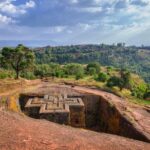
Lalibela is a place that pulls you in with stone churches and deep old-world atmosphere. Then this trek quietly shifts the focus from monuments to everyday life, taking you into the Lalibela Wollo highlands where the scenery and community routines run together.
What makes this trek special is the emphasis on how people live, not just where you hike. You’ll spend time with the communities along the way, and the nights are at community guesthouses. It’s a different travel mode: less checklist, more human scale.
You’ll also notice the trip’s rhythm. Mornings start with breakfast in a community setting, and the walking is measured in hours rather than miles. That matters because your legs, your breath, and your attention all get engaged the same way.
You can also read our reviews of more tours and experiences in Lalibela.
Day 1: Lalibela to Flakit, Warkahye lunch, and Mekuat Maryam at 2,820m
Day 1 starts with breakfast at Lalibela, then a drive of about two hours to Flakit. The vehicle part helps you settle in, and you can already feel the change as the road carries you toward higher ground.
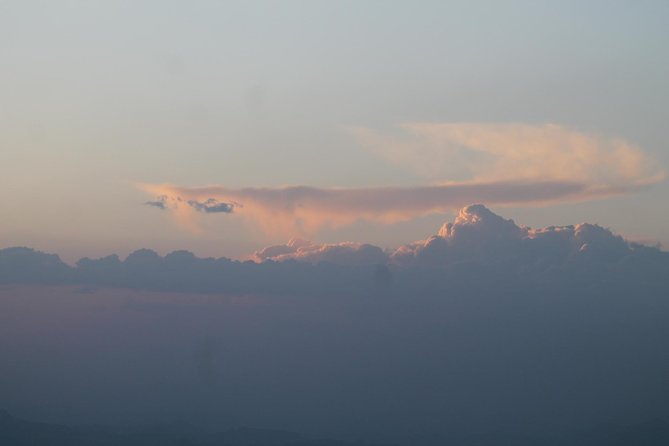
Lunch lands at Warkahye, which is a nice setup because you eat first, then begin hiking with steadier energy. After lunch, you hike for about three hours to the first key stop: Mekuat Maryam. This site sits roughly 2,820 meters above sea level on a promontory of the plateau, so you get both elevation and the kind of vantage point that makes your camera feel useful.
The day ends with dinner at the community guesthouse. This is where the trek’s community style becomes real. You’re not racing to the next photo; you’re winding down with people-based hospitality and a calmer pace.
A practical tip: on the first day, go easy on your uphill effort. High altitude can sneak up on you even if you’re fit, especially if you start off too fast.
Day 2: Meskel birdlife, Gelada baboons, and the trek to Wajela
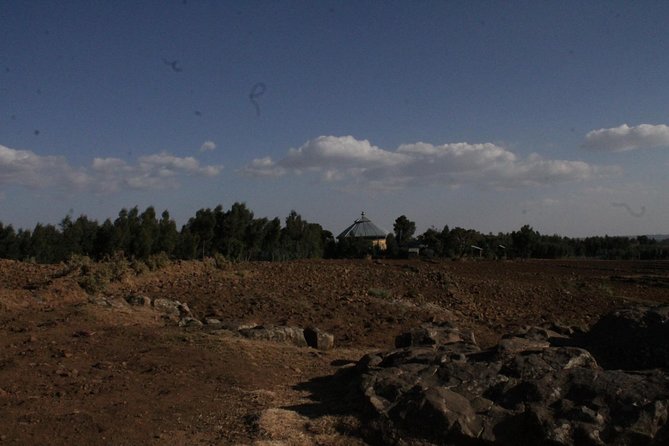
Breakfast on Day 2 is at the Mekuat community guesthouse, which keeps the trip grounded in the same local setting rather than bouncing you back into a town hotel. Then you start hiking again for about three hours to Meskel.
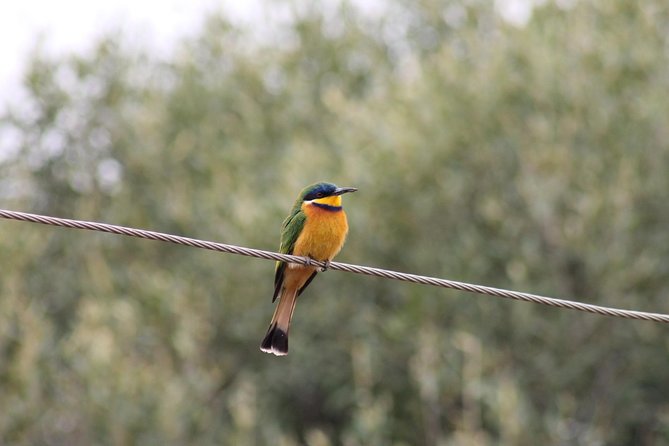
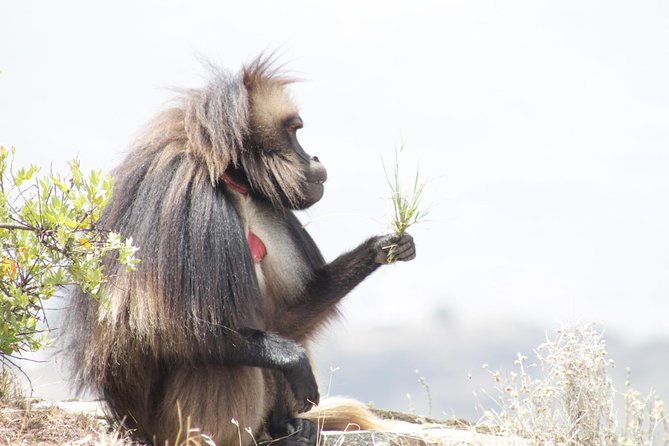
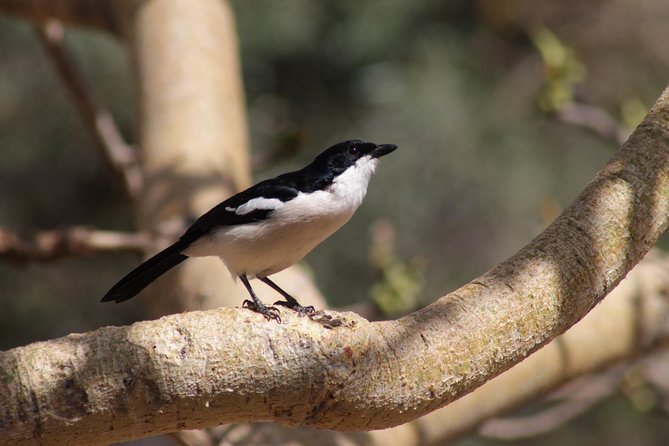
Meskel is built for the eyes. You’ll have time to see different types of birds, and this is also where you might spot an Ethiopian endemic mammal: the Gelada baboon. Even if you don’t catch them instantly, the stop is designed around wildlife watching, not just walking from one viewpoint to another.
After exploring at Meskel, you’ll have lunch at Meskel, then continue with a further hike of about 2.5 hours to Wajela. This stretch has a nice balance: wildlife first, then a clear move toward your next community stay.
Dinner on Day 2 is at Wajela, which is noted for the beauty of its acacia trees. That detail matters. Acacia country changes the feel of the hike and makes evenings feel different, like you’re in a distinct pocket of the highlands rather than repeating the same route scenery.
If you’re the type who likes a little structure, Day 2 delivers. You’ll know where you are in the story: wildlife stop, lunch, then a second hike that sets you up for a meaningful night.
Day 3: Gala Dejen to Aterow, with more highland walking and lunch in between
Day 3 starts at the Wajela community guesthouse with breakfast, then you hike for about three hours to Gala Dejen. The trip doesn’t pile everything into one exhausting climb. Instead, it keeps distributing the effort across the day, which usually makes it easier to stay comfortable.
At Gala Dejen, you have lunch, then you hike another three hours onward to Aterow. That long second hike is the kind of segment that tests your steady pace more than your speed. If you control your breathing and keep your steps consistent, it feels rewarding rather than punishing.
By the end of the day, you’re settled in at Aterow for your community night. The exact shape of Day 4 isn’t laid out in the details here, but the overall trip structure is clear: 4 days total with 3 nights in the community guesthouse setup, and the experience concludes back at the meeting point.
What the meals, snacks, and community guesthouses actually mean
The trip includes breakfast, lunch, dinner, and snacks, plus private transportation. That’s important because it reduces planning stress. In rural trekking areas, the best trips are the ones where food and timing are handled, so you can focus on the walk and the people.
The meals are described as simple by the experience context shared in guide-focused feedback, which is exactly what you want on a trek like this. You’re not looking for fancy restaurant pacing. You want fuel you can digest easily while walking for hours at a time.
Community guesthouses also change how you travel. You’re not just sleeping somewhere. You’re part of a small, local rhythm: evening meal, conversation, and the quiet downtime that comes after a day of moving through fields and paths.
The only practical items not included are bottled water and alcoholic beverages. Bottled water being separate is common, but it means you should plan to pick it up as needed before or during the trek period.
Wildlife and birdwatching: Gelada baboon chances and Meskel birdlife
This trek gives you wildlife in a way that feels tied to the route, not tacked on. The standout mention is the Gelada baboon, an Ethiopian endemic mammal you may see at Meskel. You also get birdwatching time because Meskel is where you look for different bird types.
Now, a key reality check: wildlife isn’t a vending machine. You might see Geladas close up, or you might catch a glimpse later or farther off. What matters is that the itinerary places you in the right zone and gives you time to watch.
If you bring binoculars, you’ll likely use them more than you expect. Even without, slow walking and patience during Meskel are what make wildlife moments possible.
Price and value: what $500 covers (and why it can be fair)
At $500 per person for about 4 days and 3 nights, this trek isn’t priced like a basic walk-in tour. You are paying for a set of things that usually cost extra when you add them up on your own: meals throughout, snacks, private vehicle transfer, and guided trekking with local community-based overnight stays.
The value gets stronger because of how the experience is structured. You’re not just hiking. You’re doing community guesthouse nights and meals, and the guide’s role is to help you understand what you’re seeing across culture and daily life. That kind of guiding takes time and local know-how.
Could you find a cheaper hiking option? Probably. But cheaper often means fewer included meals, less support on trail, and more logistical guesswork. Here, the basics are handled so you can focus on the trail.
Transport, start time, and how the private format works
The experience starts at Lalibela Airport (meeting point listed as XXHM+6MG, Girany Amba, Ethiopia) with a start time of 10:00 am. The tour ends back at the meeting point. It’s also a private tour/activity, meaning only your group participates.
Why you should care: private guiding usually makes a difference when trekking. It can help you adjust pace, ask questions, and keep everyone together without the stop-start tension of large group logistics.
The trip is also labeled as having service animals allowed and being near public transportation. It’s described as suitable for most travelers, which aligns with the fact that the hiking is spread across the days rather than being a single-day marathon.
The Maereg guiding factor: connecting what you see to local life
One theme that stands out in the feedback is how strongly the guiding experience shapes the trip. The guide named Maereg is repeatedly described as exceptional at showing highlights of Wollo and Lalibela and helping people understand the culture and history of the area.
That matters for you if you like meaning, not just motion. On a trek, a great guide is the difference between walking through a place and learning how the place works. You’re seeing community life and countryside, and a capable guide helps you connect those dots while you’re still on the trail.
If you’re the type who asks lots of questions, a guide who can handle anything from culture to history will make the hike more rewarding. If you prefer a quieter trip, you can also let the scenery and walking do the talking—just ask for a moment when you want context and let things breathe when you don’t.
Who this trek suits best
This trek fits best if you want a balanced mix of walking, community contact, and highland scenery. The itinerary includes several multi-hour hikes and wildlife/birdwatching moments, so it’s ideal for people who enjoy moving outdoors and taking the day in stages.
You’ll especially like it if:
- You want to experience rural Ethiopia beyond the rock churches of Lalibela.
- You enjoy community-based stays rather than only hotel-style travel.
- You’re curious about local culture, and you like having a guide explain what you’re seeing.
- You don’t mind that wildlife sightings depend on conditions.
You might want to consider a different style if you:
- Need very short daily walking segments.
- Want guaranteed wildlife sightings.
- Are traveling only on a tight schedule where weather and trekking conditions are hard to manage.
Quick FAQ for planning your trek
FAQ
How long is the Lalibela Wollo Highland trek?
It runs for 4 days (about 3 nights), with the activity starting at Lalibela Airport and ending back at the meeting point.
Where does the trek start and what time does it begin?
The meeting point is Lalibela Airport (listed with coordinates near Girany Amba, Ethiopia), and the start time is 10:00 am.
Is this a private tour?
Yes. It’s a private tour/activity, so only your group participates.
What’s included in the price?
The experience includes breakfast, lunch, dinner, snacks, and private transportation.
Is bottled water included?
No. Bottled water is not included.
Are alcohol and drinks included?
Alcoholic beverages are not included.
What kind of walking should I expect?
You’ll do multiple hikes throughout the trek, including segments around three hours and others around 2.5 to three hours. The trip is described as suitable for most travelers.
Do I need good weather to go?
Yes. The experience requires good weather. If it’s canceled due to poor weather, you’ll be offered a different date or a full refund.
Can I bring a service animal?
Yes. Service animals are allowed.
Should you book this trek?
If you’re already set on seeing Lalibela, this trek is a great next step because it changes your viewpoint from monuments to everyday highland life. The combination of community guesthouses, guided cultural context, and nature time makes it feel like more than a walk.
Book it if you want to trade hustle for steadier days, and you’re happy with simple meals and real hiking hours. Skip it if you want a very low-effort sightseeing trip or you’re only traveling when weather risk is unacceptable.
If you go, focus on the small stuff: the rhythm of walking, the patience at Meskel, and the way the day’s stops add up into a story you can actually feel.