REVIEW · MARRAKECH
3 Days Merzouga Sahara Tour & Camel Trek
Book on Viator →Operated by KARMA DIR TRAVEL · Bookable on Viator
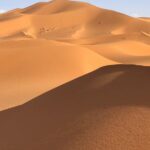
That first sunrise in the dunes changes things. This 3-day Merzouga Sahara trip strings together big desert moments with classic Atlas stops, using one driver to handle the long-distance logistics so you’re not white-knuckling directions. You start early from Marrakech, climb the High Atlas, explore UNESCO-listed Ait Ben Haddou, wind through Dades and Todra, then do camel trekking in Merzouga and sleep in both a kasbah hotel and a desert camp under the stars.
I especially like the simplicity of the pickup-first setup in Marrakech, plus the fact that key meals are included (breakfasts and dinners). Second, I like the mix of accommodations: you get one real hotel night in the Dades area, then a second night in Berber-style tents in the desert. One drawback to plan around: day 3 is a long ride back—around 12 hours—so this isn’t the kind of tour you’ll want if you hate being on the road.
In This Review
- Quick Highlights You’ll Feel Immediately
- Entering Marrakech to Merzouga: What Makes This Route Work
- Price and Logistics: What Your $186.10 Is Actually Buying
- Day 1: High Atlas Pass, Ait Ben Haddou, and the Slow Shift Toward Desert
- Tizi n Tichka: The High Atlas Viewpoint Moment
- Ait Ben Haddou: UNESCO Kasbahs and Movie-Set Texture
- Ouarzazate: Hollywood of Africa, Cinema Museum, and Taourirt Kasbah
- Dades Gorges: The Toes-of-Monkeys Rock Stop Before Dinner
- Day 1 Tip
- Day 2: Tinghir Oasis to Todra Gorge, Then Two Camel Rides in Merzouga
- Tinghir Oasis: A Guided Taste of Green in the Mountains
- Todra Gorge: Lunch in the Village, Then Back on the Road
- Merzouga Sunset Camel Ride: 45 Minutes That Sets Your Memory Anchor
- Sunrise Camel Ride: Do It for the Light
- Merzouga Desert Camp: Stars, Safety, and the Value of Doing It Organized
- Birdwatching Note Near Merzouga (If You Love Side Quests)
- Day 3: Sunrise Walk, Then the Long Return to Marrakech (Around 12 Hours)
- The Day-3 Reality Check
- What You’ll See (and What You Might Skip) at Each Big Stop
- Meals Included vs. Meals You’ll Buy
- Small-Group Size: Why Max 15 Feels Better Than It Sounds
- What to Pack for Merzouga Nights and Atlas Days
- Should You Book This 3 Days Merzouga Sahara Tour
- FAQ
- FAQ
- How long is the Merzouga Sahara portion of the trip?
- Is pickup in Marrakech included?
- What meals are included?
- Will I ride camels?
- Where do you sleep during the tour?
- How big is the group?
- Is air-conditioned transportation provided?
- Is Ait Ben Haddou a guided palace tour?
- What happens if the desert conditions or weather are bad?
Quick Highlights You’ll Feel Immediately
- Pickup and transport handled: one air-conditioned vehicle doing the heavy lifting across Morocco.
- Two very different nights: kasbah hotel in the Dades Gorges area, then Berber tent camp near Merzouga.
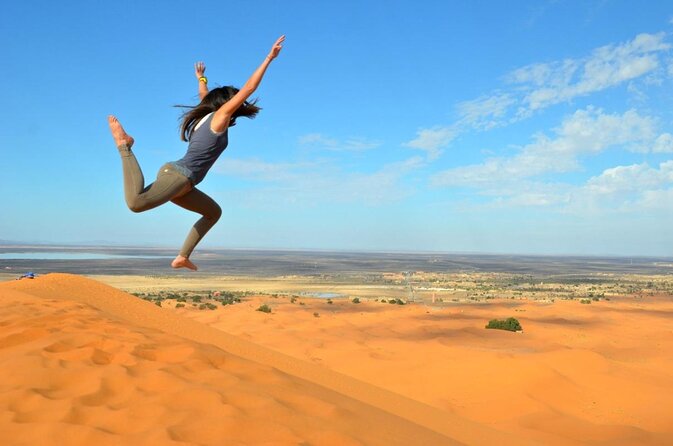
- Camel trek timing: a 45-minute sunset ride and a 45-minute sunrise ride, plus a sand-walk in the morning.
- Major sights on the way: Ait Ben Haddou, Ouarzazate, Dades, and Todra Gorge—far more efficient than DIY.
- Small group size: max 15 travelers, which keeps the experience from feeling like a cattle run.
Entering Marrakech to Merzouga: What Makes This Route Work
This tour works because it’s designed around Morocco’s reality: distances are huge, roads take time, and sights are scattered. Rather than you trying to stitch together separate transfers and random guides, you ride with one driver who coordinates the day’s route and the handoffs. That’s a big deal when you’re going from Marrakech to the Sahara, then back again.
The pacing also makes sense for most first-timers. Day 1 is about crossing the High Atlas and seeing the region’s signature kasbah scenery. Day 2 is about switching from stone-and-slope drama (oases, gorges) to the orange-gold feel of Merzouga. Day 3 is calmer early—then you’re right back on the road. It’s a lot of hours, but it’s structured.
You can also read our reviews of more tours and experiences in Marrakech.
Price and Logistics: What Your $186.10 Is Actually Buying
At about $186.10 per person for the 3 days, you’re paying for three big things:
1) Transportation over distance. You’re covering Marrakech → High Atlas passes → Ait Ben Haddou → Ouarzazate → Dades → Todra/Tinghir → Merzouga → Marrakech again. That’s the expensive part if you book everything separately.
2) Two nights of lodging. One is in the Dades Gorges kasbah-style hotel zone, and the other is in Berber tents in the Merzouga desert area.
3) Key desert and meal costs. The tour includes camel trekking and at least breakfasts and dinners (more on meals below).
If you’re keeping a close budget, pay attention to what’s not included: lunches aren’t listed as included on days 1–3, and a guided tour at Ait Benhaddou Palace is not included. Still, the overall value tends to hold up because transport + lodging + camel trekking are the core costs.
One more logistics note: the tour is capped at 15 travelers, and the vehicle is air-conditioned. In Morocco, that difference matters when you’re spending long hours in transit.
Day 1: High Atlas Pass, Ait Ben Haddou, and the Slow Shift Toward Desert
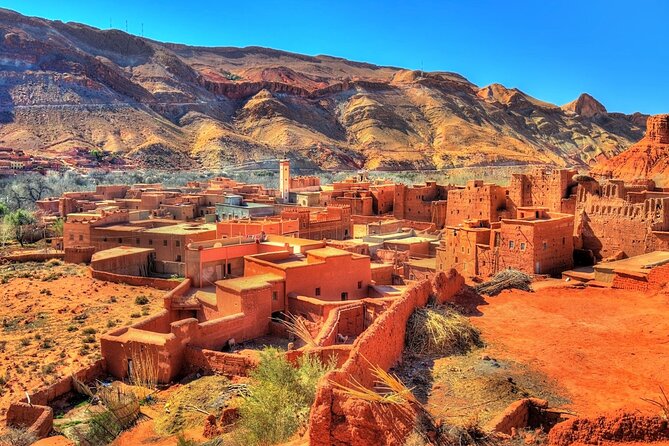
Day 1 starts at 7:00 AM. Early is smart here. Once you leave Marrakech, the day becomes a gradual change in altitude and scenery—city energy fades, then douars (small rural communities) and mountain settlements appear, and eventually you’re staring at High Atlas ridgelines.
Tizi n Tichka: The High Atlas Viewpoint Moment
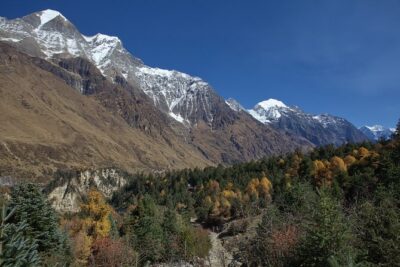
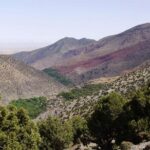
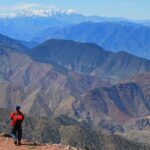
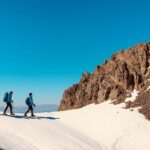
You stop at Tizi n Tichka, around 2,260 meters. Even if you only have short breaks, this is where the trip’s mood starts to form. You get mountain views, then the road threads you toward kasbah territory. The stop is quick, but the payoff is the feeling: you’re no longer in “driving to a destination.” You’re in the Atlas.
Ait Ben Haddou: UNESCO Kasbahs and Movie-Set Texture
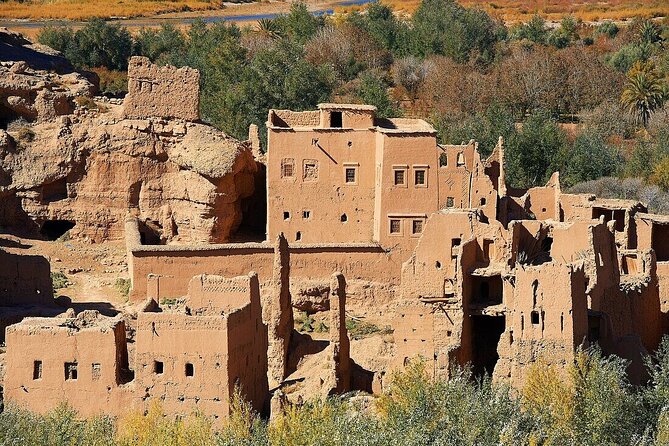
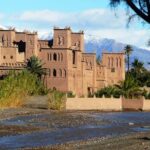
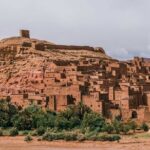
Then comes Ait Ben Haddou Ksar, a UNESCO World Heritage Site. You’ll have about 3 hours there. This is one of those places where time feels different because the buildings are built to survive. You’ll also notice why it shows up in big films—the kasbah shapes and the texture of the hillside are what the camera loves.
You’ll have lunch included during this stop, which helps. One practical note: the tour listing says admission tickets are marked free at these stops, but a guided tour of Ait Benhaddou Palace is not included. So if you want a storyteller walking you through every corner, plan to use the local guides on-site or rely on your own curiosity.
Ouarzazate: Hollywood of Africa, Cinema Museum, and Taourirt Kasbah
Next, you head to Ouarzazate, often called the “door of the desert.” You get about 45 minutes to explore the cinema museum and Taourirt Kasbah. This is the kind of stop that’s short but worth it because it anchors the region’s modern fame. Even if you’re not a film buff, you’ll still enjoy seeing how the desert landscape became a production magnet.
Dades Gorges: The Toes-of-Monkeys Rock Stop Before Dinner
After Ouarzazate, you make a quick stop along the Valley of Roses area (El Kelaa M’gouna) for about 20 minutes—mostly to feel the local economy tied to rose oil and traditional methods.
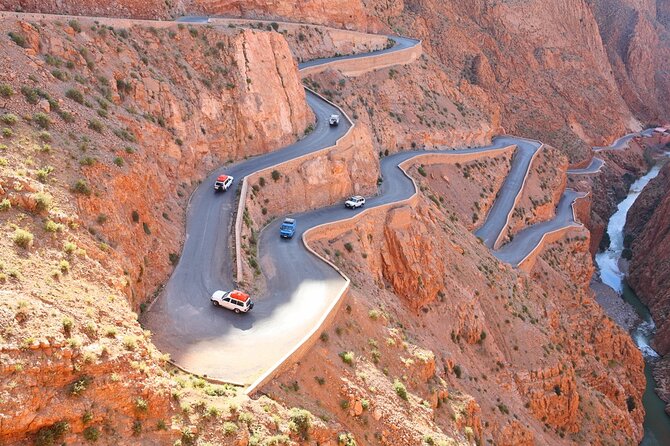
Then you reach Dades Gorges. There’s a short photo/break stop, and you’ll drive the remaining way toward Hotel Dades in the Dades Gorges area. Dinner and your first night are here, in a kasbah-style setting.
Day 1 Tip
Bring a light layer for the mountains even in warmer months. Nights near the Atlas can turn cool fast.
Day 2: Tinghir Oasis to Todra Gorge, Then Two Camel Rides in Merzouga
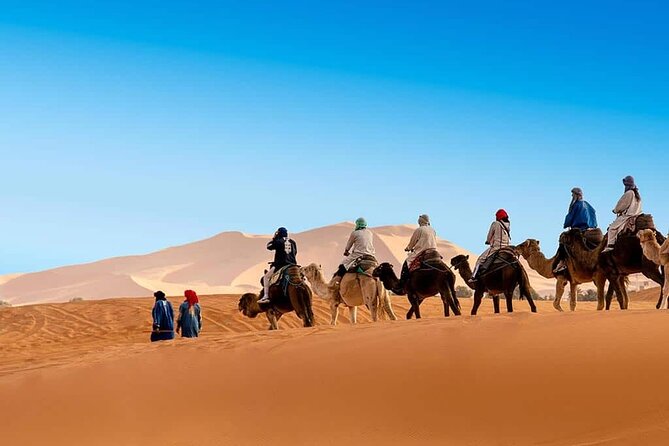
Day 2 is where the trip shifts from rocky valleys to the edges of the Sahara. You’ll start with the Tinghir area, then Todra Gorge, then continue on toward Merzouga.
Tinghir Oasis: A Guided Taste of Green in the Mountains
Your first stop is Tinghir, with about 1.5 hours at the Tinghir Oasis. You’ll meet a local guide for this part. This is one of the best “contrast stops” on the whole tour. You go from arid slopes to pockets of life—and it makes the desert feel less like an abrupt switch and more like a gradual transition.
Todra Gorge: Lunch in the Village, Then Back on the Road
After the oasis time, you head to Todra Gorges, where you’ll also have lunch in the same village area. Todra is dramatic—tight canyon walls, strong light, and that sense that the earth is doing something old and serious. Then you ride onward via Tin-jdad, Erfoud, and Rissani toward Merzouga.
Merzouga Sunset Camel Ride: 45 Minutes That Sets Your Memory Anchor
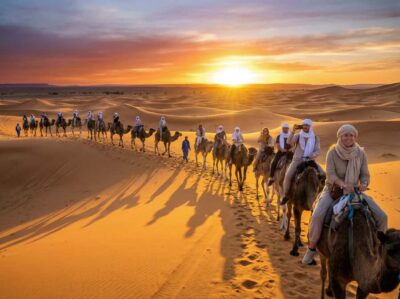
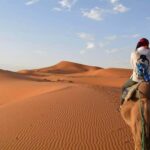
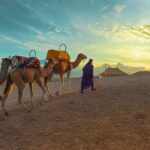
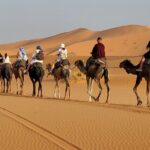
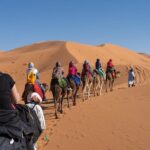
You reach Merzouga and get a 45-minute camel ride to watch the sunset. This is a core reason people choose this itinerary. The dunes change color quickly after the sun drops, and the camel trek gives you an “arrive by movement” feeling rather than just a drive-and-hop photo session.
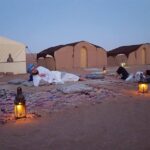
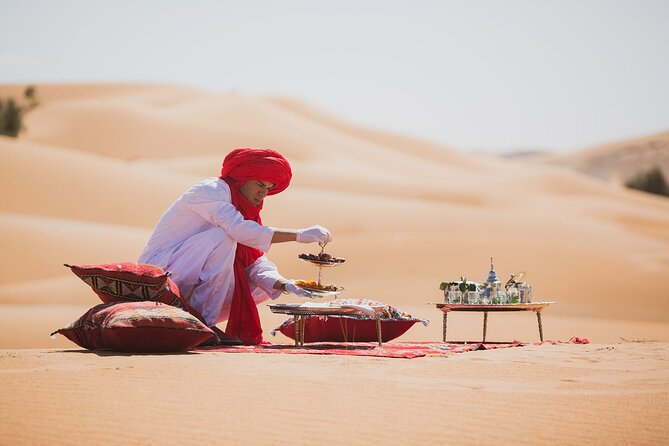
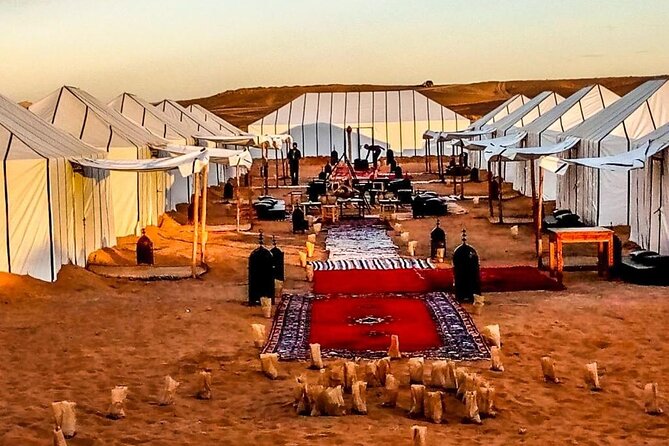
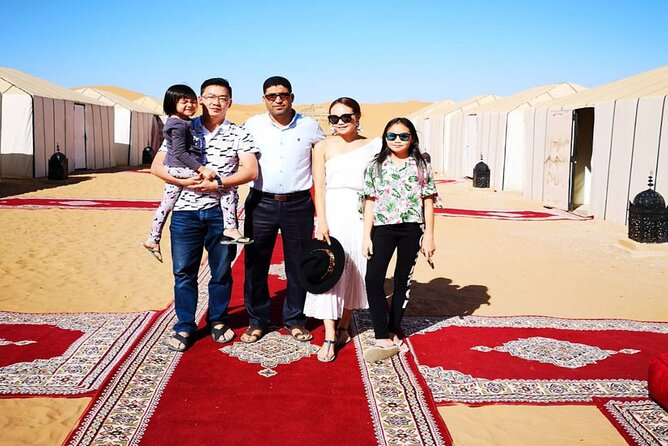
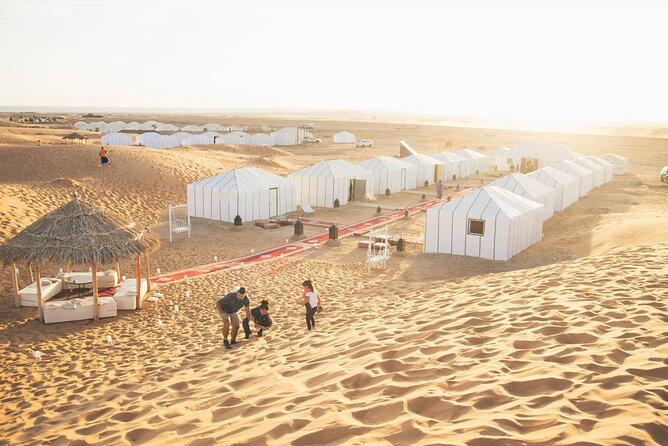
That night you sleep in Berber tents under the stars. You can expect folkloric dancing and fire ambiance as part of the camp experience. This is also where group energy tends to gel, especially in a small group of up to 15.
Sunrise Camel Ride: Do It for the Light
The next morning, you’ll wake early for another 45-minute sunrise camel ride. Sunrise is when Merzouga looks the most “real” to me—soft edges, long shadows, and fewer distractions. If you’re tempted to sleep in, don’t. This is exactly the moment the entire tour is built around.
Merzouga Desert Camp: Stars, Safety, and the Value of Doing It Organized
Sleeping in the desert can feel like a big promise in tourism ads. Here’s the reality you’ll likely appreciate: the camp part is less about luxury and more about atmosphere, timing, and basic comfort handled for you.
The included structure matters. You’ll have the overnight in Berber tents, plus breakfast and dinner components in the tour schedule. And you’ll have the camel trek organized so you’re not negotiating logistics at the edge of nowhere.
From the people running this trip—coordinators like Mubarak and drivers such as Ashraf, Morat, or Rachid—the consistent theme is careful service and safe handling during the long road days. You should still judge for yourself once you’re there, but the track record points toward a “we’ll manage this for you” approach.
Birdwatching Note Near Merzouga (If You Love Side Quests)
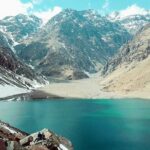
Merzouga is also noted for desert birds such as desert sparrows, Egyptian nightjars, desert warblers, and bee-eaters. During spring, a shallow lake can appear northwest of Merzouga and can attract flocks including flamingos. If you’re into nature and bird names don’t scare you off, morning sand-walks are a good time to look.
Day 3: Sunrise Walk, Then the Long Return to Marrakech (Around 12 Hours)
On day 3, you’ll start around 7:00 AM with a walk in the sand for about 1 hour, followed by breakfast. This morning part is your gentle landing after the desert night.
Then you reunite with the driver and begin the return. The ride back to Marrakech takes about 12 hours. You’ll get about 2 hours for lunch, toilet breaks, and photos along the way. There are also picture stops, including a mention of the village of Alnif.
As you get closer to Marrakech, you’ll reach a viewpoint restaurant near the foothills of the High Atlas. You’ll have about 1 hour there to enjoy a Berber meal while looking out at surrounding Berber villages and mountain scenery.
You’ll arrive back around 7:30 PM, with drop-off at hotels or near riads (riads are often in narrow alleys where vehicles can’t enter).
The Day-3 Reality Check
If you’re the type who hates being in the car for hours, this is the one part to plan around. This itinerary is efficient, but it’s still a long drive day. Bring water, keep snacks handy if you like, and wear shoes that won’t punish you during sand walking.
What You’ll See (and What You Might Skip) at Each Big Stop
Here’s how each stop tends to land, practically:
- Tizi n Tichka: short but scenic. You’re collecting views and altitude.
- Ait Ben Haddou: the most time you get on Day 1. Worth walking and slowing down.
- Ouarzazate: short museum + kasbah. Great if you like context around the region.
- Dades Gorges: a sunset-to-night kind of environment, then dinner and sleep close by.
- Tinghir Oasis: guided time in a green pocket. A mental reset before the desert.
- Todra Gorge: dramatic canyon feel. Expect strong photo light.
- Merzouga: the real climax. Camel rides at sunset and sunrise plus the camp atmosphere.
- Return route: fewer major “must-see” monuments, more scenery stops and meal breaks.
One thing to keep in mind: the tour states Ait Benhaddou palace guided tour is not included. You’ll still visit, but if you want a guide to explain everything in detail, you may need to ask locally once you arrive.
Meals Included vs. Meals You’ll Buy
This is an easy area to misread unless you check the fine print.
Included:
- Breakfast (2)
- Dinner (2)
- There’s also lunch mentioned on Day 1 at Ait Ben Haddou.
Not included:
- Lunches on Days 1–3 are listed as not included, and the itinerary also doesn’t clearly guarantee lunch every day beyond Day 1.
So I suggest budgeting for lunch on most days. Bring a small snack stash for the car rides too. Morocco road days can be long, and you’ll be happier with options.
Small-Group Size: Why Max 15 Feels Better Than It Sounds
A max of 15 travelers is one of the most underrated parts of this tour. With a group that small, you’re more likely to:
- move at a pace that doesn’t feel rushed,
- get quick help when timing shifts,
- and actually talk with other people rather than just hearing everyone’s voices compete at the back of the vehicle.
The Morocco Sahara segment especially benefits from this. The camel and camp logistics are smoother when you’re not dealing with huge numbers.
What to Pack for Merzouga Nights and Atlas Days
I won’t over-invent needs, but the provided info gives you a clear signal: winter nights in the mountainous areas can be chilly, and desert mornings can feel cold before the sun warms up.
Plan on:
- warm layer for early and late hours,
- sun protection for daytime riding and sand time,
- closed-toe shoes for the sand walk,
- and a small day bag for the camel-ride photo moments.
Also, rides to riads can mean more walking than you’d expect if your riad is tucked in narrow alleys.
Should You Book This 3 Days Merzouga Sahara Tour
If you want a “first Morocco to Sahara” experience that covers the classics without you building a complicated plan, I think this tour is a smart choice. It hits the big visual moments: High Atlas viewpoints, Ait Ben Haddou, Dades and Todra gorges, then two camel rides in Merzouga with a night in Berber tents.
Book it if:
- you like structure and safety in long-distance travel,
- you want the most important Sahara experience without negotiating details on arrival,
- you’re okay with a long return day (about 12 hours).
Skip it or reconsider if:
- you hate being in a vehicle for most of a day,
- you want every meal included (lunch isn’t clearly covered across the full schedule),
- or you specifically need a guided tour at Ait Ben Haddou Palace (that portion isn’t included as a guided service).
FAQ
FAQ
How long is the Merzouga Sahara portion of the trip?
The overall tour is about 3 days, starting in Marrakech at 7:00 AM on day 1. You’ll have two nights: one in the Dades Gorges area and one in a Berber tent camp in the Merzouga desert area.
Is pickup in Marrakech included?
Yes, hotel pickup is offered to keep things simple. The tour also lists a Marrakech meeting point at Station Service Ola Energy.
What meals are included?
Breakfast is included for 2 days, and dinner is included for 2 nights. Lunches are listed as not included, except there is a lunch mentioned during the Ait Ben Haddou stop on day 1.
Will I ride camels?
Yes. You’ll do a camel ride of about 45 minutes for sunset in Merzouga and another camel ride of about 45 minutes for sunrise.
Where do you sleep during the tour?
You sleep one night in the Dades Gorges area at a traditional kasbah-style hotel, then one night under the stars in Berber tents near Merzouga.
How big is the group?
The maximum group size is 15 travelers.
Is air-conditioned transportation provided?
Yes, the tour includes an air-conditioned vehicle.
Is Ait Ben Haddou a guided palace tour?
Ait Benhaddou Palace guided tour is listed as not included, so you may want to plan for self-exploration time at the site.
What happens if the desert conditions or weather are bad?
This experience requires good weather. If it’s canceled due to poor weather, you’ll be offered a different date or a full refund.
If you want, tell me your month of travel and whether you prefer early mornings or slower mornings—I’ll suggest how to time your packing and what to prioritize on each day.