Two days, and you’re in the Sahara. This small-group Zagora tour strings together Aït Ben Haddou and a real desert night—camel time included—and it does it with a start that’s early but efficient. I like that it’s not just driving through: you get guided history at the kasbah, then you slow down for the desert feel. One thing to consider: the long stretches are mostly by bus, and you shouldn’t count on showers or much water for washing.
I also like the way the tour balances comfort and character. You ride in an air-conditioned vehicle, you sleep in a camp under the stars, and you’re fed—dinner plus breakfast—so you can focus on the places instead of hunting for meals. The group stays small (max 15), which helps when you want time for photos, short walks, or just breathing space.
In This Review
- Key points before you go
- Leaving Marrakech at 7:00 am: the ride that sets the tone
- Aït Ben Haddou: why this UNESCO kasbah is worth your time
- Ouarzazate and local village stops: culture between the big sights
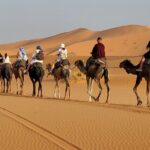
- The Zagora desert camel trek: your moving window into the sand
- Berber camp under the stars: what comfortable usually means
- Meals on the tour: dinner and breakfast, with a few reality checks
- Price and value: $71.58 for transport, guide, camp, and camel time
- Group size of up to 15: good for vibe, can affect pacing
- Who should book this Zagora camel-and-camp trip?
- Should you book it?
- FAQ
- How long is the Zagora tour from Marrakech?
- What time does the tour start?
- What’s included in the price?
- What is not included?
- Is pickup available from Marrakech?
- What is the cancellation policy?
Key points before you go
- Small group (max 15): easier pace and more room for questions.
- Guided Aït Ben Haddou visit: you’ll see what makes the kasbah special without guessing.
- Camel trek in Zagora: a classic ride, not a quick photo stop.
- Overnight Berber camp: sleeping under the stars is the main event.
- Meals included: dinner and breakfast are covered, but lunch and drinks are not.
Leaving Marrakech at 7:00 am: the ride that sets the tone
Your day begins early, with a 7:00 am start. That’s a big part of why this tour works as a two-dayer: you use daylight for the drive toward the Atlas region and the south. Pickup is offered, and the tour includes round-trip transport from Marrakech, so you’re not juggling taxis or figuring out meeting points on your own.
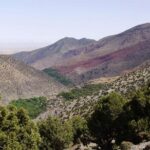
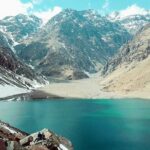
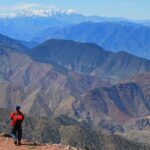
From a comfort standpoint, you’re in an air-conditioned vehicle. That matters because the time on the road is the main tradeoff here. In the real world, you’ll spend a lot of the day seated while the scenery changes outside your window—Atlas terrain up top, then the feeling of going farther into Morocco’s drier zones.
My practical take: this isn’t the kind of trip where you’re constantly hopping out every hour. If you’re the type who gets antsy in a vehicle, plan to keep yourself entertained—download offline maps and music, bring a book, and don’t rely on frequent bathroom stops.
You can also read our reviews of more tours and experiences in Marrakech.
Aït Ben Haddou: why this UNESCO kasbah is worth your time
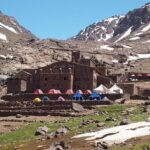
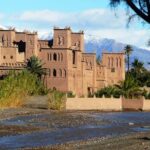
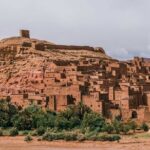
The highlight on many people’s minds is Aït Ben Haddou, and for good reason. This tour includes a guided visit to the kasbah, and that guidance is the difference between seeing old walls and understanding why they’re legendary.
A kasbah isn’t just pretty architecture. It’s built for survival—thick walls, strong geometry, and a layout designed around community life and protection. With a guide, you’ll get the story behind what you’re looking at, instead of just snapping photos and moving on.
What I like about this setup: you’re not stuck in a rushed checklist. You’re brought to a major site, guided through it, and then you can take a breath and explore at your own pace after the key points are covered. That’s where you’ll notice the details—doorways, pathways climbing the edge of the site, and views looking back toward the surrounding valley.
If you’re sensitive to crowds, go slow. The kasbah can get busy on certain days, so choose a spot, pause for a few minutes, and let the best light come to you.
Ouarzazate and local village stops: culture between the big sights
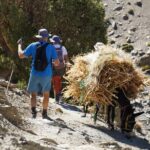
On the way to Zagora, you’ll also hit Ouarzazate and local villages along the route. The exact timing of stops can vary, but the tour is built around giving you more than one “main photo.” You’ll have chances for scenic breaks and short moments for shopping, plus viewpoints where you can stretch your legs.
This is where the trip starts to feel like Morocco rather than just a drive. You’ll see everyday village life and the small businesses that pop up in transit areas. Those stops can be great for souvenirs, but keep your expectations grounded: some visits are organized and guided, which means you may feel less freedom to roam without check-ins.
One useful mindset: think of these moments as “cultural windows.” Don’t expect a full independent exploration of every stop. If you want to wander on your own, you can ask your guide when you have time to step away briefly.
The Zagora desert camel trek: your moving window into the sand
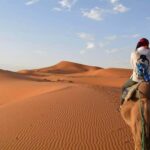
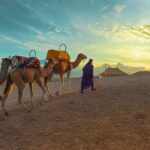
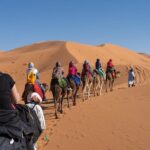
The camel ride is a central part of the Zagora experience here, and it’s the kind of activity that turns a trip into a memory. You’ll take a trek in the desert area, and the ride is long enough to feel like more than a quick pose-and-go.
Here’s what I think you should prepare for:
- It’s not a smooth ride. Expect a rocking, rhythmic feel.
- It’s slow and scenic. The whole point is to move through the desert and look at how space changes when you’re out there.
- You’ll want photos, but also quiet time. The best moments often happen when you stop chasing the camera.
A big tip: keep your phone stable and protected. Sand finds its way into everything, and the ride is exactly the wrong time to realize you didn’t pack a simple zip bag.
Also, remember this is a camel trek, not a luxury tour of the dunes. You’re trading “perfect comfort” for the real experience. Most people come away grinning because it’s different, physical, and very Morocco.
Berber camp under the stars: what comfortable usually means
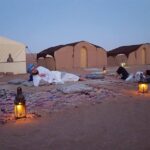
Night in a desert camp is the other centerpiece. The tour includes one overnight in a comfortable camp under a starry sky, with dinner included. This is the part of the trip that slows down everything else.
Your camp experience will feel simple, not fancy. You’re sleeping in a Berber-style tent setting, and the whole atmosphere is built around night in the desert: darkness, sky, and a break from city rhythms. If you love that “power cut from the world” feeling, this is why you booked.
Practical expectation-setting matters here. Some people note there aren’t showers and that water can be limited for freshening up. So if you’re the kind of traveler who needs to rinse off at night to feel human again, plan ahead.
My quick packing advice for the camp:
- Bring wet wipes and/or a small pack of face wipes.
- Bring a small towel or packable cloth.
- Wear layers you can adjust, because desert evenings can feel cool after the day heats up.
If you go in knowing it’s a camp night—not a hotel night—you’ll enjoy it a lot more.
Meals on the tour: dinner and breakfast, with a few reality checks
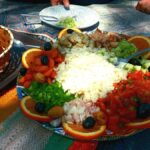
Dinner and breakfast are included. That’s a smart value point for a two-day tour, because food hunting can eat up time and energy. Dinner is part of your camp evening, and breakfast is the morning starter before you head back.
The catch is that dinner tends to be solid for most people, while breakfast can be more basic than you’d hope—short, simple, and not always the kind of sit-down spread you’re picturing. You might find it’s quick, and not designed for lingering.
And drinks aren’t covered beyond what’s included with your meals. Soda/pop isn’t included, and lunch isn’t included either. So if you like to sip during travel breaks, plan to buy water and extra drinks along the way (or bring what’s allowed and practical).
Also: water matters in the desert. If you’re expecting a convenient water setup for washing, adjust your expectations and bring what you need.
Price and value: $71.58 for transport, guide, camp, and camel time
At about $71.58 per person, the value here comes from what’s bundled into those two days. You’re paying for:
- round-trip Marrakech transfers
- an air-conditioned vehicle
- a guided visit to Kasbah Aït Ben Haddou
- dinner and breakfast
- one overnight in the camp
- the camel ride
If you tried to piece this together yourself—transport out of Marrakech, entrance/guiding for the kasbah, and an overnight camp with camel time—you’d likely find it costs more, especially with your time and planning effort.
So the price feels fair if you want a guided, structured experience and you’re comfortable with a tour rhythm. If you want total freedom—staying longer at sites, building your own desert camp schedule, and moving at your own pace—this fixed format might start to feel limiting.
Group size of up to 15: good for vibe, can affect pacing
A maximum of 15 travelers keeps things manageable. That size is usually big enough to meet people on the ride, but small enough that the guide can still keep track of everyone.
The tradeoff is still real: in a small group, you still follow timing. When the bus leaves, it leaves. When the group gathers, you gather. You’ll have chances to stop for photos and brief explorations, but it’s not fully “wander whenever you want.”
Language is another variable. One downside that shows up is that Spanish may not be available, and communication can feel limited in some towns if you’re counting on your guide to translate everything.
My practical approach: use simple travel phrases, be patient, and treat the guided portion as your anchor for understanding. If you speak English or French, you’ll likely manage better, but don’t build your whole experience on perfect translation in every village stop.
Who should book this Zagora camel-and-camp trip?
This tour is a strong fit for you if:
- you want a two-day taste of Zagora without committing to a longer desert itinerary
- you like guided cultural stops (especially Aït Ben Haddou)
- you want camel time and a desert night, not just a day trip
- you prefer small-group logistics over hiring everything independently
It may not be the best fit if:
- you hate long bus hours and want constant stops
- you need showers or lots of water for personal comfort
- you expect consistent Spanish-language support throughout
If you’re flexible and excited by the desert’s “simple and slow” rhythm, this one makes sense.
Should you book it?
If your dream is: Kasbah history in the daylight, camel time in the sand, then an overnight camp under stars—book it. The bundled value is real, and the structure is built for getting you out of Marrakech and back in two days without wasting days in planning.
My advice for making it feel smooth:
- pack for limited washing (wipes are your friend)
- bring water habits you can trust
- keep your budget ready for lunch and drinks, since they’re not included
- be flexible about language and village timing
If you want a guided route with a classic desert experience and you don’t mind a few hours on the road, this is a good bet.
FAQ
How long is the Zagora tour from Marrakech?
The tour runs for 2 days (approx.).
What time does the tour start?
The start time is 7:00 am.
What’s included in the price?
Included are dinner and breakfast, an air-conditioned vehicle, 1 overnight in a comfortable camp under a starry sky, a camel ride, a guided visit to Kasbah Aït Ben Haddou, and round-trip transfers from Marrakech.
What is not included?
Lunch and soda/pop are not included.
Is pickup available from Marrakech?
Yes, pickup is offered.
What is the cancellation policy?
You can cancel for a full refund up to 24 hours before the experience’s start time (free cancellation).