REVIEW · MARRAKECH
4 Days Group Budget Merzouga Desert Tour and Trekking
Book on Viator →Operated by Morocco First Gate · Bookable on Viator
Camels, canyons, and kasbahs in four days. This 4-day desert trip is the kind of plan where you trade long travel days for real stops: the High Atlas pass, Ait Benhaddou, Todra Gorge, and then Morocco’s best-known dunes at Erg Chebbi. You get time to slow down, not just check boxes.
I especially like the sunrise and sunset camel treks in Erg Chebbi, because you’re there twice and both moments feel different. I also like that the route mixes famous sights with practical breaks—like the palm groves and gorge walks—so you’re not just staring out a bus window. One thing to consider: this is a group tour with up to 30 people and long driving stretches, so it’s not the best fit if you need lots of privacy or a very light day-to-day pace.
In This Review
- Key Highlights You’ll Care About
- A Budget-Friendly 4 Days Into the Moroccan Desert World
- Marrakech to Ait Benhaddou via Tizi n’Tichka: Kasbah Views and a Real First Day
- What can feel awkward on Day 1?
- Skoura and Dades Gorge: Berber Villages, Palm Groves, and Your First Overnight
- A practical tip for this day
- Todra Gorge Trek and Erg Chebbi Camel Time: Where the Tour Becomes the Desert
- Todra Gorge trek: the walk you feel in your legs
- Then: Erg Chebbi at sunset, plus the camel rhythm
- Why this feels worth it
- Merzouga Sunrise, Shower, and the Drive to Ouarzazate via Rissani
- The main downside of Day 3
- Ouarzazate Return Route: Souks, High Atlas Crossing, and Getting Back to Marrakech
- What makes this a good ending
- What You Really Get for the $587.28 Price
- Where the value shows up in real life
- Guide Factor: Hamid’s Explanations and the Comfort That Comes With Planning
- Who This 4-Day Group Tour Fits Best
- Should You Book This 4 Days Merzouga Desert Tour and Trekking?
- FAQ
- How long is the 4 Days Group Budget Merzouga Desert Tour and Trekking?
- Where does the tour start and end?
- Is pickup included?
- What’s included for desert activities?
- How long is the sunset camel ride?
- Where will I sleep during the tour?
- Are meals included?
- Are there any physical requirements?
- What’s the maximum group size?
- What happens if the tour is canceled due to weather?
Key Highlights You’ll Care About
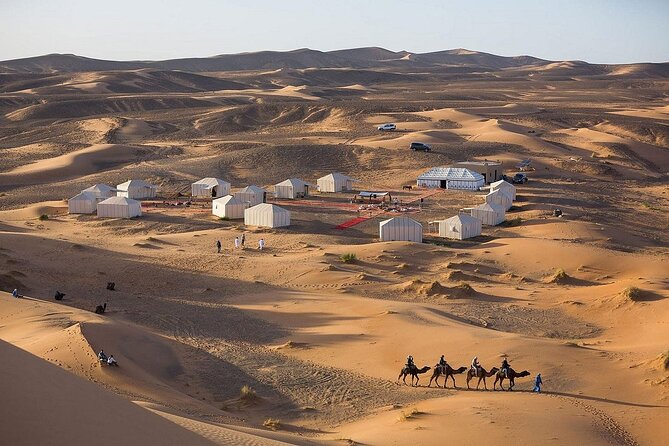
- Two camel rides (sunrise and sunset) included so you get morning light and evening glow
- Erg Chebbi bivouac nights under nomadic tents or under the stars
- Todra Gorge trek along dramatic canyon walls, about 300 m high
- High Atlas scenery loop with the Tizi n’Tichka pass and views from 2260 m
- Comfort + food focus from hotels and camp arrangements, with dinner included on multiple nights
- Extra time than the 3-day version means less rush and more breathing room between stops
A Budget-Friendly 4 Days Into the Moroccan Desert World
This is a group budget tour, but it doesn’t feel like a “cheap and cheerful” shuffle. The big advantage of choosing the 4-day version is simple: you get a steadier rhythm. You drive, you stop, you walk, you eat well, then you sleep in proper places before the next move. A shorter plan can feel like a sprint; this one gives you a bit more room to actually enjoy the day.
Your comfort comes from the practical stuff that matters on road trips through Morocco. You’re in an air-conditioned vehicle, with pickup and drop-off in Marrakech, and you’ll be in motion across classic routes like the High Atlas pass and the Dades and Todra valleys. You also get 3 overnights spread across hotel nights and a desert bivouac, so you’re not just commuting to a single highlight.
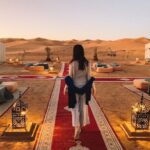
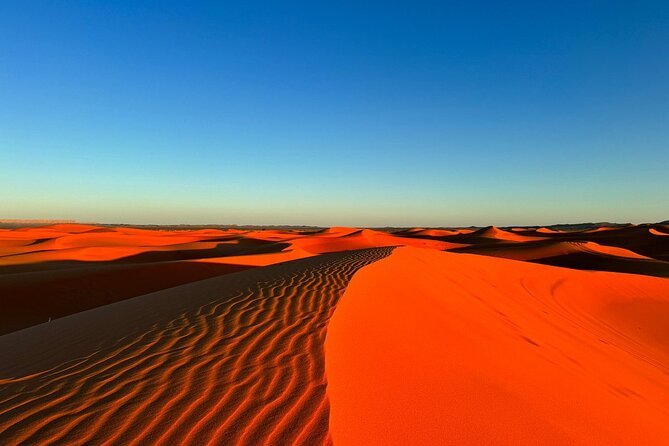
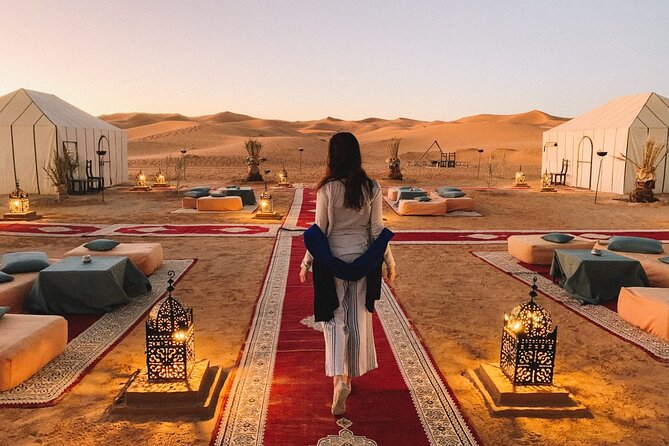
And the desert part is the main event. Erg Chebbi isn’t only a photo stop. You get sunset camel trekking into the dunes, then a night sleeping in a bivouac setting (nomadic tents or outside, depending on how it’s run). Then you’re back up early for sunrise camel trekking, with a shower and breakfast afterward. That’s the kind of pacing that helps the desert feel like an experience, not a drive-by.
One more detail I like for first-timers: this plan includes cultural stops along the way, not just dunes. You’ll pass through places like Ait Benhaddou (a fortified village known for kasbahs and movie shoots) and you’ll reach souks in southern Morocco later. It’s a tour that tries to connect the dots between regions.
You can also read our reviews of more tours and experiences in Marrakech.
Marrakech to Ait Benhaddou via Tizi n’Tichka: Kasbah Views and a Real First Day
Day 1 is basically your “big entrance” into southern Morocco. You leave Marrakech in the morning and head across the High Atlas mountains via Tizi n’Tichka (2260 m). Even if you’re tired from travel the night before, you can expect your first payoff to be the sheer scale of the pass. High Atlas roads are famous for switching scenery fast—towns, valleys, mountain curves, and that moment when you realize you’ve really left the coast-like rhythm of the north.
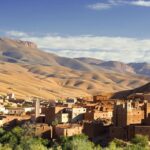
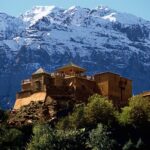
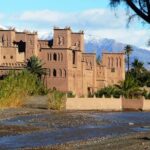
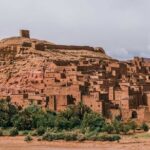
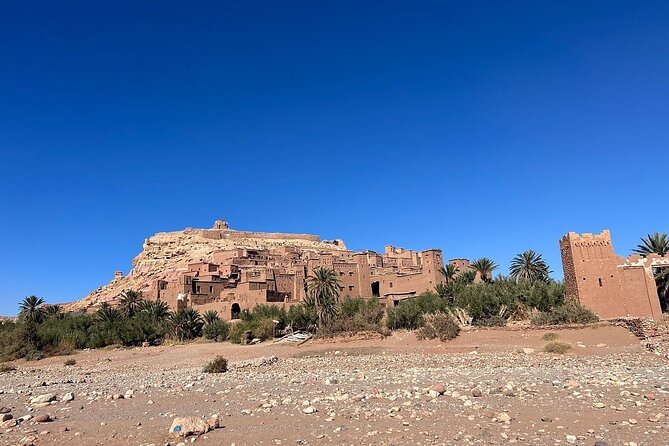
Next, you stop at Ait Ben Haddou, the fortified ksar with its kasbahs. This is the place you’ve probably seen in films, and that cinematic look isn’t random. The village is built to endure, with clustered architecture and a distinctive shape against the surrounding hills. On your timeline, you’re given time for the stop, and the route schedule lists entry as free for the visit block.
After lunch, you continue toward the Dades area, with stops that help the drive feel like sightseeing instead of transit. You’ll pass through Ouarzazate and stop at the Skoura palm grove and the Valley of Roses region. Then you spend the first night at a traditional hotel in the Dades area.
What can feel awkward on Day 1?
It’s a long first day, and the road will eat up time. If you’re the type who hates being “on the move” before lunch, plan for that. The good news is the route gives multiple visual breaks, and the Ait Benhaddou stop is the sort you remember long after you’ve forgotten the exact minutes of your schedule.
Skoura and Dades Gorge: Berber Villages, Palm Groves, and Your First Overnight
Day 1 and Day 2 are tied together by the same theme: you’re learning how this part of Morocco lives. After Ait Benhaddou and your onward drive, you reach the Dades gorge region and check into a traditional hotel for the first overnight.
The stops you’ll see on this stretch matter because they show how water shapes everything. The itinerary specifically calls out the palm grove in Skoura, which is a classic visual lesson in southern Morocco: palms often mark where you can build life and agriculture in otherwise tough terrain. The Valley of Roses area is also on your route, and even if you’re not there during peak bloom, the region still gives you that sense of a landscape managed for seasons.
Then there’s Dades itself. Even if you don’t spend hours walking in every gorge viewpoint, the drive through the Dades area is one of those “I get it now” moments. The roads thread through colorful Berber villages and gorge walls, and you’re traveling with stops timed for your energy level.
Also worth noting: the tour includes dinner on three nights, and breakfast on two mornings. That means you’re not spending every evening deciding where to eat after a travel day. You’ll still pay for lunch and drinks on your own, but breakfast and dinners are handled.
A practical tip for this day
Bring a light layer even in warm months. Mountain weather changes, and by the time you’re up in the passes, evenings can feel cooler. It’s the kind of thing you notice most when you’re trying to get comfortable after the drive.
Todra Gorge Trek and Erg Chebbi Camel Time: Where the Tour Becomes the Desert
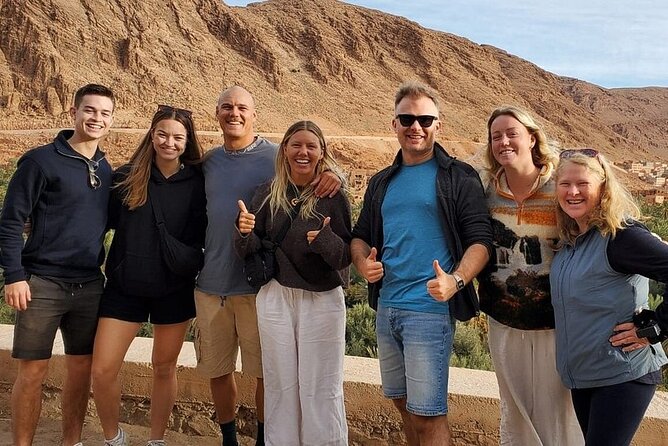
Day 2 is the transition day: you go from canyon to dunes.
You start after breakfast with visits around the Dades valley, including the drive described as going through the road of 1000 kasbahs. You’ll pass Berber villages in the valley, then head toward Tineghir with its palm grove before reaching Todra Gorge.
Todra Gorge trek: the walk you feel in your legs
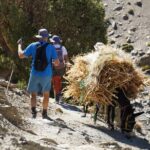
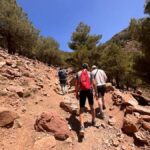
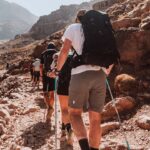
At Todra Gorge, you get a trek along canyon walls about 300 m high. This is where the tour turns into active travel. The schedule calls this a preferred area for mountain climbers, which tells you the canyon isn’t just scenic—it’s steep and dramatic. The trek is a set block of time, and you’ll be walking with that canyon towering close on one or both sides.
If you have moderate physical fitness, you’ll likely be fine. But still, wear shoes with real grip. Canyon rock can be uneven, and you don’t want to worry about slipping while you’re trying to enjoy the view.
Then: Erg Chebbi at sunset, plus the camel rhythm
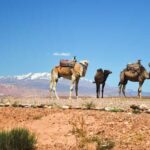
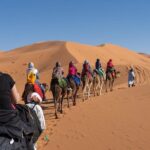
After Todra, you head to Erg Chebbi. Once you arrive, the schedule gives you time for lunch on the way (but remember: lunch isn’t included, so you’ll want cash/quick access for food). Then it’s off to the dunes for camel ride (about 1 h 30 min) with sunset timing.
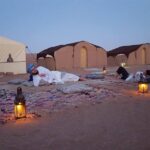
This is the part that tends to score big for people. The itinerary is built around watching the light shift over the sand, not just getting a quick ride. You’ll also reach the camp in an oasis area and spend the night in a bivouac: nomadic tents or sleeping outside under the stars. And yes, there’s a cultural moment included—you can play drums with the camel drivers.
Why this feels worth it
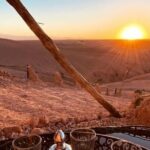
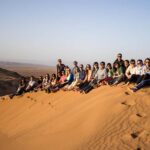
Because you’re doing it in the right order. Most people mess up desert time by showing up late and leaving early. Here, you arrive for sunset, then you stay for the night, then you return for sunrise the next morning. It’s two chances for the desert to look different, and both are part of the experience rather than an add-on.
Merzouga Sunrise, Shower, and the Drive to Ouarzazate via Rissani
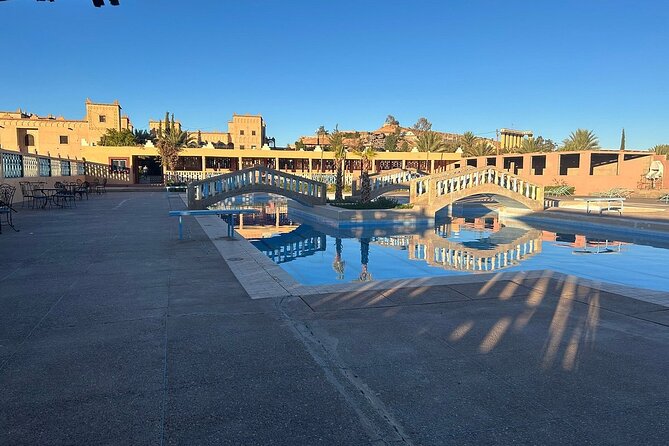
Day 3 starts early on purpose. You wake up to climb the dunes for sunrise, then you pack up the camels and trek back to the dune line. The plan then gives you the comfort break you’ll appreciate: you shower and eat breakfast at the hotel before heading onward.
From there, you drive to Ouarzazate via Rissani. Rissani matters because it connects the desert region to everyday markets. You’re scheduled to stop at traditional souks in Ouarzazate, described as the largest in southern Morocco. Souks are chaotic by nature, so the value here is having a guided stop in the middle of your route rather than trying to time it on your own.
Then you continue through the Draa valley, described as having millions of palm trees. Even if you don’t count palms (please don’t), the drive gives you a sense of scale—how water systems support farms and towns in a harsh climate.
In the evening, you arrive in Ouarzazate and check into a hotel.
The main downside of Day 3
It’s a “morning plus driving” day. Sunrise requires an early start, and then the rest of the day is on the road. If you sleep lightly, plan for early wake-up and don’t expect a lazy morning.
Ouarzazate Return Route: Souks, High Atlas Crossing, and Getting Back to Marrakech
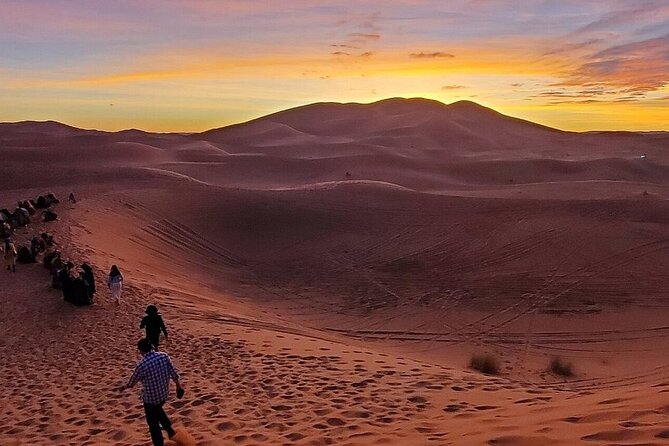
Day 4 is your return day, and it’s planned to end smoothly rather than turning into an all-day scramble.
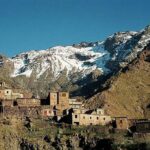
After breakfast, you’ll visit Ouarzazate briefly, then continue back toward Marrakech. The itinerary includes a detour to a traditional High Atlas Berber village, and it includes the key act of crossing the High Atlas mountain range again.
You’ll finish with a drop-off near your hotel in Marrakech. That last detail matters if you’re trying to plan evening time on your final day instead of wondering where you’ll be dropped.
What makes this a good ending
The tour doesn’t just throw you straight back into a city without context. You still get one last cultural stop before the mountain crossing. That helps the trip feel like a full loop: mountains in, desert peak, then mountains out.
Also, the tour keeps things realistic with the inclusion of transport and structured stops. You’re not left negotiating every leg on your own.
What You Really Get for the $587.28 Price
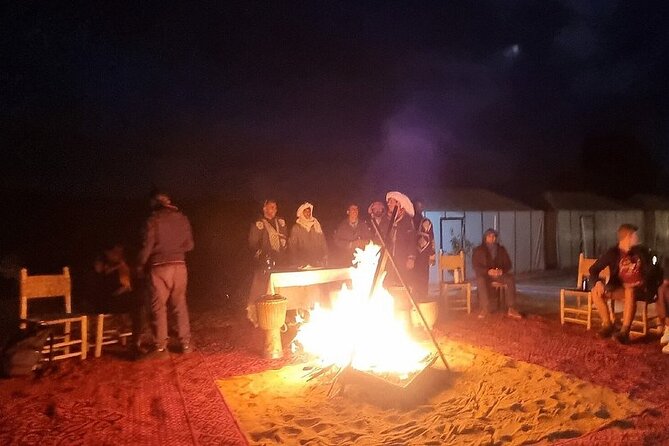
At $587.28 per person, this tour is positioned as a budget option, but it includes several expensive-to-recreate pieces.
You’re paying for:
- Air-conditioned vehicle across multiple regions
- Pickup and drop-off in Marrakech
- Camel trekking twice (sunset and sunrise)
- 3 overnights (hotel nights plus a desert bivouac night)
- Dinner on three nights and breakfast on two mornings
- A structured route with built-in stops like Ait Benhaddou, Todra Gorge, and souks
The trade-offs are also clear. Lunch and drinks aren’t included, and you’ll handle them on your own. Tips to the driver are also not included. If you’re the type who plans every meal carefully, factor in lunch costs.
Where the value shows up in real life
The best value here is the desert pacing: sunset trek + sunrise trek and at least one night in the dunes area. You’re not just paying for a camel ride; you’re paying for time in the desert with rest and meals handled. That’s usually the difference between a frustrating “photo trip” and a night you actually remember.
It also helps that the experience has a small-to-medium group cap—maximum of 30 travelers—so you’re not in a massive bus crowd all the time. And the tour timing includes entry blocks listed as free for some major stops, like the Ait Benhaddou visit and the gorge blocks.
Guide Factor: Hamid’s Explanations and the Comfort That Comes With Planning
One of the most praised pieces of this kind of trip is usually the guide. In this case, the name that comes up is Hamid. The compliments line up with what you need on routes like this: someone who can explain what you’re seeing while also keeping the timing workable, especially when you’re juggling long drives and a sunrise schedule.
The other recurring theme is comfort. People highlight that the hotels and camp were comfortable, and that food was good—including Moroccan meals during the trip. That matches the tour’s structure: with breakfast and dinners included across multiple nights, you aren’t constantly searching for somewhere to eat after a travel day.
If you care about comfort but still want value, this is where group budgeting can work. You get the “big moments” without paying for private everything.
Who This 4-Day Group Tour Fits Best
This itinerary is ideal if you want:
- A first-time friendly route from Marrakech into the Atlas and Sahara
- A balance of sightseeing + walking + desert time
- The two-desert-moment package: sunrise and sunset camel trekking
- Included meals and organized lodging over self-planning every night
It may be less ideal if:
- You hate long road days (Day 1 and Day 4 are both scheduled as longer blocks)
- You need lots of downtime or quiet time during transit
- You’re very sensitive to early starts (sunrise is built in)
The tour also states a moderate physical fitness level is required. That likely fits most people who can do a canyon walk and handle a short trek, but you shouldn’t treat it like a zero-effort vacation. Bring proper shoes and a calm attitude.
Should You Book This 4 Days Merzouga Desert Tour and Trekking?
I’d book it if you want Morocco to feel like a journey, not a checklist. The combination of Tizi n’Tichka, Ait Benhaddou, Todra Gorge, and then the Erg Chebbi sunrise + sunset package is a strong flow for a 4-day trip. Add in included dinners, air-conditioned transport, and organized overnights, and you’re getting more than just transport to the dunes.
I’d hesitate if you’re chasing maximum independence or you dislike group travel. With up to 30 travelers, you should expect a shared pace and shared timing, especially around desert camel rides.
Final thought: if you’ve ever dreamed about sleeping under desert skies and doing the camel ride at both ends of the day, this one is built to deliver that—without requiring you to plan every step yourself.
FAQ
How long is the 4 Days Group Budget Merzouga Desert Tour and Trekking?
It’s approximately 4 days.
Where does the tour start and end?
It starts in Marrakech, and you’re dropped off near your hotel in Marrakech at the end.
Is pickup included?
Yes, pickup and drop-off are included.
What’s included for desert activities?
Sunset camel trekking in Erg Chebbi and sunrise camel trekking in Erg Chebbi are included.
How long is the sunset camel ride?
The schedule lists about 1 hour 30 minutes for the camel ride during sunset.
Where will I sleep during the tour?
You’ll have 3 overnights. The itinerary includes a traditional hotel for nights outside the desert and a bivouac at Merzouga with nomadic tents or outside under the stars.
Are meals included?
Breakfast is included for 2 mornings, and dinner is included for 3 nights. Lunch and drinks are not included.
Are there any physical requirements?
The tour notes a moderate physical fitness level is required.
What’s the maximum group size?
The tour has a maximum of 30 travelers.
What happens if the tour is canceled due to weather?
It requires good weather. If canceled due to poor weather, you’ll be offered a different date or a full refund.