REVIEW · KANDY
Knuckles Spice Trail Trek from Kandy
Book on GetYourGuide →Operated by Nature Paradise Tours · Bookable on GetYourGuide
Knuckles Spice Trail trekking turns a basic hike into a full-on sensory day of tea plantations and mountain nature. You’ll walk tea state trails, pine and eucalyptus paths, and then step into terrace rice fields and a traditional village atmosphere.
The one thing I’d consider: rain can make parts of the trail slippery and, in wet spells, you might even encounter leeches.
In This Review
- What to know before you lace up
- Key highlights at a glance
- Knuckles Spice Trail from Kandy: what makes it special
- Timing and trail profile: 8 hours total, 10–15 km on a smooth medium grade
- Tea plantations and the pine–eucalyptus start
- Waterfall crossing and the natural swimming pool
- Terrace rice fields and the switch to gardens
- Traditional village life and a meal you’ll actually remember
- Cloud-forest views, wildlife moments, and the value of a specialist guide
- What to bring: your packing list for comfort and the swim
- Price and value: is $101 per person worth it?
- Should you book this trek from Kandy?
- FAQ
- How long is the trekking portion?
- What time does pickup start in Kandy?
- How far is the trek each day?
- Is there swimming during the trek?
- What kind of terrain is it?
- Is the tour guide English speaking?
- What’s included in the price?
- What should I bring?
- What’s the cancellation policy?
What to know before you lace up
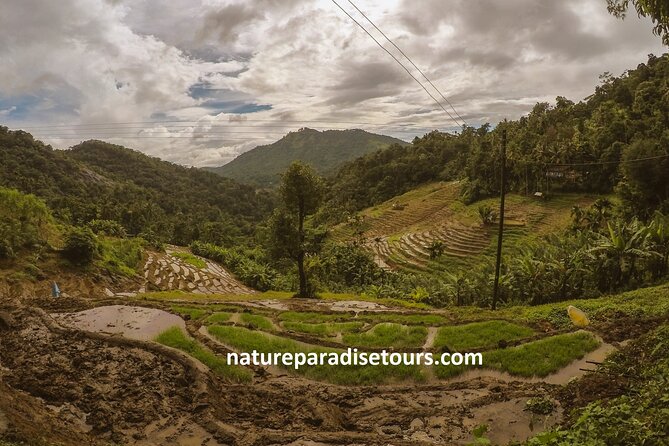
This is a half-trek, half-exploration day. Expect a guided route through the Knuckles area with plant and spice explanations, plus a built-in break at a waterfall crossing and a natural swimming pool. If you’re happy with 4–5 hours on uneven ground (even at a smooth medium grade), this day trip style fits really well.
Key highlights at a glance
- Tea plantation strolling and cloud-forest air along the route up into the hills
- Spice forests, spice gardens, and herb spotting with practical guide explanations
- Waterfall crossing plus a natural swimming pool to cool off mid-trek
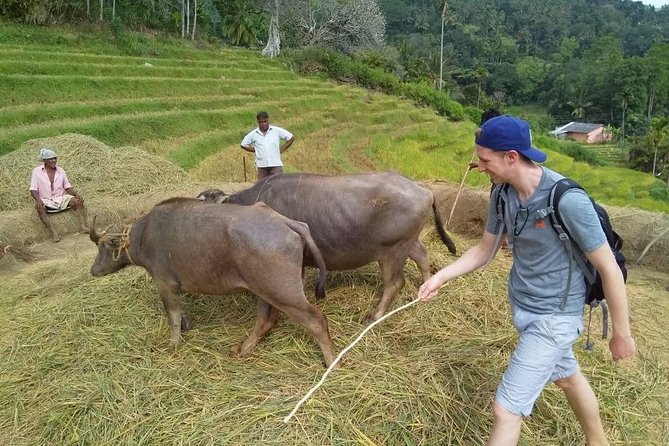
- Magical terrace rice fields that make the route feel picture-perfect without being just photo stops
- Traditional village time with vegetable gardens, spice gardens, and an authentic local meal
- English-speaking specialist guiding (including guides like Lakmal and Ashoke)
You can also read our reviews of more tours and experiences in Kandy.

Knuckles Spice Trail from Kandy: what makes it special
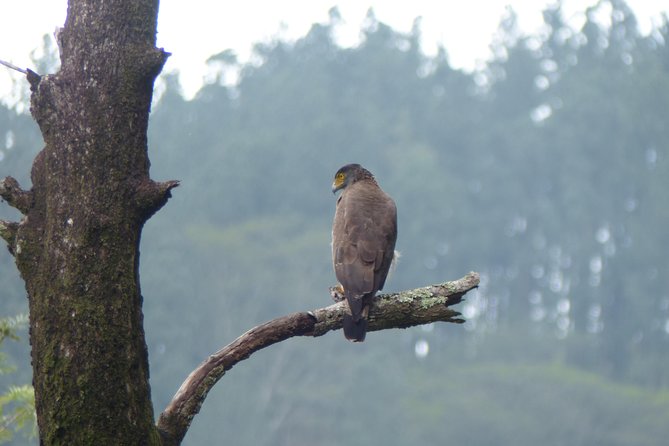
If you like your Sri Lanka days to feel hands-on, this trek delivers. One moment you’re in tea country, walking through shaded forest corridors. The next you’re seeing how terrace rice fields shape the hillsides, then finishing in a village setting where gardens and daily life are part of the route, not a separate side quest.
I love that the tour is built around more than scenery. The guide’s focus on plants, spices, tea, coffee, fruit, and vegetables makes you look at the hillside like a living pantry. A couple of guide names show up in past groups (Lakmal and Ashoke), and that matters because this isn’t a generic “follow the leader” hike.
The other big win is the pacing. It’s a long day, yes, but the trekking blocks and breaks are spaced so you can enjoy the views instead of racing the clock.
Timing and trail profile: 8 hours total, 10–15 km on a smooth medium grade
This day runs about 8 hours from Kandy to Kandy. Pickup is 7:00–7:30 am. The trek starts around 9:30–10:00 am and typically ends 2:30–3:00 pm, with the drive back taking about 1.30 hours.
You’ll cover roughly 10–15 km with a smooth medium grade. The elevation range is listed at 1000 to 500 meters, so you’re working within a comfortable hill zone rather than extreme climbing.
What this means for you:
- Bring patience. The route includes crossings and forest segments, so time will feel more “day hike” than “workout.”
- Plan for weather. Mountain areas can shift fast, and one review described heavy rain early on—conditions were still manageable, just messier.
Tea plantations and the pine–eucalyptus start
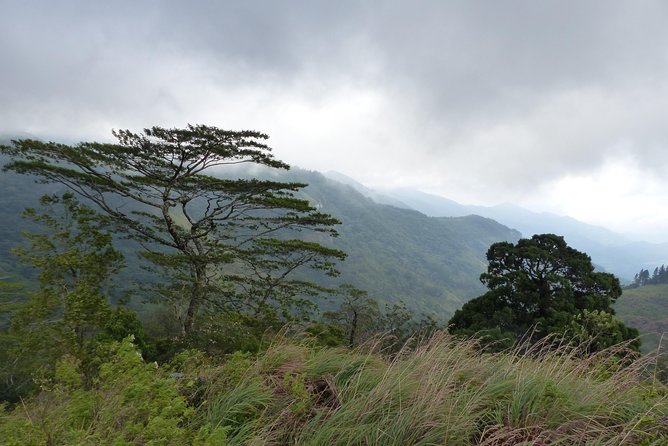
Most of the magic starts once you begin trekking. The route is described as going through tea state trails and then into pine & eucalyptus forest. This mix is a big reason the day feels varied. Tea plantations give you open, cultivated slopes and wide sightlines. The forest segments add shade, cooler air, and that woodland feeling where you notice small things—birds, small animals, and butterflies.
This is also where the guide makes the walk more meaningful. Expect explanations about how plants grow, what’s used, and what you’ll recognize later when you drink tea or cook with spices back home. In past groups, people noted tasting or smelling certain plants and understanding what goes into the final products used in Europe.
If you want a hike that teaches while you walk, this start section is the foundation.
Waterfall crossing and the natural swimming pool
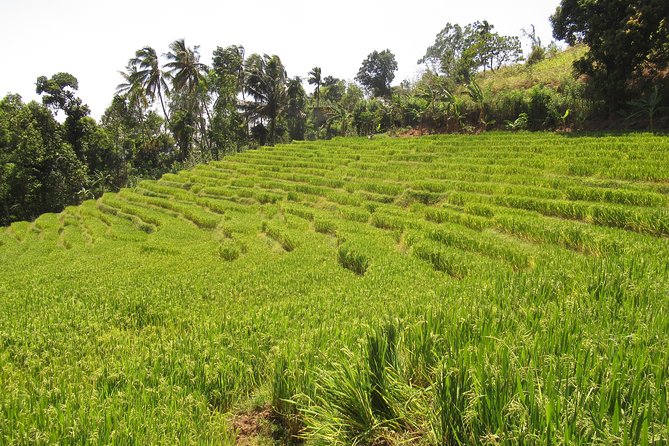
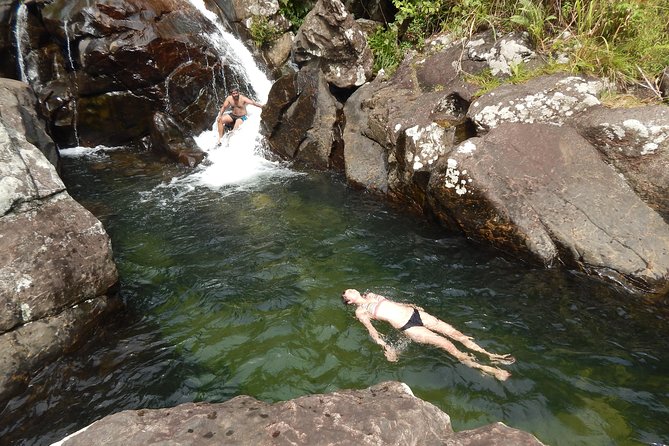
Halfway through, you’ll hit the part many people remember: a waterfall crossing and a natural swimming pool. Bring swimwear and be ready for chilly water if conditions are cool. One review even pointed out that fish may nibble at your feet while you’re in the pool—oddly fun if you’re not afraid of surprises.
This stop is valuable in a way that’s more than just entertainment. In humid mountain weather, a real water break helps you reset. It also breaks the trek into chunks, so the day doesn’t feel like one long grind.
One practical consideration: if it’s rained hard, trails can get slick and damp. A review mentioned leeches during a rainy portion of the day. You can’t control the weather, but you can control your readiness.
Terrace rice fields and the switch to gardens
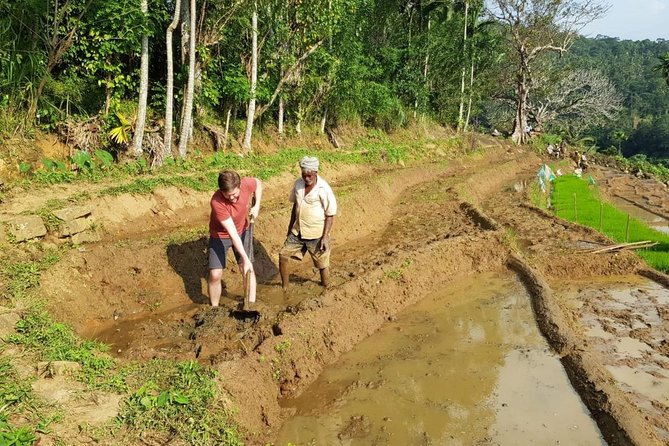
After the swim break, the route moves into some of the prettiest farmland walking in Sri Lanka: terrace rice fields. This part has that stepped-hillside look that’s both photogenic and educational. You start noticing how water and planting work together on slopes, and why terrace farming matters in hilly country.
On the way, you’ll also pass vegetable gardens and spice gardens. This matters because it bridges what you saw earlier (tea and forest plants) with what you’ll experience later (village culture and lunch). Instead of only seeing spice “forests” as scenery, you’re seeing where daily food and flavor come from.
Expect frequent opportunities to look down at plant details, not just up at views.
Traditional village life and a meal you’ll actually remember
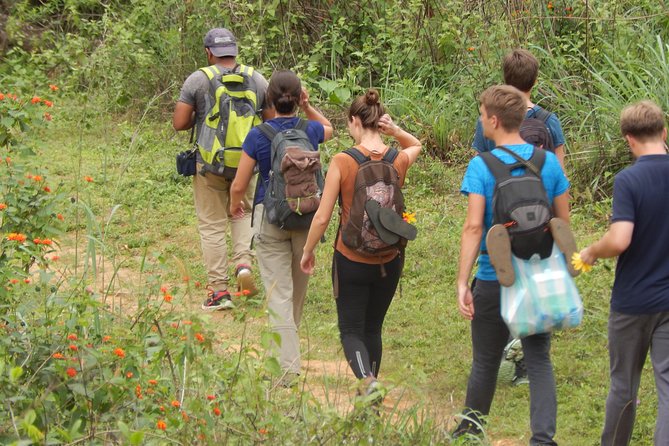
The trek finishes by entering a traditional village, where you can observe everyday life and garden work. This isn’t framed as a staged show. It’s more like: you’re walking along the same human rhythms that keep these hillsides running—fresh air, visible crops, and people who live with the land as their neighbor.
You’ll reach a lunch stop that’s included, either as a picnic lunch or a village authentic lunch. Reviews call this meal a highlight: fresh food, a satisfying rice-and-curry setup, and real cooking done by locals. One review also noted a vegetarian request being accommodated, so if you eat that way, it’s worth flagging ahead when you book.
Even if you’re not a “food person,” this is a good finish because it turns the day’s plants and spices into something you can taste.
Cloud-forest views, wildlife moments, and the value of a specialist guide
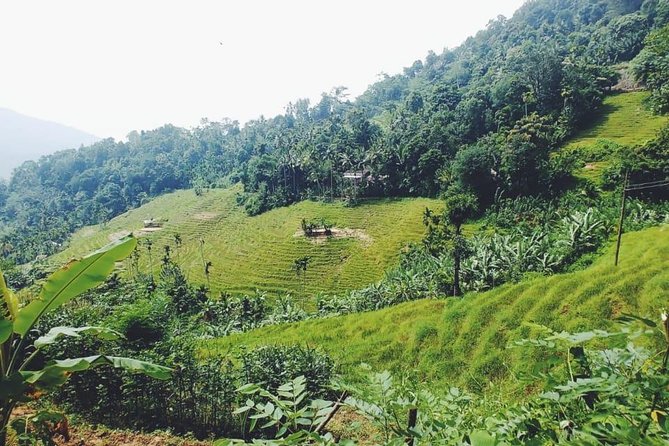
The description of the route includes cloud forest time and lots of nature spotting: birds, small animals, and butterflies. You may not spot every animal on every day, but this kind of guided route increases your odds because the guide knows where to look and what to point out.
This is where the guide quality really matters. Past participants specifically praised explanations from guides like Lakmal and Ashoke, calling out the way they connected plants, fruit, spices, and how work becomes the products you buy later. The best part is that these aren’t only facts. They’re hooks that help you recognize things in the world, not just on the trail.
If you like “learn as you walk,” this is one of the stronger guided trek styles from Kandy.
What to bring: your packing list for comfort and the swim
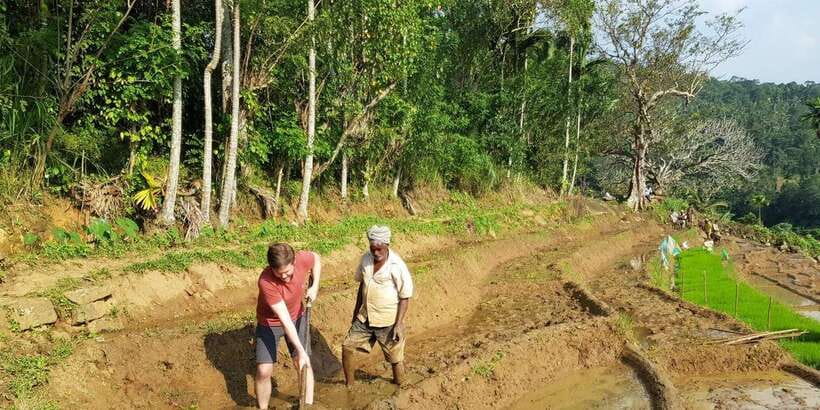
Based on what the tour asks you to bring, pack to handle both sun and sudden wet conditions.
Bring:
- Trekking shoes with grip
- Rain jacket or rain gear
- Small back pack
- Sun cream
- Comfortable clothes suited to muddy paths
- Swimwear / swimming cloths for the natural pool
Also think like a hiker for half a day: even with water provided, you’ll want your essentials easy to reach. If you hate wet clothes, bring an extra layer or plan to change afterward.
Price and value: is $101 per person worth it?
At $101 per person, you’re not just paying for walking. You’re paying for the full day package: specialized guide, transport, entrance ticket, lunch, plus water and snacks, and even passenger insurance.
Here’s how I’d judge value:
- If you were to arrange transport, a guide, and lunch yourself in Kandy, you’d likely spend similar money, and you’d still lack the organized route through tea, spice, village gardens, and that waterfall pool stop.
- The trek covers 4–5 hours on foot inside a broader 8-hour day, with the “why” of the walk supported by plant-and-spice explanations.
If you want a day that feels active but not stressful, and you’ll enjoy learning from a local specialist, the pricing makes sense.
Should you book this trek from Kandy?
Book it if you want a guided hike that’s balanced: tea + forest + rice terraces + village lunch, with a real chance to cool off at a natural swimming pool. It’s especially worth it for couples and small groups who like nature but also like context—how plants become food, tea, and spices.
Skip it or rethink if:
- You strongly dislike damp conditions or uneven ground.
- You don’t want any chance of getting wet (the waterfall pool is a key feature).
- You’re not comfortable with a medium-grade hike.
One more practical note: the tour runs with a fairly early start, and it’s a private group with an English live guide, which is a good match if you’d rather ask questions than just watch silently.
FAQ
How long is the trekking portion?
The trekking portion is about 4 to 5 hours, within a total day that runs around 8 hours.
What time does pickup start in Kandy?
Pickup is 7:00 am to 7:30 am from your hotel in Kandy.
How far is the trek each day?
The route distance is roughly 10 to 15 km.
Is there swimming during the trek?
Yes. The itinerary includes a natural swimming pool by a waterfall crossing, so bring swimwear.
What kind of terrain is it?
The grade is listed as smooth medium grade.
Is the tour guide English speaking?
Yes, there is a live tour guide in English.
What’s included in the price?
Included are a specialized guide, transport, entrance ticket, picnic lunch or village authentic lunch, water and snacks, and passenger insurance.
What should I bring?
Bring trekking shoes, rain gear, swimwear, sun cream, and a small back pack. Comfortable clothes are recommended too.
What’s the cancellation policy?
There is free cancellation up to 24 hours in advance for a full refund.