REVIEW · MARRAKECH
3-Day Tour to Merzouga Erg Chebbi with Food & Camel Trek
Book on Viator →Operated by Ando Travel SARL · Bookable on Viator
Sahara magic starts with a camel. This 3-day trip trades Marrakech’s noise for High Atlas mountain roads, Aït Benhaddou UNESCO views, and then the quiet of Erg Chebbi dunes at night. I like how the route connects big-name sights with the kind of desert time you actually feel in your body.
You’ll ride in an air-conditioned vehicle with hotel pickup in Marrakech, then settle into two nights of lodging that include breakfast and dinners. Day two is the practical highlight: Todra Gorge, Rissani, and a late-afternoon camel caravan toward your camp.
The main thing to think about is the trade-off: you’ll spend a lot of hours in the minibus, and lunch is not included (plus desert nights can be cold in winter).
In This Review
- Key points to know before you go
- High Atlas to Aït Benhaddou: Tizi-n-Tichka and a kasbah you can actually walk
- Skoura oasis and Bourmaine du Dadès: why night one matters
- The Road of 1,000 Kasbahs to Todra Gorge and Rissani
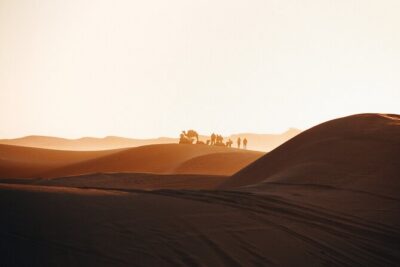
- Merzouga camel trek and Erg Chebbi night: what the camp setup feels like
- Day 3: sunrise dunes, getting back to Merzouga, and the return to Marrakech
- Price and value at about $133: where the money goes, and where it doesn’t
- Who should book this Merzouga and Erg Chebbi tour, and who should skip it
- Should you book this 3-day tour?
- FAQ
- What’s included in the tour price?
- Are lunches included?
- Do I ride camels both ways?
- What’s the desert camp like?
- Is there a local guide at Aït Benhaddou?
- What time does the tour start and when do I return?
- Can I get a full refund if plans change?
Key points to know before you go
- High Atlas pass driving time is real: expect long stretches of road and regular facility stops.
- Aït Benhaddou is the anchor stop: you’ll visit the UNESCO kasbah with your driver/guide, with an optional local guide add-on.
- Skoura oasis breaks up the desert vibe: palms and shade in a place that feels dry everywhere else.
- Day 2 is packed but focused: Todra Gorge, Rissani, then Merzouga for the camel trek.
- Desert camp comfort is basic-to-mid: toilets are outside, showers are in the lodge, and nights get chilly.
- Your driver changes the experience: names people have praised include Abdul, Brahim, Adil, Omar, Hassan, Youssef, Mazozi, Papa Fatima (Noureddine), and Houssein Idrissi.
High Atlas to Aït Benhaddou: Tizi-n-Tichka and a kasbah you can actually walk
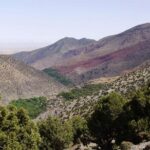
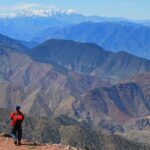
Day 1 starts with a hotel pickup in Marrakech and an air-conditioned ride into the Atlas Mountains. This is where the trip earns its keep: you’re not just driving somewhere. You’re crossing the mountains via the Tizi-n-Tichka pass, passing Berber villages where you’ll see everyday life that’s much older than tourism.
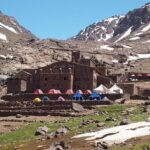
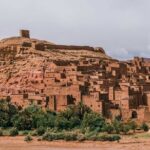
Aït Benhaddou is the UNESCO stop that makes the whole day feel worthwhile. Plan on slow wandering through the kasbah area, taking in the maze-like street feel and the trading-post atmosphere people have talked about for centuries. If you want more storytelling, there’s an option for a local guide at an extra cost (listed as 2€ per person). If you go for it, you’ll get the kind of detail that helps the buildings click into place in your head.
One small practical note: the day’s lunch is on your own. The route includes lunch time, but it’s not part of the meal package. People have described lunch stops as convenient and sometimes a bit touristy, so if you’re picky about food or the prices, eat lightly and treat lunch as flexible.
As you head deeper into the itinerary, the driving continues at a steady pace. A good mindset here helps: Morocco road trips move in chapters, not minutes. The scenery shifts often, and the stops are usually timed for bathroom breaks and photos, not long hikes.
You can also read our reviews of more tours and experiences in Marrakech.
Skoura oasis and Bourmaine du Dadès: why night one matters
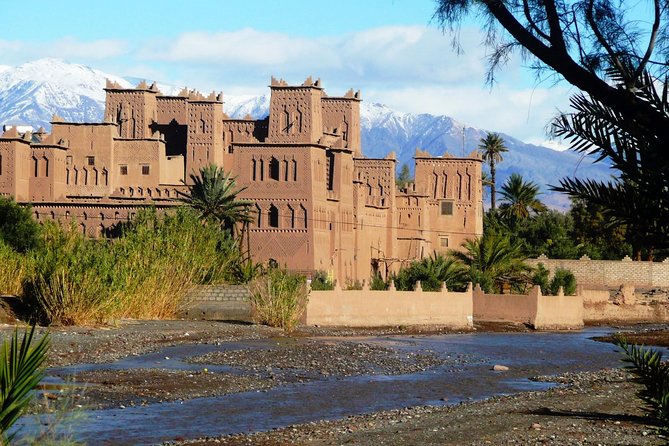
After Aït Benhaddou, you continue toward the Skoura oasis, a welcome change from rocky mountain roads. This is the moment where you’ll see palms and shade rising like a reset button in an otherwise dry environment. It’s not a giant stop with structured activities. It’s more like a pause to breathe and walk a little before the next long stretch.
From there, you head to your first overnight in the Dadès area (listed as Bourmaine du Dadès). This is the smart pacing choice for a fast 3-day loop. You’re not trying to do everything in one marathon day from Marrakech to the desert and back again. You’re spreading it out so the desert night doesn’t feel like it arrives only as fatigue.
Your lodging here includes breakfast and dinner. Reviews and included details also suggest the rooms have toilets and showers inside. That matters because day two involves camel time and day three is an early-feeling morning.
When you’re packing for this, think in layers. In Morocco, daytime can be warm and nights can get surprisingly cool once you’re higher in altitude or deeper in the desert region.
The Road of 1,000 Kasbahs to Todra Gorge and Rissani
Day 2 is often the day people talk about afterward, because it changes gears: gorge views, sacred-town stop, then dunes.
You start with breakfast at the hotel, then head out along the Road of 1,000 Kasbahs route. The first big stop is Tinghir and the Todra Gorge area. The gorge is known for a deep crevasse in orange limestone, which creates dramatic color and tall, canyon-like walls. Even if you’re not a big hiker, you’ll still get that wow moment just by looking and walking a bit along the area.
Lunch is again on your own here. This is one of the places where your choices affect the day’s comfort level. If you’re sensitive to food quality, bring snacks for the ride and treat lunch as optional rather than a guarantee. It’s not included, so you’re paying out of pocket.
Then comes Rissani, a holy city tied to the Tafilalt region and described here as the birthplace of Morocco’s ruling royal family. You’ll have time in the afternoon before pushing onward toward Merzouga. This stop is less about dramatic scenery and more about feeling the cultural geography of where caravan routes once fed trade and travel.
By late afternoon, you reach Merzouga, a village sitting on the edge of the Sahara. This is where the trip turns from van-and-stops into slow-motion desert life.
Merzouga camel trek and Erg Chebbi night: what the camp setup feels like
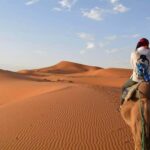
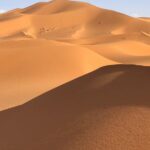
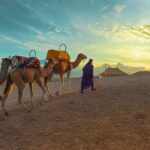
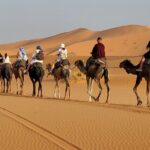
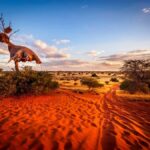
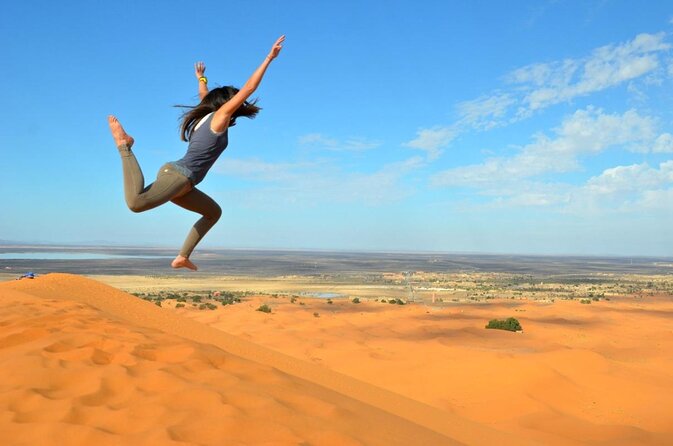
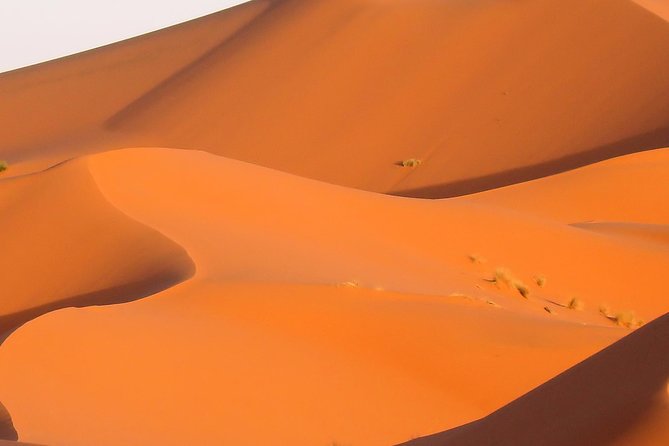
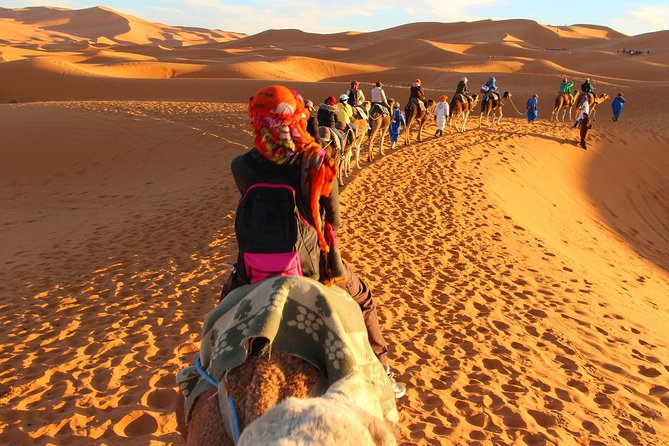
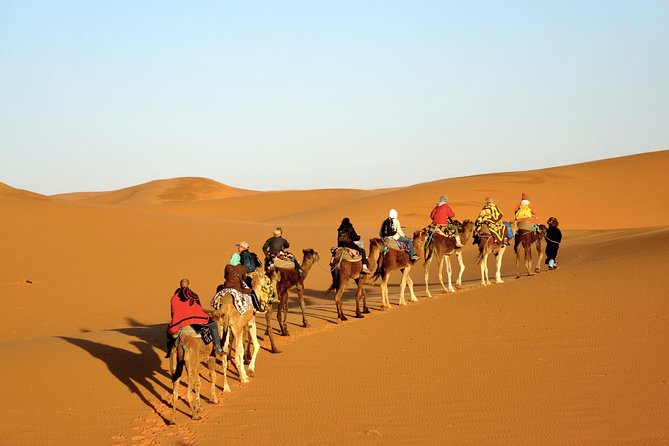
This part is the headline: you meet your camel caravan and ride toward Erg Chebbi and your desert camp. The timing matters. You set off with the sun shifting across the sky, which makes the dunes look different every few minutes. On a clear night, you’ll also have enough evening time to enjoy the stars, because the day ends with dinner and music.
Dinner is included, and local nomad-style music is part of the evening entertainment. In practice, this means you should plan to stay outside in the open air for a while. That’s when cold can creep in, especially in late autumn or winter travel. The tour instructions explicitly flag that nights can be cold, so bring warmer clothing even if Marrakech felt mild when you left.
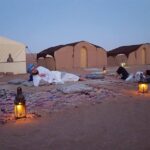
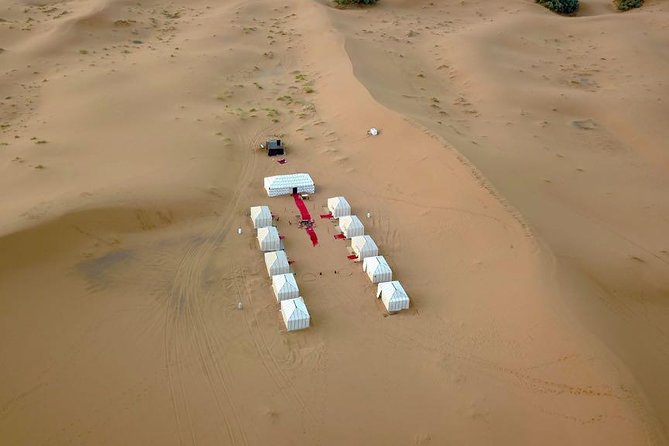
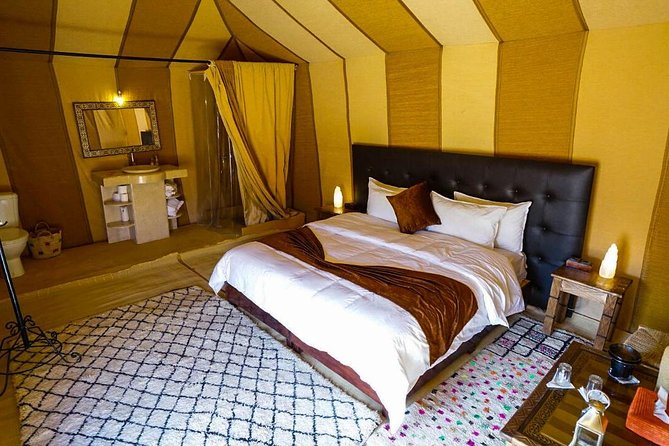
The desert camp is not framed as a hotel. Toilets are outside, and showers are in the lodge (not in the tent). That’s standard for many desert setups, but it’s still important to know. If you want extra comfort, there are reports of a luxury option with tent bathrooms. The basic camp can still be totally fine if you’re comfortable with simple facilities.
Camel tips from real-world experience: go slow with expectations about the saddle. Your body adapts, but you’ll feel every minute at first. Also, if you want to avoid camel time entirely, there’s mention of an optional quad ride (about $50) offered as an alternative. Cash helps for add-ons, and small bills are useful because change can be annoying in rural settings.
If you’re planning your photos, don’t only chase the dune sunrise. People mention stars and night sky time as a major payoff. When your headlamp turns off, the sky does the talking.
Day 3: sunrise dunes, getting back to Merzouga, and the return to Marrakech
Day 3 starts early with an optional morning stroll to catch sunrise among the sand dunes. Even if you skip it, the morning rhythm is similar: you’re up early enough to enjoy a quiet desert moment before breakfast.
After that, you ride your camel back to Merzouga and then meet your driver for the journey back. There’s a lunch stop in Ouarzazate that’s on your own, then you cross back through the High Atlas Mountains toward Marrakech. Arrival is listed as mid-evening, around 8 pm.
This is a long travel day, so manage your energy like a smart commuter, not like a theme-park tourist. Bring water if you can, wear comfortable clothes for sitting, and be ready for frequent road stops. One traveler noted stops about every two hours for facilities, which matches what you should plan for when a route moves this fast.
Also, if you care about safety details, wear your seat belt. There are frequent police stops on the road, and your route stays orderly, but don’t count on comfort if you don’t buckle in.
When you get back to Marrakech, you’ll feel two different kinds of tired: road tired and desert tired. Desert tired is a good kind. It’s the kind where you still remember the sky even after you shower.
Price and value at about $133: where the money goes, and where it doesn’t
At $133.24 per person, the big value is that you’re not paying separately for everything that usually adds up. Your included costs cover:
- air-conditioned transport with hotel pickup and drop-off inside Marrakech
- 2 nights of accommodation (one night in a desert camp)
- breakfast and dinner (2 breakfasts and 2 dinners total)
- camel trekking in Erg Chebbi
- an English-speaking driver/guide
- entry to the Aït Benhaddou site listed as free in the plan notes
What you should expect to pay for separately:
- lunch and drinks each day
- tips to your driver
- optional add-ons like a local guide at Aït Benhaddou (2€ pp)
- optional quad transfer cost (mentioned around $50)
If you’re comparing value, the camel trek and desert night are what make it feel like a true desert experience instead of a day trip. You also get more than one cultural anchor: the Atlas pass, Aït Benhaddou, Todra Gorge, and Rissani. That’s a lot packed into three days, so you’re paying for time, not just transportation.
The one caution on value is lunch. Since lunch is not included, some groups feel pushed into pre-planned roadside stops. If you want to keep costs down or eat better, carry snacks for the ride and decide lunch on the spot based on the options you see.
Finally, group size is kept reasonable. There’s a maximum of 100 travelers overall. On the road, you may still feel like you’re in a tight shared space, but at least it’s not framed as a huge crowd-free-for-all.
Who should book this Merzouga and Erg Chebbi tour, and who should skip it
This tour suits you if:
- you want a first trip to the Sahara without the stress of planning drives, camel logistics, and lodging
- you like structured highlights (Atlas pass, UNESCO kasbah, gorge, desert camp)
- you can handle a lot of minibus hours without needing long free time
- you’re okay with desert basics like toilets outside and showers in a lodge
You may want a different style of trip if:
- you hate paying extra for lunch every day and want meals fully handled
- you want lots of independent exploring time instead of a timed route
- you’re very sensitive to being sold optional shopping add-ons during stops
- you dislike cold nights and don’t want to pack warm layers
One more fit check: people mention this works well for friends and also for families, including at least one family with a child. That said, camel rides and long sitting hours can be a lot for young kids, so evaluate your comfort level.
Should you book this 3-day tour?
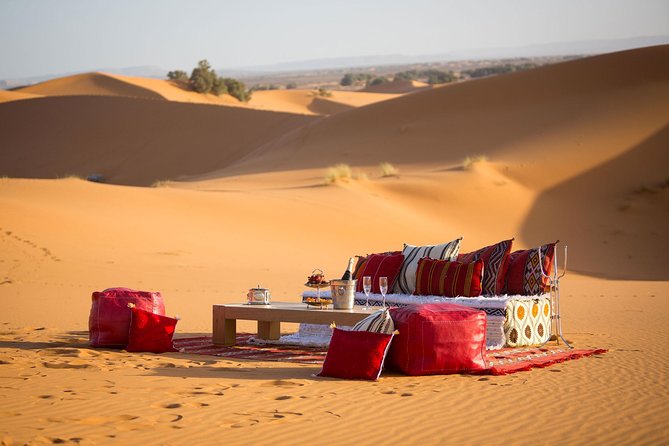
Book it if you want the desert night to feel real and you’re happy to trade some comfort for experience. The combination of Erg Chebbi dunes, camel time, and a starry camp evening usually justifies the price by itself. Add in the High Atlas pass and Aït Benhaddou, and you get a trip that feels like more than a one-stop photo day.
Skip or rethink if you know you’ll be unhappy with extra paid lunches, simple camp facilities, and long road hours. For many people, that trade-off is worth it. For others, it’s not.
If you do book, pack warm clothes for night one and day two evenings, bring sunscreen and sunglasses for the dunes, and plan snacks for the drive days. And if you’re lucky enough to get a driver/guide like Omar, Abdul, Brahim, Adil, Hassan, Youssef, Mazozi, or Houssein Idrissi, you’ll likely enjoy the little stories that turn road time into part of the memory.
FAQ
What’s included in the tour price?
Breakfast and dinner are included (2 breakfasts and 2 dinners), along with accommodation for two nights (one desert camp), camel trekking in Erg Chebbi, and round-trip air-conditioned transport from Marrakech with hotel pickup and drop-off inside the city.
Are lunches included?
No. Lunch and drinks are not included, and you’ll stop for lunch at places along the route during the day.
Do I ride camels both ways?
Yes. You ride a camel caravan from Merzouga toward Erg Chebbi, then on day 3 you ride your camel back to Merzouga in the morning.
What’s the desert camp like?
Toilets are outside, and showers are available in the lodge. The tents are part of the camp setup, and nights can be cold in winter, so warm layers matter.
Is there a local guide at Aït Benhaddou?
A guide is included for the kasbah visit, and there is also an optional local guide add-on listed as 2€ per person.
What time does the tour start and when do I return?
The start time is 7:00 am, and the return to Marrakech is around 8 pm.
Can I get a full refund if plans change?
Yes. Free cancellation is available up to 24 hours in advance for a full refund. If you cancel less than 24 hours before the start time, there’s no refund.