REVIEW · AREQUIPA
2 Day Trek Including Transfer to Puno / Colca Canyon
Book on Viator →Operated by Trek The Colca · Bookable on Viator
Condors and canyon stairs in just two days. What I like most is the shot at Andean condors from Condor’s Cross and the payoff of a warm pool stop at Sangalle after a big downhill day. The main thing to consider is that this trek is no stroll—especially the early uphill on day two.
This runs on an early schedule. Pickup in Arequipa starts around 3:00 a.m., and you’ll be moving almost nonstop: breakfast in Chivay, viewpoint stops, a downhill hike into the canyon, then another dawn start with torch lights.
The value piece is that the trip continues after the trek. You get the one-way transfer from Chivay to Puno so you don’t have to figure out the next leg yourself, and the group size is kept small (up to 12), which helps with guidance on a route this demanding.
In This Review
- Key highlights you’ll feel right away
- Colca Canyon in 2 days: what this trip really delivers
- The 3:00 a.m. departure and Chivay morning stops
- Getting from Chivay to the Colca trek start in Cabanaconde
- Day 1 downhill into the canyon: San Juan de Chuccho, Cosñirhua, Malata
- Sangalle overnight: warm water, bungalows, and basic comforts
- Day 2 sunrise hike with torch lights, then the climb back toward comfort
- Hot Springs Chacapi and Pampa Cañahuas camelids before Puno
- Price and logistics: what you’re paying for, and what costs extra
- Who should do this trek (and who should choose an easier Colca option)
- Should you book this 2-day Colca trek to Puno?
- FAQ
- What time does the tour start in Arequipa?
- How long is the trek and overall tour?
- How big is the group?
- What’s included in the price for meals?
- What does the tour include for transportation?
- Which entrances or activities cost extra?
- Is the hot springs visit required?
- Where do you sleep overnight?
- How difficult is the hiking on day two?
- What happens if the tour is canceled due to weather?
Key highlights you’ll feel right away
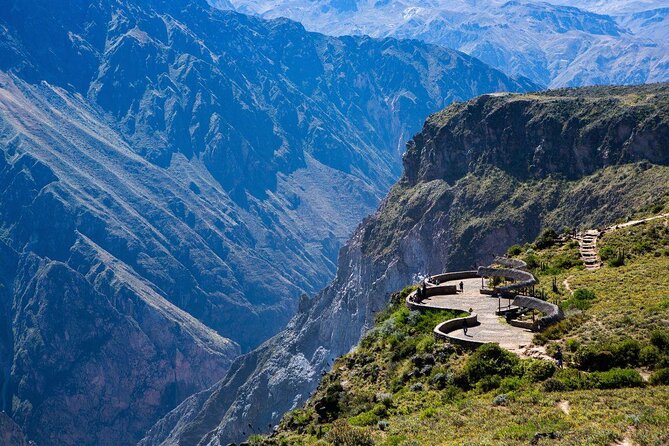
- Condor’s Cross is built for serious spotting: you stop there with enough time to actually watch the sky for the Andean condor.
- A downhill day into the Colca Canyon ends with Sangalle: trek from about 3300m down toward 2100m, then reach Sangalle around 17:00 for a warm pool break.
- San Juan de Chuccho is a mental reset: you stop in the canyon for lunch and rest near fruit trees and vegetation.
- Day two starts at dawn for sunrise views: you hike uphill for about 3 hours with torch lights, then have breakfast in Cabanaconde.
- You finish in Puno the same day: you descend on the drive back and arrive around 18:30, dropped at a central hotel/hostel area.
Colca Canyon in 2 days: what this trip really delivers
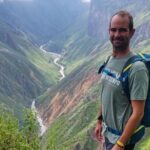
This is a classic Colca Canyon “big views, tough legs” format. You’re trading a longer, slower itinerary for a tighter route that still gives you time in the canyon and an overnight in the Sangalle area. If you want the canyon experience without spending extra days on logistics, this fits the bill.
You also get something many short tours skip: a one-way transition toward Lake Titicaca. Instead of finishing in Arequipa or dragging yourself to the next booking, you’re delivered to Puno after the trek.
And it’s not just about walking. The early sightseeing stops around Chivay (including Plaza de Armas and Condor’s Cross) make the trip feel like more than a hike-and-go. You’re arriving at the canyon with context, not just exhaustion.
You can also read our reviews of more tours and experiences in Arequipa.
The 3:00 a.m. departure and Chivay morning stops
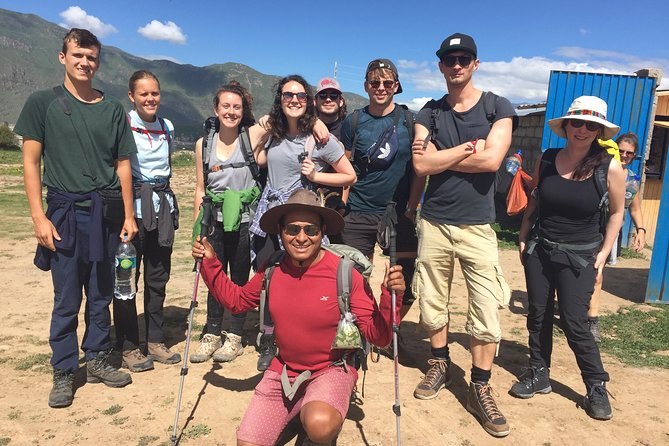
The day starts early for a reason. You leave Arequipa around 3:00–3:30 a.m., then reach Chivay around 7:30 a.m. for breakfast. That timing matters because you’re trying to catch good light and cooler temperatures before you start walking downhill.
In Chivay, you get a brief, real-feeling town moment at Plaza de Armas. It’s a simple stop (free, about 30 minutes), but it breaks up the travel stretch and gives you a chance to fuel up before the viewpoints.
Next comes Condor’s Cross. This viewpoint is known as one of the best places in South America to see Andean condors. It’s free, and you’re there long enough to scan the air rather than do a rushed photo session. If you like wildlife watching, this is one of the best times to pay attention.
One practical note: because this is early and high altitude, you’ll want layers. Chivay can feel chilly before the day warms up, and then the canyon sun hits hard later.
Getting from Chivay to the Colca trek start in Cabanaconde
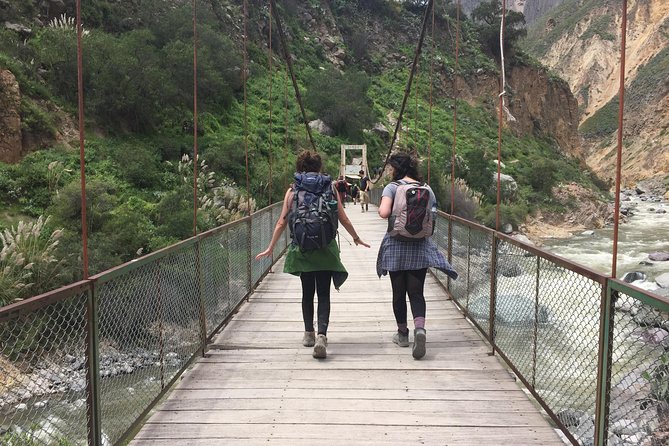
After the viewpoint time, the route continues by bus to the area where the real hike begins. From there, you start your downhill trekking after traveling further into the canyon region.
The key numbers to remember: you hike downhill for about 3 hours, dropping from roughly 3300m to 2100m. That’s why the tour feels like two different days of effort: day one is gravity helping you, but your knees still need to work on long descents.
Along the way, you’re not just walking in open terrain. You’re moving through a sequence of small canyon stops—so the day has breaks and scenery changes instead of being one long, monotonous tread.
Also, if you’re worried about gear, this is the kind of itinerary where your luggage is handled for you. You’re still carrying essentials for yourself, but you’re not hauling everything for the full hike.
Day 1 downhill into the canyon: San Juan de Chuccho, Cosñirhua, Malata
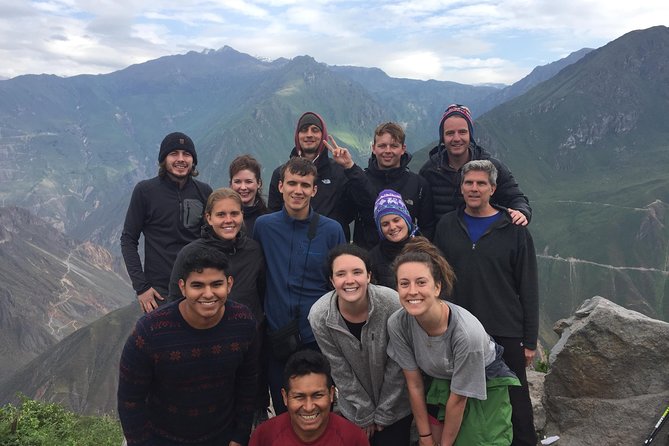
Day one is built around that classic Colca Canyon flow: descend, rest, then descend again until you reach your overnight area.
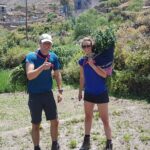
After the downhill portion, you arrive for lunch and downtime in San Juan de Chuccho. This is where the canyon feels greener and more lived-in, with vegetation and fruit trees. It’s also where you can reset your body and mind. When you’ve been walking down for hours, a real rest stop helps.
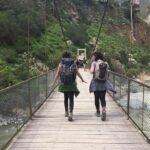
From there, the route continues through smaller towns such as Cosñirhua and Malata. The tour keeps a steady pace, but these stops create variety. You’re seeing different pockets of the canyon rather than only a single sweeping view.
Then you climb again into the deeper trek portion to reach Sangalle, around 1900m elevation. You arrive about 17:00, which is exactly when a warm pool becomes more than a nice idea. Sangalle’s warm swimming pool is part of the recovery rhythm here.
Sangalle overnight: warm water, bungalows, and basic comforts
Sangalle is the payoff for day one. You reach the area after a long trek window, then you’re given dinner and a place to sleep. The plan is simple: dinner and sleepover in bungalows or a lodge setup in the Sangalle zone (the itinerary names Cielo Azul Lodge).
Now, I’ll be honest about the comfort level. This is the canyon. Don’t expect a hotel. One person described a Sangalle-area lodge as a bit shabby, and also mentioned no hot water. Another noted the overnight spot as comfortable and beautiful, but still basic.
So here’s how I’d plan your expectations: focus on location and recovery. The warm pool and the chance to sit in the canyon after all that walking matter more than polished facilities.
Practical packing tip: bring something for dry comfort. Even if rooms have basic bedding, you’ll likely be dealing with sweat, cool evenings, and that “I’ve been outside all day” feeling.
Day 2 sunrise hike with torch lights, then the climb back toward comfort
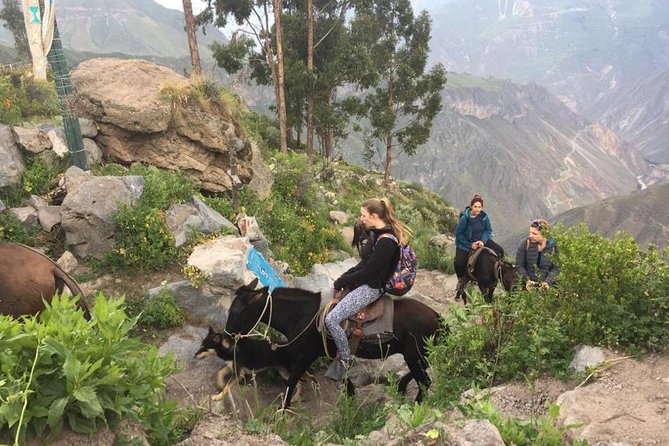
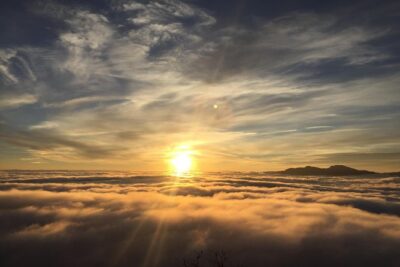
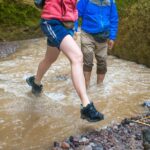
Day two starts with a dawn push. At about 05:00, you begin trekking uphill for roughly 3 hours toward Cabanaconde, with torch lights helping you along in the dark. This is where the challenge ramps up.
The ascent is described as demanding—around 950m up in one account, and about 1200 altitude meters up in another. Either way, it’s real climbing, and it’s timed so you can catch spectacular sunrise views as you work your way upward.
Once you reach Cabanaconde, you have breakfast. That first warm meal after a dark climb feels like an actual win, not just logistics. Then the rest of the day shifts from hiking to transfers and optional extras.
This part matters because it changes how the trip feels. Day one asks you to survive the downhill. Day two asks you to earn the payoff—views in first light and a body workout you can’t fake.
Hot Springs Chacapi and Pampa Cañahuas camelids before Puno
After breakfast, there’s an option to visit Hot Springs Chacapi, near the Chivay area. Entrance costs 15 soles and isn’t included. If you choose it, you’ll find pools with water temperatures ranging from about 30ºC up to 60°C. That’s the kind of warm reset that helps after two days of changing altitude.
Next, you stop in Salinas y Aguada Blanca National Reserve, specifically around Pampa Cañahuas. The itinerary says the stop can be short on paper (around 10–15 minutes for the stop), but you still spend over an hour seeing the area. This is where you look for camelids like alpacas, llamas, vicuñas, and guanacos, plus the volcano scenery in the background.
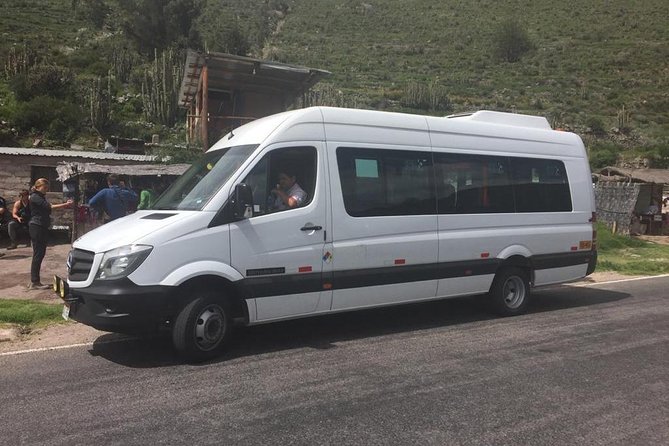
Then it’s on to Puno. You’ll transfer from Chivay and descend from about 4830m to 2325m along the way. You arrive around 18:30 and are dropped off at a centrally located hotel/hostel area in Puno.
This closing stretch is underrated. By late evening, you’ll be tired, but at least you’re moving toward a real base for the next phase of your trip (like Lake Titicaca) instead of ending in a dead-end.
Price and logistics: what you’re paying for, and what costs extra
The price is $179 per person for the 2-day package. That sounds reasonable until you look at what’s not included, which is where most budgeting mistakes happen.
Included meals:
- Breakfast (2)
- Lunch
- Dinner
- Transfer from Chivay to Puno
What’s not included:
- Colca Canyon entrance: PEN 70 per person
- Hot Springs Chacapi: PEN 15 per person (optional)
- Last lunch in Chivay: PEN 30 per person (optional depending on your appetite)
So the real cost picture is: the core hiking and guiding structure is covered, plus key meals and the end transfer to Puno. But you should still expect to carry extra cash for the canyon entrance and any extras you choose in Chivay.
One more value tip: if you’re booking online through a platform, it can cost more than booking locally in Arequipa. That happens because ticketing and local currency pricing can differ. If saving money matters, it’s worth comparing.
Also check your own comfort with the format. This is a small group (max 12), which usually means you get more guide attention and fewer people slowing the pace.
Who should do this trek (and who should choose an easier Colca option)
This tour is for you if you want:
- a true Colca Canyon hiking experience in a time-boxed route
- good odds for Andean condors at Condor’s Cross
- one package that ends in Puno, not back in Arequipa
It’s also suitable if you’re at least moderately fit. The itinerary explicitly targets moderate physical fitness. Still, you should take the difficulty seriously. Expect a long downhill day plus a dawn uphill climb of roughly 3 hours with torch-light walking.
You might want a different option if you:
- have knee problems and know long descents are a struggle
- dislike early mornings and dark walking
- need lots of downtime between segments
If you do go, pack like you expect sweat and sun. You’ll be outside for most of the time, and day two climbing at dawn then warming up later can feel like a big temperature swing.
Should you book this 2-day Colca trek to Puno?
I’d book it if you want the best mix of canyon walking, condor spotting, and a clean finish in Puno. The inclusion of transfers to Puno is a genuine time-saver, and the small group size makes the route feel more manageable.
I’d pause before booking if the extra costs (Colca entrance and any hot springs/lunch choices) would make you feel squeezed, or if steep uphill work scares you. Day two is where the challenge shows up.
If you’re the type who likes checking boxes with real meaning—views, wildlife, a warm pool recovery, then a smooth hop to Puno—this is a strong pick.
FAQ
What time does the tour start in Arequipa?
Pickup starts around 3:00 a.m., and the itinerary notes departure from Arequipa between 3:00 and 3:30 a.m.
How long is the trek and overall tour?
It’s listed as a 2-day tour, approximately 2 days.
How big is the group?
The tour has a maximum group size of 12.
What’s included in the price for meals?
Dinner is included, plus lunch, and breakfast is included twice. You’ll also have meals during the trek as part of those included options.
What does the tour include for transportation?
It includes a one-way transfer from Chivay to Puno. The rest of the movement between areas is handled as part of the itinerary starting from your hotel/hostel in Arequipa.
Which entrances or activities cost extra?
The Colca Canyon entrance costs PEN 70 per person. Hot Springs Chacapi costs PEN 15 per person and is optional. The last lunch in Chivay is listed as PEN 30 per person.
Is the hot springs visit required?
No, Hot Springs Chacapi is optional.
Where do you sleep overnight?
Overnight accommodation is in the Sangalle area, with the itinerary naming a lodge (Cielo Azul Lodge) and also referencing bungalow-style stays in Sangalle.
How difficult is the hiking on day two?
Day two includes an uphill trek starting at 05:00 for about 3 hours. The climb is described as demanding, with altitude gain figures around 950–1200 meters in the information provided.
What happens if the tour is canceled due to weather?
The experience requires good weather. If it’s canceled due to poor weather, you’re offered a different date or a full refund. This experience is otherwise non-refundable and cannot be changed for any reason.