REVIEW · KATHMANDU
POON HILL HOT SPRING – 10 Days Trek
Book on Viator →Operated by Overland Trek Nepal · Bookable on Viator
Poon Hill delivers on the hype, fast. This 10-day trek in Nepal’s Annapurna region is built for strong views without the chaos: you get a classic sunrise climb to Poon Hill, then follow the trail through mountain villages down to the hot springs at Jhinu Danda. I like that the itinerary is arranged as a steady progression of altitudes, with planned meals and support so you can focus on walking and photos.
Two things I’d call out right away. First, the sunrise morning at Poon Hill is the headline for a reason, with clear payoff when you reach the viewpoint at about 3210m. Second, you’re not just hiking; you’re also moving through places like Ulleri, Ghorepani, and Ghandruk where life is shaped by the seasons and the mountains.
One consideration: this is still a trekking route, and early starts plus steep sections mean you should have moderate fitness and good weather luck. If skies are bad, the sunrise-view plan can feel less dramatic than you hoped.
In This Review
- Key highlights worth planning for
- Why Poon Hill and Jhinu Danda work so well together
- Kathmandu to Pokhara: getting your bearings without stress
- Day 3 to Day 5: Ulleri, Ghorepani, and the morning to Poon Hill
- Tadapani to Jhinu Danda: where your muscles get paid in hot water
- Ghandruk day: village life at trekking height
- Day 8 and Day 9: the return to sea-level life (slowly)
- Price and logistics: what you’re really paying for
- The kind of guide support that changes the trek
- What to pack and how to pace yourself on moderate fitness
- Who should book this trek, and who should reconsider
- Should you book Poon Hill Hot Spring – 10 Days Trek?
- FAQ
- What is the duration of the Poon Hill Hot Spring trek?
- Where does the tour start and what time do you meet?
- Is pickup offered?
- What are the main trekking highlights on the route?
- What permits are included?
- What’s included for meals and accommodation?
- What is not included in the price?
- Is this tour private?
Key highlights worth planning for
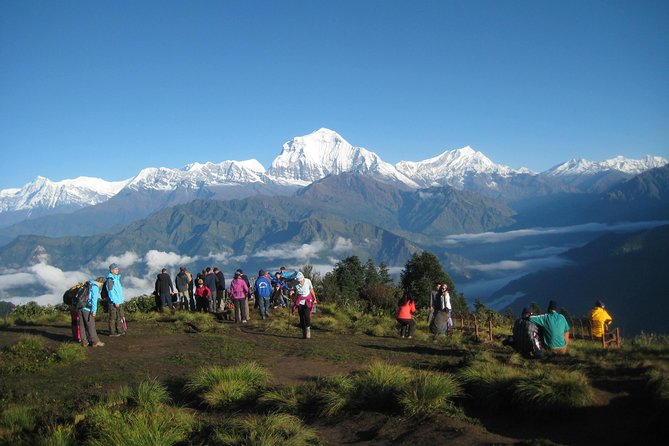
- Poon Hill sunrise payoff with Annapurna views and a clear view of Dhaulagiri (8167m) on the right day
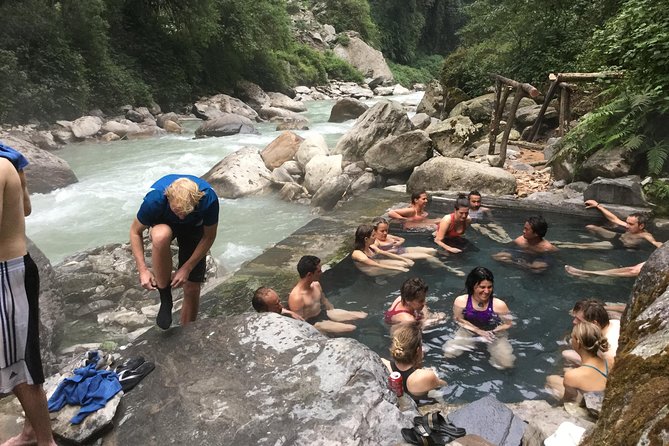
- Hot spring recovery at Jhinu Danda after a trekking day with descent and altitude changes
- Village-to-village feel across Ulleri, Ghorepani, Tadapani, and Ghandruk
- Support included with a porter (shared) and a medical kit for the group
- Permits and TIMS handled so you’re not scrambling last-minute for paperwork
- Two nights in Pokhara with breakfast, giving you a real buffer before trekking
Why Poon Hill and Jhinu Danda work so well together
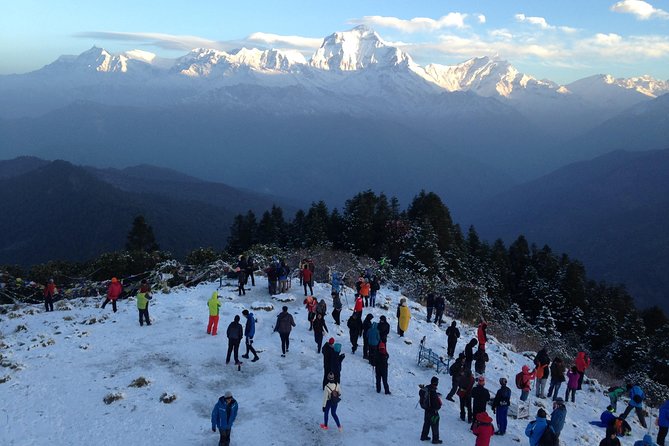
This trek is a smart mash-up: a famous viewpoint morning plus a real-life reset day. Poon Hill is the classic “first big Himalayan view” moment. Jhinu Danda is where your legs get to complain less, because you end up in the hot springs after walking down through the village trail.
What I like about the way it’s paced is that you’re not thrown into a brutal slog right away. You start in Kathmandu, transfer to Pokhara, and then gradually climb. By the time you’re reaching Ghorepani and Poon Hill area, your body has already learned the rhythm: hike, rest, repeat.
Also, there’s something oddly satisfying about doing sunrise with a group setup. You’re up early, you walk uphill in the dark/half-dark, and once the sky opens, the effort makes sense. It’s not just a trek; it’s a timed payoff.
You can also read our reviews of more tours and experiences in Kathmandu.
Kathmandu to Pokhara: getting your bearings without stress
Your trip begins in Kathmandu, with transfer help and time to prep for the trek. You meet at Thamel, Kathmandu (8:15 pm), which is a convenient base area for getting organized. From there, the next move is a tourist bus to Pokhara (about 12 hours) with an overnight in Pokhara.
Pokhara matters because it breaks the journey into something you can handle. You’re not driving straight from the capital into high-altitude walking the same day. Instead, you get two nights in Pokhara (with breakfast), and that gives you time to eat well, hydrate, and mentally shift gears from city to trail.
Logistically, this tour also includes airport pickup and drop by car/van/bus. That matters in Nepal where timing and connections can get messy if you’re doing it all yourself. The smoother you start, the less you have to think later.
Day 3 to Day 5: Ulleri, Ghorepani, and the morning to Poon Hill
The core trekking arc starts after Pokhara. On Day 3, you travel from Pokhara to Nayapul by private transport (about 1.5 hours), then begin trekking to Ulleri (2010m). Ulleri is one of those places where you’ll feel the trail transition from road-world into the village-world—stone steps, guesthouses, and the constant sense that you’re walking through someone’s home, not just a hiking corridor.
On Day 4, you trek from Ulleri to Ghorepani (2874m). Ghorepani sits at a height where the air feels thinner and cooler. This is also a night before your biggest climb of the trek: you’re positioning yourself so sunrise doesn’t feel impossible.
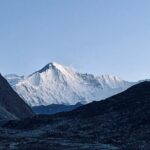
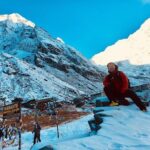
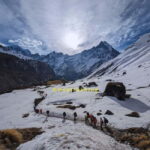
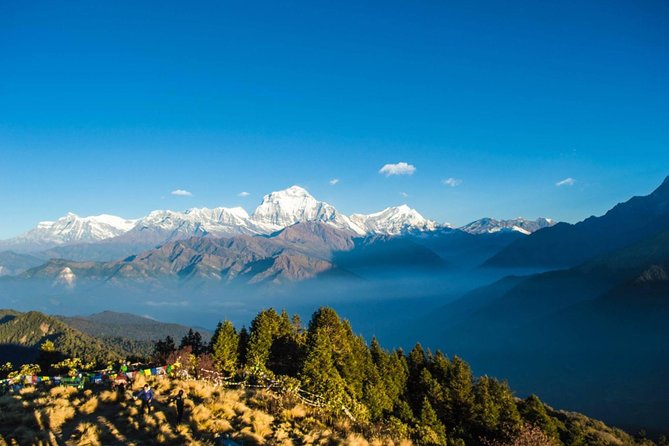
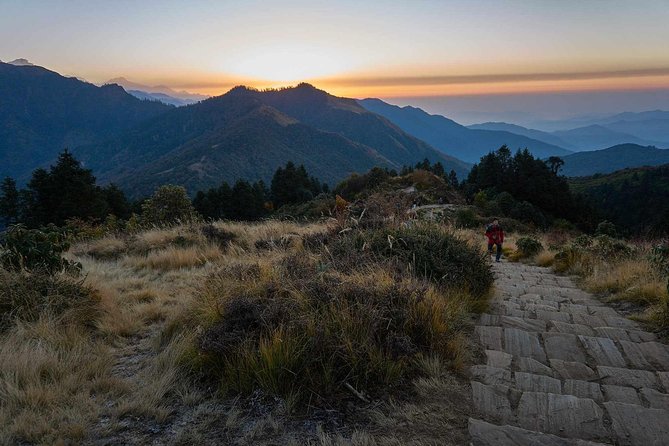
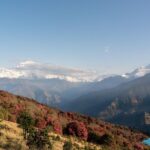
Then comes Day 5, the famous morning. You start early, hike uphill to Poon Hill (3210m), and aim for the sunrise view over the Himalayan range. The trek description specifically calls out Dhaulagiri (8167m) and the Annapurna Himalayan range. Even if cloud cover softens things, the act of reaching that viewpoint still feels like earning a reward.
After the sunrise stop, you go back downhill to Ghorepani for breakfast, then continue trekking to Tadapani (2630m). This is a smart design: one big early effort, then a follow-on day walk that doesn’t pretend you can do everything at peak energy. The altitude progression is also clearer here—higher, viewpoint, then stepping down toward the next section.
A small but important detail: the route’s success depends on timing and weather. This tour requires good weather. So if you’re the type who gets stressed about uncertainty, treat the sunrise plan like a best-day scenario, not a guaranteed postcard.
Tadapani to Jhinu Danda: where your muscles get paid in hot water
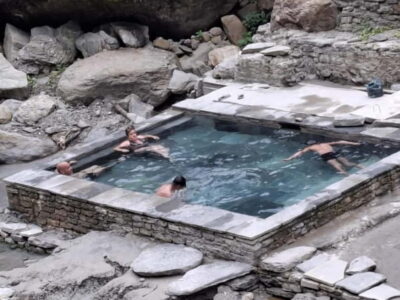
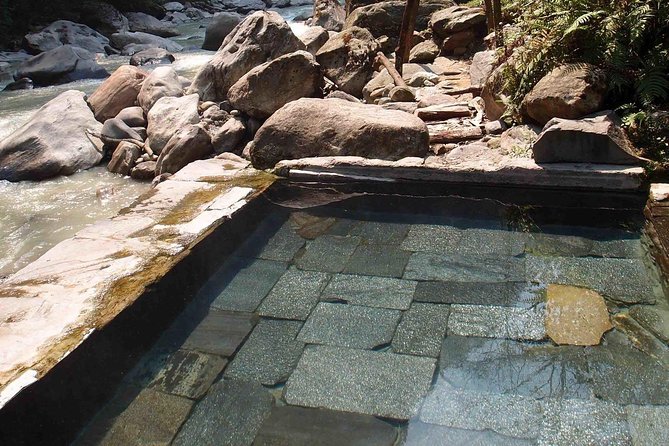
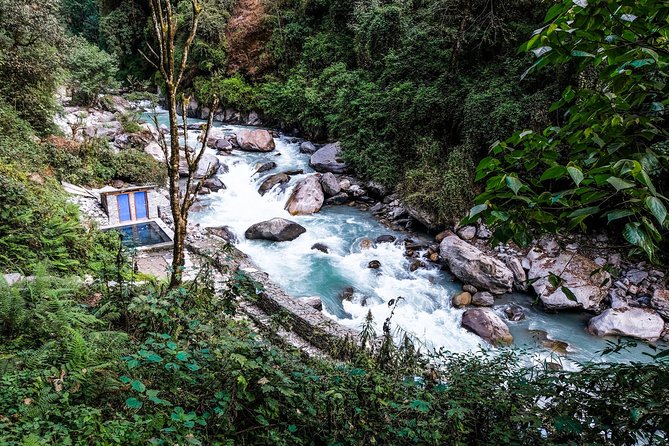
Day 6 is a highlight for a different reason. You trek from Tadapani (2630m) down to Jhinu Danda (1780m), and the payoff is the hot spring. This is not a spa stop designed to sell you souvenirs. It’s your reward after days of climbing and descending, and it helps you recover when your calves feel like they’ve been training without you.
Jhinu Danda’s hot springs are often the kind of thing that makes people remember the trek more than they expected. The mechanics are simple: walk, cool down, soak, then eat. That routine matters because it turns the day into a cycle of effort and recovery instead of turning everything into one long endurance test.
This is also a good day to practice smart trekking habits. Go slow on descents, hydrate steadily, and let the hot spring work as recovery, not as an excuse to overdo it.
Ghandruk day: village life at trekking height
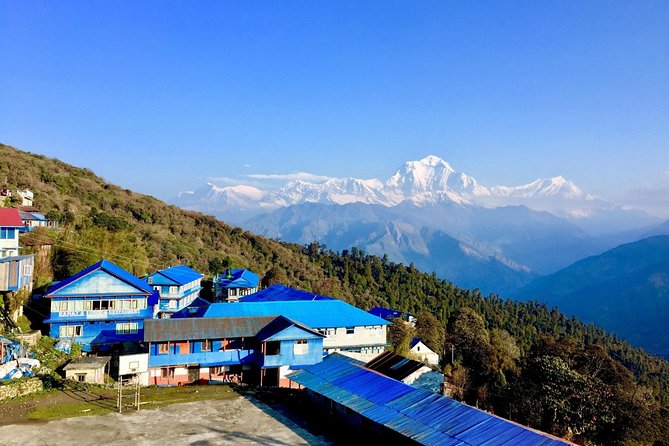
On Day 7, you go from Jhinu Danda to Ghandruk (1940m). Ghandruk is one of the better-known villages along the Annapurna trek routes, and it’s the part of this itinerary where you feel the culture more clearly than you do on viewpoint days.
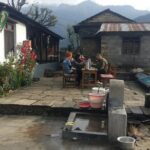
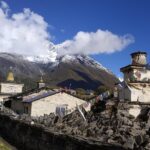
At around 1940m, the air feels more workable than the highest point you’ll hit, but you still get mountain views. And because the trail is slow enough to notice things—stone walls, small fields, and guesthouse bustle—you’re more likely to feel like you’re traveling through real places rather than passing through checkpoints.
On this day, I’d expect the mood to shift. You start to feel momentum after the big sunrise morning and the hot spring reset. This is where the trek feels less like a project and more like a journey.
Day 8 and Day 9: the return to sea-level life (slowly)
On Day 8, you trek from Ghandruk down to Nayapul (1070m), and then take private transport back to Pokhara (about 820m). This is where the trail does its final “bring you back” job. Even when you’re descending, your pace can get sloppy if you’re tired—so keep your steps controlled and don’t rush just because it feels easier than the uphill days.
Then Day 9 brings you back to Kathmandu by tourist bus (around 1336m). By now, you’ll probably be ready for a proper shower, normal food portions, and a seat you don’t have to share with your daypack. You also get the final buffer to rest before departure.
Day 10 is departure day. If you have extra time, you can stay in Kathmandu for shopping and sightseeing, which is useful if you want a clean end to the trip rather than rushing straight to the airport.
Price and logistics: what you’re really paying for
At $1,099 per person, this isn’t a bargain-basement trek, but it also isn’t just buying scenery. You’re paying for a lot of the operational weight that can drain time and energy if you plan solo.
Here’s what stands out in the included list:
- TIMS card and Annapurna Conservation Area permit, including Poon Hill park access
- Porter service (not “a porter for each person,” but shared support: 1 porter between 2 people basic)
- Medical kit and the trip being trip-certified
- Ground transport: Kathmandu–Pokhara–Kathmandu by tourist bus, plus private transport segments for Nayapul legs
- Meals: breakfast and dinners are set across the trek, and lunches are included on trek days (lunch is listed as 6, breakfast as 10, dinner as 5)
- Two nights accommodation in Pokhara with breakfast
- A company duffel bag and a t-shirt (nice if you like practical souvenirs)
What’s not included (and you should budget for):
- Travel medical insurance and emergency evacuation costs
- Nepal entry visa fee and international airfare
- Personal equipment
- Tips for guide and porter
- Extras like alcoholic beverages and hot shower costs (hot shower specifically is mentioned as personal expense)
If you’re comparing this to DIY trekking, the big value is not just convenience. It’s that permits, key logistics, and portioned meals are already arranged. You’re buying back mental space.
The kind of guide support that changes the trek
This kind of trek can be won or lost based on how the day is managed—timing, pacing, and guidance when trails feel confusing or weather shifts.
One clue from past experiences with this operator: a guide named Nikesh Dhakal was described as amazing and accommodating, with guests saying he introduced them to the mountains and kept them comfortable. You can’t assume he’ll be your specific guide on your exact dates, but the takeaway is clear: the company’s guiding approach has been positively recognized.
With a trek like this, “accommodating” isn’t a soft word. It often means you get help with pacing so you’re not gasping for air for no reason, and you get explanations that make the scenery more than just dramatic peaks. Even a few practical insights can make the sunrise morning feel like something you understand, not just something you wait for.
What to pack and how to pace yourself on moderate fitness
This itinerary is described for moderate physical fitness. That’s good news, but it doesn’t mean it’s casual. Early hikes, stairs, and altitude can still get you.
A practical way to think about it:
- You need to be comfortable walking uphill for long stretches during the sunrise climb and the Ulleri-to-Ghorepani day.
- You’ll be descending too, which is where knees and calves feel it.
- Hydration and steady pace matter as much as strength.
Bring personal trekking essentials (the tour won’t supply personal gear). If you’re relying on included porter support, remember it’s shared. So pack smart: don’t assume every heavy item will be carried for you.
Also plan around early mornings. Sunrise day isn’t just early; it’s early plus uphill. That’s the one morning where you’ll feel whether you slept well and ate enough.
Who should book this trek, and who should reconsider
This fits you if you want:
- A classic Annapurna region trek without long, extreme days
- The big hit morning at Poon Hill
- A meaningful recovery stop at Jhinu Danda hot springs
- Village walking days that feel more human than technical
You might reconsider if:
- You want guaranteed clear skies. This experience depends on good weather.
- You hate early starts. Sunrise hiking means you’ll sacrifice sleep.
- You’re looking for a fully luxury setup. Meals and permits are handled, but things like personal shower costs and hot extras are on you.
If you’re traveling as a group, the tour being private for your group is a plus. You won’t have to compromise with strangers on pacing or daily rhythm.
Should you book Poon Hill Hot Spring – 10 Days Trek?
If your goal is a Nepal trek that hits the headline (Poon Hill sunrise), adds a memorable recovery moment (Jhinu Danda hot springs), and still feels logistically managed, this is a strong choice. The included permits, TIMS card, and transport remove the most frustrating planning pieces.
I’d book it if you can handle moderate trekking and you’re okay with weather being the wild card. The reward is a well-balanced itinerary: big view day, village days, and a hot spring reset that makes the whole trek feel human, not just hard work.
FAQ
What is the duration of the Poon Hill Hot Spring trek?
The trek is listed as 10 days (approx.).
Where does the tour start and what time do you meet?
You meet at Thamel, Kathmandu 44600, Nepal, with the start time listed as 8:15 pm.
Is pickup offered?
Yes. Airport pickup and drop are included, and ground transportation is part of the package.
What are the main trekking highlights on the route?
You’ll include the sunrise hike to Poon Hill, trek through Ghorepani and Tadapani, and then reach Jhinu Danda for hot springs, plus a village day in Ghandruk.
What permits are included?
The itinerary includes Annapurna Conservation Area trekking entry permits, including Poon Hill park, plus a TIMS card.
What’s included for meals and accommodation?
You get two night accommodation in Pokhara with breakfast, and meals during the trek are listed as breakfast (10), lunch (6), and dinner (5).
What is not included in the price?
Not included are travel medical insurance and emergency evacuation, Nepal entry visa fee, international airfare, personal equipment, and tips for guide and porter, plus personal expenses like alcoholic beverages and hot shower costs.
Is this tour private?
Yes. It’s listed as a private tour/activity, so only your group participates.