REVIEW · CHIANG MAI
Chiang Mai: 2 Days, 1 Night Non-Tourist Trek
Book on GetYourGuide →Operated by Mr.Whisky Jungle Trek · Bookable on GetYourGuide
Two days in Chiang Mai can feel like real Thailand. I like the non-tourist trek routes that push you far from the usual crowd, and I also love the overnight with a hill tribe family where the evening feels human, not staged. One thing to consider: the road time is rough, and part of the transport can be bumpy enough to make you brace yourself.
I also appreciate the practical flow: elephant camp in the morning, a jungle trek with eco-learning and cooking, then an outdoor night with campfire vibes and traditional lantern release. The next day keeps moving with a waterfall break and bamboo rafting before you’re back in Chiang Mai around late afternoon.
At $144 per person, this isn’t the cheapest trek on offer, but you’re paying for a full package—small-group guiding, meals, homestay sleep gear, and the add-on activities all bundled into two days. If you’re picky about basic washroom setups or you hate any kind of dirt-road discomfort, this may test your patience.
In This Review
- Key things that make this trek worth it
- The point of this Chiang Mai trek: get off the beaten trail
- Day 1: Elephant camp, jungle cooking, and a moonlit homestay
- Elephant camp and elephant care time
- Jungle trekking plus eco-system lessons
- Cooking lunch in the jungle
- The evening: campfire, lanterns, and sleeping with the family
- Day 2: Breakfast, waterfall swim, and bamboo rafting back-to-back
- Lunch and the waterfall break
- Bamboo rafting for 30–45 minutes
- Back to Chiang Mai by late afternoon
- What non-tourist really means here: it’s not just marketing
- You’ll spend more time with your group
- The pace is “active,” not extreme
- Transport is rugged
- Elephant camp ethics and expectations
- Food, cooking, and eco-learning you can feel
- You’ll cook where you hike
- Eco-system lessons that help you look differently
- Gear and packing: don’t overthink, but do prep smart
- Who this trek fits best (and who should skip it)
- Should you book this 2-Day Non-Tourist Jungle Trek?
- FAQ
- How long is the trek and how does the schedule work?
- What’s included in the price?
- Is this a small group?
- What languages do the guides speak?
- What should I bring for the waterfall and trekking?
- Who is this tour not suitable for?
Key things that make this trek worth it
- Far-from-crowds trekking in a secret jungle area, with long stretches away from tour buses
- Higher elevation around 2,000 meters, so it can feel cooler and more “mountain jungle”
- Small group capped at 14, which makes the pace calmer and the guide’s attention more personal
- Jungle cooking (you cook and eat where you hike), plus lots of eco-system lessons
- Hill tribe homestay overnight, usually in simple cottage/barn-style lodging with mosquito protection
- Waterfall + bamboo rafting the next day, so the trip ends with fun instead of just hiking
The point of this Chiang Mai trek: get off the beaten trail
Most Chiang Mai trekking options feel like a conveyor belt: a quick stop here, a photo there, then back to the van. This one is built around the idea that you should actually walk in the jungle and experience life closer to locals than to tourist routines.
The trek is positioned as a non-tourist route, and you’ll feel that in the schedule. You start early, you spend real hours on foot, and you’re not just following a short trail to a viewing point. Expect 3–4 hours of jungle trekking on day one and about 2–3 hours on day two, plus breaks that make the day feel full rather than rushed.
You’re also trekking at higher ground—around 2,000 meters above sea level—which can change how the jungle feels. Even when Chiang Mai is warm, you may notice cooler air at elevation, especially later in the day and at night.
You can also read our reviews of more tours and experiences in Chiang Mai.
Day 1: Elephant camp, jungle cooking, and a moonlit homestay
Your day starts with pickup from your hotel between 7:00 and 7:30 a.m. It’s early, but it matters. The earlier you leave, the less the day feels like traffic and the more it feels like an adventure with momentum.
Elephant camp and elephant care time
The first stop is an elephant camp or reserve area. This trek includes elephant care, and you should plan on active, hands-on learning rather than just taking photos. Some guides build in activities like washing and feeding, and you’ll typically get explanations that help you see what’s happening and why it’s done.
I like this part because it sets the tone: you’re not treating the animals like props. Even so, you still need to approach with respect. Follow the guide’s instructions closely around any animal space, and don’t try to improvise.
Jungle trekking plus eco-system lessons
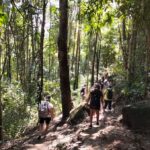
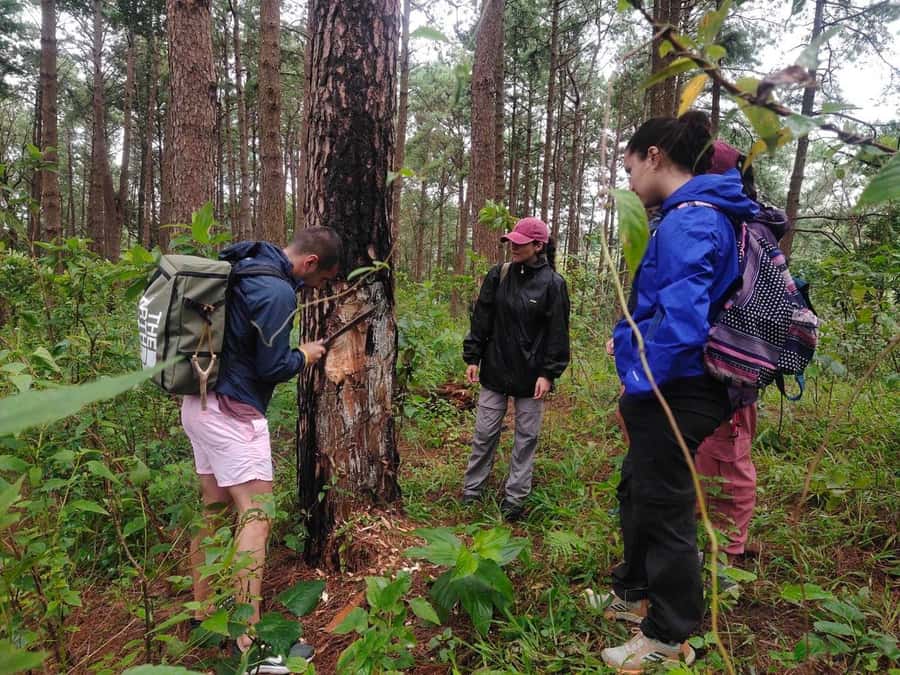
After the elephant stop, you head into the jungle for about 3–4 hours of trekking. The route is described as a secret jungle area and specifically far from tourist lines, and the experience tends to match that promise. You’ll get guidance from the trekking team on the eco-system around you—how the jungle works, what plants are used for, and how locals read the forest.
This is also where the trip starts to feel different from a simple hike. In some versions of the route, you might learn about herbs you can identify and even try small samples. The point isn’t to become an expert in one afternoon—it’s to walk with better context, so the jungle feels alive instead of random.
Cooking lunch in the jungle
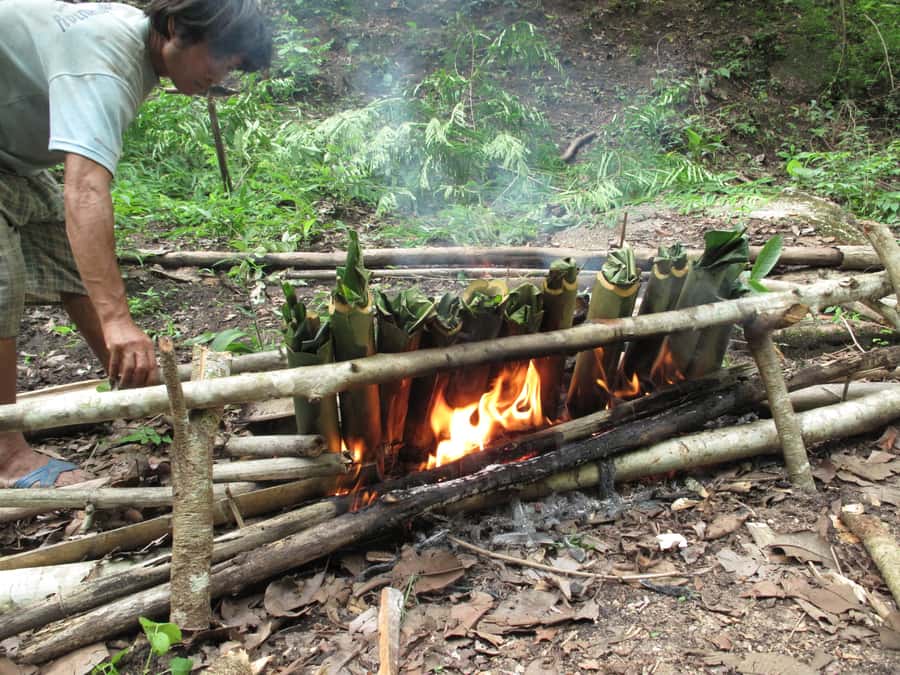
One of the standout parts is that you don’t just eat lunch—you cook it. Lunch is made in the jungle, and you’ll also cook and share dinner later. Meals are included, and portions tend to be generous.
A practical tip: treat the cooking part like a core activity, not a break. Wear comfortable clothes you can get dirty. If you think you’ll stay clean and tidy, you’ll be disappointed. That’s also how you know it’s a real experience.
The evening: campfire, lanterns, and sleeping with the family
Night falls and the program shifts outdoors. Expect a moonlit evening with a campfire, plus a traditional lantern release in the plan.
Some people love the lantern moment. Just be smart about it: listen carefully to the guide’s safety instructions, keep a bit of distance, and don’t rush the process for photos. If weather conditions aren’t ideal, you might find the guide adjusts the plan.
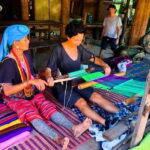
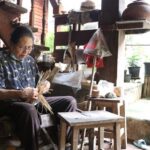
Then you sleep overnight in cottage-style accommodation with a hill tribe family. This is the part that people remember most, and not because it’s fancy. It’s because it’s normal and warm: you share the night with people who live there.
Based on common experiences on this trek, lodging is simple—mosquito netting, blankets, and a basic shower setup. If you get cold easily, plan for it. One big note: at night it can get chilly, even when the days are comfortable. Bring something warm enough for evening.
Day 2: Breakfast, waterfall swim, and bamboo rafting back-to-back
Day two starts with breakfast plus coffee or tea. Then you’re out again for another jungle walk—typically 2–3 hours.
This portion feels different from day one. Day one often feels like a full-on immersion day: elephant, trek, cooking, and the homestay rhythm. Day two often feels lighter in setup, but still active—enough walking to make the waterfall and rafting feel earned.
Lunch and the waterfall break
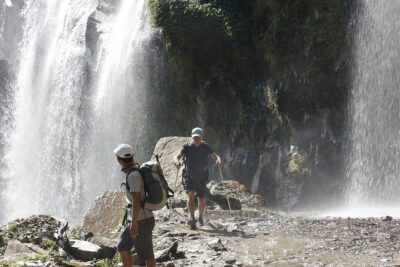
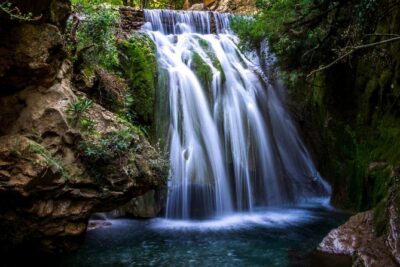
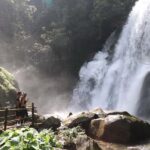
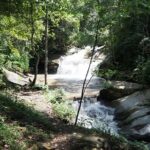
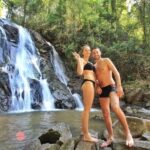
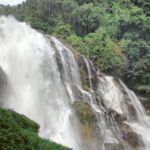
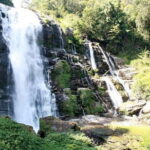
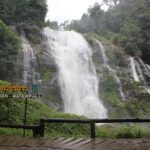
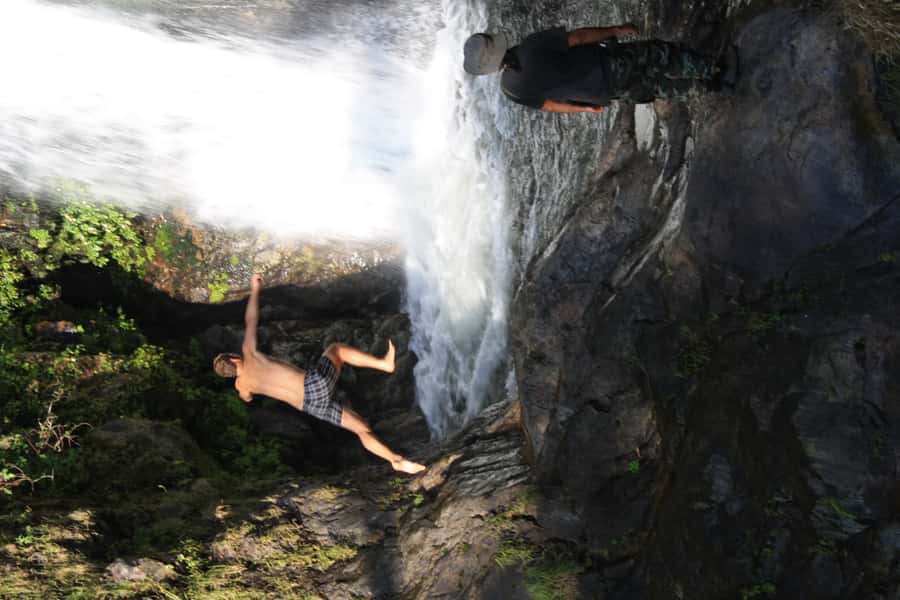
After the second trek, you’ll have lunch and then head to a waterfall area where you can swim and relax. This is a nice reset for tired legs. And honestly, it’s one of the best “reward moments” in the whole schedule.
Pack for this section. Wear swimwear you can move in, and bring a change of clothes so you’re not freezing in wet clothes after. A small towel helps too.
Bamboo rafting for 30–45 minutes
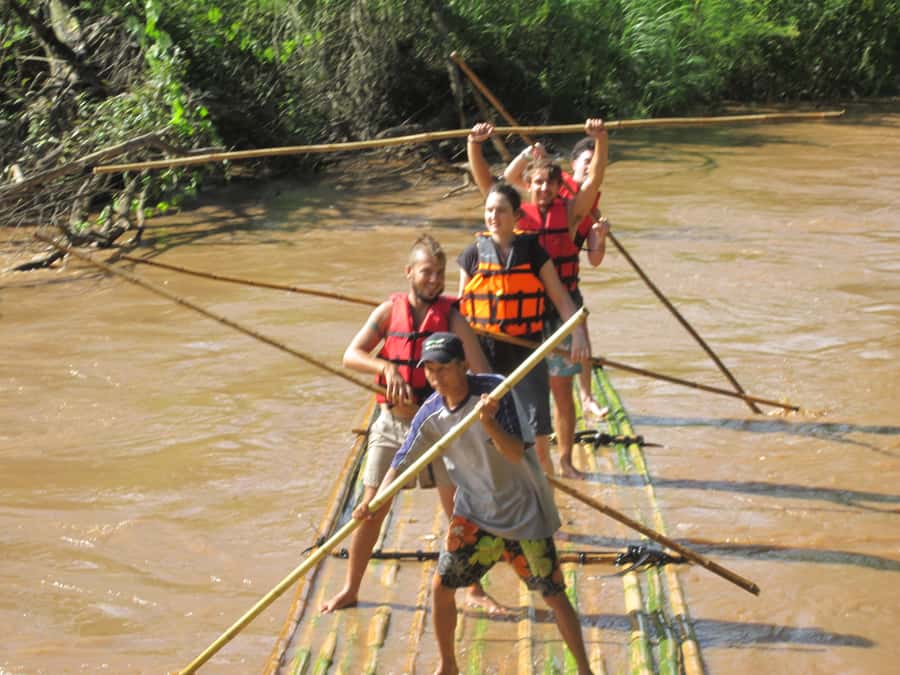
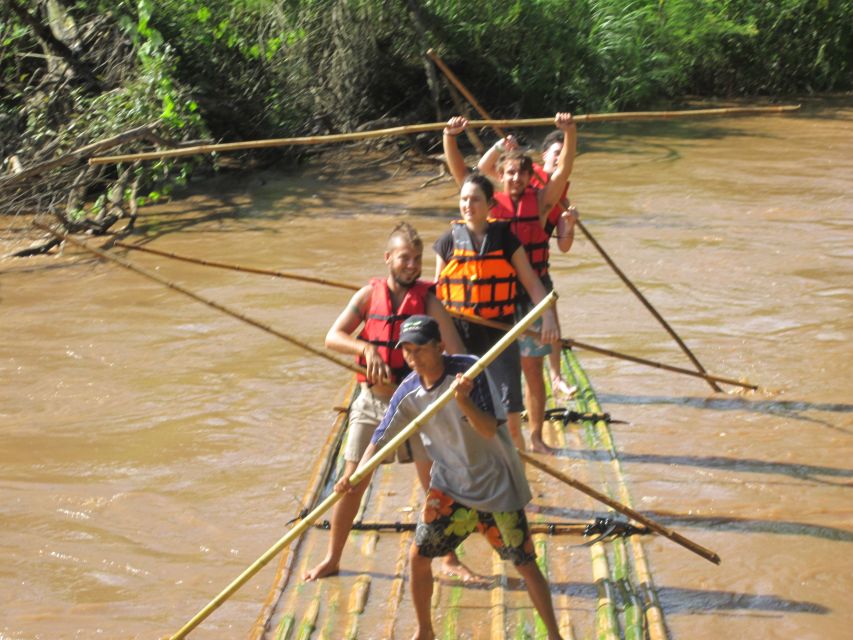
Next is bamboo rafting, about 30–45 minutes. It’s usually more relaxing than you’d expect, but it’s still fun and takes your focus in a good way—like you’re doing something, not just watching nature go by.
One practical mindset: don’t assume it’s gentle if the water is moving faster than you expect. Hold steady, listen to the raft guide, and treat it like an activity with basic technique rather than a floating party.
Back to Chiang Mai by late afternoon
You return to Chiang Mai around 5:00 to 5:30 p.m. That timing is helpful because it means you don’t lose an entire extra day to logistics. You can still eat dinner in town and plan the rest of your trip without feeling wiped out.
What non-tourist really means here: it’s not just marketing
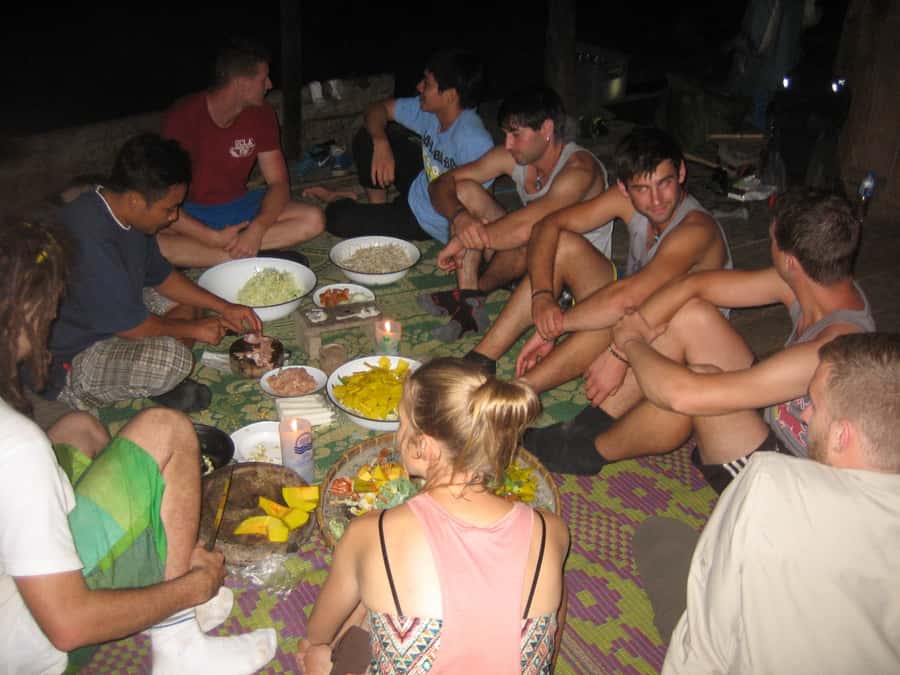
Non-tourist trekking usually comes with tradeoffs, and this one is no different.
You’ll spend more time with your group
This trek runs as a small group (limited to 14 participants). That’s good. It keeps things flexible and less chaotic. It also means you’ll likely spend long stretches talking, walking, and sharing moments with people you just met.
If you’re traveling solo, that social rhythm can be a benefit. You get a mini-community for two days. If you’re shy, you’ll still manage, but be ready for plenty of shared time.
The pace is “active,” not extreme
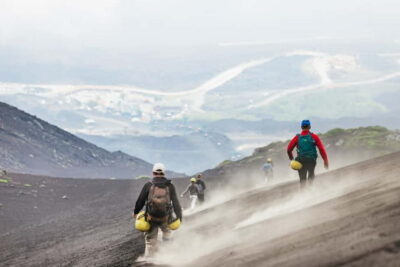
The hiking is best described as moderate. You should expect some tough sections, especially with rocks and uneven footing. A common piece of advice from real trekking experience is to wear ankle-support shoes, not flimsy sneakers.
You don’t need climbing gear to summit mountains, but you do need footwear that doesn’t let your feet roll on steep, rocky bits. If you’ve had ankle issues before, take it seriously.
Transport is rugged
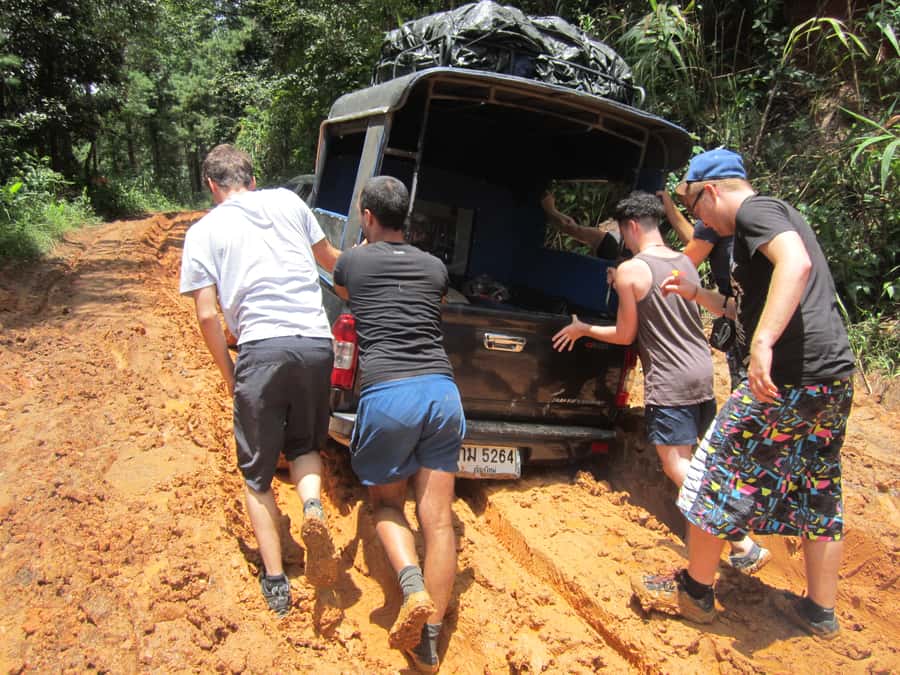
One of the most honest considerations is the ground transport. Some portions involve rough dirt roads, and you may ride in a truck configuration that includes standing in the bed while navigating bumpy terrain. Sometimes you might even need to get hands-on briefly to help, depending on conditions.
So yes, it can be thrilling—but it’s also not your typical comfort level. If you get motion sickness, consider planning carefully and bring what you need.
Elephant camp ethics and expectations
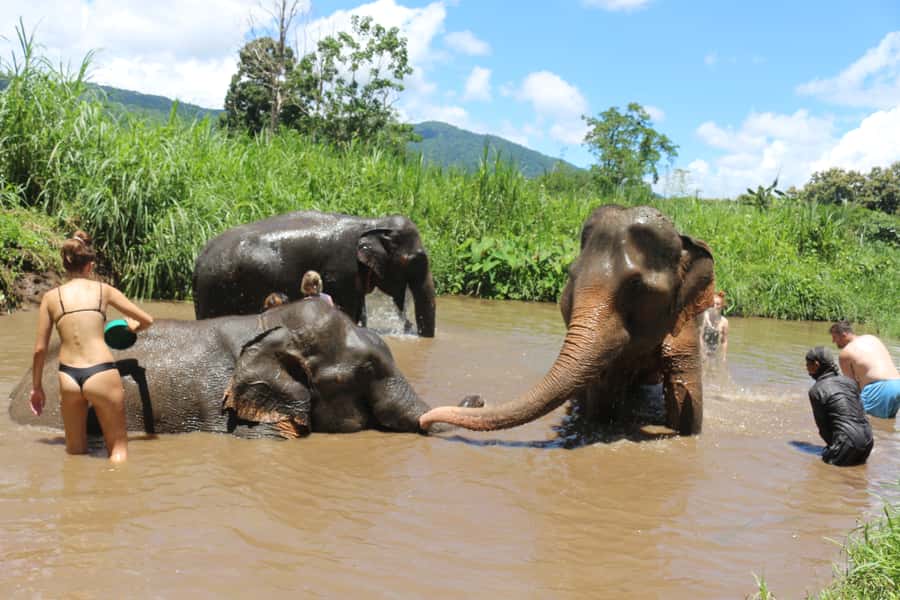
This trek includes elephant care. That’s a step in the right direction compared with experiences that are built solely around rides or quick photo moments.
What you should expect practically:
- You’ll spend time at an elephant camp/reserve area as part of the morning program
- The activities are centered on care and learning, not just watching
- You’ll be guided by the team, and you should follow their rules around animals closely
One more thing: even when an experience is well-run, you still treat it as an animal environment. Keep your movements calm, stay aware of your surroundings, and don’t assume you can do your own choreography for photos.
Food, cooking, and eco-learning you can feel
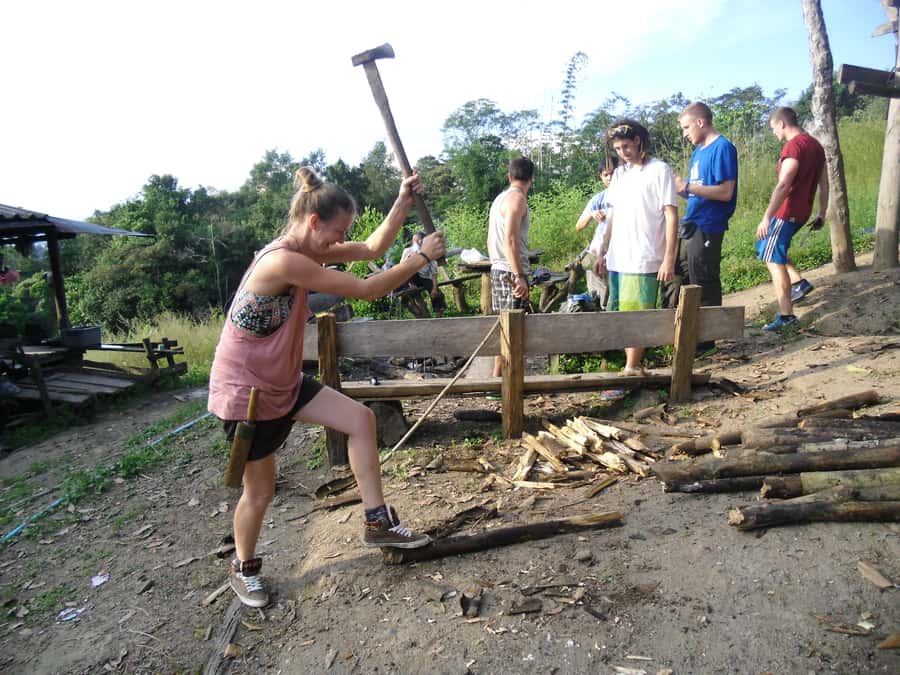
Meals are included and generally plentiful. More importantly, the trip turns food into part of the day instead of a side note.
You’ll cook where you hike
Cooking lunch in the jungle and sharing dinner later is a big value add. It turns you from a passive guest into a participant. And because it happens in the forest, it makes the surroundings feel personal instead of distant.
Also, the food tends to be tasty and filling. Vegetarians can often be accommodated—so if you eat plant-based, mention it before the trip and you’ll likely be fine.
Eco-system lessons that help you look differently
Guides teach you about the jungle eco-system as you walk: what plants do, what you’re seeing, and how locals understand the forest. Some of that learning might include identifying herbs or hearing how they’re used.
Even if you forget the botanical names later, you’ll still remember the feeling of paying attention. That’s what makes the trek stick.
Gear and packing: don’t overthink, but do prep smart
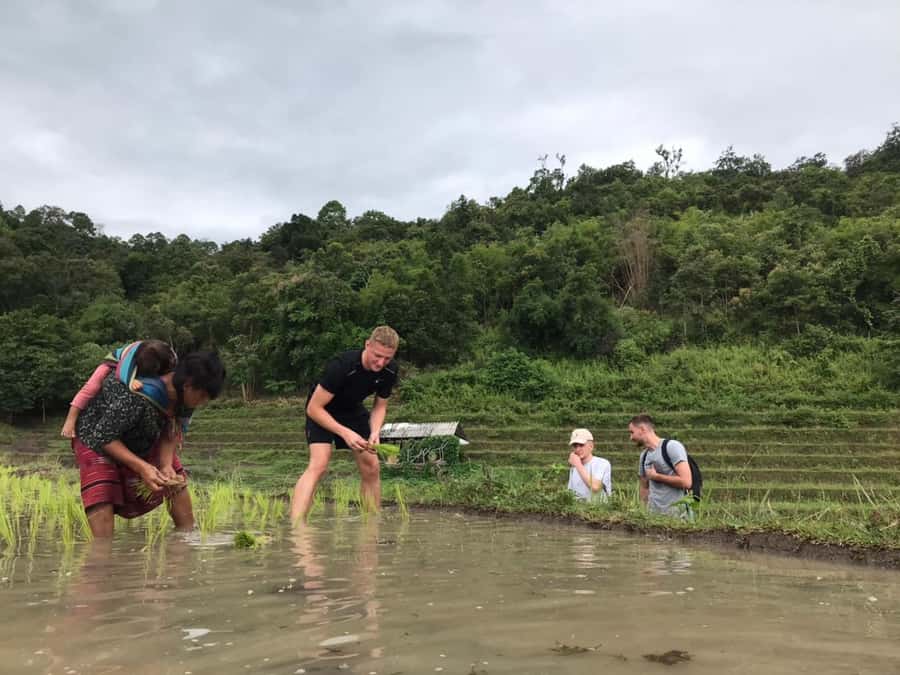
You get some gear included: head torch, sleeping bag, and a knife, plus slingshot. That’s helpful because it reduces what you need to carry.
Still, you should bring a solid daypack and focus on comfort and safety:
- Comfortable shoes with grip and support
- Hat and sunscreen (biodegradable if you have it)
- Insect repellent
- Swimwear, towel, and a change of clothes for the waterfall
- Closed-toe shoes for trekking (flip-flops can be a nice extra, but not for the trail)
- A charged smartphone for photos, plus some spare cash if you want options during the trip
One packing surprise: bring warm clothes for nighttime. Even on a “tropical” itinerary, mountain air can cool down fast after sunset.
And if rain is possible during your dates, plan a light rain layer. One stretch of heavy rain can make the first day feel longer, and it’s better to handle it than to suffer in wet gear.
Who this trek fits best (and who should skip it)
This is a great choice if you want:
- Authentic jungle time with real walking
- A small-group adventure where the guide actually talks to you
- An overnight homestay that feels culturally grounded, not like a theme park
- Activities that go beyond hiking: elephant care, cooking, lantern release, waterfall swim, bamboo rafting
It’s probably not for you if:
- You’re pregnant or you have mobility limits that make uneven ground hard
- You use a wheelchair
- You fall into the age guidance limit listed by the operator
Also, be honest with yourself about washroom comfort. Lodging is rustic. If you’re very sensitive about basic facilities, bring your expectations down and pack accordingly.
Should you book this 2-Day Non-Tourist Jungle Trek?
Book it if you want a Chiang Mai experience that feels like work-well-done travel: early start, real effort, local food, and an overnight with people who live there. The pricing makes sense when you look at what’s included—guiding, meals, elephant camp time, cooking, homestay sleep, and both waterfall and rafting.
Skip it if your idea of nature time means smooth paths and easy logistics. This trek can involve rugged transport and uneven trekking surfaces. It’s also better for people who don’t mind getting dirty and spending time in basic accommodations.
FAQ
How long is the trek and how does the schedule work?
The trip runs 2 days and 1 night. Pickup is typically 7:00–7:30 a.m. on day one, and you return to Chiang Mai around 5:00–5:30 p.m. on day two.
What’s included in the price?
The package includes hotel pickup and drop-off, elephant care, bamboo rafting, a trekking guide, all meals during the trek, accommodation, and trekking gear items like a head torch, sleeping bag, and knife (plus a slingshot).
Is this a small group?
Yes. The group is limited to 14 participants, which helps keep the experience more manageable than large group treks.
What languages do the guides speak?
The live tour guide is available in English and Thai, and an English audio guide is included.
What should I bring for the waterfall and trekking?
Bring comfortable shoes, a hat, insect repellent, sunscreen, swimwear, a change of clothes, a towel, and a daypack. The trek also involves trekking and getting dirty, so wear clothes that can handle it.
Who is this tour not suitable for?
It’s not suitable for pregnant women, wheelchair users, or people over 95 years old.