Silent forests and torchlight make winter feel magical. This 6-hour winter trek in Inari, Finland sends you off the beaten path into untouched snow, with snowshoes or forest skis and an open-fire lunch you eat in the middle of it. I like how the day feels calm and hands-on, not staged.
What I really love is the way you get to move deep into the forest with no human-made structures or tracks. The other big win is the return when it’s dark already: guided snowshoeing or skiing at night with head torches makes the whole place feel different, like you’re walking through quiet space.
One possible drawback: this experience is highly weather and snow dependent. If conditions are rough, the route method (snowshoes vs. forest skis) can change, and you’ll still be out in winter cold—so dress for real Arctic conditions, not just for photos.
In This Review
- Key things I’d plan around before you go
- A Torchlit Walk in Inari’s Untouched Winter Forest
- Meeting at Xwander Nordic and Getting Your Winter Day Flowing
- Snowshoes or Forest Skis: How the Day Chooses Your Route
- Midwinter Silence, Wildlife Chances, and Why Going Off-Track Matters
- Lunch on the Go: Open-Fire Food in the Cold
- Heading Back in the Dark: Head Torches and Cotton-Soft Snow
- Price and Value: What $139 Covers in Lapland
- Who This Winter Trek Fits Best
- The Guide Factor: Small Details That Make Winter Easier
- Should You Book This Winter Trek in Lapland?
- FAQ
- Where does the Winter Trek start and end?
- What time does the trek begin?
- What kind of gear do you use during the trek?
- Is lunch included, and how is it prepared?
- How long is the experience?
- What happens if weather is poor or you need to cancel?
Key things I’d plan around before you go
- Off-track Inari wilderness time: No tracks, no structures—just untouched snow and quiet forest.
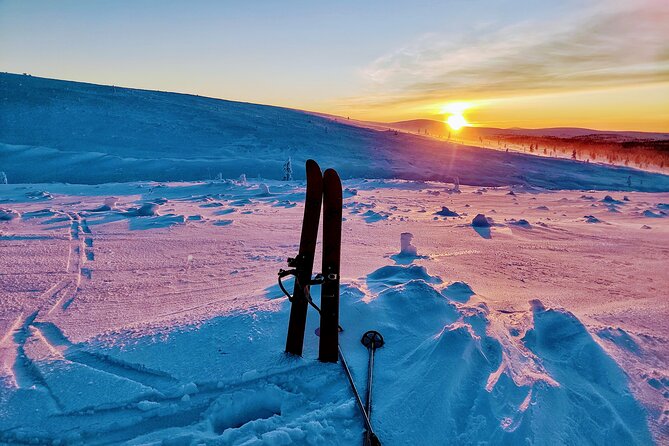
- Snowshoes or modern forest skis: Your winter travel method depends on snow conditions.
- Lunch on an open fire (or stove): You warm up without leaving the woods.
- Midwinter darkness with head torches: It’s guided walking when the light is gone.
- A small group size: Max 12 people, so you’re not lost in a crowd.
- Wildlife sightings are possible: You might spot willow grouses, grazing reindeer, or other animals.
A Torchlit Walk in Inari’s Untouched Winter Forest
This trek is built around one simple idea: the best winter magic happens away from paths. In Inari, Lapland, you head into the wilderness where there are no human-made structures or tracks—only quiet snow and a very still landscape (literal, not just a vibe). The guides keep the experience moving at a pace that fits the group, and you spend real time in the forest rather than rushing from viewpoint to viewpoint.
I also like that the day is designed to show you multiple moods of the same place. Morning light (when you have it) is one kind of winter experience. Then the forest shifts again after dark, when shadows stretch and the woods feel almost weightless under your feet.
Wildlife chances add extra interest, too. You might see willow grouses in their white winter look, grazing reindeer, or other animals and birds. Even if you don’t spot anything, the silence and the snow’s texture are still the main event.
Meeting at Xwander Nordic and Getting Your Winter Day Flowing
You’ll meet at Xwander Nordic, Ivalontie 12, 99800 Inari, Finland. The start time is 9:00 am, and the activity ends back at the same meeting point, so you’re not thinking about transfers for the day.
That matters because in Arctic winter, logistics can steal your energy. A fixed start and return point keeps the day simple. It also helps you settle into winter mode early—your brain has time to adjust before you’re far from the cars.
The trip includes a mobile ticket, so you’ll want your phone ready at check-in. Confirmation happens at the time of booking, which reduces last-minute guessing. And the group is small—up to 12 people—so guides can keep an eye on everyone’s comfort, spacing, and pace.
If you’re coming using public transportation, the meeting area is described as near it. That’s a plus if you’re not renting a car.
Snowshoes or Forest Skis: How the Day Chooses Your Route
One thing you should expect: you won’t necessarily use the same equipment every day. The trek uses either snowshoes or modern skin-based forest skis, depending on snow conditions.
That’s not a gimmick—it’s practical. In winter, trail quality changes fast: snow depth, firmness, and temperature decide what glides and what sinks. When guides match the equipment to the snow, the trek stays smoother, safer, and more enjoyable.
If you’re new to either snowshoes or ski touring basics, don’t panic. The experience is framed as guided and supportive, and the group size helps. You’ll likely get instructions on how to move efficiently and how to keep a steady rhythm in deep winter conditions.
Here’s a useful mindset: the goal isn’t speed. The goal is moving quietly through snow so you can actually notice things—sound changes under snow, trees become silhouettes, and your surroundings stop being background and start being the whole show.
Midwinter Silence, Wildlife Chances, and Why Going Off-Track Matters
After you set off, you head deep into the forest where there are no human-made structures or tracks. That detail is what makes this trek feel genuinely wild. On popular routes, you get constant interruptions: fence lines, ruts, and other people’s footprints. Here, you get the feeling of standing inside a sealed winter world.
The forest is especially quiet in winter. That silence is real, not poetic. Your pace slows naturally because you’re paying attention to balance and footing, and that makes the world feel huge. It’s the kind of quiet where you start hearing your own breathing and the subtle sound of snow under movement.
Wildlife is part of the appeal. Depending on the moment and what’s active, you might see:
- willow grouses, white against the snow
- grazing reindeer
- other animals and birds roaming the forest
You should treat these as possibilities, not guarantees. But even a short-lived sighting can change how the whole forest feels. It makes the trek feel alive, not just scenic.
Also, the off-track approach affects your view of nature. When there are no rails of a trail guiding your eyes, you notice the forest’s patterns—tree spacing, snow drifts, and the way light behaves between trunks.
Lunch on the Go: Open-Fire Food in the Cold
One of the best parts of this trip is the lunch setup. You’ll eat while you’re still out there, not after you’ve returned. The lunch is cooked on an open fire or using a camping stove, depending on the weather.
That choice is smart. In calm conditions, an open fire adds warmth and a cozy, real-life feel. When conditions aren’t as cooperative, a stove keeps the process steady and reliable without wasting time. Either way, the point stays the same: you warm up in the middle of the wilderness experience.
Practical note: eat earlier than you think you need to. In cold weather, you burn energy just staying warm and moving. A mid-trek meal helps you keep your hands and feet comfortable for the second half of the journey—especially since you may be heading back in darker light.
There’s also a psychological benefit. Lunch in the woods turns the trek from pure exertion into a full experience. It gives you a natural break to slow down, look around, and let the quiet sink in again.
Heading Back in the Dark: Head Torches and Cotton-Soft Snow
The trek return can happen when it’s already dark. That isn’t an inconvenience here—it’s part of what makes the experience memorable.
With head torches, you get guided safety while you move through the forest at night. The guides make it possible to experience the woods with a completely different sense of depth and scale. The darkness can feel intense, but the light system keeps you oriented and moving as a group.
Walking in midwinter darkness has a special rhythm. The forest can feel silent and still, and moving around can feel like you’re walking on a soft layer—like the snow smooths out the world. You also get the option to use your headlamp to create big, deep shadows around you, which changes how you perceive trees and distance.
A quick piece of advice: if you’re the kind of person who likes to photograph, use your light thoughtfully. Bright bursts of light can flatten the scene. Steadier torchlight tends to keep the shadows dramatic and the forest more magical.
Price and Value: What $139 Covers in Lapland
At $139 for about 6 hours, this trek is priced for a guided, full half-day experience that includes food and specialized winter movement.
Here’s why I think the value is reasonable:
- You’re getting a guide to take you off-track safely.
- You spend time in a remote-feeling area where winter conditions matter, and guidance is key.
- Lunch is included and cooked on an open fire or camping stove, meaning you’re not forced to scramble for a meal later.
- The group stays small (max 12), which usually means more attention and smoother pacing.
- The experience includes the night element with head torches, which adds complexity beyond a simple daytime walk.
Could it cost more than a basic stroll? Yes. But this isn’t a regular walk. It’s a structured winter expedition with the right tools for the snow, plus guided winter pacing and feeding you while you’re out there.
Who This Winter Trek Fits Best
This tour is built for people who want the quiet side of Lapland, not just the view from a bus window. It’s a good fit if you like:
- walking in snow at a calm pace
- guided nature time with a small group
- the idea of eating outdoors during a winter trek
- the mood shift from daytime to nighttime forest walking
The description says most people can participate, which suggests it’s not only for extreme athletes. Still, you should be prepared for winter walking. Cold-weather comfort and basic comfort with standing and moving on snow will make the day more enjoyable.
If you’re traveling with a service animal, it’s allowed. And since the meeting point is near public transportation, you’re not locked into private car logistics.
From the small-group perspective, you’ll also feel the difference in how the day works. With up to 12 people, it’s easier for guides to keep spacing and support anyone who needs a breather or a slower pace.
The Guide Factor: Small Details That Make Winter Easier
The trip is guided by friendly, multilingual, attentive guides who look after you the whole way. In winter, that “whole way” part matters because conditions can change fast, and everyone’s comfort matters when it’s cold and you’re walking away from normal paths.
In the wider Xwander Nordic universe, names like Ossi, Juhani, and Emilia show up in positive feedback about being organized, funny, and reliable—plus sharing wildlife knowledge. While you might not get those exact guides on your specific day, the overall approach seems consistent: keep it clear, keep it calm, and make sure people feel comfortable out there.
That’s what you want in Lapland. You don’t want uncertainty piling up. You want confidence—someone watching the group, someone ready with a warm break, and someone helping you enjoy the forest instead of managing stress.
Should You Book This Winter Trek in Lapland?
I’d book this if you want a real winter forest experience in Inari—quiet, guided, and off-track—with lunch and a return that turns dark into part of the fun. The small group size, the open-fire (or stove) meal, and the head-torch night walking are the main reasons to choose this one over a more generic winter activity.
Skip it if you hate cold-weather outings or you’re uncomfortable walking in winter conditions. Also think twice if you only want daylight sightseeing—because part of the experience may happen when it’s already dark.
If you’re flexible, dress for real winter, and enjoy the idea of silence and snow, this trek is a strong match. It’s a simple plan that gives you an unforgettable side of Lapland: the kind where you stop thinking about the clock and start noticing the forest.
FAQ
Where does the Winter Trek start and end?
The tour starts at Xwander Nordic, Ivalontie 12, 99800 Inari, Finland, and it ends back at the same meeting point.
What time does the trek begin?
The start time is 9:00 am.
What kind of gear do you use during the trek?
Depending on snow conditions, the trek uses snowshoes or modern skin-based forest skis.
Is lunch included, and how is it prepared?
Yes. There is a lunch on the go during the trek, prepared on an open fire or using a camping stove, depending on the weather.
How long is the experience?
It runs for about 6 hours.
What happens if weather is poor or you need to cancel?
The experience requires good weather. If it’s canceled due to poor weather, you’ll be offered a different date or a full refund. You can also cancel up to 24 hours in advance for a full refund.