REVIEW · KATHMANDU
Everest Base Camp Trek
Book on Viator →Operated by Adventure Great Himalaya Trek and Expedition · Bookable on Viator
That Everest skyline is waiting for you. From Kathmandu, you’ll work your way up through Sherpa villages and Sagarmatha National Park toward Everest Base Camp, with the trip’s highlight at Kala Patthar (5,545 m) for sunrise views.
I like how this trek lowers stress by handling the big moving parts: Kathmandu–Lukla flights, permits and conservation fees, plus meals and lodge accommodations along the route. I also like the pacing—acclimatization days in Namche and Dingboche, including hikes that help your body adjust before the higher push.
Here’s the main consideration: you’re going high, and winter can be brutally cold. With a maximum altitude at Kala Patthar and a route that still demands steady climbing, this is not a “walk and forget your fitness” vacation.
In This Review
- Key things to know before you go
- Kathmandu as your starting line, not just a waiting room
- Lukla flights: spectacular views, real weather risk
- From Phakding to Namche: Sherpa villages, prayer flags, and big bridges
- Acclimatization in Namche: the day you should treat like training
- Tengboche to Dingboche: monasteries, forests, and that slow climb feeling
- Another acclimatization day in Dingboche: Nagarjun Hill for panoramic views
- Lobuche to Gorak Shep: the route turns rocky and serious
- Base Camp and then Kala Patthar: sunrise is worth the cold
- Heading back down: Namche and Lukla make the difference
- The price: what $1,800 actually buys you
- Who this Everest Base Camp trek fits best
- Should you book this Everest Base Camp trek?
- FAQ
- Where does the Everest Base Camp trek start and what time?
- How long is the trek?
- What is the maximum altitude on this trip?
- Are flights included?
- What meals and accommodations are included?
- What trek support do you get for your group?
- Are permits included?
- What equipment is provided?
- What’s not included in the price?
- What happens if the Lukla–Kathmandu flight is delayed or canceled?
Key things to know before you go
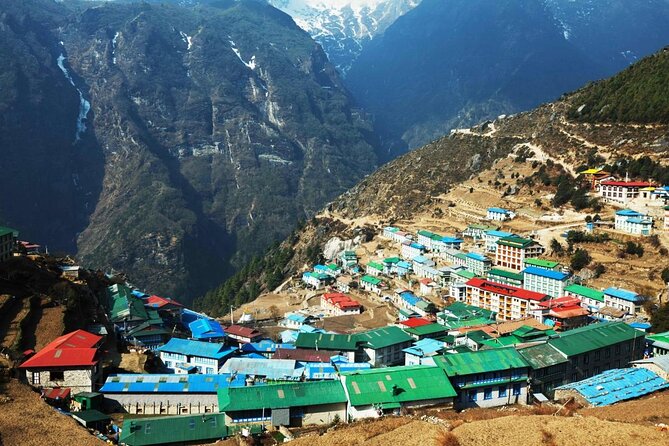
- Kala Patthar sunrise is the payoff: an early climb for the best first light and panoramic views.
- Meals, lodges, and permits are included: less budgeting anxiety once you’re on the trail.
- Built-in altitude adjustment: Namche and Dingboche include extra time so you don’t rush the climb.
- Porter support for your group: a porter for between two trekkers helps with carrying the bulk.
- Small group size (max 12): easier coordination, and you’re not stuck in a huge crowd.
- Winter-friendly gear included: sleeping bag, duffel bag, and walking pole are part of the package.
Kathmandu as your starting line, not just a waiting room
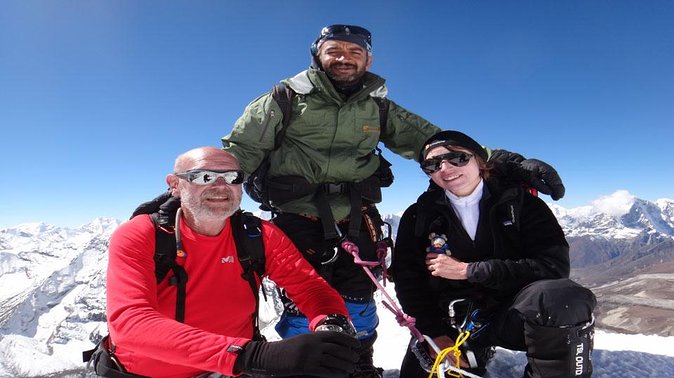
Most Everest Base Camp trips start with a flight and a scramble. This one starts with a calmer plan: pickup in Kathmandu after you land at Tribhuvan International Airport, then transfer to your hotel to rest and reset. You also get a short guide briefing, which matters because the trail is only part of the job; your body and schedule need to be ready too.
Kathmandu also gives you a chance to prep mentally. You’ll be moving from city breathing and traffic noise into thin air and long walking days. Even if you’re fit, you’ll feel the switch once you’re waiting for Lukla.
One small detail I appreciate is the fixed start time: the group typically meets at 7:15 am. That kind of structure helps you avoid that “are we doing this today?” uncertainty.
You can also read our reviews of more tours and experiences in Kathmandu.



Lukla flights: spectacular views, real weather risk
The trek begins with an early flight from Kathmandu to Lukla. This short hop is famous for mountain views, but it’s also where you should expect the unexpected—Lukla weather can disrupt schedules.
That’s why there’s a buffer built in later. Day 14 is kept as extra time in case flights between Lukla and Kathmandu get delayed or canceled, which can happen due to unpredictable mountain weather. If your flights run smoothly, you still get a free day to breathe, rather than being forced into last-minute catch-up.
Plan-wise, this matters because it shapes your mental tolerance. You’re not just trekking; you’re also traveling in a place where skies can change fast. Having that buffer day makes the overall trip feel less stressful.
From Phakding to Namche: Sherpa villages, prayer flags, and big bridges
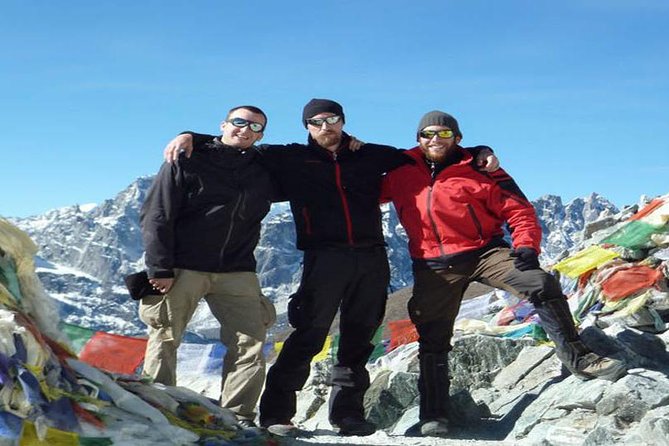
After landing in Lukla and meeting the trekking crew, you start with an easier day downhill through Sherpa villages and along the river route. You’ll see mani walls and prayer wheels as you move through small communities, and the suspension bridges add a fun element of motion to the trail—colorful prayer flags and wide views over the valleys.
Then comes Namche Bazaar, the altitude “checkpoint” town most people remember. The trail to Namche follows the Dudh Koshi River with multiple suspension crossings. Even before you feel the elevation strongly, this is where the journey starts looking and feeling more serious.
You’ll walk through pine forests and traditional villages, then enter Sagarmatha National Park. That park boundary isn’t just a paperwork detail—it’s the start of a more protected, carefully managed region, which is part of what keeps the trekking experience meaningful.
How it feels: day 2 is often manageable and scenic, while day 3 turns into longer time on your feet as the scenery tightens and the route becomes more hike-focused than village-focused.
Acclimatization in Namche: the day you should treat like training
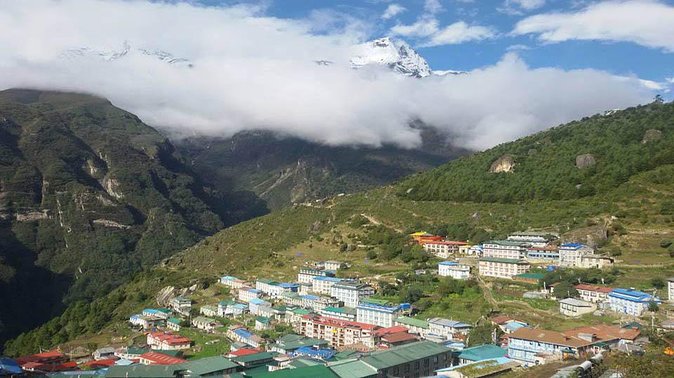
Namche isn’t only a place to sleep. It’s a chance to adjust. You get a dedicated acclimatization day there, which is where the itinerary gets smarter than the “just rush upward” approach.
You can explore the lively market area, and there’s also downtime to visit places like the Sherpa Museum. If you want the easy high-altitude viewpoint, you can hike up toward the Everest View Hotel area or take the route toward Khumjung village for panoramic sights of peaks in the region.
This is a key day for your comfort. The goal isn’t to “bag extra miles.” It’s to get your body used to higher air while still having guidance and meals and a predictable schedule.
Why I like this: people can think acclimatization days are wasted time. In reality, they protect your ability to enjoy the higher parts. When you don’t rush, you spend less energy feeling sick and more energy actually seeing the mountains.
Tengboche to Dingboche: monasteries, forests, and that slow climb feeling
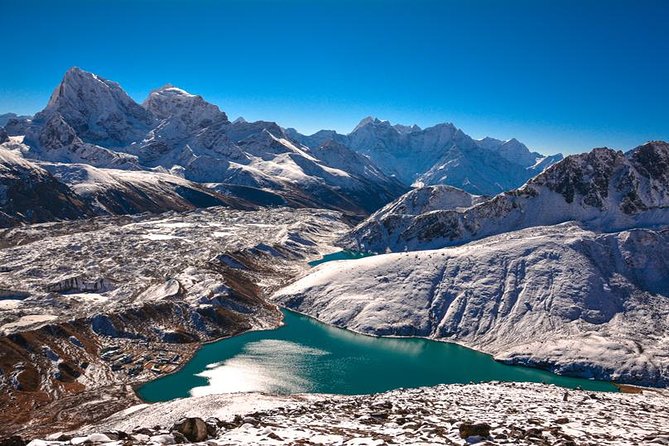
Leaving Namche, the route continues gradually uphill with wide mountain views, including sights of Everest, Lhotse, and Ama Dablam on clear days. The path moves through rhododendron and pine forests, then down toward the Dudh Koshi River with suspension bridge crossings along the way.
Next you reach Tengboche, a spiritual stop known for its monastery atmosphere. This is one of those sections where the trail feels both scenic and human-scale. You’re not just walking through “nature”; you’re passing through places with daily rituals and community life.
Then the trip moves on to Dingboche via Debuche and Pangboche. You cross the Imja Khola River and pass Pangboche, described in the route details as the highest permanent settlement in the region. That detail matters because you’re getting a sense of how people live near the altitude limit.
This is also when the walking starts to feel more exposed. As you climb, vegetation can thin and the trail shifts toward more rocky terrain.




Another acclimatization day in Dingboche: Nagarjun Hill for panoramic views
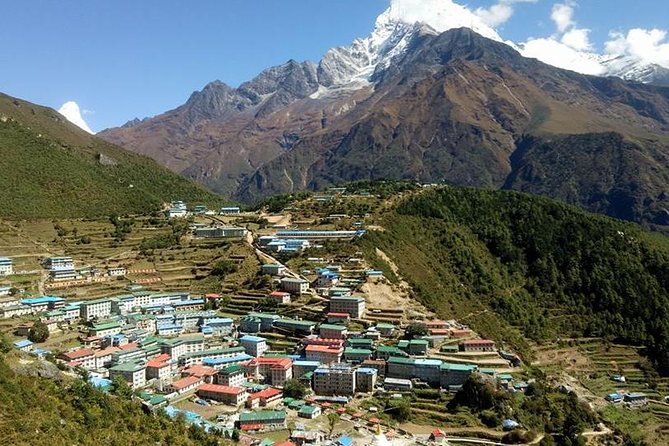
Dingboche’s second acclimatization day gives you a structured hike to Nagarjun Hill (5,100 m). The itinerary frames it as a scenic adjustment day, with panoramic views of peaks like Makalu, Lhotse, and Island Peak (on clear weather).
Again, the goal is not to conquer the mountain. It’s to give your body a “practice run” at altitude while keeping you in control of pace. After that hike, you return for lunch and rest.
This is where guided planning shows its value. When you’re tired or unsure how hard to push, having a schedule and crew helps you avoid the classic mistake: going too hard on a day that’s supposed to make the higher days easier.
Lobuche to Gorak Shep: the route turns rocky and serious
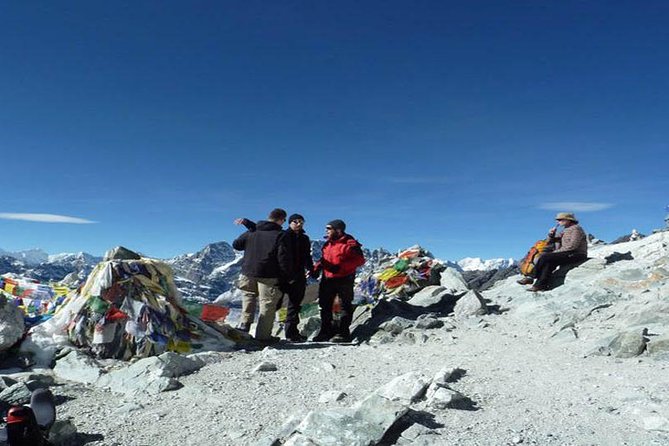
As you head toward Lobuche, the scenery becomes more dramatic and sparse—rocky landscapes with less vegetation. You pass Dughla and then ascend along a memorial ridge honoring climbers who lost their lives on Everest.
That memorial section changes the mood on the trail. It’s not only a view stop; it’s a reminder that Everest is not a casual destination. For many trekkers, it’s the first point where the expedition vibe becomes real in your head.
From Lobuche you continue to Gorak Shep, described as the last settlement before Base Camp. After lunch, you move across rocky terrain and glacier moraines to reach Everest Base Camp. This is the day where you trade “working your way up” for “arriving.”
Practical note: this part is often mentally exciting, so it’s easy to forget to take it slow. Keep your breathing steady and don’t rush the last segments just because you’re close.
Base Camp and then Kala Patthar: sunrise is worth the cold
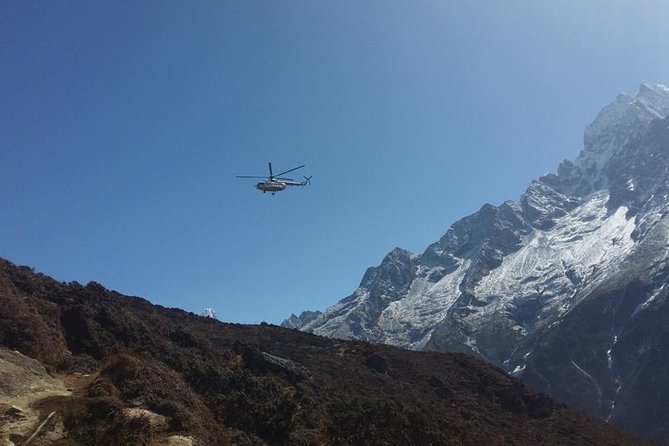
The next big day starts early with a steep climb to Kala Patthar (5,545 m). The itinerary is clear about the purpose: this is the best vantage point for sunrise views of Everest and surrounding Himalayan giants.
If you’ve never done early high-altitude trekking, expect the feeling: cold air, stiff limbs, and the sense that every step is “small but important.” The reward is sunrise light across peaks, including the dramatic geometry of the surrounding mountains.
After soaking in the views, you descend to Gorak Shep for breakfast, then continue downward. That sequence matters because it prevents the classic problem of arriving at a viewpoint and then turning around with no energy. The plan builds in recovery time.
This is also where winter conditions can surprise people. One of the standout themes from past winter trekkers is that it can be extremely cold in December, but that a well-organized guide keeps the day on track. If you’re going in winter, treat the provided sleeping bag seriously and wear layers you can manage without rushing.
Heading back down: Namche and Lukla make the difference
Your return route retraces many steps, but it doesn’t feel repetitive. You pass through Pangboche and Tengboche again, often with different light and perspective. Forest sections feel quieter, and suspension bridges bring you back to that steady rhythm of crossings over the Dudh Koshi River.
You reach Namche for another overnight segment and continue downhill through pine forests, crossing high suspension bridges to Lukla. That long descent can feel tough on the legs, so I’d plan for sore knees and slower footing. You’ll still be amazed, even if you’re tired, because the mountain silhouettes never really get old.
Then you fly Lukla to Kathmandu early in the next transfer day, with one last view of the Himalayas on the short flight. When you land in Kathmandu, you’ll be transferred to your hotel for rest.
The price: what $1,800 actually buys you
At $1,800 per person, this trek isn’t cheap. But it’s also not a bare-bones “pay for everything separately” setup.
Here’s where the value comes from, based on what’s included:
- Flights: Kathmandu to Lukla and return are included.
- Guiding + crew support: you’ll have a porter (for between two trekkers).
- Meals and lodging: breakfast, lunch, dinner during the trek, plus lodge accommodations for the majority of nights.
- Permits and fees: trekking permits and Sagarmatha Conservation fees are included.
- Equipment basics: sleeping bag, duffel bag, and walking pole are provided.
Not included are the international airfare and Nepal visa fee, personal travel insurance, and tips for guide and porter. Those add-ons are common, but they’re the parts you must budget beyond the headline price.
My take: if you want the classic Everest Base Camp experience without constant decision-making—what to pay, where to eat, which permit is which—this package structure is the kind that makes the trek feel manageable.
Who this Everest Base Camp trek fits best
You’ll likely love this tour if you want a guided route with clear pacing, meaningful acclimatization days, and a plan that covers the logistics that often trip people up.
It suits you best if:
- You have moderate physical fitness and can handle long hiking days.
- You’d rather focus on walking, views, and adjusting to altitude than on arranging meals and permits.
- You want a small group (max 12) and porter support.
You might want to think twice if you’re expecting an easy stroll. Even with acclimatization, the high point at Kala Patthar is a demanding altitude day, and the winter cold can be intense.
Should you book this Everest Base Camp trek?
Book it if you want a well-structured Everest Base Camp journey that keeps the practical stuff handled: flights, permits, meals, lodge stays, and the key acclimatization rhythm. The small-group setup plus porter support also helps you stay focused on the trail instead of the logistics.
Don’t book it if you’re not ready for altitude work and cold mornings. If you’re going in winter, use that provided gear, dress in layers you can manage, and be mentally prepared for minus-weather conditions that have tested even confident hikers.
If you want Everest Base Camp with less guesswork and more guidance, this is the kind of plan that makes the mountains the main event.
FAQ
Where does the Everest Base Camp trek start and what time?
It starts at Tribhuvan Airport in Kathmandu, Nepal, with a meeting start time of 7:15 am.
How long is the trek?
The trek is listed as 15 days (approx.), including trekking days, acclimatization days, and a buffer day.
What is the maximum altitude on this trip?
The highest point is Kala Patthar at 5,545 meters.
Are flights included?
Yes. You get Kathmandu to Lukla and return Kathmandu flight tickets included.
What meals and accommodations are included?
The package includes meals (3 meals a day during the trek: breakfast, lunch, dinner) and lodge accommodations for the trekking portion.
What trek support do you get for your group?
A porter is included for between 2 trekkers, and the trek is described as guided.
Are permits included?
Yes. Trekking permits and Sagarmatha Conservation fees are included.
What equipment is provided?
The trek includes a sleeping bag, duffel bag, and walking pole.
What’s not included in the price?
Not included are international airfare and the Nepal visa fee, personal travel insurance, and tips for the guide and porter.
What happens if the Lukla–Kathmandu flight is delayed or canceled?
The schedule includes an extra buffer day (Day 14) for potential delays or cancellations due to mountain weather.