REVIEW · HANOI
From Hanoi: 2-Day Sa Pa Ethnic Homestay Tour with Trekking
Book on GetYourGuide →Operated by Go Asia Travel · Bookable on GetYourGuide
Rice terraces and real village life.
This 2-day Sa Pa ethnic homestay trek is interesting because it blends a modern sleeper-bus ride with time on foot in the Muong Hoa Valley and a night in Ta Van. I like that you get an English-speaking guide plus cultural storytelling, not just a “walk and leave” setup. I also like the chance to see Hmong, Dzao, and Tay life up close through costumes and family meals. One consideration: the walking has real uphill and downhill, so if you have knee trouble or mobility limits, this may not be your best match.
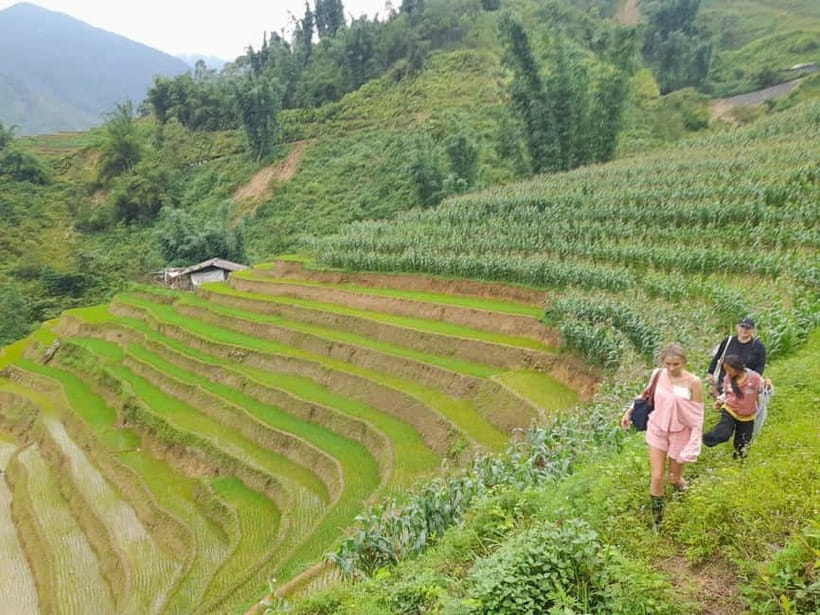
Day 1 hits the valley and villages right away, from colorful ethnic outfits to rice terraces along the Muong Hoa Stream, then on to Lao Chai and the homestay check-in in Ta Van. The trek is described as manageable by many people, but it can still be muddy if weather turns.
Day 2 continues through rice paddies and a bamboo forest stretch, with a panoramic view of Giang Ta Chai and a crossing of the Giang Ta Chai Bridge before you head back for lunch, a shower, and the ride toward Hanoi. You’ll want to bring cash because banking can be unreliable in Sa Pa, and you should plan for a basic (but clean) homestay night with village sounds.
In This Review
- Key Highlights You’ll Actually Feel on the Trail
- Why This Sa Pa Homestay Trek Feels Different From Usual Sa Pa Trips
- The Hanoi to Sa Pa Ride: Modern Sleeper Bus via Lao Cai
- Day 1 in Muong Hoa Valley: Costumes, Rice Terraces, Lao Chai to Ta Van
- Ta Van Homestay Night: Basic, Clean, and Very Real
- Day 2 Trek to Giang Ta Chai: Rice, Bamboo, and a Bridge View
- Price and Value: What $64 Really Covers (and What Costs Extra)
- Guide Quality and Cultural Teaching: Sua, Soso, Tung, Trung, and Friends
- Pace, Mud, Selling, and Packing: The Stuff That Changes Your Day
- Weather and trail conditions
- Physical suitability
- The “selling” factor
- What to pack
- Who This Tour Fits Best (and Who Should Skip It)
- Should You Book This 2-Day Sa Pa Ethnic Homestay Trek?
- FAQ
- Is this a 2-day tour?
- Where does the tour take place?
- What’s included in the price?
- What’s not included?
- Do I need to bring cash?
- What should I bring for trekking?
- Is the tour suitable for children or people with mobility issues?
- Is an English-speaking guide provided?
- Are pets allowed?
Key Highlights You’ll Actually Feel on the Trail
- English-speaking support with local guides who explain what you’re seeing
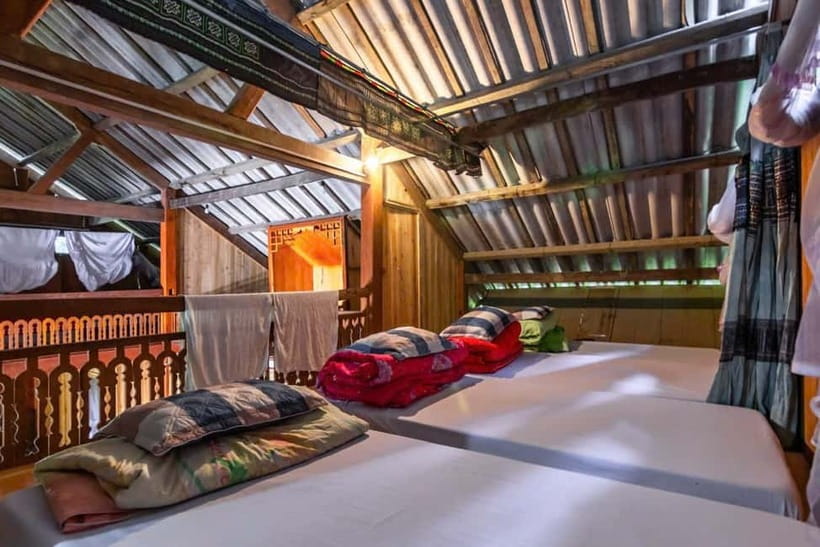
- Ta Van homestay night with home-style meals and simple, clean comfort
- Muong Hoa Valley trekking through rice terraces and streams
- Village-to-village route via Lao Chai and Ta Van, plus the Giang Ta Chai viewpoint
- Comfortable modern sleeper bus option from Hanoi via Lao Cai
- Good value at $64, with a clear food and transport structure for 2 days
Why This Sa Pa Homestay Trek Feels Different From Usual Sa Pa Trips
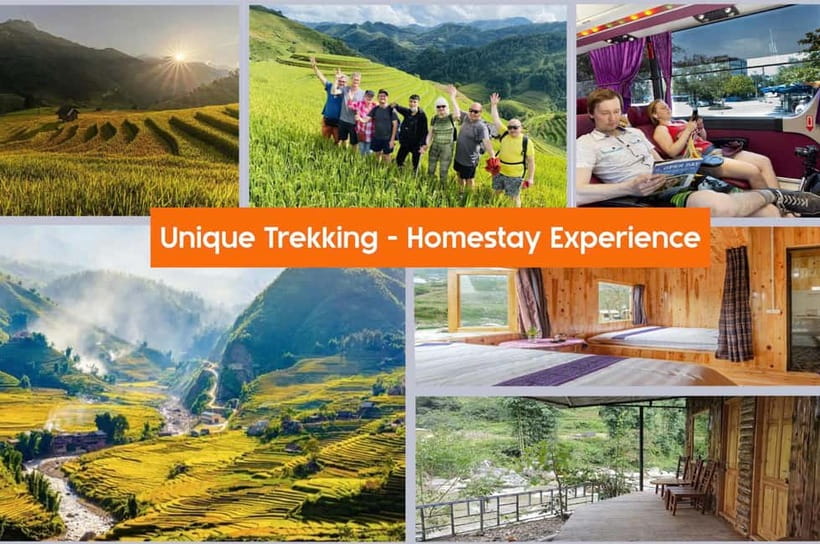
Sa Pa day trips can feel like a highlight reel: a quick stop, a few photos, then back to town. This one slows things down on purpose. You start with transportation built for overnight travel, then trade the bus-seat view for footpaths through rice terraces and small ethnic villages.
The biggest difference is the homestay night in Ta Van. You’re not just “seeing” a village; you’re staying in it. Many people also point out that the guides do a good job connecting the dots between costumes, daily work, and where you’re walking. Names that pop up often include Sua and Soso, and you may also encounter guides like Tung or Trung. Even with different guide personalities, the theme stays the same: you’re learning how people live in the mountains, not just collecting viewpoints.
The other thing I appreciate: this is designed as a 2-day arc, not a rushed checklist. Even when weather limits visibility, you still get the rhythm of trekking, eating, and resting with a real routine.
You can also read our reviews of more tours and experiences in Hanoi.

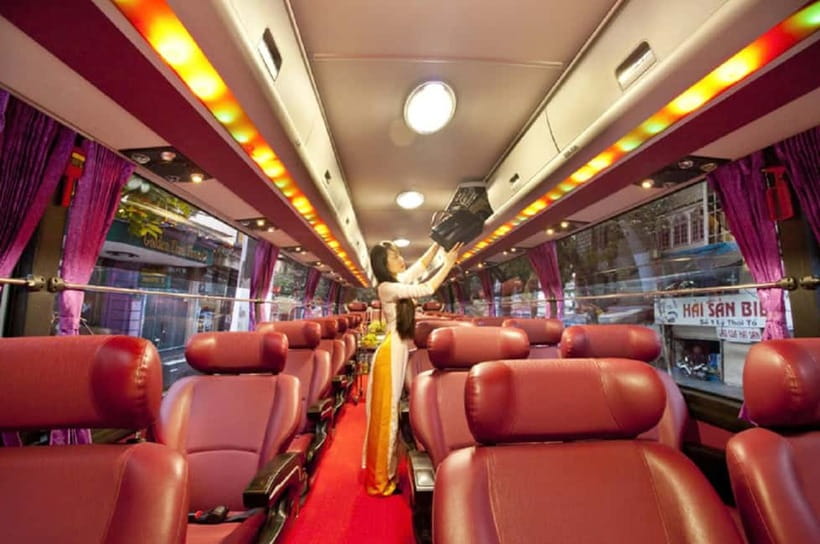
The Hanoi to Sa Pa Ride: Modern Sleeper Bus via Lao Cai
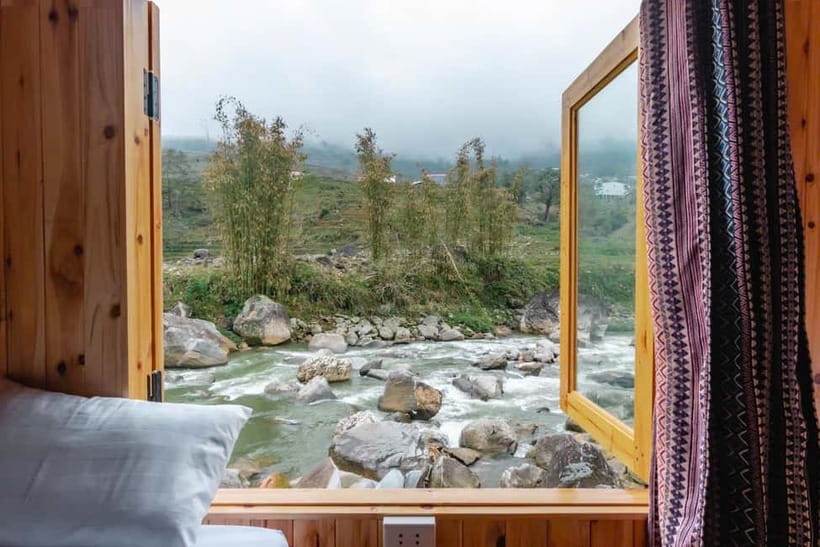
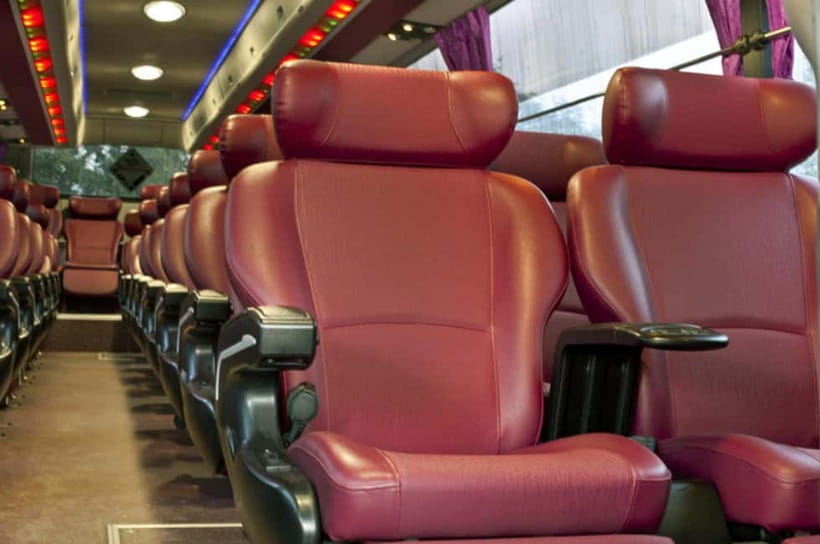
You’ll leave Hanoi in the morning on a sleeper bus that goes via Lao Cai, then continues up to Sa Pa. The tour describes it as a route using the newer highway to Sa Pa, and the sleeper setup is a big part of the comfort.
In the reviews, people repeatedly mention that the bus is very comfortable, with a cabin-style feel that can help you actually rest a bit. If you’re a light sleeper, note that some departures can feel a bit “odd at first” while you get used to the setup. Still, the overall experience tends to be positive compared with regular buses.
What this ride does for you is simple: it saves the time you’d waste on a slow daytime transfer, and it lets you arrive with enough energy for the first afternoon/evening activities and dinner.
Practical tip: bring cash for small purchases and snacks. The tour is also clear that you shouldn’t expect reliable banking in Sa Pa.
Day 1 in Muong Hoa Valley: Costumes, Rice Terraces, Lao Chai to Ta Van
Day 1 is where the tour sets the tone. After arriving in Sa Pa, you’re met at the bus stop, then taken to a hotel area to relax before a lunch of local dishes. From there, the walking begins.
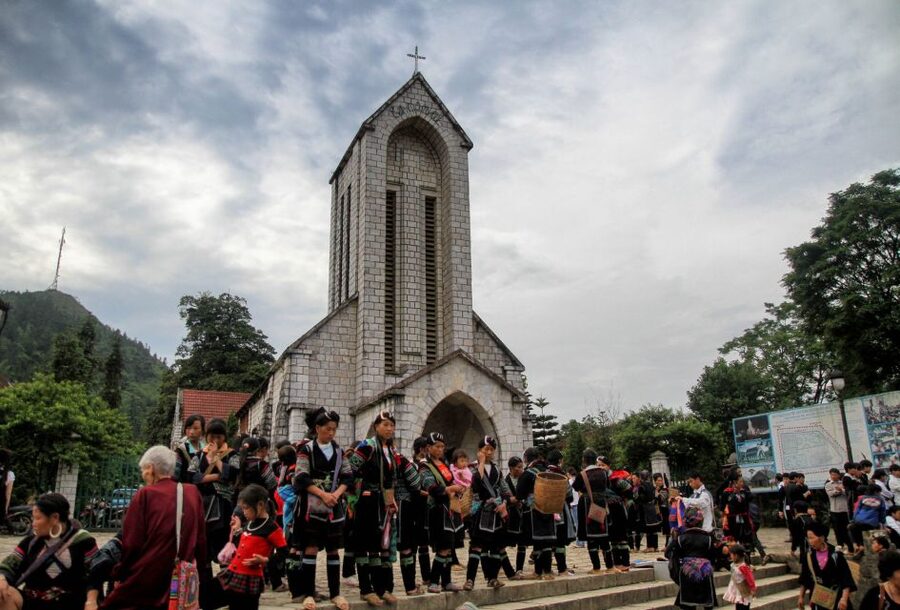
You’ll see ethnic groups like the Hmong, Dzao, and Tay, and you’ll spot traditional outfits that make Sa Pa feel like a living museum. It’s one of those parts that’s easy to “look at” but also easy to miss unless a guide tells you what you’re seeing. This is where English-speaking guides help: you get context for why people wear certain styles and what daily life looks like in the valley.
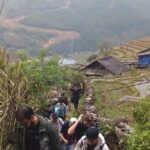
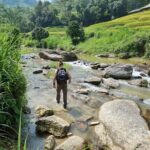
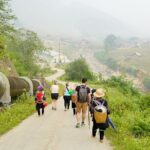
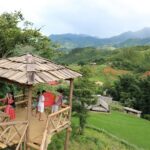
Then you trek along the Muong Hoa Stream and through lush rice terraces. The route brings you to Lao Chai village (often described as a Black Hmong village area), and from there you continue to Ta Van to check into the homestay and meet the family.
How long and how hard? People report different pacing depending on weather, but common notes include:
- Roughly 3.5 hours on the first day for some groups
- A total walking effort that can feel like around 10 km across the whole two days
- Some sections that are more downhill than others, but still enough to make you properly tired
If it’s foggy or rainy, don’t expect every viewpoint to look postcard-perfect. That said, you’re still walking through working rice terrain, which stays interesting even when the visibility drops.
Ta Van Homestay Night: Basic, Clean, and Very Real
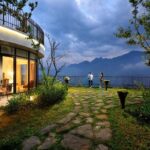
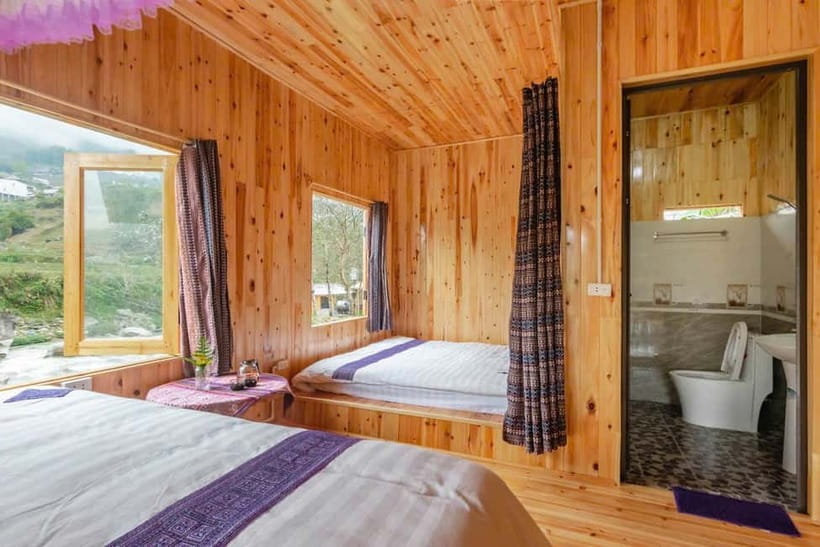
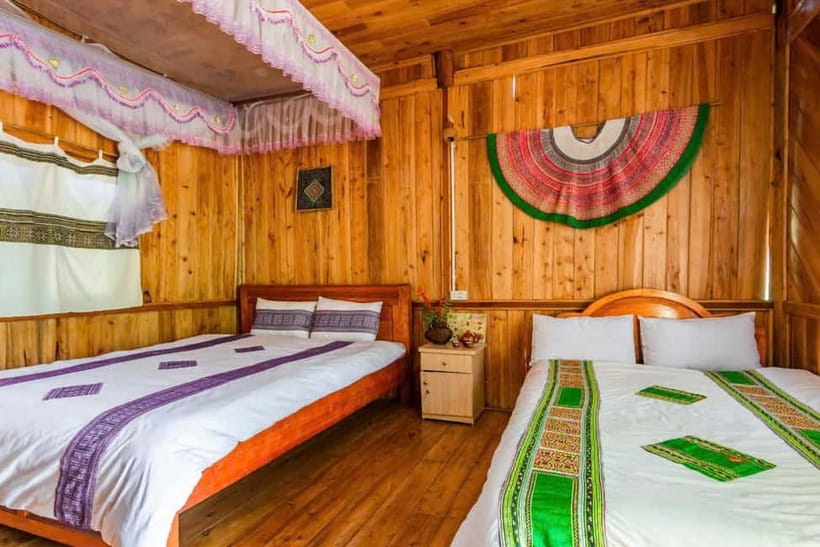
The homestay in Ta Van village is the heart of this tour. The tour describes the homestay as basic but functional, and the key promise is that you’ll have clean water and fresh food.
What you can realistically expect:
- A single mattress setup is included
- Rooms can be basic, but people report comfort, and some mention private rooms (often through the single-room supplement)
- Food is home-style and generally praised, including dinners prepared by the family
- There can be village sounds at night, since you’re staying among residents, not behind hotel walls
If you’re sensitive to noise, consider packing earplugs. Safety isn’t the issue here; it’s just that the village is active at night.
Also, meal details matter. One review notes that many dishes include meat, with veggie options available if you don’t eat meat. If you have dietary limits, it’s worth telling the operator ahead of time so they can plan.
Finally, a quick reality check: you’ll have a night that’s more “simple and communal” than “spa-like.” That’s the point. The value is in seeing how a family lives day-to-day in the mountains, then sharing meals with them.
Day 2 Trek to Giang Ta Chai: Rice, Bamboo, and a Bridge View
Breakfast is prepared by the family, then you head out again in the morning for the second trek. Day 2 is often described as shorter than Day 1, but it can still feel like a workout.
This part of the route includes:
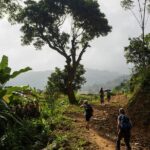
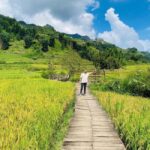
- Trekking through rice paddies
- A bamboo forest segment
- A panoramic view of Giang Ta Chai village
- Crossing the Giang Ta Chai Bridge
From there, you return toward Sa Pa by car, and the plan includes lunch plus time to shower. Then you return to Hanoi via the pickup/mapping point where the bus meets you. After that handoff, you take care of your own way from the end point to your hotel.
How hard is Day 2? Common review notes include around 2 to 2.5 hours of trekking and sections that can be more uphill than Day 1. People also say the trail can be wet and muddy in rainy conditions, which affects traction more than pure difficulty.
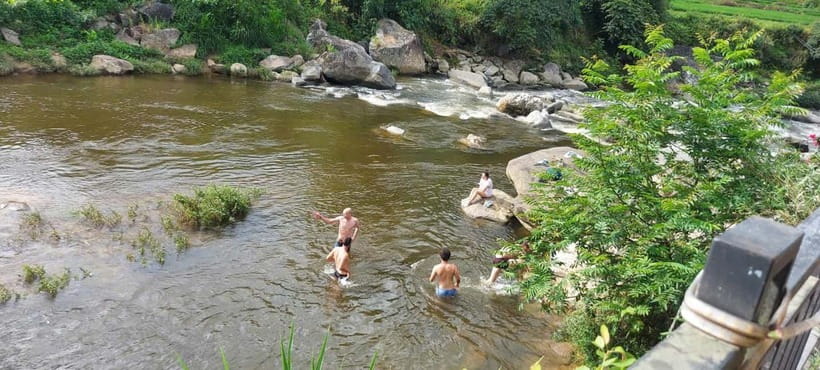
Bonus if you’re curious and adventurous: some groups mention time around a waterfall area during the trek. If you like swimming, pack swim gear on the chance you’ll have time and an appropriate spot to cool off.


Price and Value: What $64 Really Covers (and What Costs Extra)
At $64 per person for 2 days, this tour is priced like a budget-to-midrange homestay trek, not a luxury adventure. The value comes from the fact that the fee includes the structure that’s usually hard to arrange yourself: transport, guided trekking, meals, and the homestay night.
What’s included:
- Round-trip bus ticket between Hanoi and Sa Pa (the tour mentions this as optional, so double-check what your booking selects)
- A local tour guide in English
- Homestay accommodation in Ta Van with a single mattress
- Meals: 2 lunches, 1 dinner, and 1 breakfast
- Village entrance tickets for Lao Chai and Ta Van
- A car on Day 2 from Giang Ta Chai back to the hotel for lunch and shower
What you should budget for:
- Drinks during meals (not included)
- An 8% government tax
- A single room surcharge of $5 per person (if you want a private setup)
- Holiday surcharges paid onsite on specific dates
My take on value: if you want to see Muong Hoa Valley without juggling transport and group logistics, this price is reasonable. If you’re already comfortable arranging buses, hiring a private guide, and booking a homestay directly, the cost advantage shrinks. But for many people, the included guidance and meals are the difference between “interesting idea” and “smooth experience.”
Guide Quality and Cultural Teaching: Sua, Soso, Tung, Trung, and Friends
A homestay trek lives or dies on your guide. And in the feedback, the guides are one of the most consistent strengths.
You may get guides like:
- Sua, praised for being friendly and for making the trek fun while sharing local life knowledge
- Soso, described as knowledgeable and kind, with strong English and good pacing
- Tung, noted for caring, sharing culture, and helping answer questions
- Trung, credited for explaining Hmong way of living alongside the views
What I like about the way these guides work is that they don’t only point out scenery. They explain the people, nature, and village differences you’re seeing. You also often get practical encouragement on the trail.
One small cultural note: part of trekking here can mean encountering local women selling handmade items. Some guides may help manage the moment, but you should still plan for it. If you prefer less interaction, the consistent advice is to politely decline and avoid long conversations.
Pace, Mud, Selling, and Packing: The Stuff That Changes Your Day
This is a real mountain trek, so plan for your body and the weather.
Weather and trail conditions
Even with great guides, rain and fog can reduce visibility. Reviews mention misty conditions on at least one day, with views not as clear as they could be. Wet weather also means mud, slippery patches, and a slower pace.
Physical suitability
This tour is not a gentle stroll. Reviews emphasize steep declines and uphill segments. One review specifically warns that if you have knee problems or other difficulties, you should skip this trek.
The “selling” factor
You may see locals walking alongside the route and offering crafts or items. People describe it as sometimes very insistent. If you want to avoid stress, set your boundaries early:
- Keep your answers short
- Don’t reward insistence with extended debate
- Stay focused on walking and your group
What to pack
The tour lists the basics, and I’d treat them as non-negotiable:
- Hiking shoes
- Sunglasses
- Sunscreen
- Insect repellent
- Cash in Vietnamese Dong (and USD/EUR/Australia dollars are accepted)
Luggage tip: you can store your main bag in the bus trunk during the way, then store it at the hotel in Sa Pa where you eat lunch, and you retrieve it on Day 2 when the trek ends. Bring the essentials for the trek day with you.
Who This Tour Fits Best (and Who Should Skip It)
This is best for you if you want a mix of trekking + culture + homestay life, and you’re comfortable with basic accommodation. You’ll also enjoy it more if you like asking questions, because the guides often turn the route into a story about everyday life.
You might love this if:
- You’re in Vietnam for a short time and want a structured 2-day experience
- You enjoy rice terraces, valleys, and village routes rather than only city sightseeing
- You want an English-guided walk with time to meet families
You should skip it if:
- You have mobility impairments, use a wheelchair, or need accessible routes (the tour says it’s not suitable)
- You’re bringing children under 6
- You know you have knee issues or struggle with uphill/downhill walking
If you fall between “fit” and “not sure,” take the physical warnings seriously. People describe the hike as manageable for many, but it’s still demanding enough to matter.
Should You Book This 2-Day Sa Pa Ethnic Homestay Trek?
Book it if you want a real Sa Pa experience with Muong Hoa Valley trekking plus a Ta Van homestay night. The included meals, the guided cultural explanations, and the comfort of the sleeper bus make it a practical choice for getting out of town and into the mountains without stress.
Skip it if you’re hoping for an easy walk, guaranteed clear views, or a quiet, hotel-style stay. Mud happens. Fog happens. The trail has climbs and drops, and homestay nights have village sounds. Also, plan for some in-the-moment craft selling along the route.
My recommendation: if you pack well (proper shoes, sunscreen, insect repellent, and cash), keep your expectations grounded, and go in curious, this tour is the kind of thing that sticks with you long after the photos.
FAQ
Is this a 2-day tour?
Yes. It runs for 2 days from Hanoi to the Sa Pa area and back, with trekking and a homestay night in Ta Van village.
Where does the tour take place?
It’s in Sa Pa in northern Vietnam, focused on the Muong Hoa Valley and village areas like Lao Chai, Ta Van, and Giang Ta Chai.
What’s included in the price?
The tour includes a local tour guide (English), homestay accommodation in Ta Van with a single mattress, meals (2 lunches, 1 dinner, 1 breakfast), entrance tickets for Lao Chai and Ta Van, and a car back from Giang Ta Chai to your hotel on Day 2, plus the Hanoi–Sa Pa bus ticket as part of the booking.
What’s not included?
Drinks during meals, 8% government tax, travel insurance, a single room surcharge (listed as 5 USD per person), and possible holiday surcharges.
Do I need to bring cash?
Yes. The tour advises you bring cash in Vietnamese Dong because banking in Sa Pa can be unreliable. US Dollars, Euros, and Australia Dollars are accepted.
What should I bring for trekking?
Bring hiking shoes, sunglasses, sunscreen, insect repellent, and cash.
Is the tour suitable for children or people with mobility issues?
No. The tour says it’s not suitable for children under 6 and also not suitable for people with mobility impairments or wheelchair users.
Is an English-speaking guide provided?
Yes. The guide is listed as English.
Are pets allowed?
No. Pets are listed as not allowed.