REVIEW · CHIANG MAI
Chiang Mai: Gibbons, Trekking & Mae Kampong Small Group Tour
Book on GetYourGuide →Operated by Eco Tours Chiang Mai · Bookable on GetYourGuide
Gibbons in the wild near Chiang Mai?
That is the hook here, plus a full morning in the Mae Kampong area with jungle plants you can smell and taste. It is a small-group day built around a realistic shot at spotting rescued gibbons, then slowing down for village lanes, a waterfall, and a forest trek that feels far from the city.
I love how the guides—often led by TK and also Nee—turn the walk into something you can actually use: plant stories, local uses, and clear pacing when the trail gets steep. I also like the rhythm of the day, with that coffee stop looking out over the valley and an included lunch that works for different diets.
One heads-up: the trekking can be steep and uneven, so it is not for mobility limits. And gibbons are wild, so sightings are never guaranteed, even though your chances are best when the caretaker hears them.
In This Review
- Key things you’ll remember
- Chiang Mai to Mae Kampong: the day starts with mountain air
- How the gibbon viewing actually works (and why it’s never guaranteed)
- Mae Kampong village lanes: where the day becomes Thai and human
- The steep reality: secret jungle trail and the 900-year-old tree
- Waterfall reset at Mae Kampong: the scenic pause you’ll need
- Coffee with valley views and an included lunch that actually covers diets
- Herbs, fruits, and jungle plants: learning that’s hands-on, not just lecture
- Weather and rainy season: yes, it runs, but you need the right gear
- Price and value: what $77 buys you in the real world
- Who should book this, and who should skip it
- Tips to make your day smoother (based on what the guides handle well)
- Should you book Chiang Mai: Gibbons, Trekking & Mae Kampong?
- FAQ
- How long is the trek during the tour?
- Are gibbons guaranteed to be seen?
- What time does the tour start and end?
- What is included in the tour price?
- What food and drinks do I get?
- What should I bring for the hike?
- Does the tour run during the rainy season?
- Is the tour suitable for people with mobility impairments?
- Where should solo travelers meet?
Key things you’ll remember
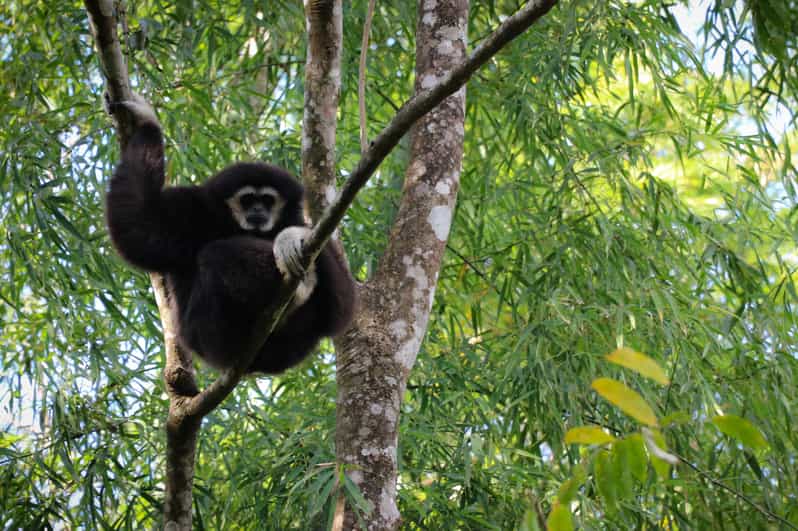
- Wild gibbon viewing with a caretaker and a quick adjustment if the animals are calling
- Mae Kampong village atmosphere, with time to wander and soak up village life
- A guided 3–5 km forest trek on a lesser-known trail, with uneven, sometimes steep footing
- Herb, fruit, and jungle-plant tastings (plus smelling and touch) explained by local guides
- Mae Kampong waterfall visit plus a viewpoint coffee stop with valley views
- Conservation in the cost, including a donation to the gibbon caretaker for food and protection during scarcity
Chiang Mai to Mae Kampong: the day starts with mountain air
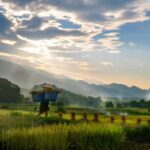
Your morning kicks off with pickup from Chiang Mai city in a comfortable air-conditioned van or SUV, usually around 08:00–08:30. Then you head east into the hills for about an hour, trading traffic noise for cooler mountain air and a landscape that slowly changes from town to green slopes.
This route matters because it sets the tone. You arrive at Mae Kampong not as a quick photo stop, but as a village you can actually walk through. The timing is also built for the gibbon window, which is why the day can feel structured even though you’re out in nature.
You can also read our reviews of more tours and experiences in Chiang Mai.

How the gibbon viewing actually works (and why it’s never guaranteed)
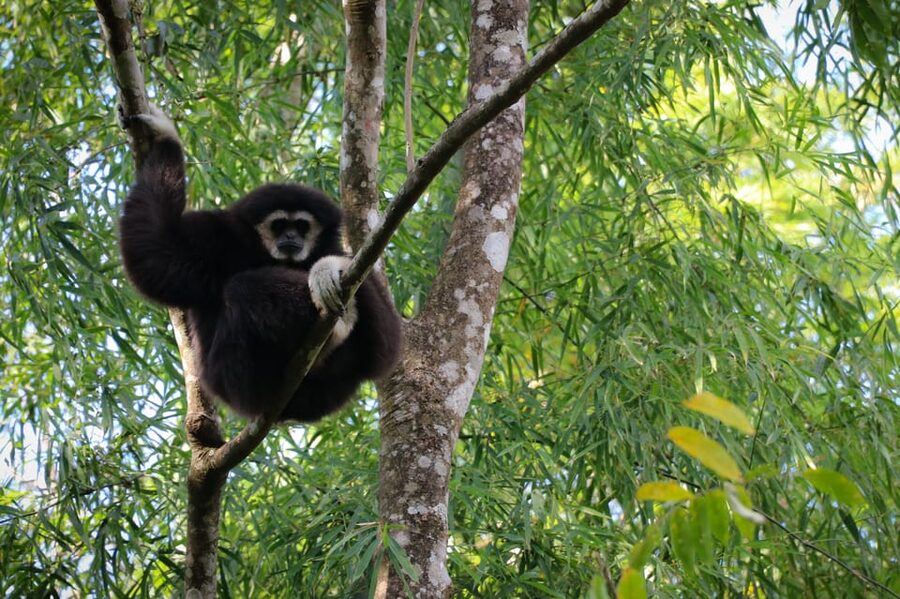
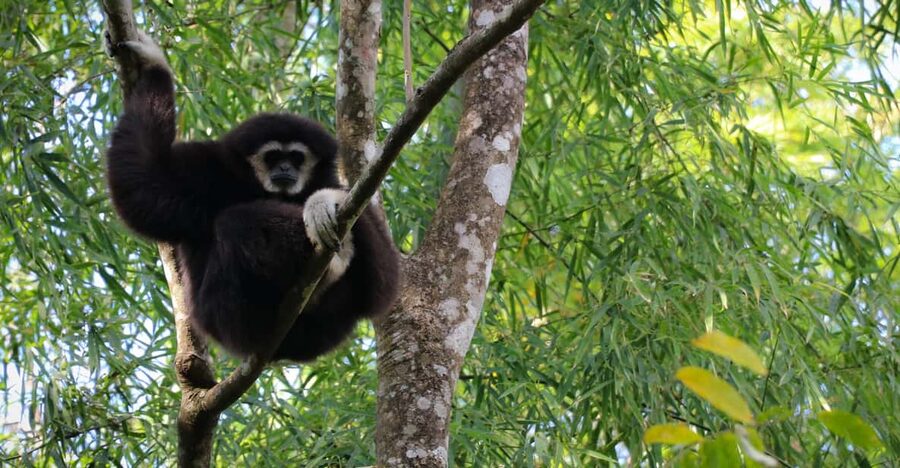
The gibbons are the reason most people book. They are released from a rehabilitation project and now live in a secluded forest area that only a few people know well. Your viewing isn’t just luck plus a guide pointing upward. You’re taken by help from the caretaker, and the guides use what they hear and what the caretaker knows about the animals’ habits.
Here’s the big practical detail: the gibbons are wild. That means sightings are possible, but not guaranteed. The tour order can also shift if the caretaker alerts the team to movement earlier or later in the day.
In the field, your group may wait in the forest while the guides scan the trees and explain what to look for. In several accounts, people spotted gibbons after a short wait, while others had a longer hunt. Either way, treat the waiting time as part of the experience. The guides often keep things active—pointing out plants and edible finds right where you’re standing.
If you’re hoping for close views: keep your expectations calm. Wild animals control distance. But when you do get a sighting, it tends to feel personal because you’re not in a crowded, staged setting.
Mae Kampong village lanes: where the day becomes Thai and human
After the first forest stop, you continue deeper into Mae Kampong. This is when the tour stops feeling like a hunt and becomes a day in a real place.
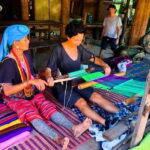
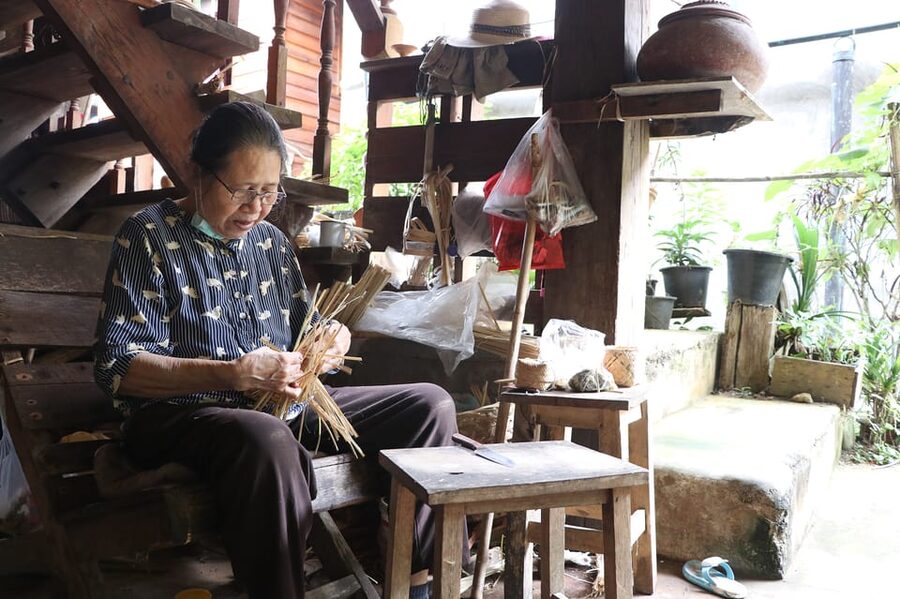
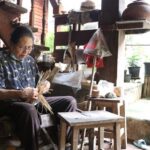
You get time to wander the village’s quiet lanes and take in the atmosphere. You’ll also meet a local village guide who can add context beyond what you’ll read in a guidebook—how locals see the forest, how plants fit daily life, and what it means to live in the hills.
If you like your travel with a little texture—houses, alleys, small routines—this part is a win. It also helps balance the harder hiking later. You get coffee, lunch, and a calmer pace before the trek.
The steep reality: secret jungle trail and the 900-year-old tree
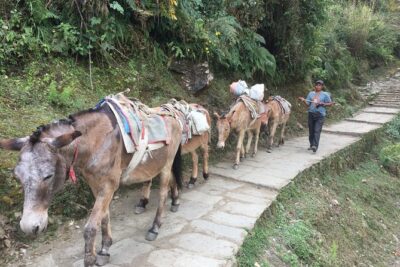
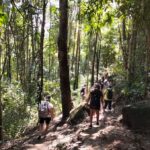
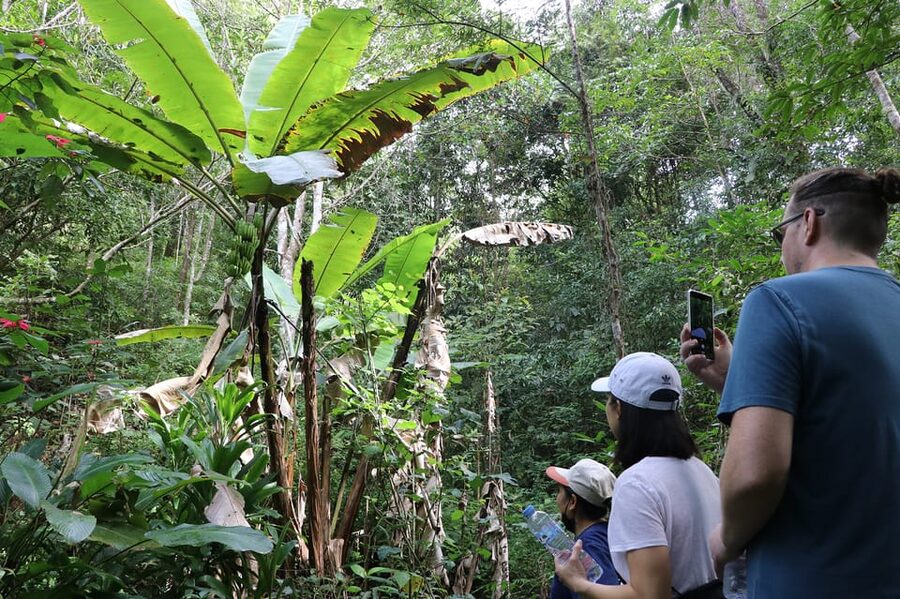
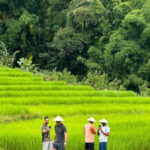
The forest trek is next, and it’s not long on paper, which can make people underestimate it. You’re looking at roughly 3–5 km of steep and uneven walking. The trail is described as steep in places, and that shows up in the footwork you’ll need—especially if you don’t usually hike in the heat.
This is where you’ll feel glad for sturdy shoes. More than one person calls out the need for good grip, not flimsy flip-flops. If it’s rainy, the footing gets slick, so plan accordingly.
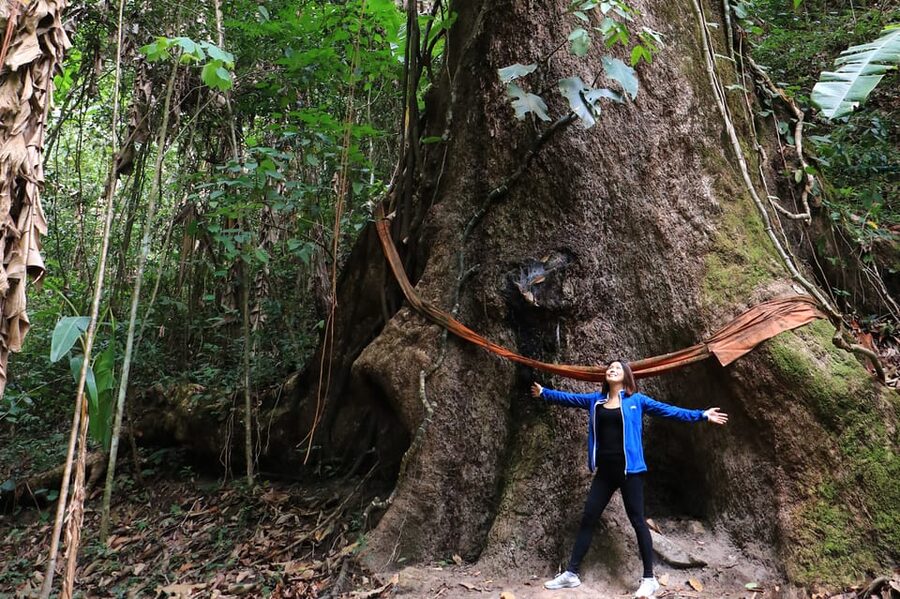
The best part is what you walk past. You’ll follow a more secluded route that locals know, not a high-traffic “always crowded” path. Along the way, you’ll see one of the oldest trees in Chiang Mai, said to be around 900 years old, and learn how to read the forest—flora and fauna in a way that turns the hike into a guided lesson.
This is also where tasting and plant handling typically come in. You might try edible jungle plants and learn what locals use them for. You also get a chance to smell and touch various herbs and plants, with the local guide explaining what’s safe and what has everyday uses.
Waterfall reset at Mae Kampong: the scenic pause you’ll need
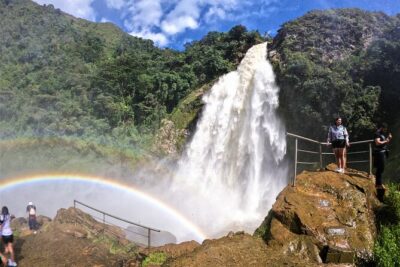
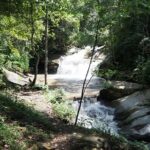
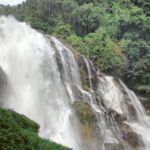
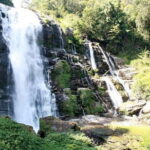
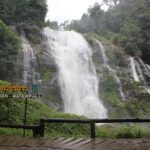
You’ll visit Mae Kampong waterfall after the village wander. Think of this as your scenery reset. The waterfall gives you that classic “Thailand hill day” payoff without turning the outing into a long, exhausting slog.
Even better: rainy season can make the waterfall more dramatic thanks to increased water flow. The catch is the same catch everywhere—bring protection for sudden downpours. A light rain jacket helps more than you’d expect when clouds open up.
If you like photos: you’ll probably want a little time here to slow down. If you’re more about nature than shots, the waterfall still works as a breather between walking sections.
Coffee with valley views and an included lunch that actually covers diets
Midday is handled well, and it matters. Many tours squeeze in random snacks. This one gives you real breaks.
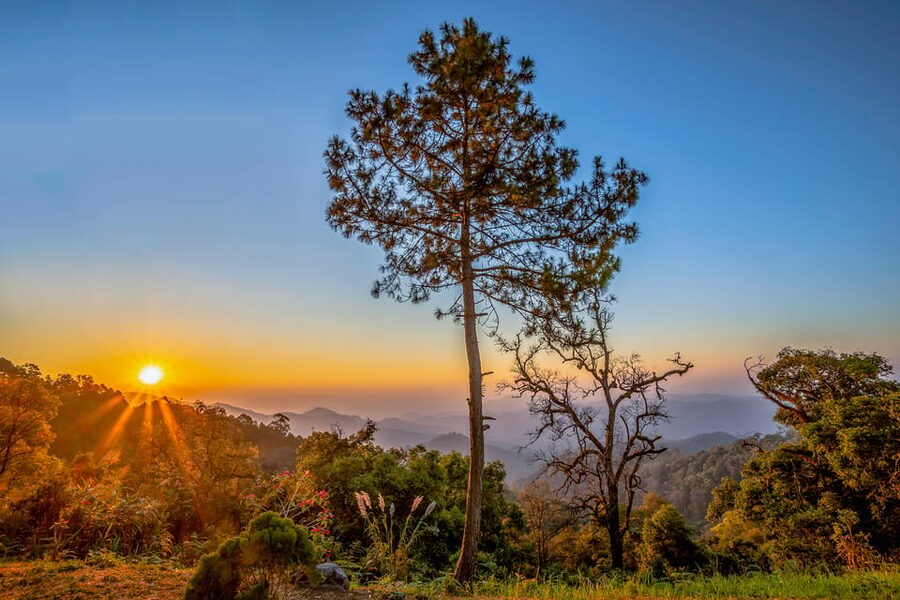
You get a complimentary coffee/tea/smoothie at a stunning coffee shop with views over the village below. People describe drinks like ice mocha and even butterfly pea lime soda during the stop. If you’re the type who wants more than one beverage choice, this is one of the nicest “included perks” of the day.
Then lunch comes after, and it’s not a bland buffet for the sake of feeding you. You get a set of local dishes plus options that feel more familiar. Importantly, there are plenty of vegetarian and vegan choices, which is hard to find on nature tours that also include meat-heavy Thai staples.
One more nice touch: the vibe is relaxed. You’re not rushed out the door. People also mention that the tour can run a bit longer when everything stays flexible in the wild, which usually means you aren’t getting yanked around like a schedule robot.
Herbs, fruits, and jungle plants: learning that’s hands-on, not just lecture
The most distinctive part of this tour, beyond the gibbons, is the plant experience. You’re not only shown leaves and told facts. You taste, smell, and sometimes touch edible jungle plants with explanations tied to local use.
That can mean herbs used in everyday Thai flavors, medicinal-style knowledge, and edible fruits found in the forest. When guides like Smile and the local team share how they grew up around Mae Kampong, the plant info lands differently. It becomes less like trivia and more like cultural knowledge.
If you’re worried this will be too “touch this leaf, hope for the best”: don’t. The guides guide you through it and keep it practical. Treat it like a nature class taught outdoors, where you’re learning how locals understand the forest.
Weather and rainy season: yes, it runs, but you need the right gear
This tour operates in any weather. During rainy season, the jungle can look more alive and colorful, and the waterfall often gets more impressive. The cooler mountain air also makes the hike more comfortable than Chiang Mai city heat.
Your job is to show up prepared. Pack comfortable clothes you can move in and a rain layer for sudden downpours. If it rains hard, expect the trail to feel slick and steep in places, even if the distance is short.
Price and value: what $77 buys you in the real world
At $77 per person, this tour sits in the mid-budget zone for Chiang Mai day trips. The value comes from a few specific things working together:
- You’re paying for more than transport. You’re paying for multiple guides: a main English-speaking guide (often TK or Nee), plus local guidance and caretaker support.
- You’re getting meaningful inclusions: pickup/drop-off, air-conditioned vehicle, lunch, coffee, and the forest guiding.
- You’re contributing to conservation. A percentage of the tour price goes to the gibbon caretaker, supporting food during scarcity and protection of the animals.
That donation piece is the part many people quietly appreciate later. It’s not a vague “support wildlife” slogan. It’s tied to a caretaker who looks after the gibbons when conditions get tough.
Who should book this, and who should skip it
This tour is ideal if you want:
- a small-group day trip feeling personal rather than mass-tourish
- nature plus culture, not just one or the other
- a realistic shot at seeing gibbons in the wild with a caretaker involved
- hands-on plant learning—taste, smell, and touch
- a hike that is short but not easy, so you still get exercise
It’s not a fit if:
- you need a fully flat walk. The trek is steep and uneven over 3–5 km
- you want guaranteed wildlife sightings. Gibbons are wild and free to roam
- you dislike walking on uneven ground, especially if it’s wet
Tips to make your day smoother (based on what the guides handle well)
These are small moves that make a big difference:
- Wear comfortable shoes with grip. The last part of the day can include winding roads, and your feet need traction on the trail.
- Bring sickness tablets if you’re prone to motion sickness. The ride back includes a few winding km.
- Pack a light rain jacket. Even if the morning looks fine, mountain weather changes.
- Bring patience for wildlife. When the caretaker hears gibbons, the plan may shift. That flexibility is part of how the day works.
If you’re a solo traveler, you may be asked to meet the group at Burger King Thapae for an 08:00 start. It’s easy, but plan to be there a little early.
Should you book Chiang Mai: Gibbons, Trekking & Mae Kampong?
I think you should book this tour if you care about three things at once: wild gibbons handled responsibly, real time in Mae Kampong village, and a nature walk where you learn from local guides rather than just pass by scenery.
I’d skip it if your dream day is a gentle stroll with guaranteed animal sightings. This is a short trek, but it’s still steep and uneven, and gibbons still do what wild gibbons do.
If you’re reading this while planning your Chiang Mai trip, this one is a strong choice for a memorable day that feels connected to the place—especially if you’re happy to trade a bit of comfort for a forest experience that actually matters.
FAQ
How long is the trek during the tour?
The guided jungle trek is described as steep and uneven, with a distance of about 3–5 km.
Are gibbons guaranteed to be seen?
No. Gibbons are wild and free to roam the forest, so sightings are not guaranteed. The caretaker may also adjust timing based on what they hear.
What time does the tour start and end?
Hotel pickup is typically 08:00–08:30. The group arrives in the village around 09:40, and you’ll return to Chiang Mai city for drop-off at about 15:00.
What is included in the tour price?
The tour includes hotel pickup and drop-off, air-conditioned transportation, guides, local lunch and refreshments, coffee, and a donation to the gibbon caretaker.
What food and drinks do I get?
You get a complimentary coffee/tea/smoothie at the coffee shop, plus an included local lunch with vegetarian and vegan options.
What should I bring for the hike?
Wear comfortable shoes and comfortable clothes. If you’re prone to motion sickness, bring sickness tablets, since the roads can be winding.
Does the tour run during the rainy season?
Yes. The tour runs year-round, and the jungle and waterfall can be especially beautiful. Bring a rain jacket for sudden downpours.
Is the tour suitable for people with mobility impairments?
No. It is not suitable for people with mobility impairments due to the steep, uneven trail.
Where should solo travelers meet?
If you’re a solo traveler, you may be asked to meet at Burger King Thapae at 08:00.