REVIEW · SA PA
From Sa Pa: 5-Hour Muong Hoa Valley Trek and Ethnic Tribes
Book on GetYourGuide →Operated by Vietnam Nomadtrails · Bookable on GetYourGuide
Rice terraces, villages, and a hike in one morning. This Muong Hoa Valley trek from Sa Pa mixes countryside walking with real village life, not a staged show. I love meeting Black Hmong families in Y Linh Ho, and I love how Lao Chai opens onto some of the valley’s most photogenic rice terraces. One heads-up: the route is about 10 kilometers of uneven ground, and wet weather can make it slippery.
You’ll do it in a small group (up to 14 people), which makes a difference on narrow paths. An English-speaking guide leads you, and the local women who help on the trail can be the difference between steady steps and a quick panic-brain moment. Guides such as Sang, Su, Sai, and Bao come up often for strong English and a friendly, organized pace.
The day also has a satisfying “why this is worth walking” payoff: lunch near the river, plus village stops where you learn crafts and farming basics. Lunch is included, but you should be ready for souvenir conversations along the way and be respectful about photos of children.
In This Review
- Key moments that make this Sa Pa trek special
- Getting from Sa Pa into the Muong Hoa Valley
- Y Linh Ho: Black Hmong everyday life and market interactions
- Lao Chai rice terraces: views that make the hike feel earned
- Ta Van house visits: weaving and rice cultivation up close
- Dzay tribe meeting: noticing costume and custom differences
- The trek reality check: muddy paths, fog, and good shoes
- What you actually get for $25 (and what to budget)
- Who should book this, and who should skip it
- Should you book the Muong Hoa Valley 5-hour trek?
- FAQ
- How long is the Muong Hoa Valley trek from Sa Pa?
- What’s included in the $25 per person price?
- Is hotel pickup included?
- Is this trek suitable for seniors or young kids?
- What should I bring for the trek?
- Are pets allowed on this tour?
- Is there an extra cost during Lunar New Year?
Key moments that make this Sa Pa trek special
- Y Linh Ho market time with Black Hmong families where you’ll see daily routines, not just monuments
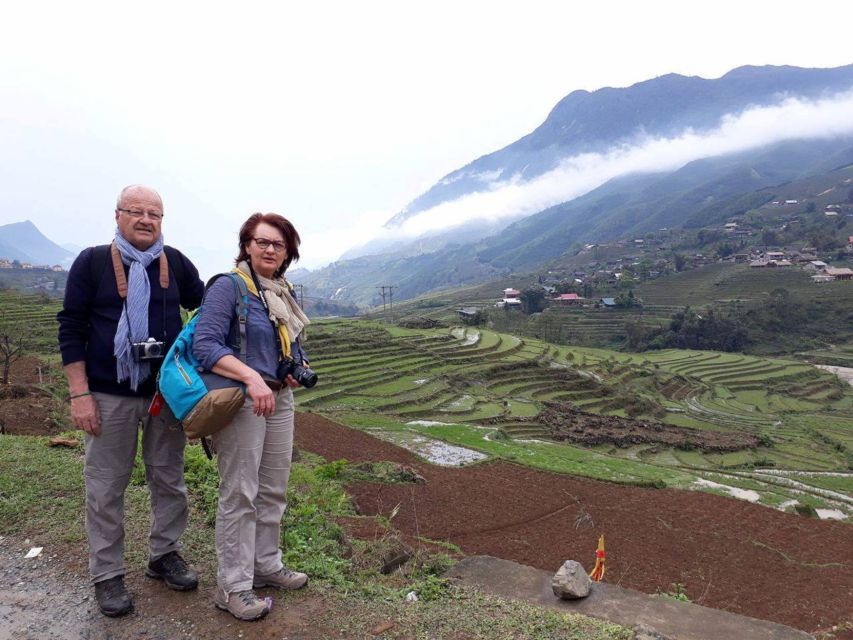
- Lao Chai rice terrace viewpoints with big valley scenery and lots of photo angles
- Ta Van house visits focused on weaving and rice cultivation you can see and ask about
- Dzay tribe contrasts in customs and costumes, so you notice the differences clearly
- Local women trail helpers who guide you through muddy, steep, and slippery sections
- River-side included lunch featuring local produce from the communities you visit
Getting from Sa Pa into the Muong Hoa Valley
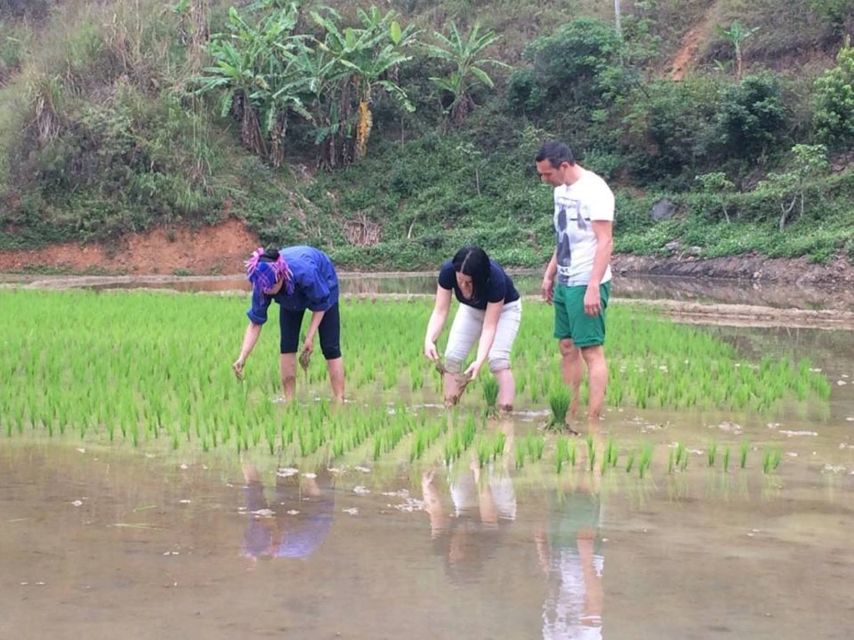
This tour starts in Sa Pa and keeps the logistics simple: transportation by bus, then a short walk along the road toward the valley. You’ll spend around 20 minutes heading along the stunning route that leads you into the Muong Hoa Valley area.
Because the group is limited to 14, the pace feels manageable and you’re not sprinting to “catch up” every few minutes. If you’re hoping for a pure nature hike with almost no people, this isn’t it—this is about people living in the landscape.
You’ll also want to dress for the trail, not the town. Even in a “short” tour, you’re on dirt and uneven paths, and wet conditions can change everything fast.
You can also read our reviews of more tours and experiences in Sa Pa.

Y Linh Ho: Black Hmong everyday life and market interactions
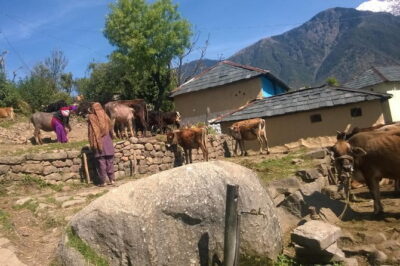
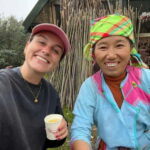
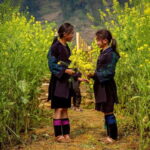
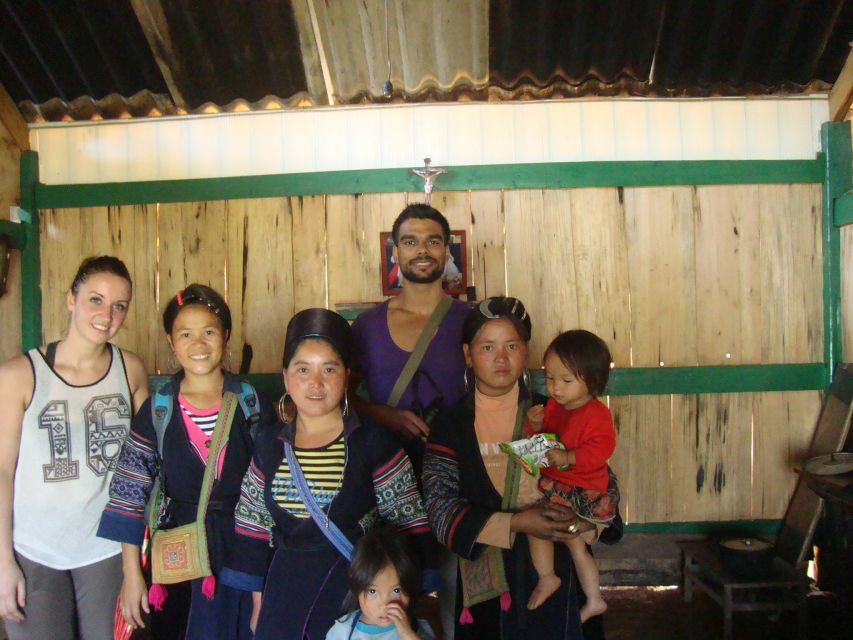
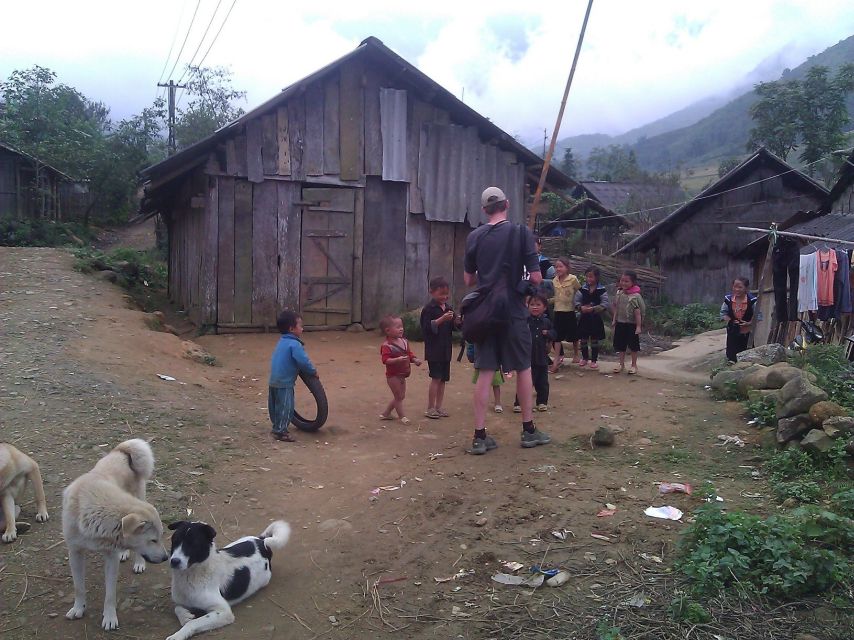
Your first real village stop is Y Linh Ho, associated with the Black Hmong tribe. This is where the day shifts from scenery to lived-in culture.
Expect interaction time with locals and a look at everyday life around the market. It’s not just a walk-by; you’ll have chances to ask questions and watch how community routines work at a human scale.
Practical note: treat photos like you would in someone’s home. Don’t take pictures of children without permission from parents, and keep your hands to yourself—especially around head-touching, which locals asked visitors to avoid.
Lao Chai rice terraces: views that make the hike feel earned
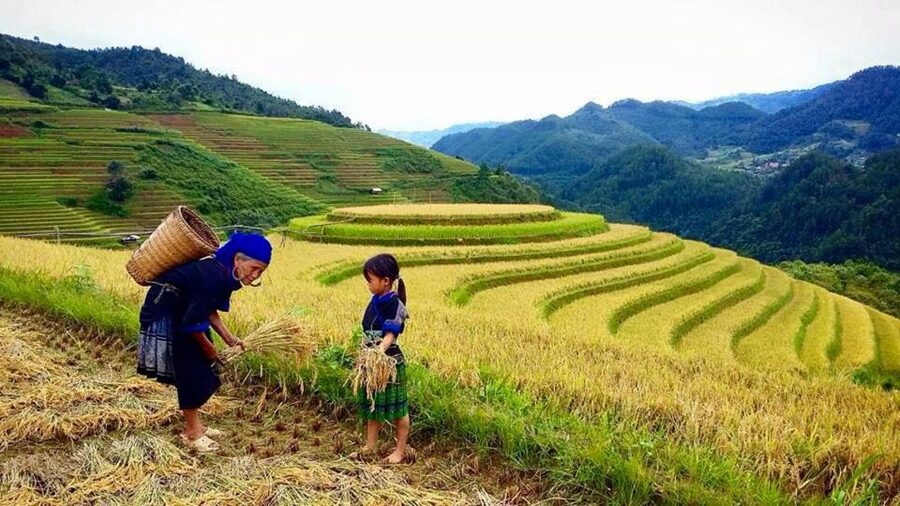
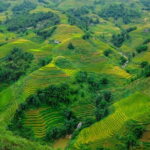
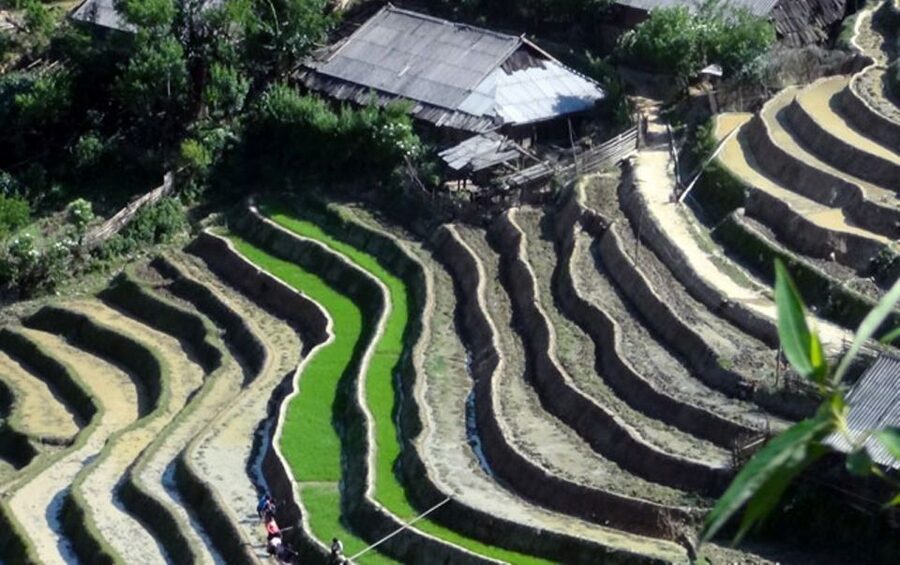
Next comes Lao Chai, and this is the “wow” part for many people. You arrive for spectacular viewpoints over rice terraces that are among the most beautiful you’ll see around Sa Pa.
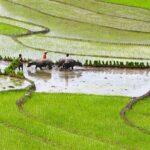
This part matters because rice terraces are not just a backdrop. They’re an active farming system, and the way the terraces stack on slopes explains why the walking can get steep and uneven in places.
Then you break for lunch near the river, with local produce connected to the Black Hmong community. The food is usually described as nicely varied and tasty, but you should also expect it to be simple and local—this isn’t gourmet western dining.
Ta Van house visits: weaving and rice cultivation up close
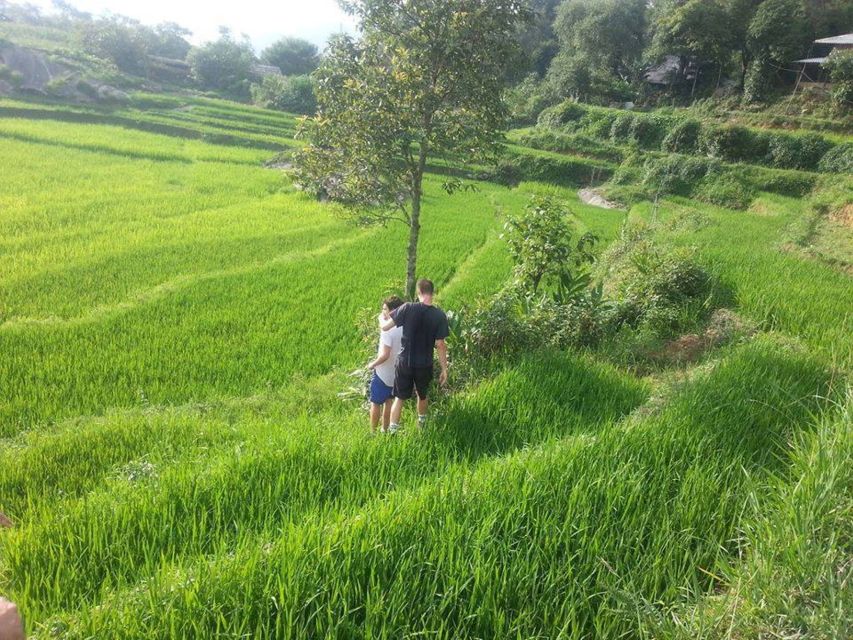
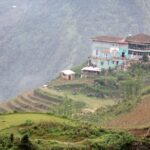
After the Lao Chai section, the trek continues to Ta Van village. Here the focus shifts to traditional crafts and how people farm.
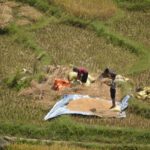
You’ll visit local houses and learn more about crafts such as weaving, plus basics tied to rice cultivation. This is a valuable stop because it turns the terraces you’re hiking through into something you understand better—how the work gets done, and why certain skills matter.
One thing to watch: Ta Van is also where interactions often extend into selling handmade items. I don’t think that’s inherently “bad”—it’s income. But you should go with a clear mindset: buy if you want, politely decline if you don’t, and don’t feel guilty for having boundaries.
Dzay tribe meeting: noticing costume and custom differences
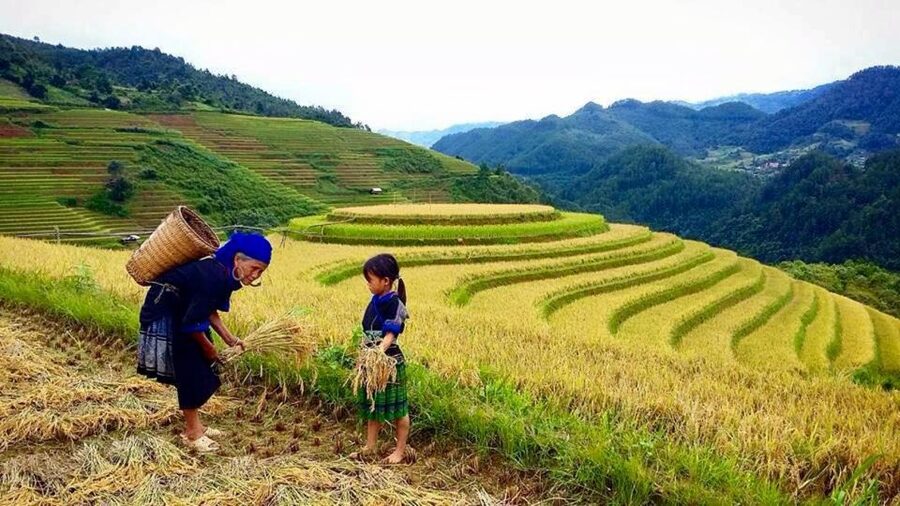
Later, you meet members of the Dzay tribe, which adds a contrast to what you saw with the Black Hmong. This part isn’t meant to confuse you—it’s meant to help you notice how customs and costumes differ within the region’s many ethnic groups.
If you’re the kind of traveler who likes details (patterns, clothing styles, daily routines), this is one of the most interesting turns of the day. You’ll compare what you learn, then see it in a new context as you move through the valley.
The best way to get value here is to ask simple questions and listen longer than you talk. A respectful curiosity usually beats a rapid-fire interview energy.


The trek reality check: muddy paths, fog, and good shoes
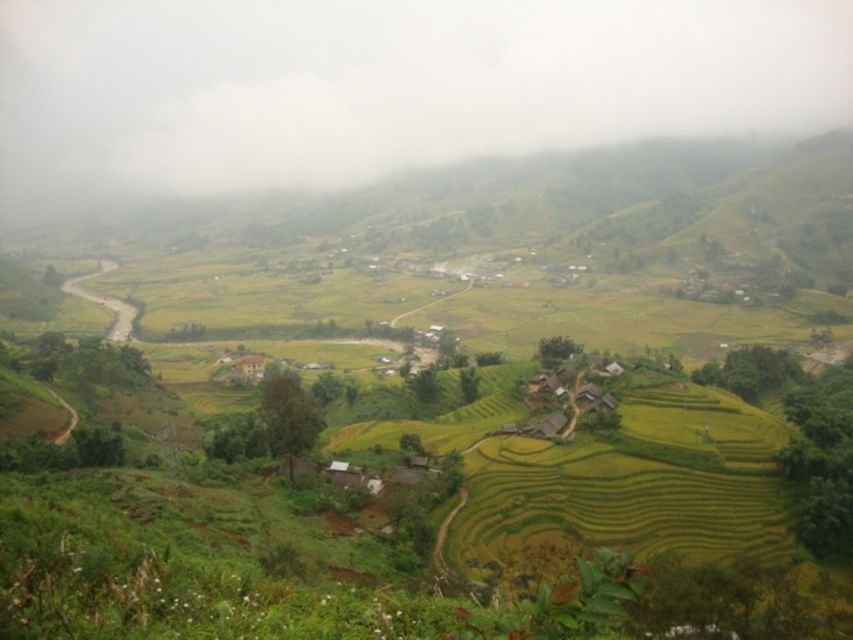
This is where you should pay attention. The tour is listed as about 5 hours, but the terrain still counts. You’re looking at roughly 10 kilometers, and the guidance says it can be challenging and dangerous in wet weather—especially for seniors.
Even though there are helpers, you’ll want to show up prepared:
- Wear trekking shoes with grip.
- Bring sunglasses and sun cream (the sun can hit between cloud breaks).
- Use insect repellent.
- In October to March, bring warm clothes.
In colder or winter-season conditions, you might also deal with morning thick fog, which can make steps harder to judge. One more reality: your shoes may end up covered in mud, so pack an extra pair if you can, or at least be ready for a “boots are now part of the soil” situation.
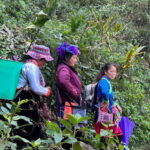
The upside? Local women often guide people through slippery areas quickly and kindly. You’ll see how much the community supports walking routes as part of daily life.
What you actually get for $25 (and what to budget)
At about $25 per person, the value here comes from what’s included, not just the price tag. Your ticket covers:
- Transportation by bus
- An English-speaking guide
- Entrance tickets to the indicated sites
- Lunch (near the river)
What’s not included is also important for planning. Drinks aren’t included, and VAT and personal expenses are listed as not included too. So I’d budget a little extra cash for water and any small purchases you decide to make from artisans.
During Lunar New Year, there can be an added surcharge. The info given shows a Lunar New Year surcharge of $20/person for a 2025 date range and $30/person for a 2024 date range, paid at the meeting point or directly depending on the year. Since the exact dates and amount vary by the season, double-check with your booking when you’re close to travel.
Also, you should remember this tour includes some form of local interaction—so if you hate the feeling of being approached, plan your attitude beforehand. You can enjoy the day without buying anything.
Who should book this, and who should skip it
This trek is a strong fit if you want:
- A short day from Sa Pa that still hits multiple villages
- To see rice terraces and understand them through farming and craft context
- A cultural day where you meet more than one ethnic group, including Black Hmong and Dzay
It’s not a fit if any of these apply:
- You’re pregnant
- You use a wheelchair or have mobility impairments (not suitable)
- You have limited ability to handle uneven, slippery terrain
- You’re traveling with children under 6
- You’re a senior citizen, since advice says this 10-kilometer trek is challenging and can be dangerous in wet weather
One more practical detail: pets are not allowed.
If you’re unsure about your fitness, be honest with yourself. This is not a flat stroll, even if the day is only 5 hours.
Should you book the Muong Hoa Valley 5-hour trek?
Book it if you want the sweet spot: real village contact, rice terrace scenery, and a manageable time window from Sa Pa. The included lunch and the fact that you visit Black Hmong (Y Linh Ho), then Lao Chai, then Ta Van, plus a Dzay tribe contrast make it feel like more than just a hike.
Skip it if you’re hoping for an easy walk, if wet conditions are likely and you’re not confident on uneven ground, or if health and mobility constraints limit your ability to handle steep, slippery sections. In those cases, the terrain can turn the day stressful instead of enjoyable.
If you do book, set yourself up for success with proper grip shoes, a willingness to move at a village pace, and respect around photos and personal boundaries. That’s when this kind of trek pays off.
FAQ
How long is the Muong Hoa Valley trek from Sa Pa?
It runs for about 5 hours.
What’s included in the $25 per person price?
The price includes transportation by bus, an English-speaking guide, entrance tickets to the indicated sites, and lunch.
Is hotel pickup included?
Pickup is available from hotels in Sa Pa town only.
Is this trek suitable for seniors or young kids?
Senior citizens are advised not to do the trek because it can be challenging and can be dangerous in wet weather. It is also not suitable for children under 6.
What should I bring for the trek?
Bring trekking shoes, sunglasses, sun cream, and insect repellent. Warm clothes are recommended between October and March.
Are pets allowed on this tour?
No, pets are not allowed.
Is there an extra cost during Lunar New Year?
Yes. The information provided lists a Lunar New Year surcharge that can be $20 per person for one date range (paid directly on the trip) and $30 per person for another date range (due at the meeting point). Check the current dates when you book.